Mise au carré
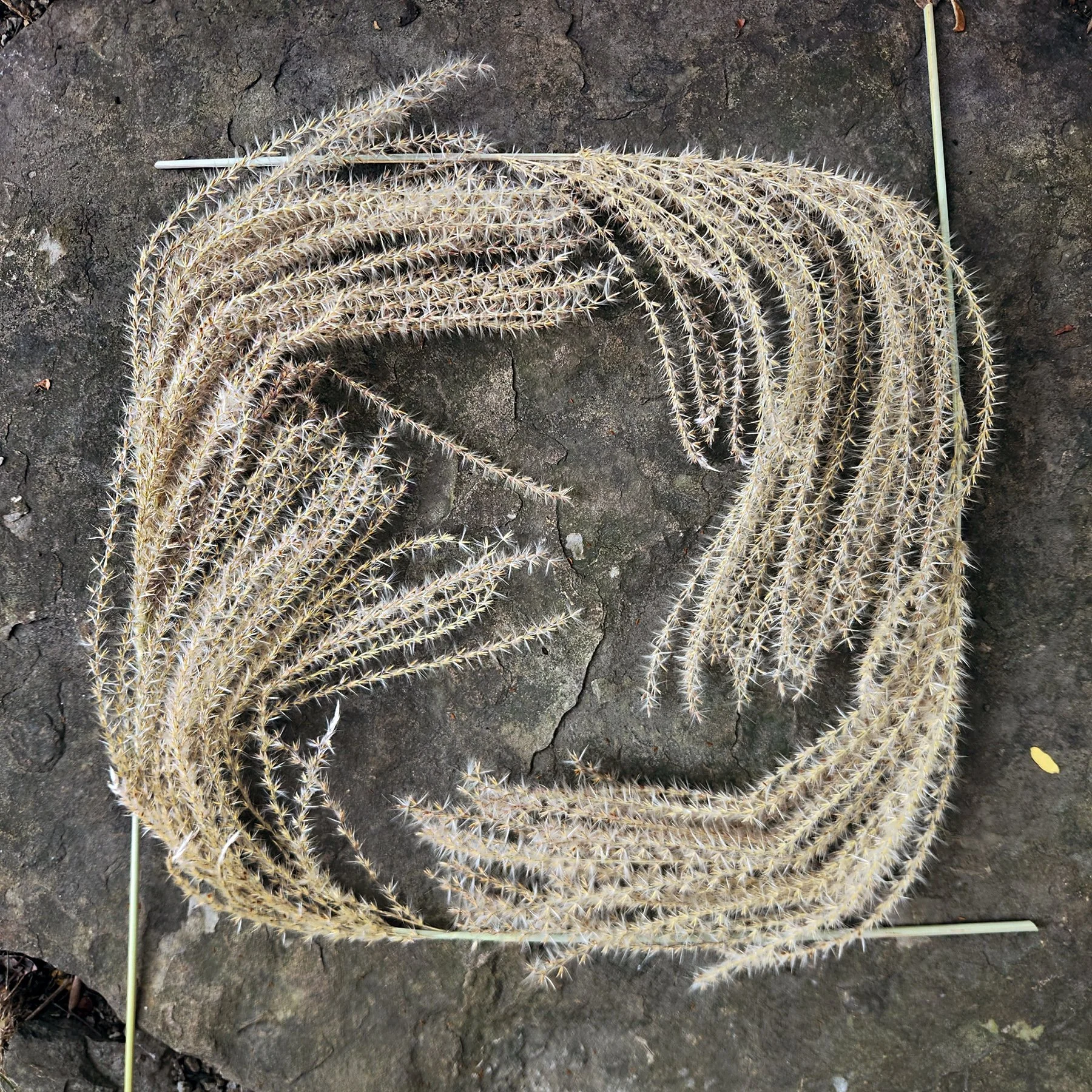
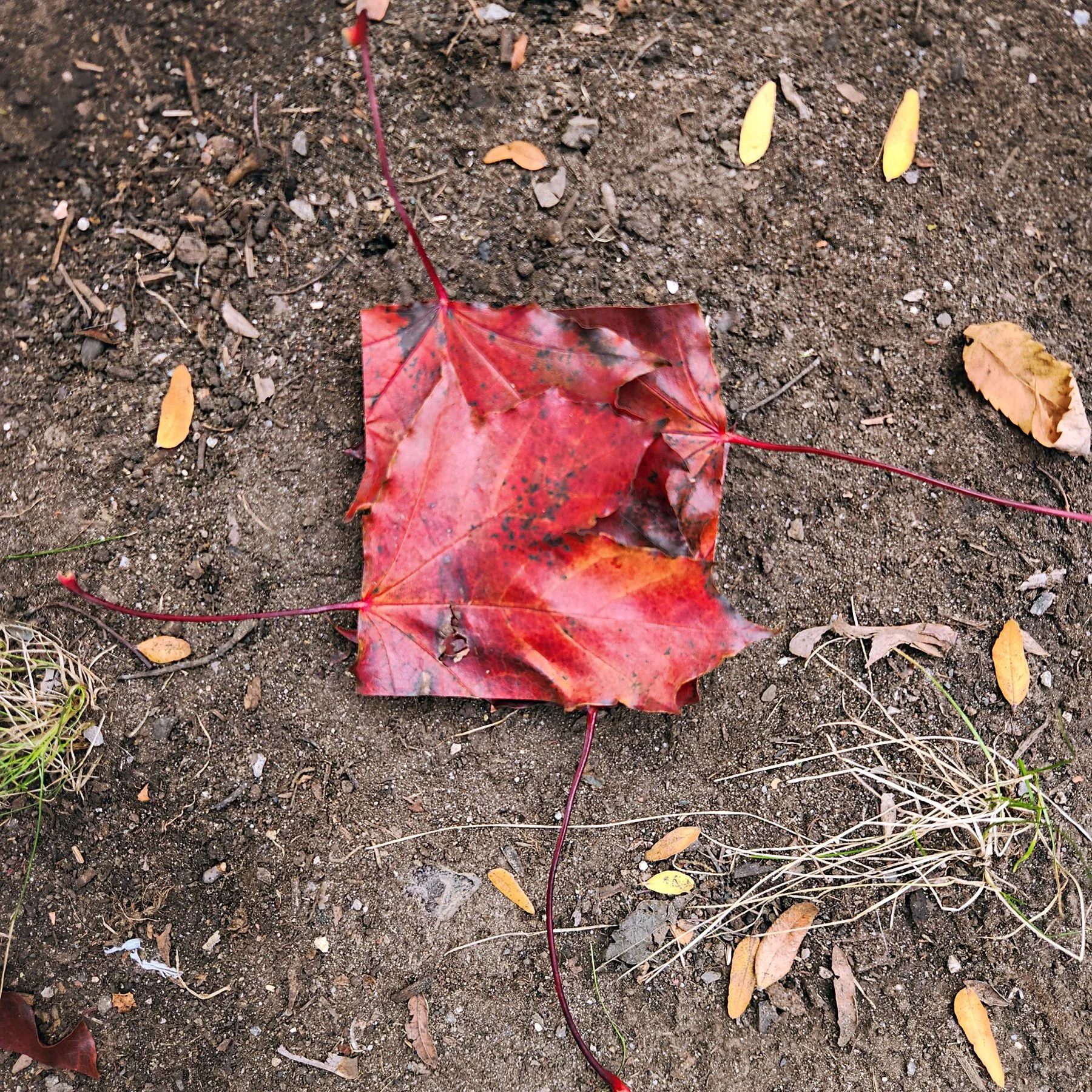
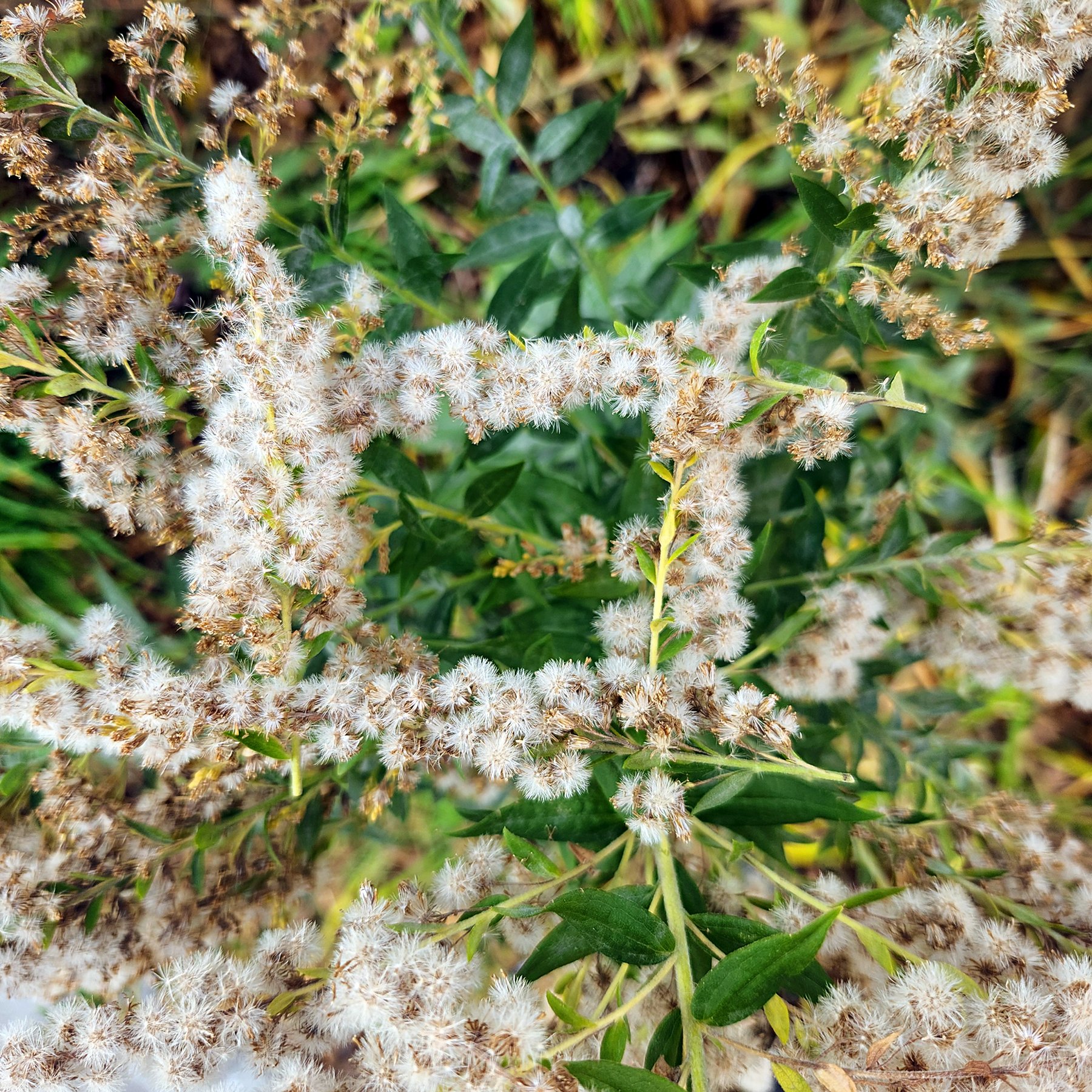
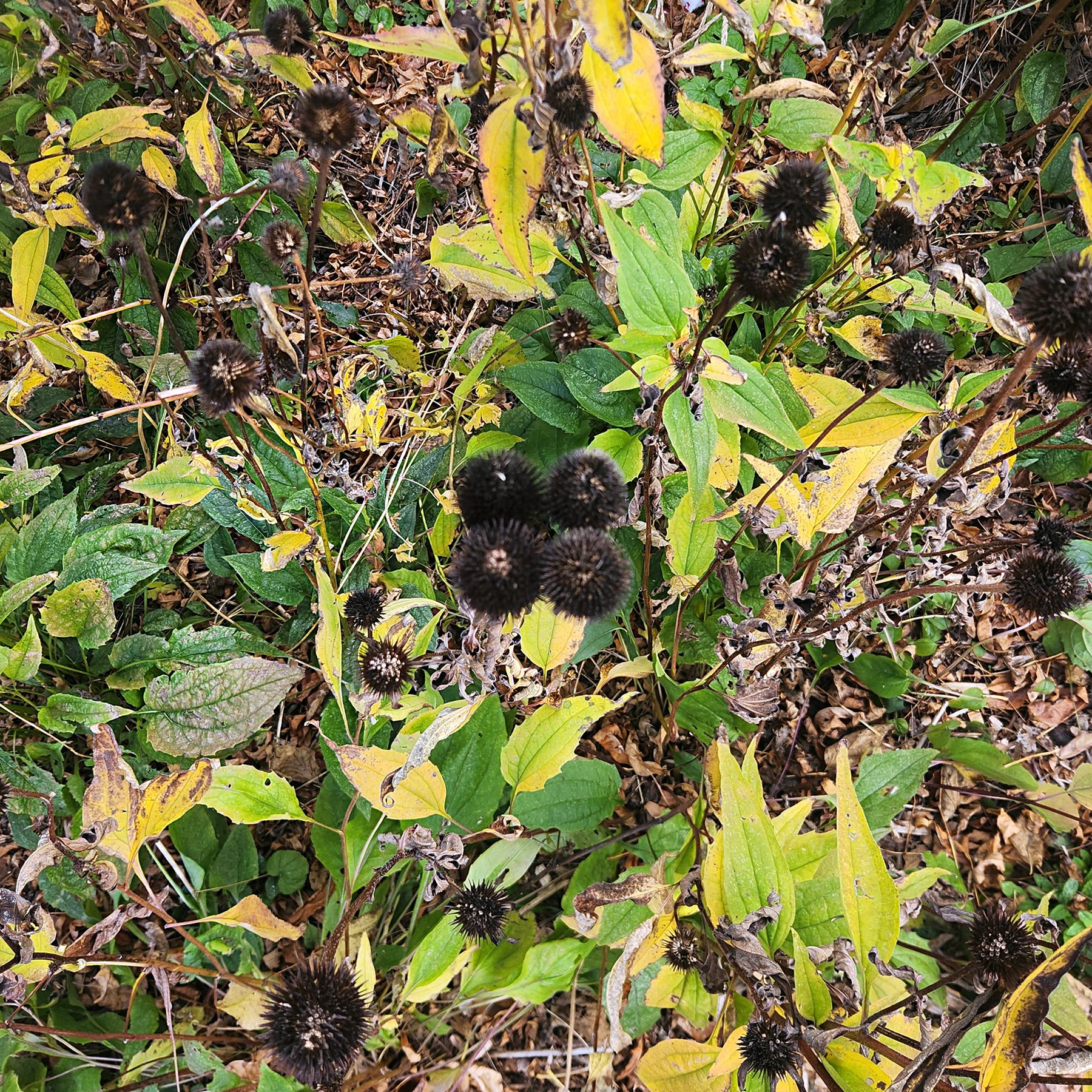
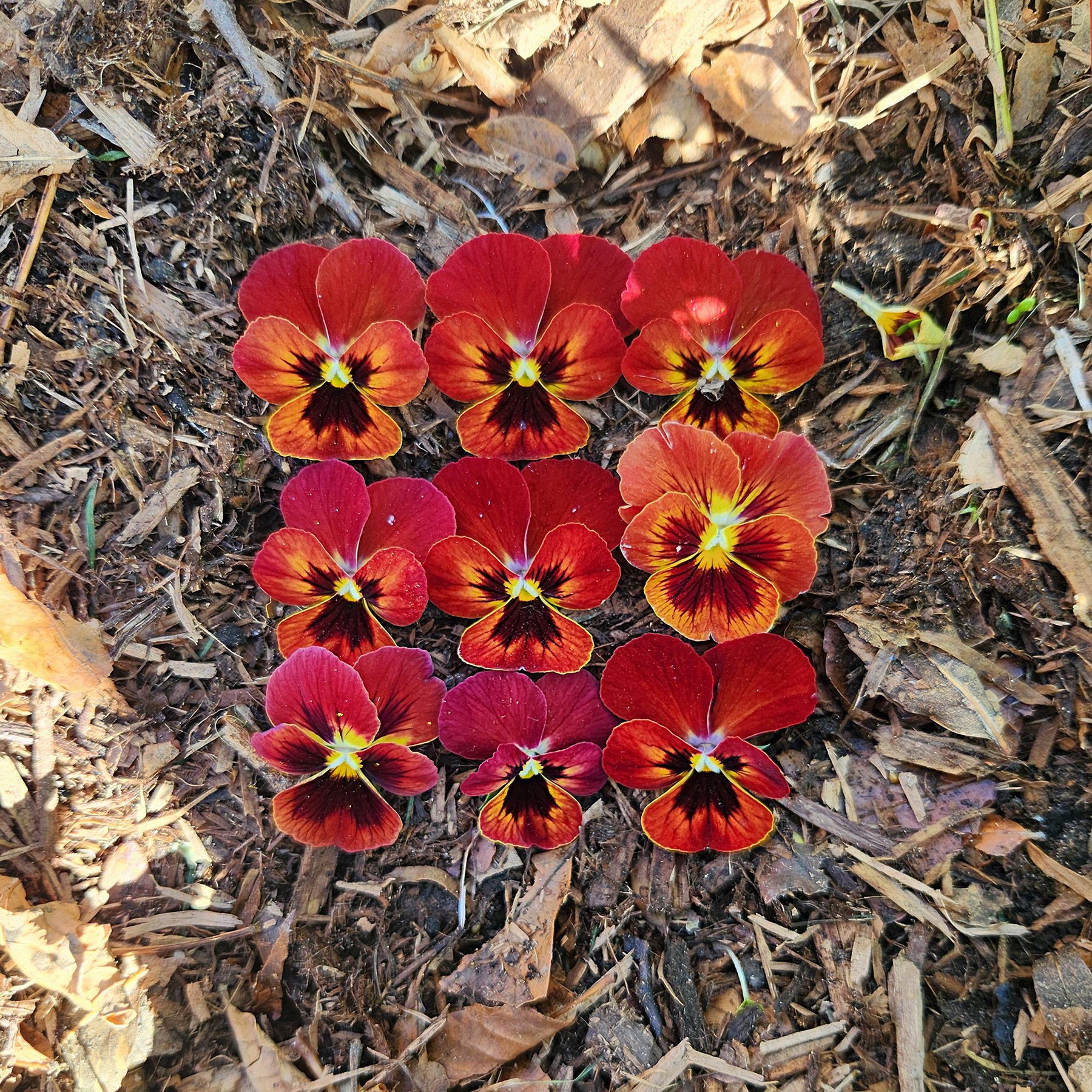
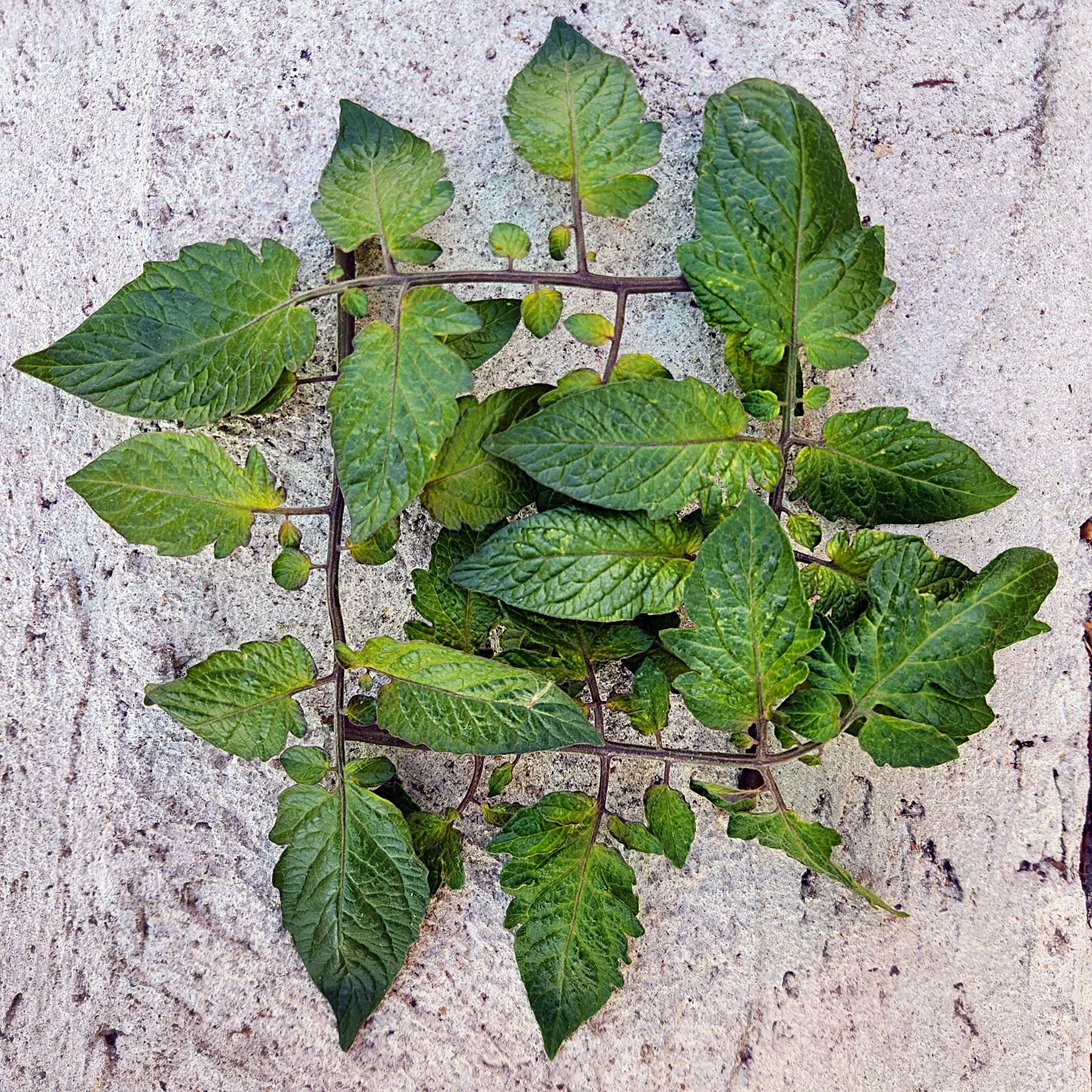
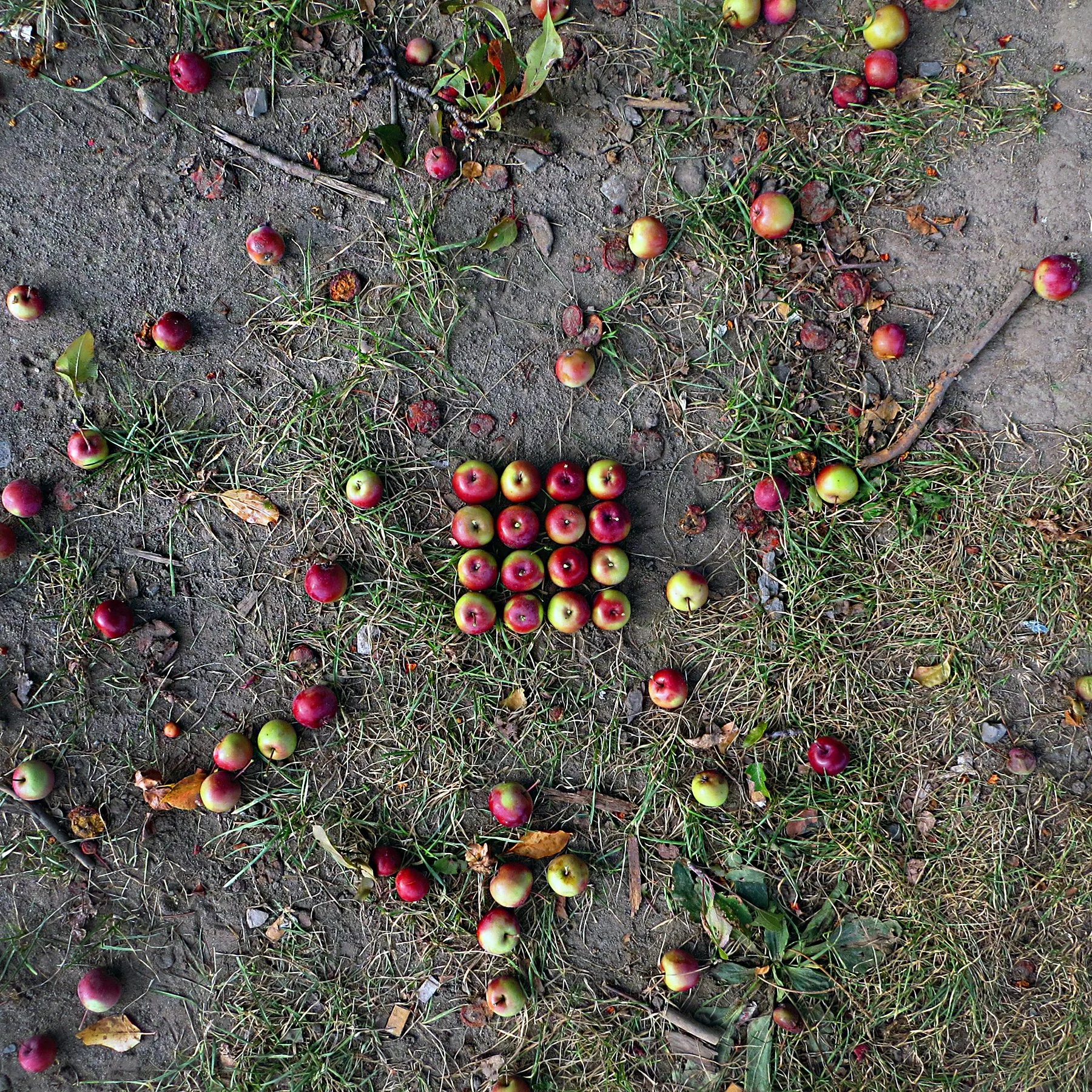
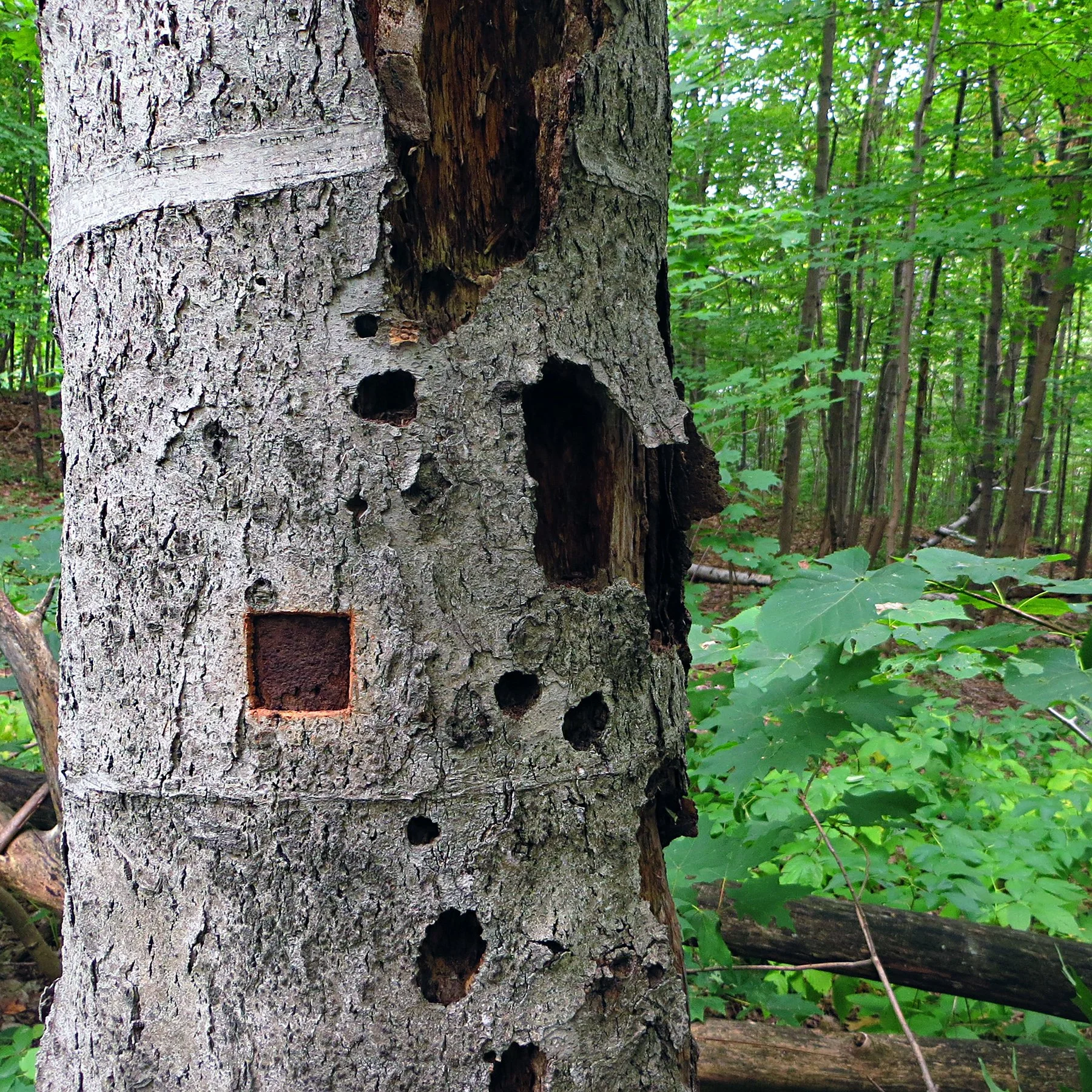
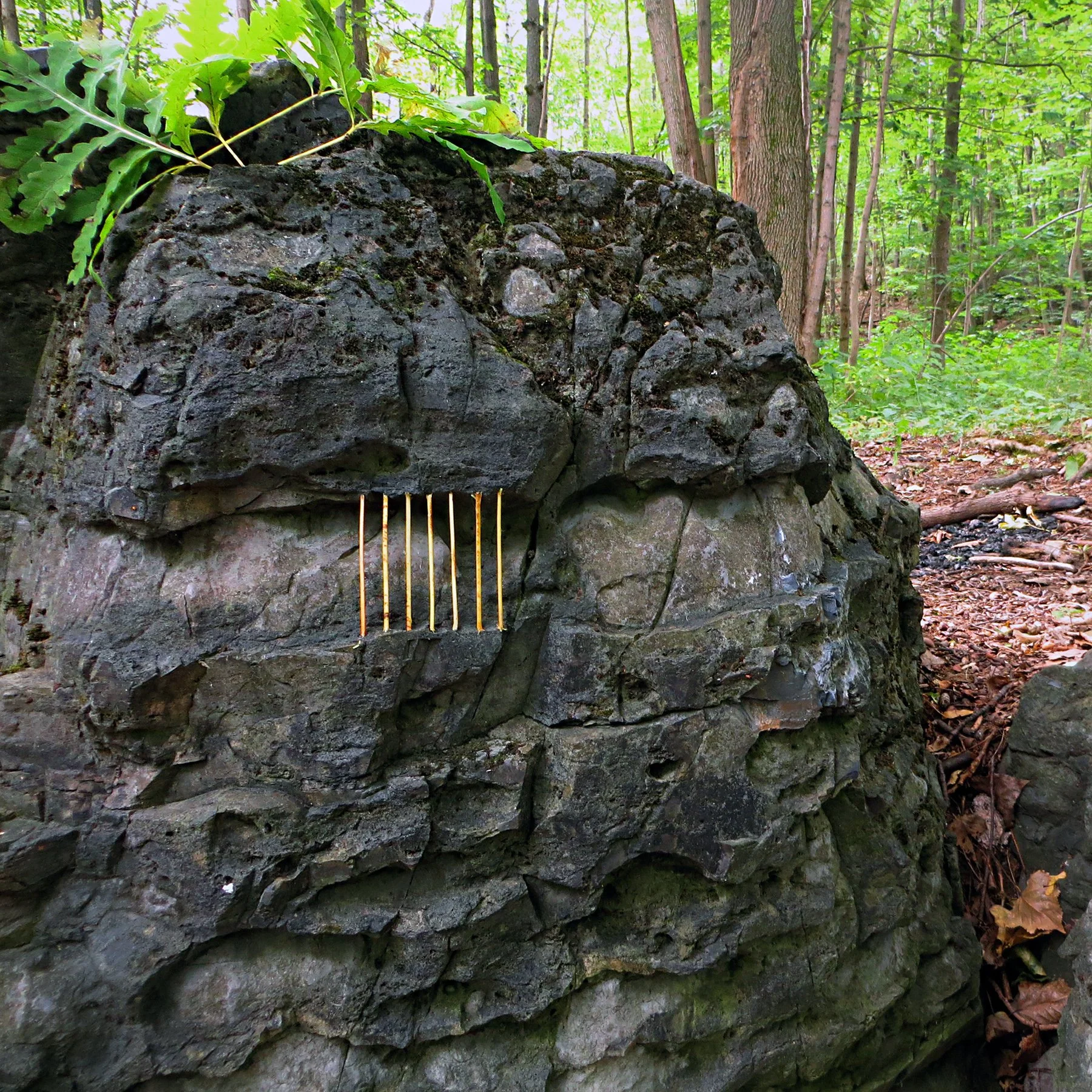
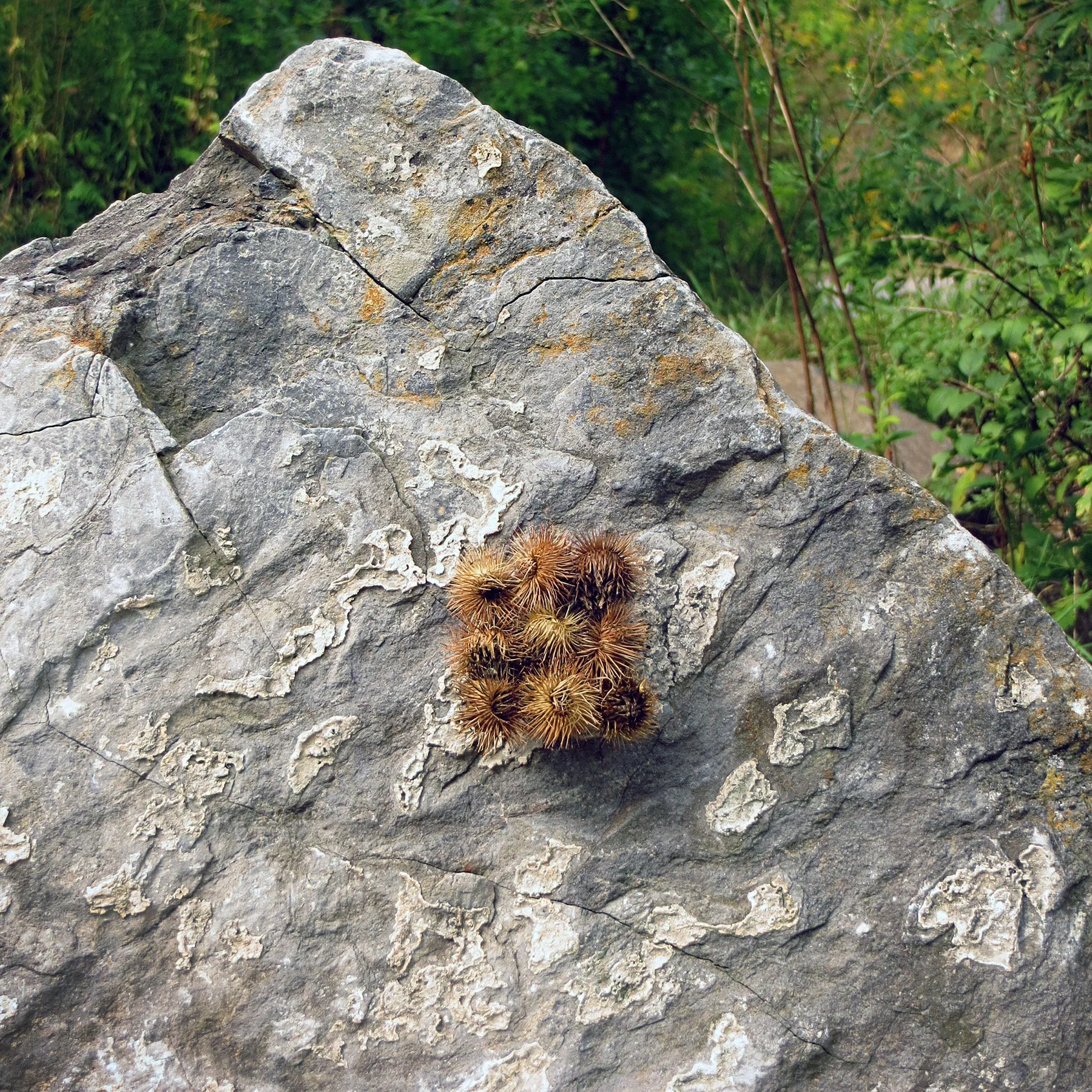
Au cœur du processus se trouve un questionnement fondamental : comment se mesurer à l’acte créateur de la nature tout en lui rendant hommage ? La figure du carré s’est rapidement imposée comme axe formel, conceptuel et philosophique du projet, ainsi que comme principe structurant de la publication. Figure orthogonale presque absente des environnements naturels, le carré agit comme un marqueur de présence humaine et cristallise une réflexion sur la tension entre ordre et désordre, rationalité et organicité, maîtrise et abandon.
Ma pratique s’inscrit dans une temporalité lente du travail in situ : observation du lieu, construction, puis disparition progressive de la forme. Les conditions naturelles – vent, lumière, humidité, marées, végétation – participent à l’altération des carrés, effaçant peu à peu leurs contours. Le caractère éphémère de ces interventions témoigne d’une volonté de non-appropriation : l’œuvre habite le lieu pour un temps, puis s’efface.
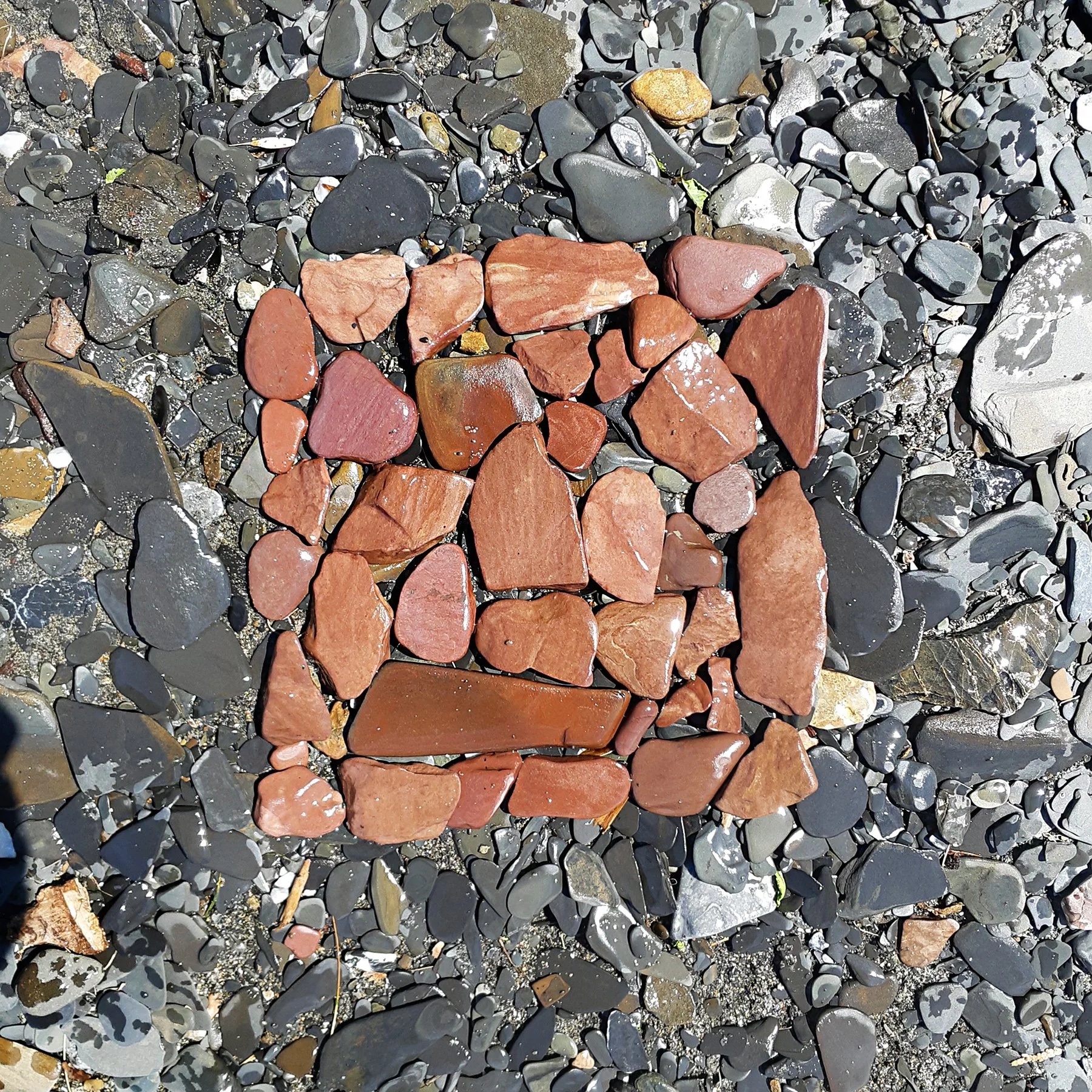
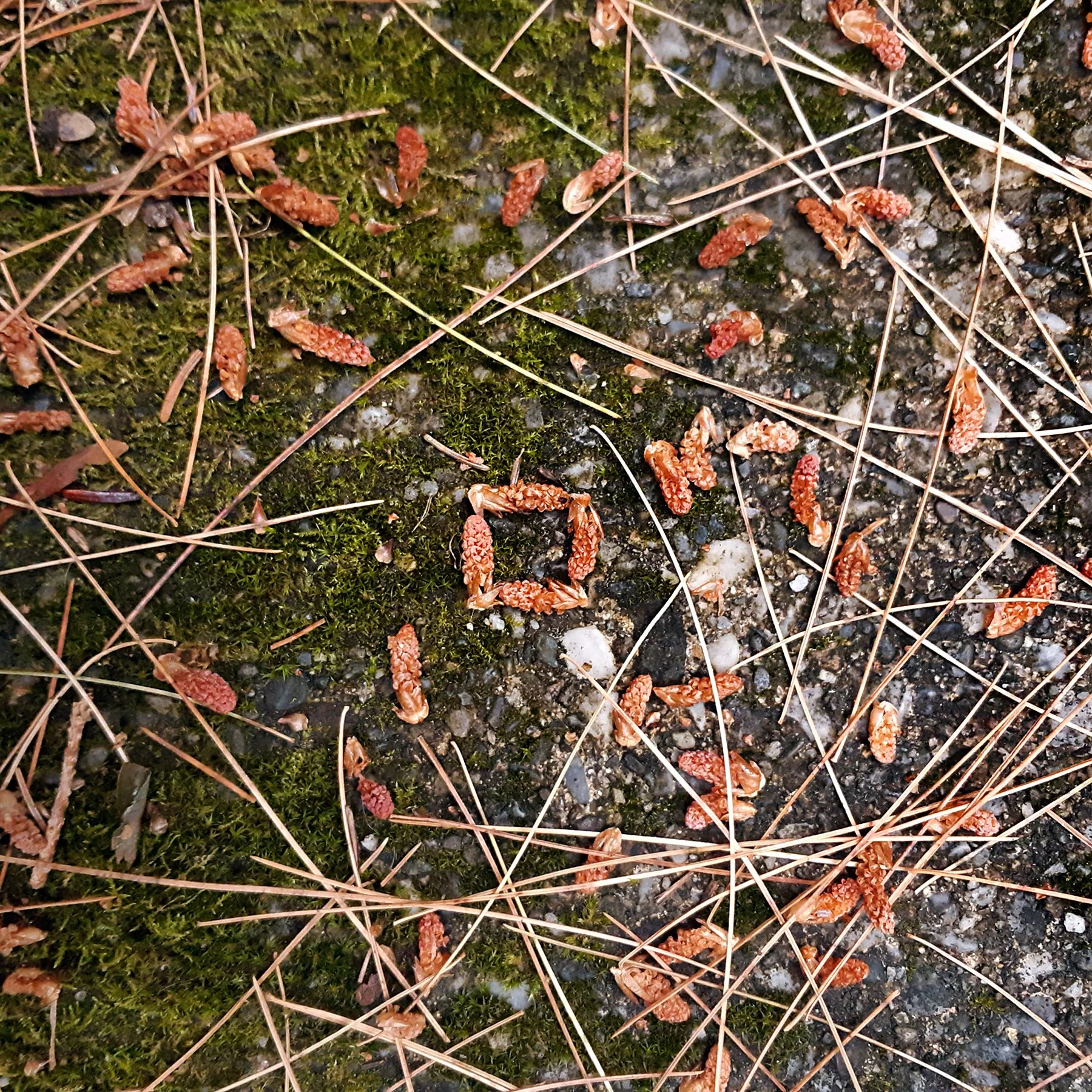
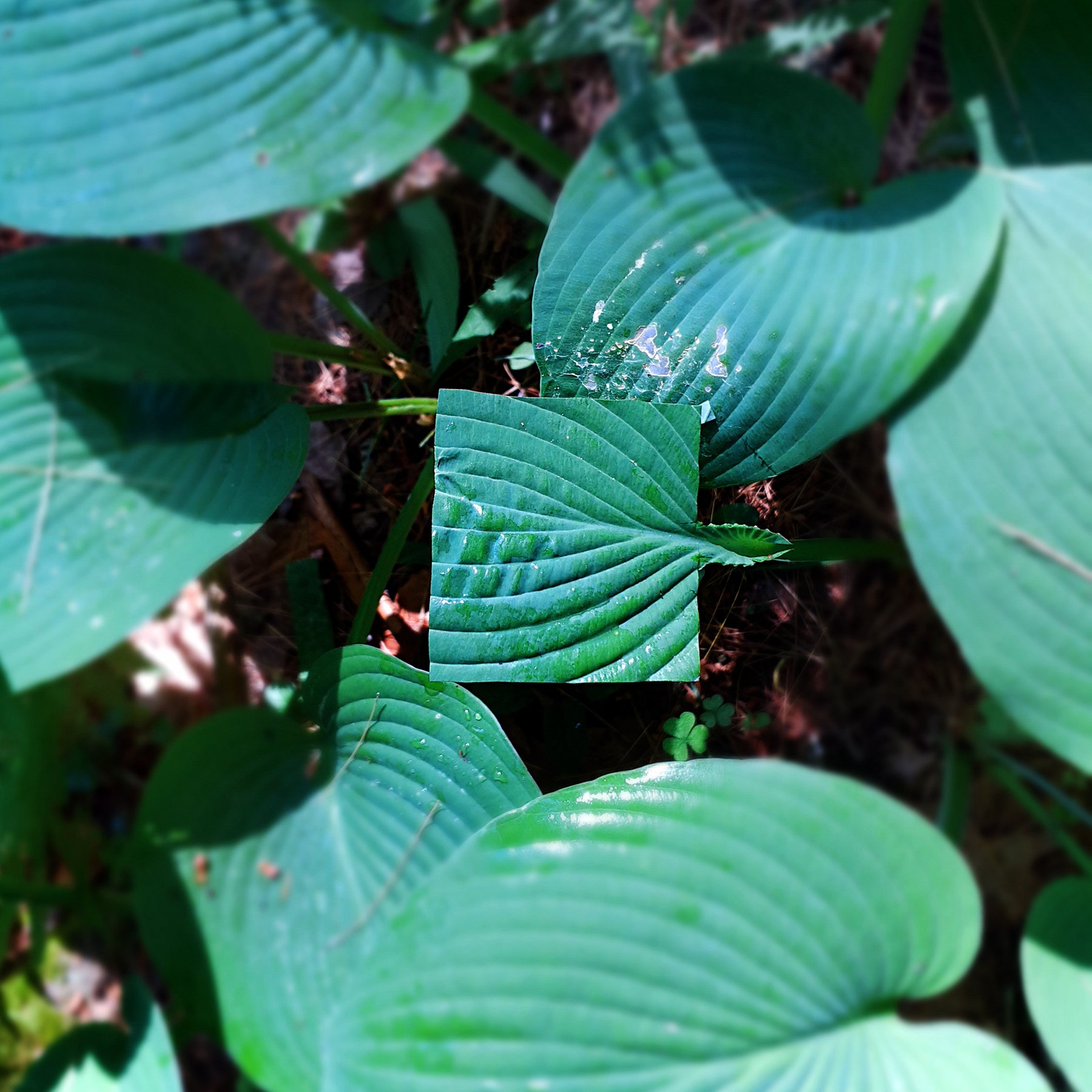
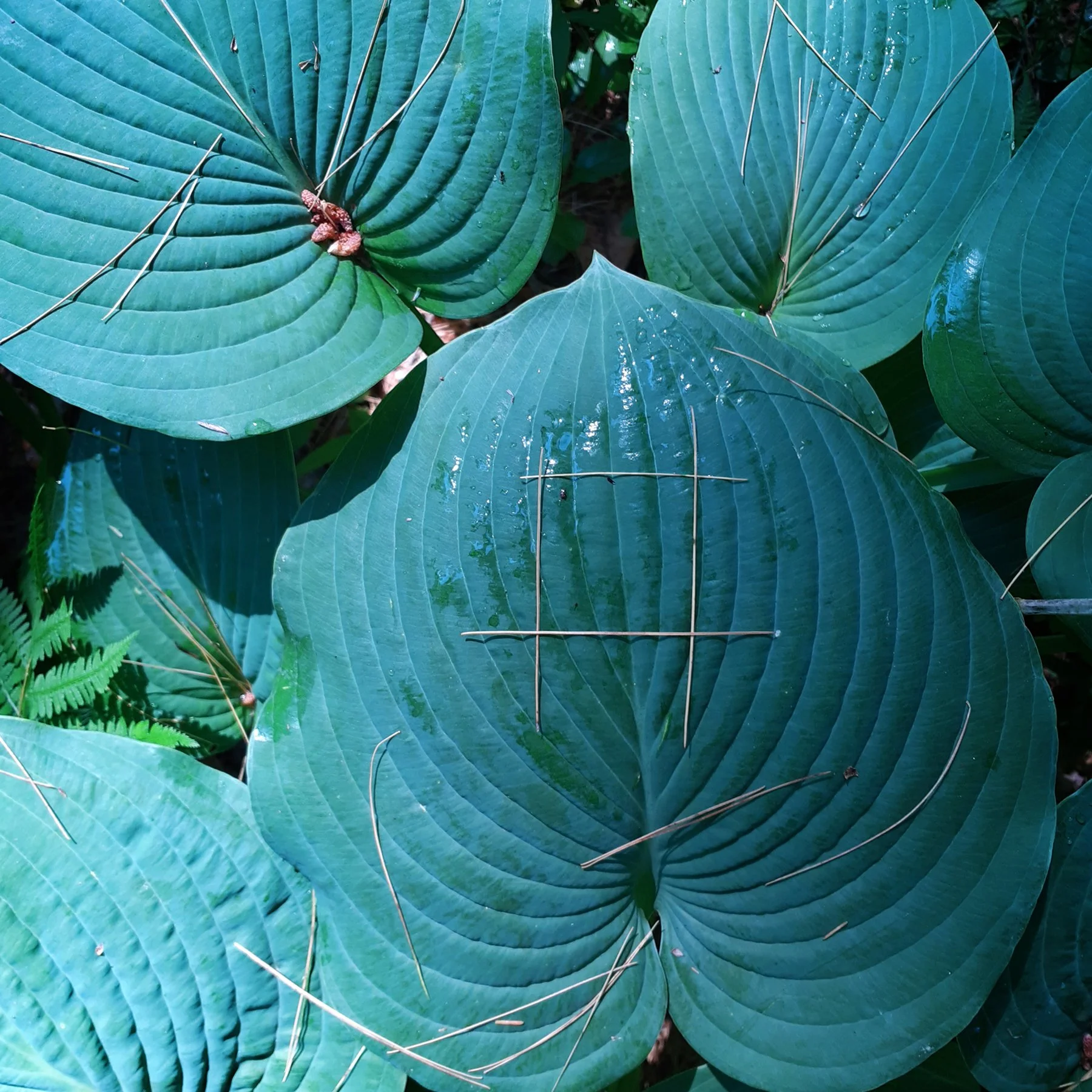
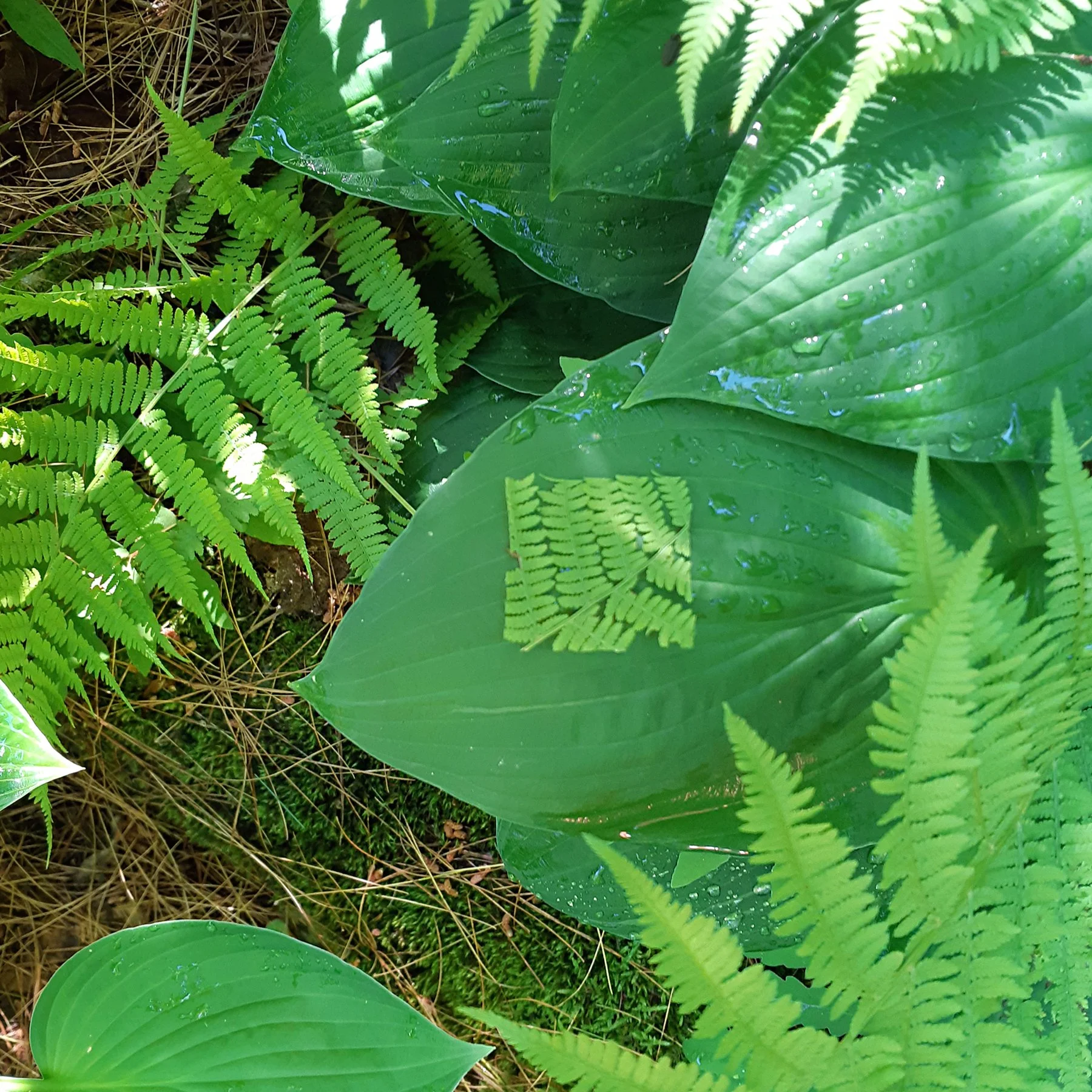
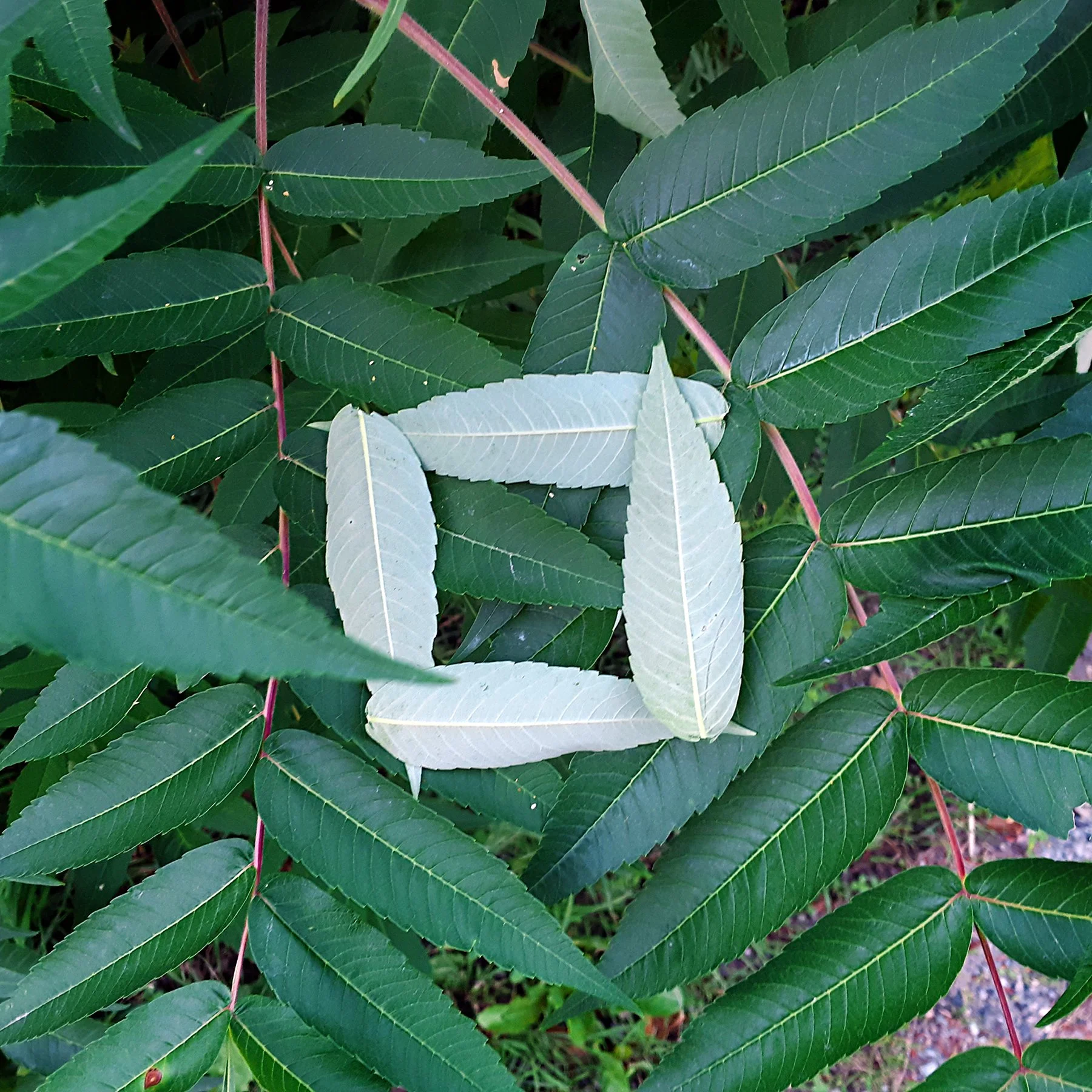
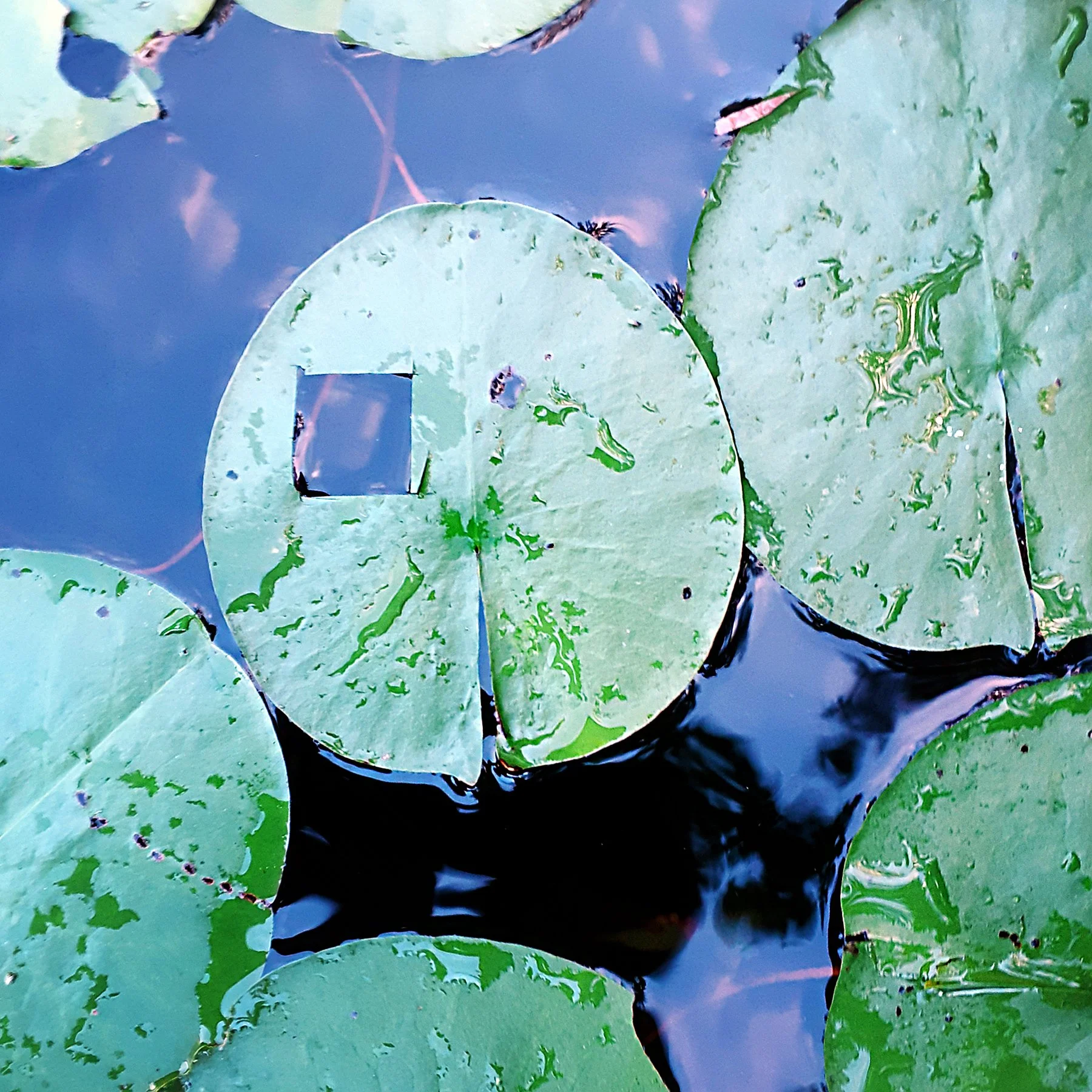
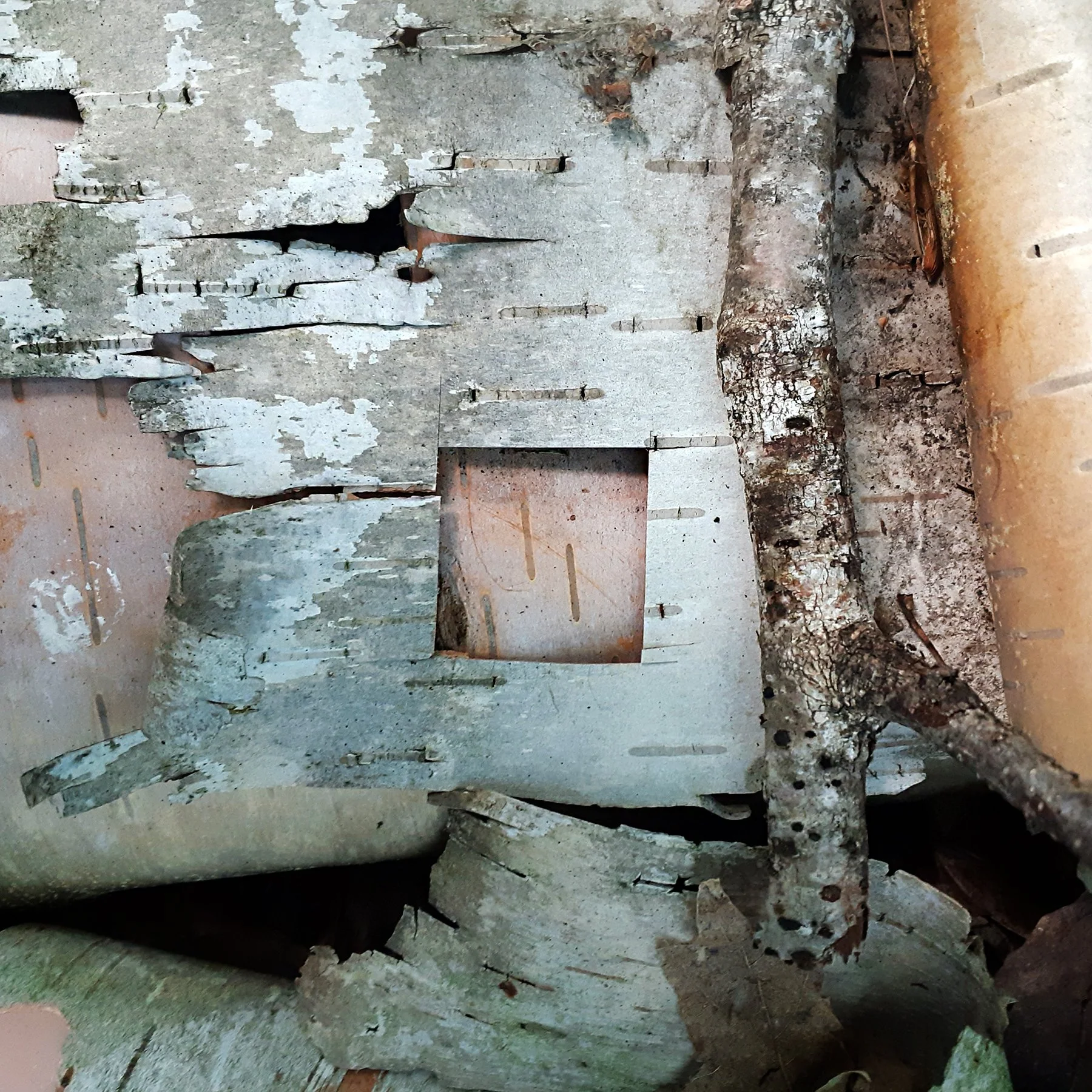
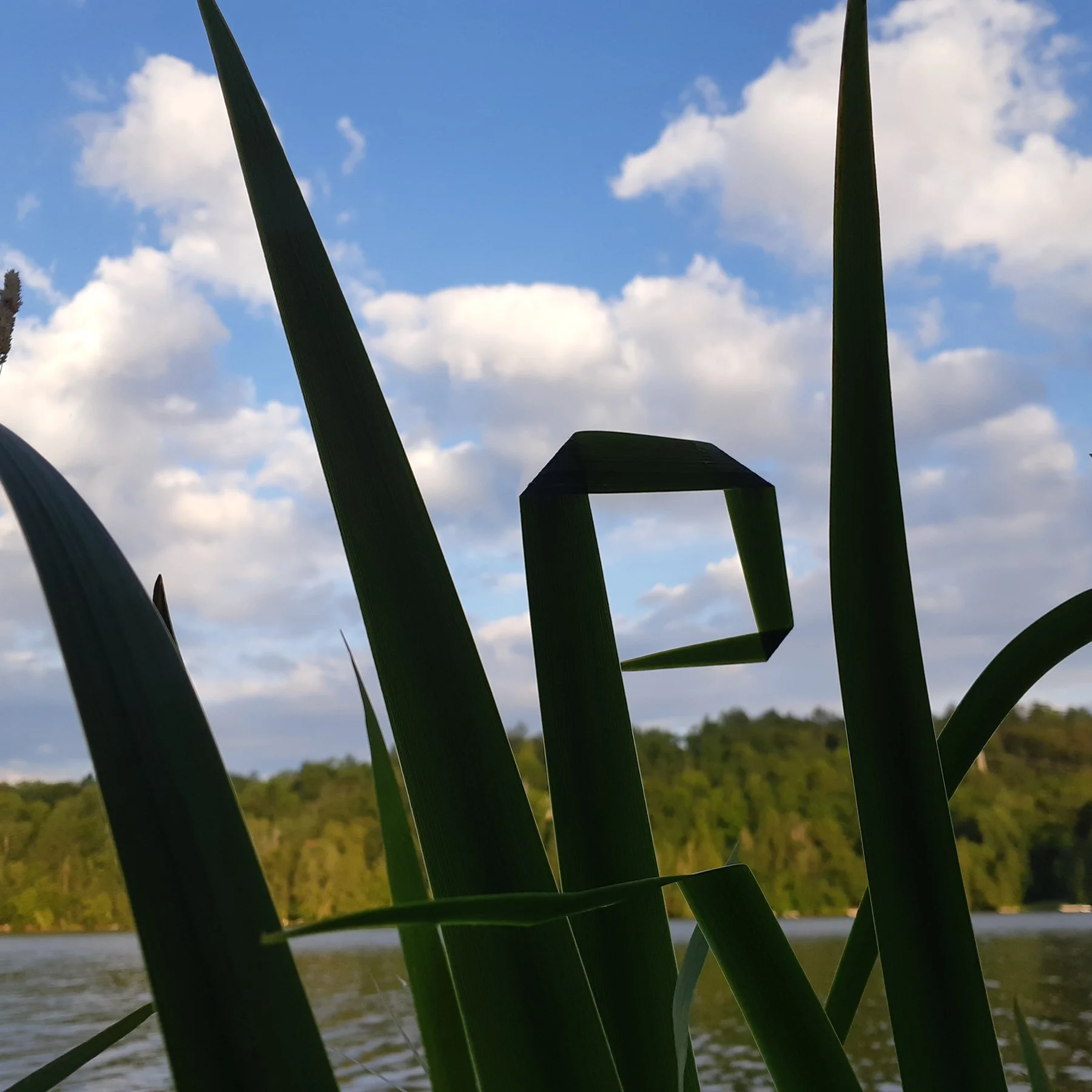
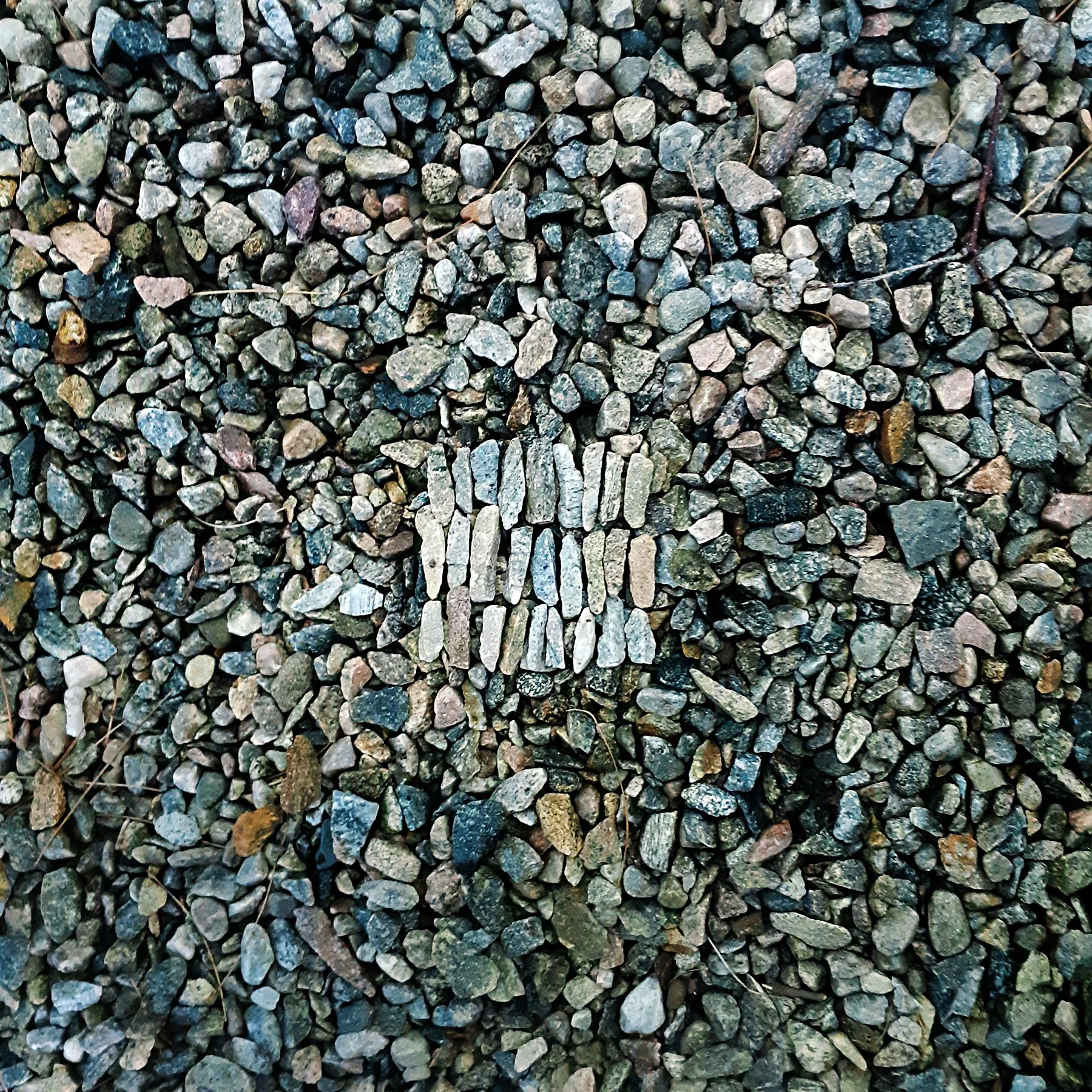
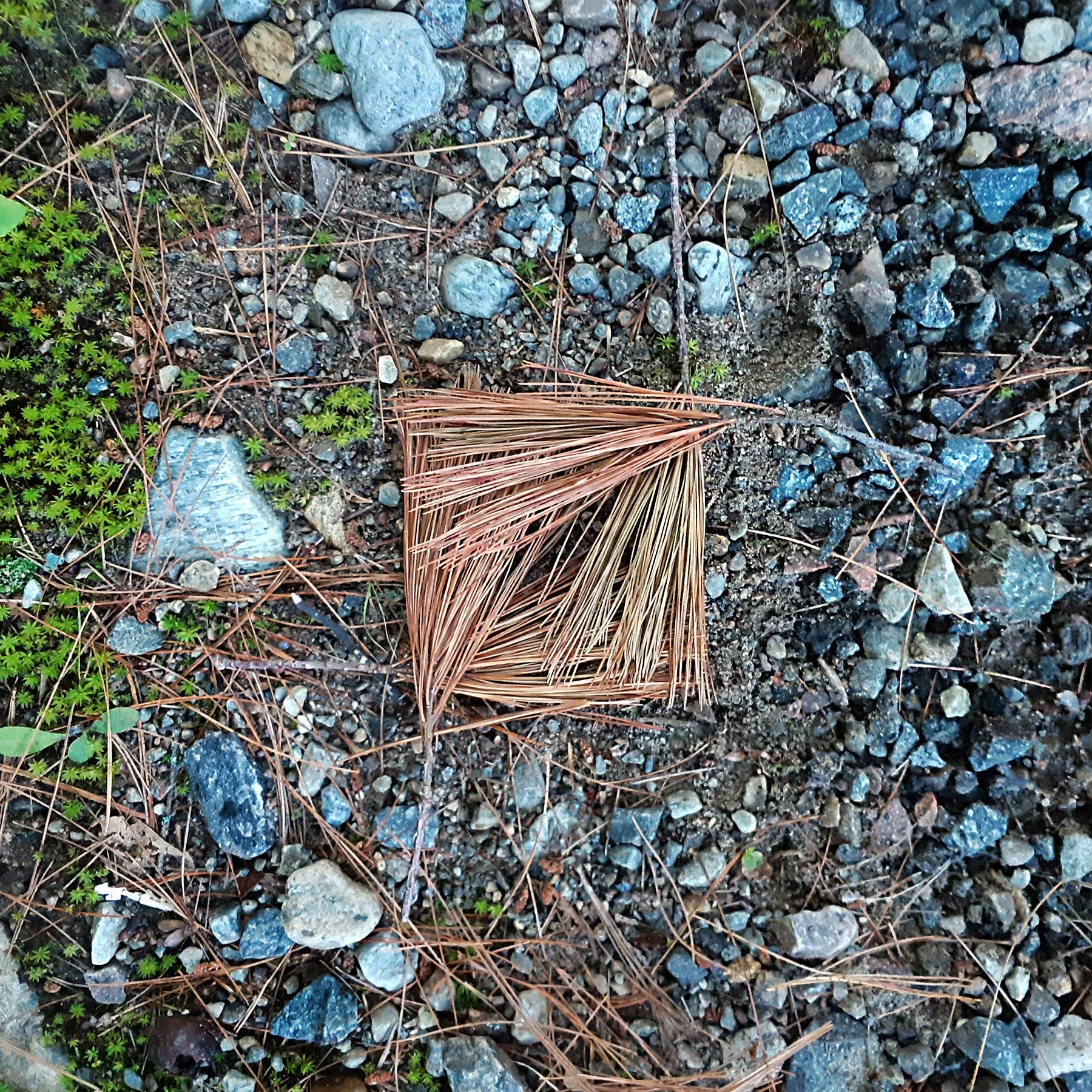
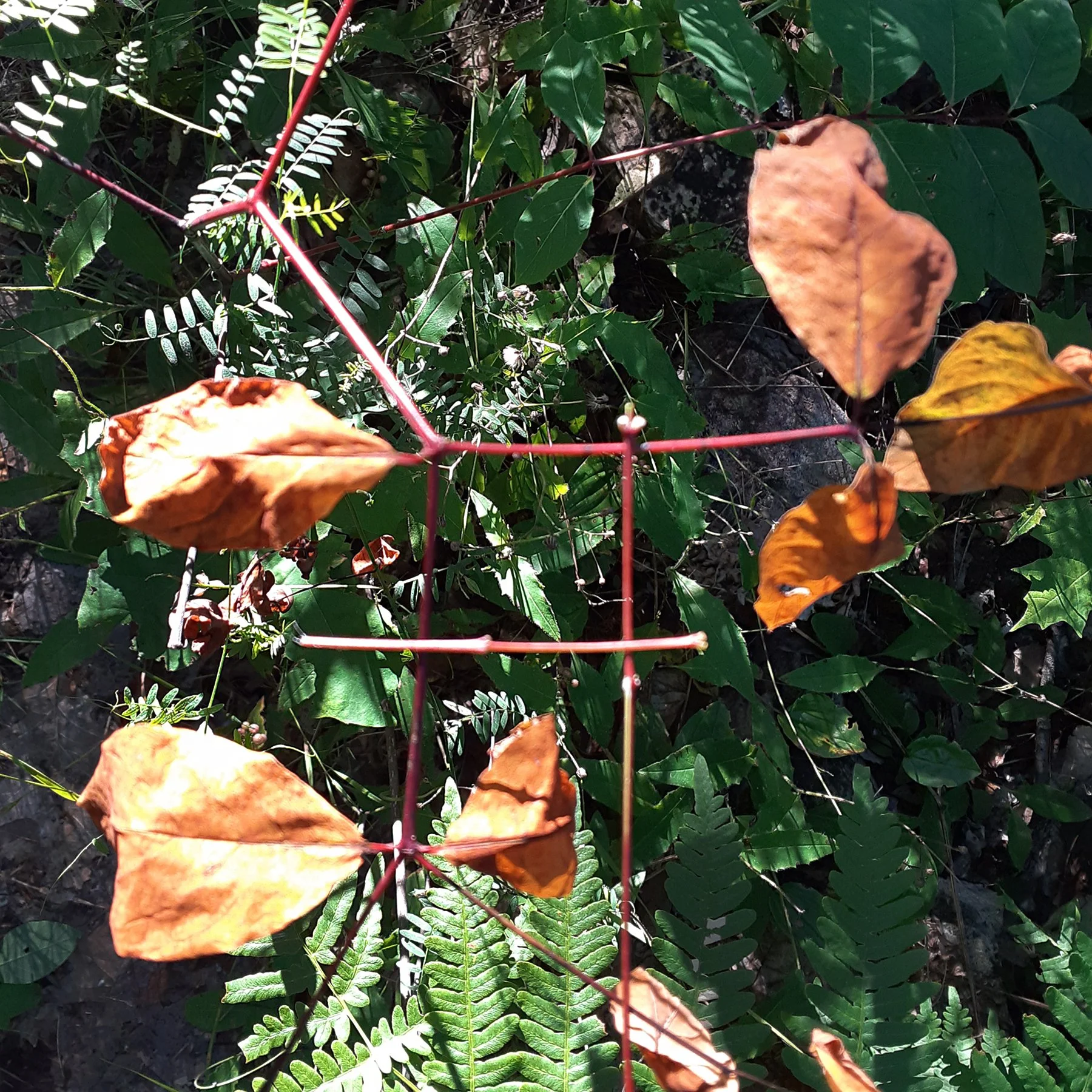
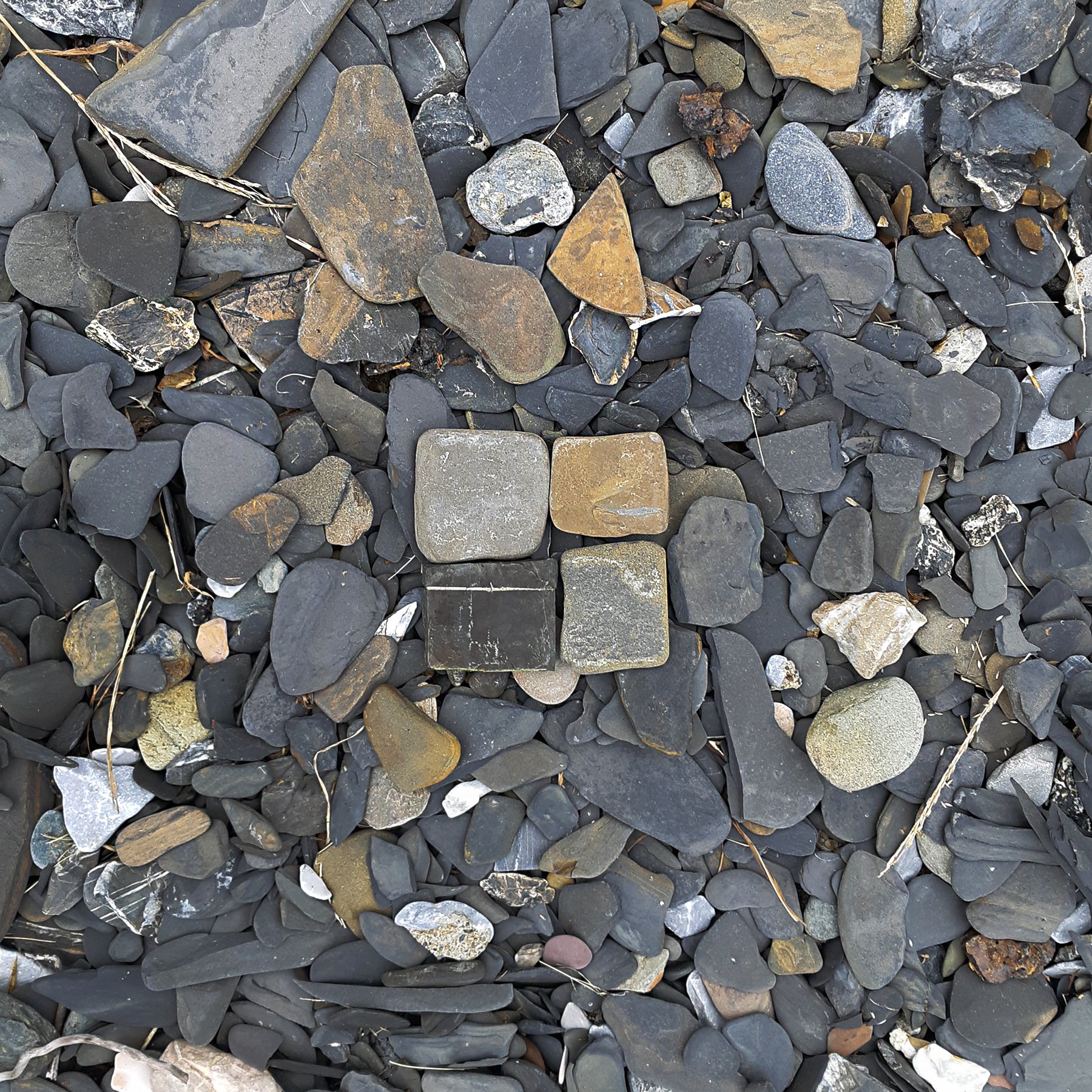
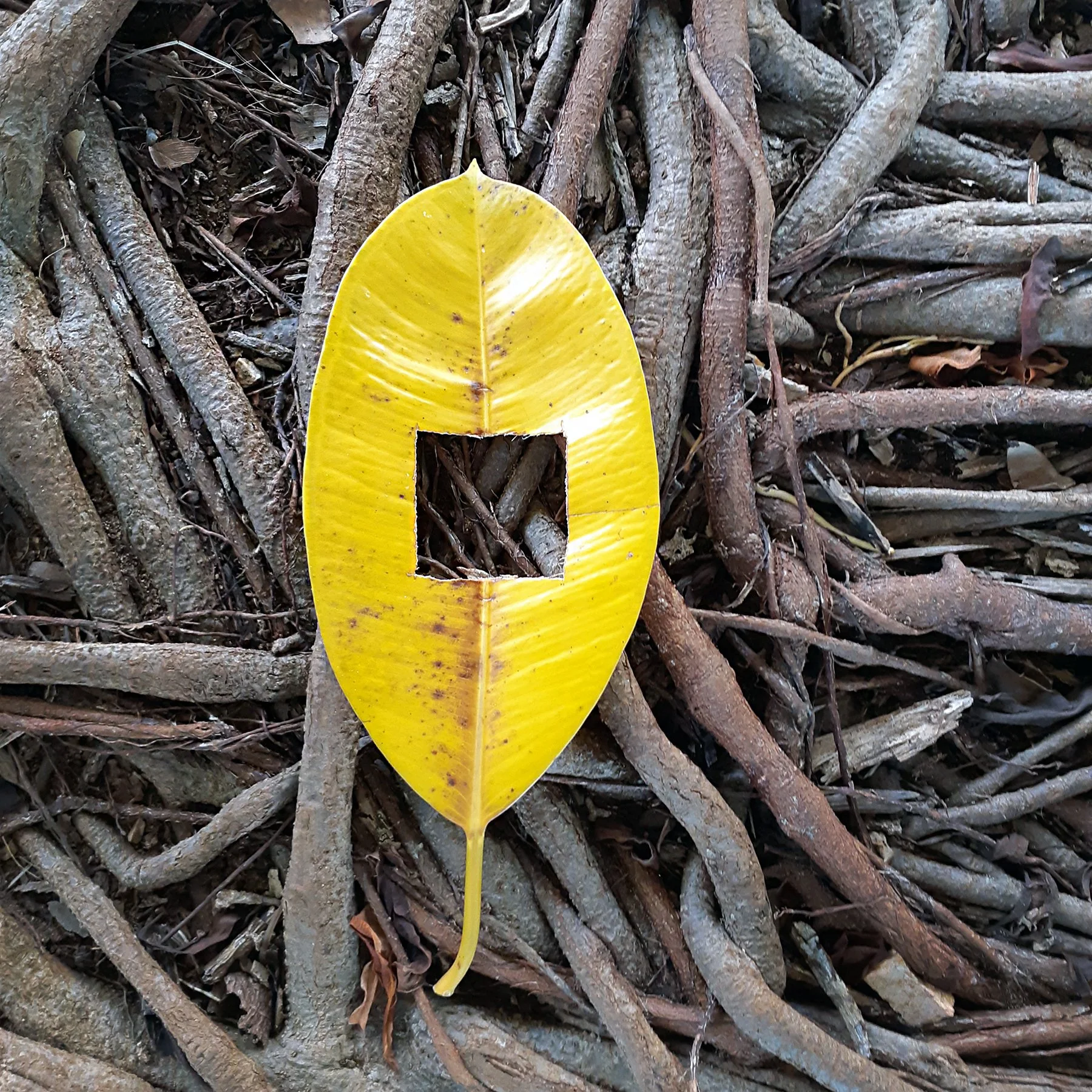
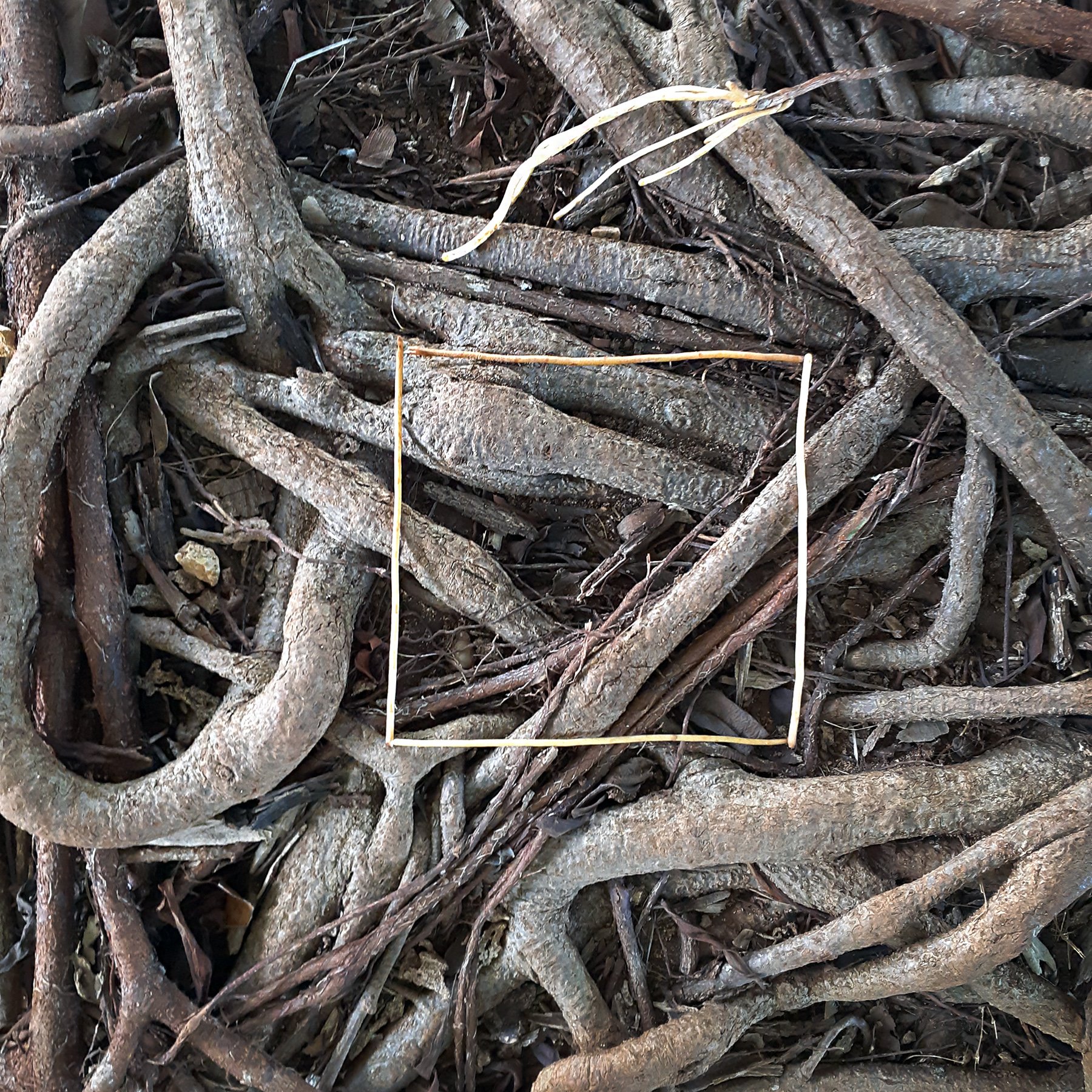
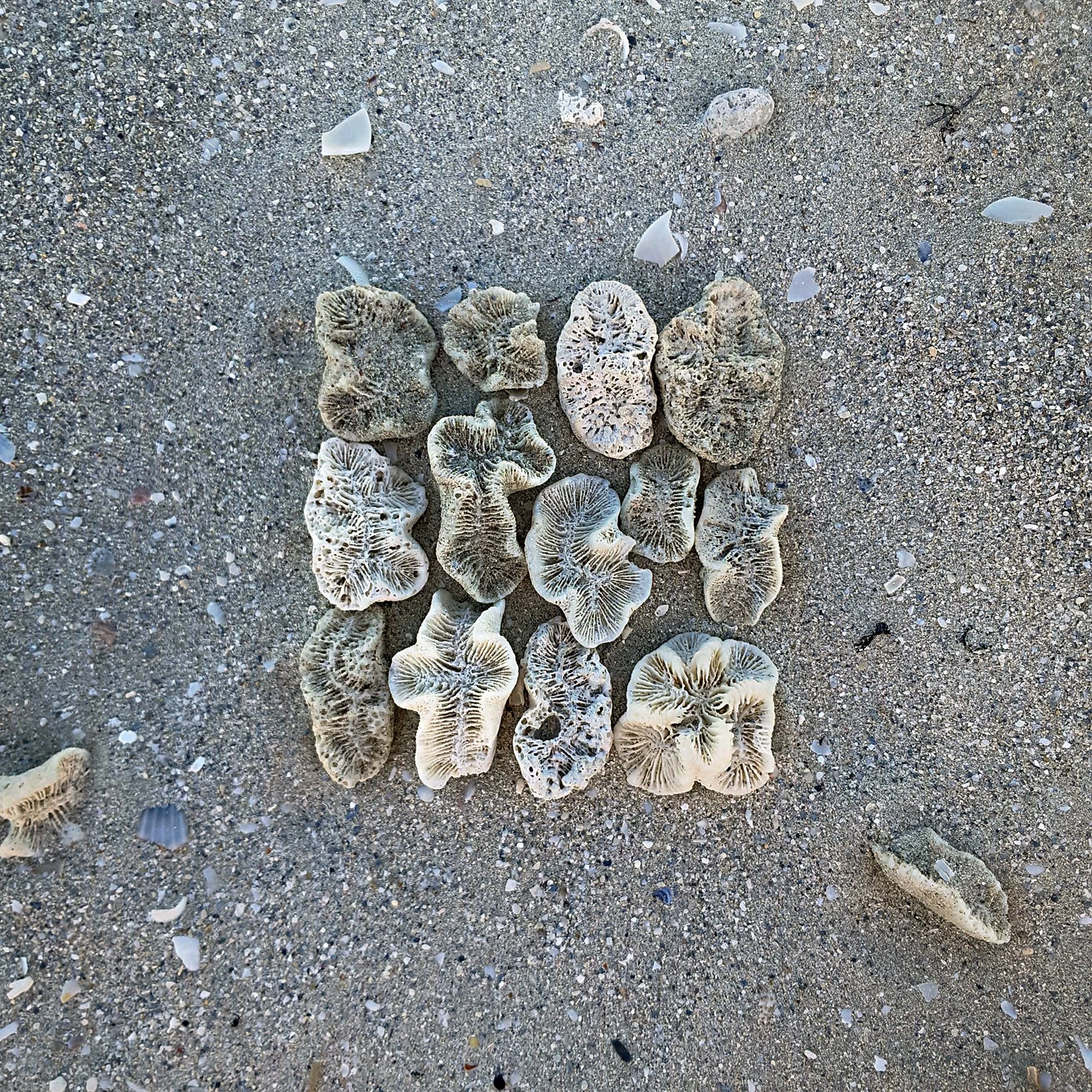
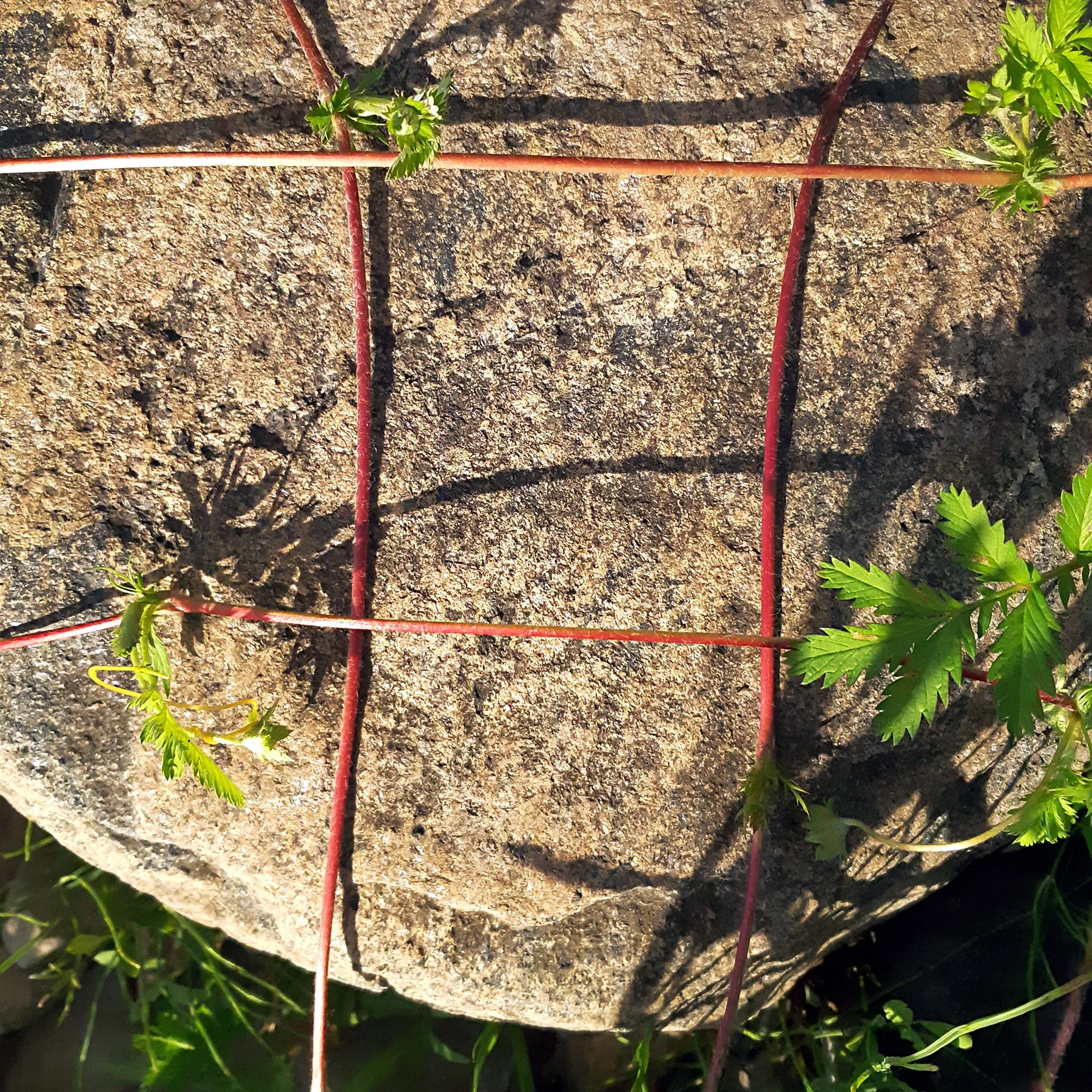
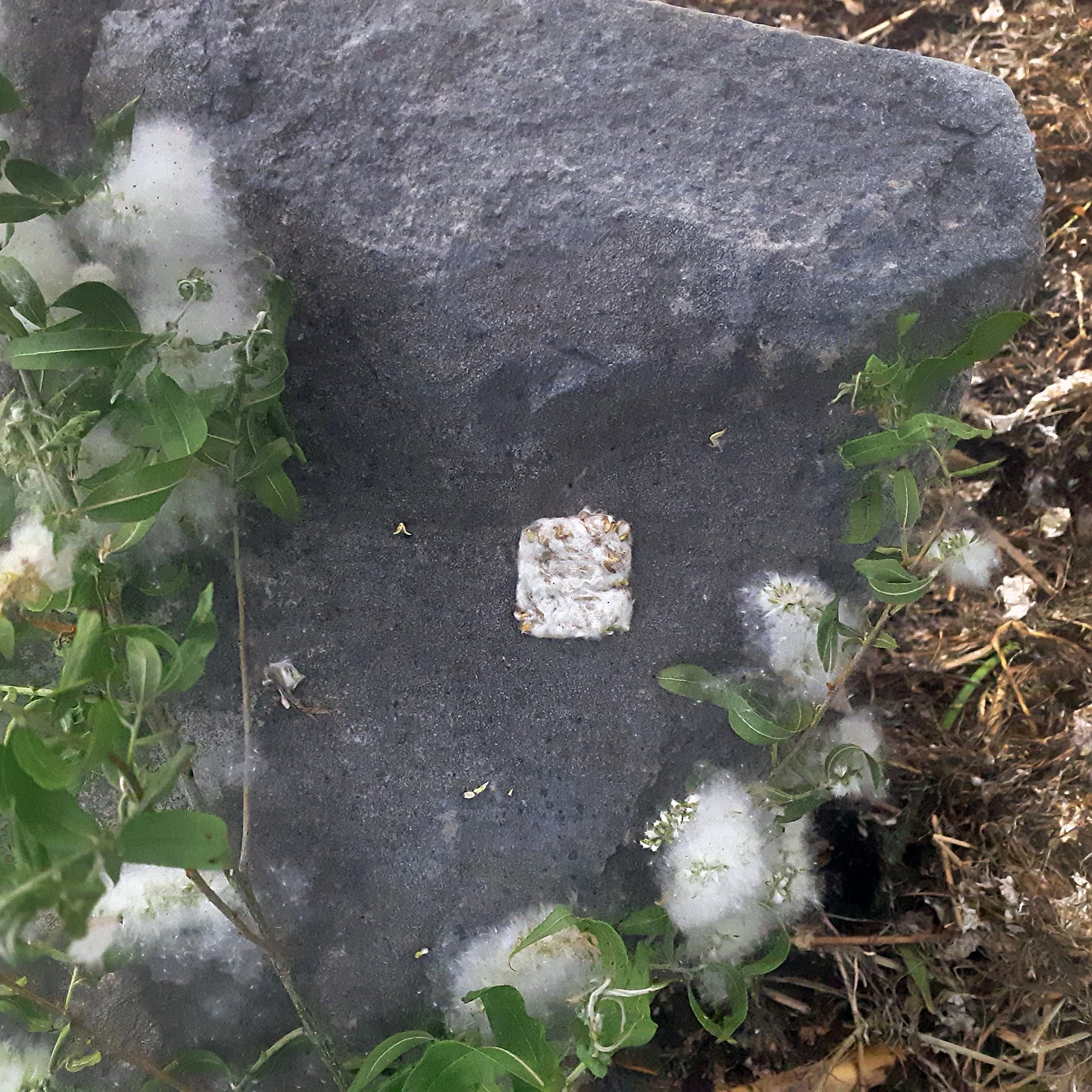
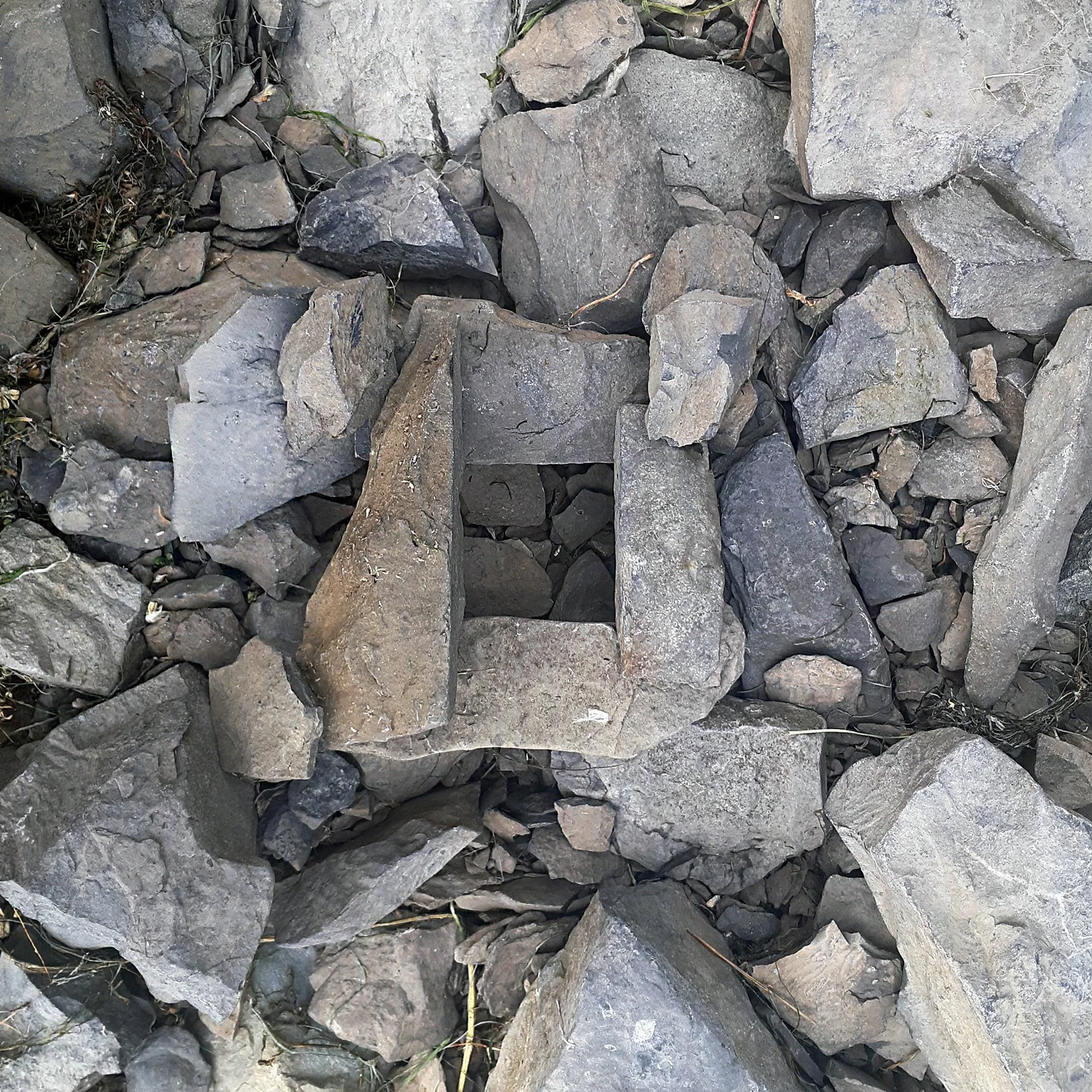
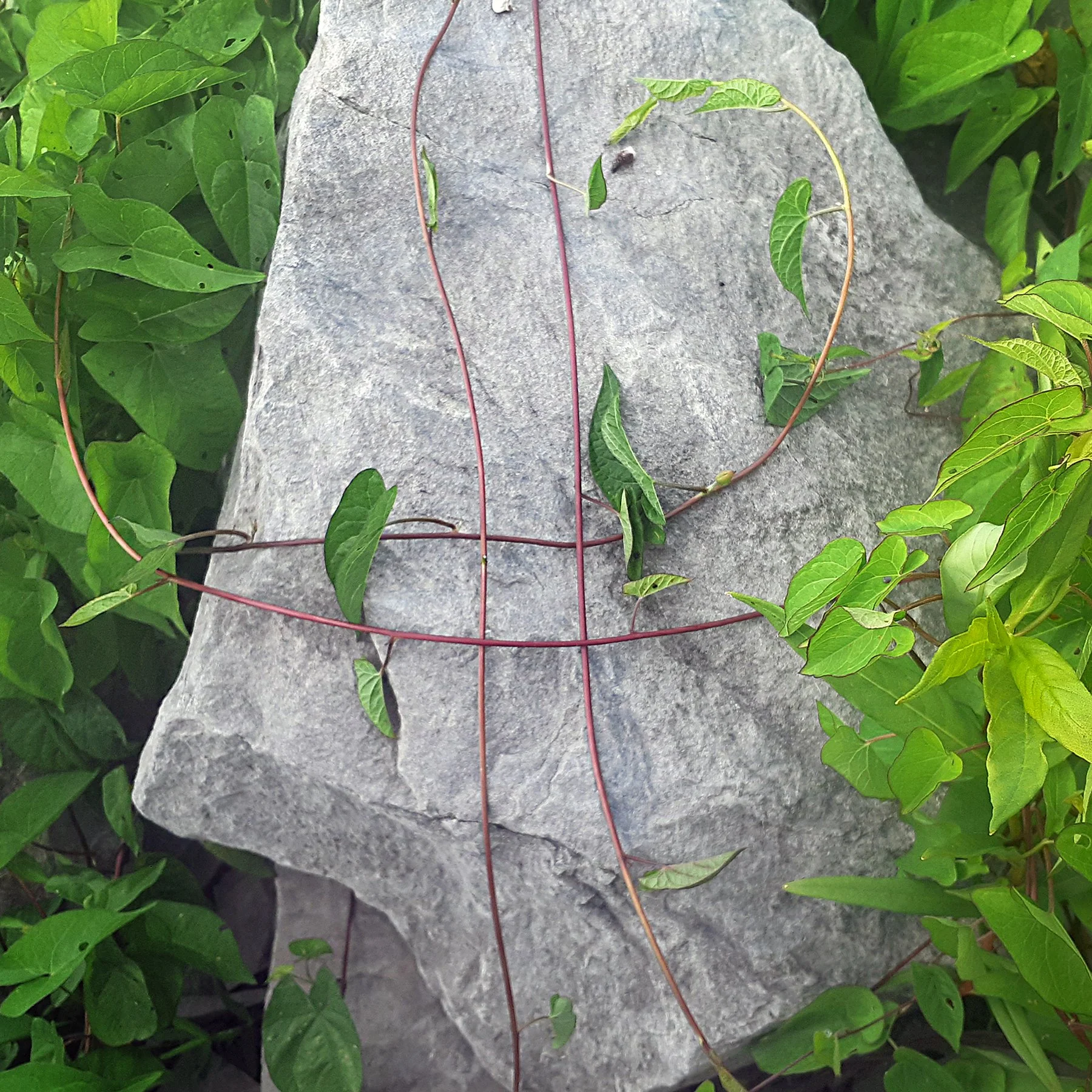
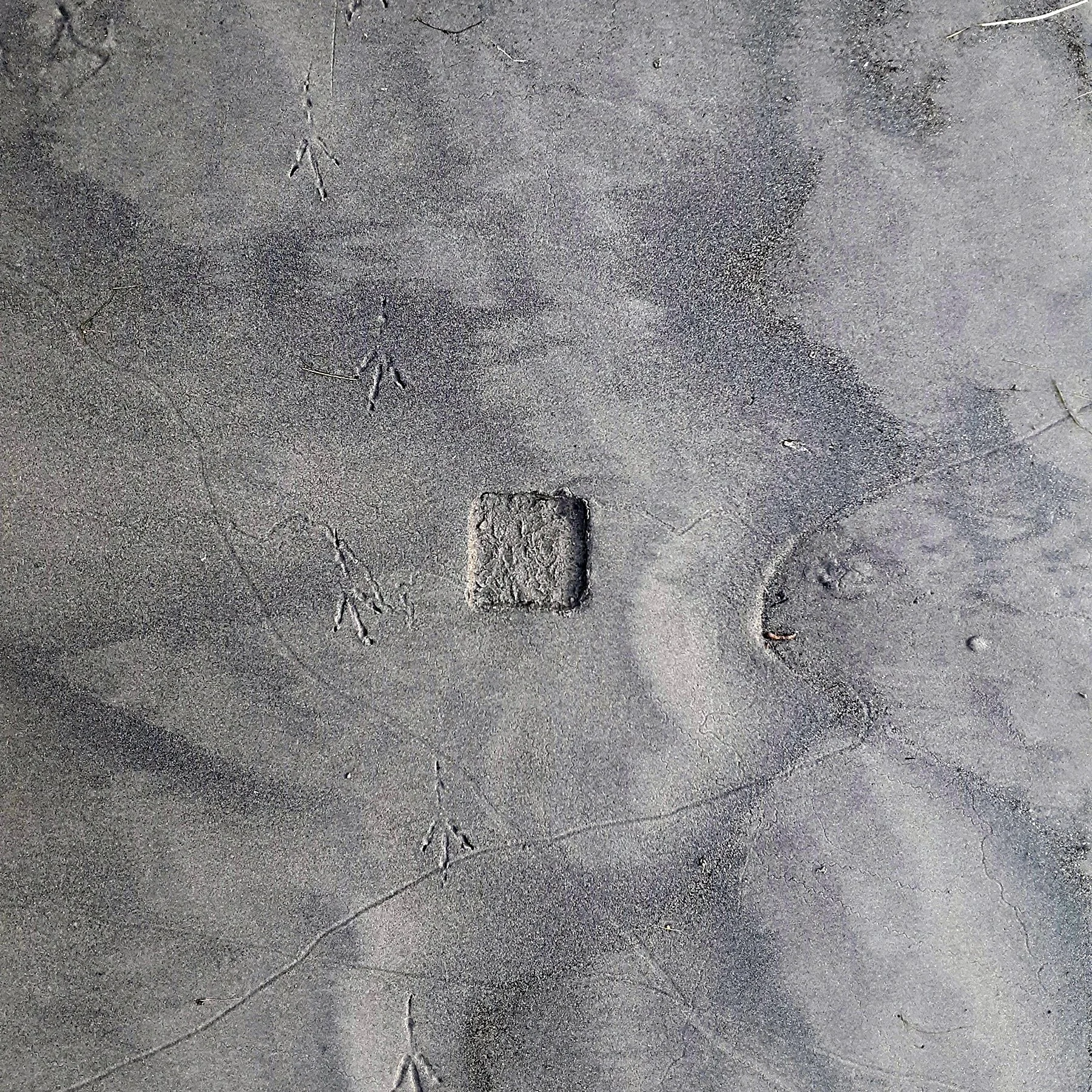
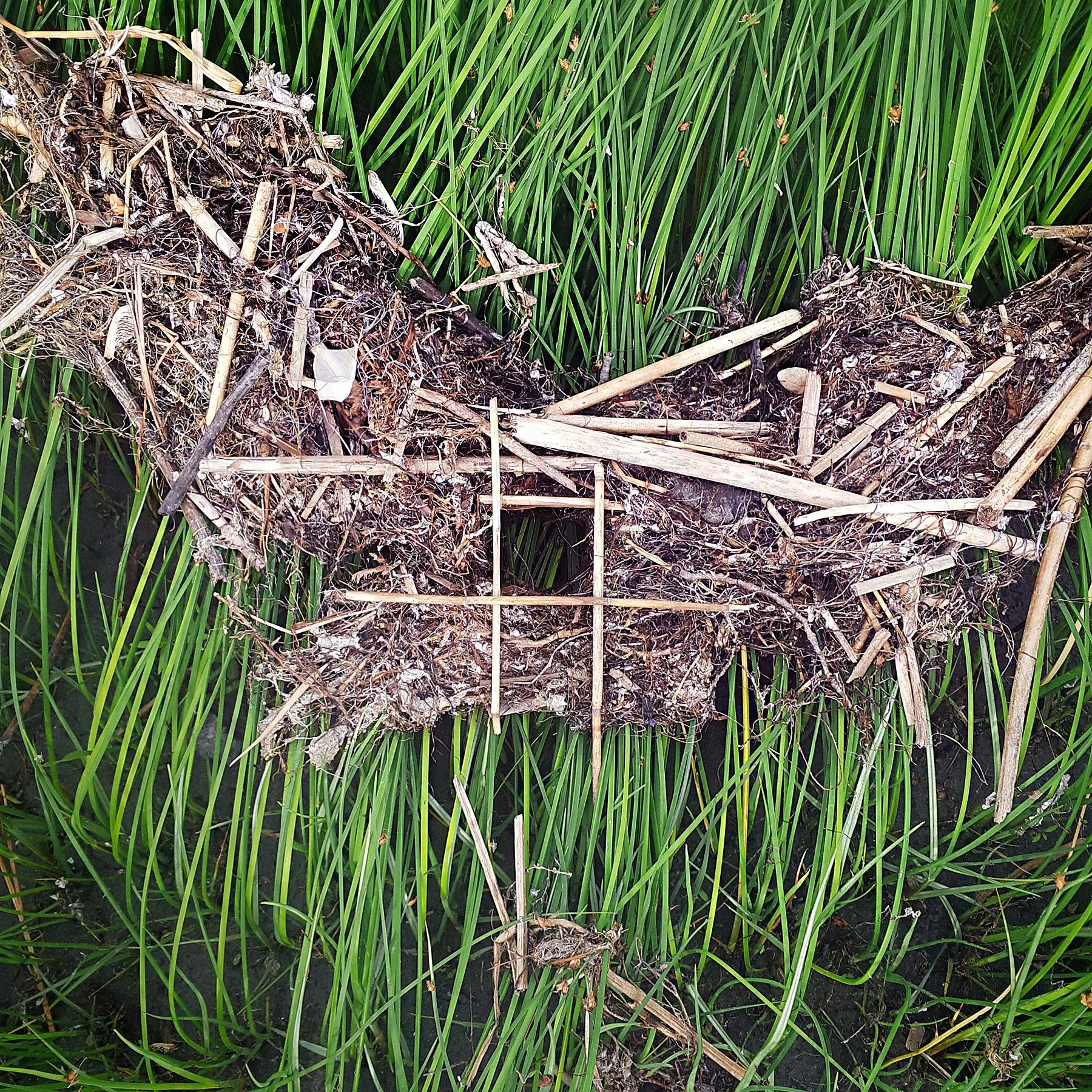
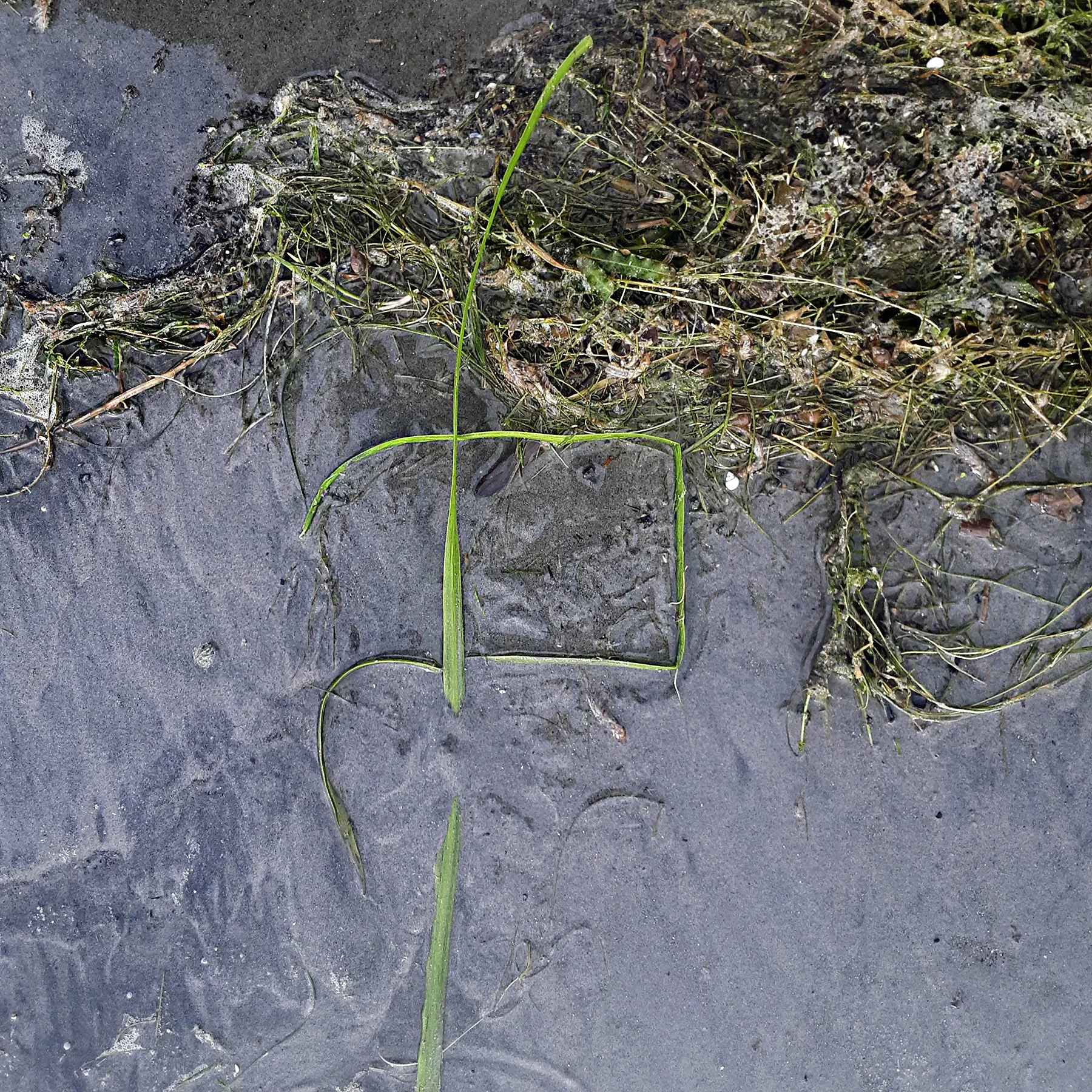
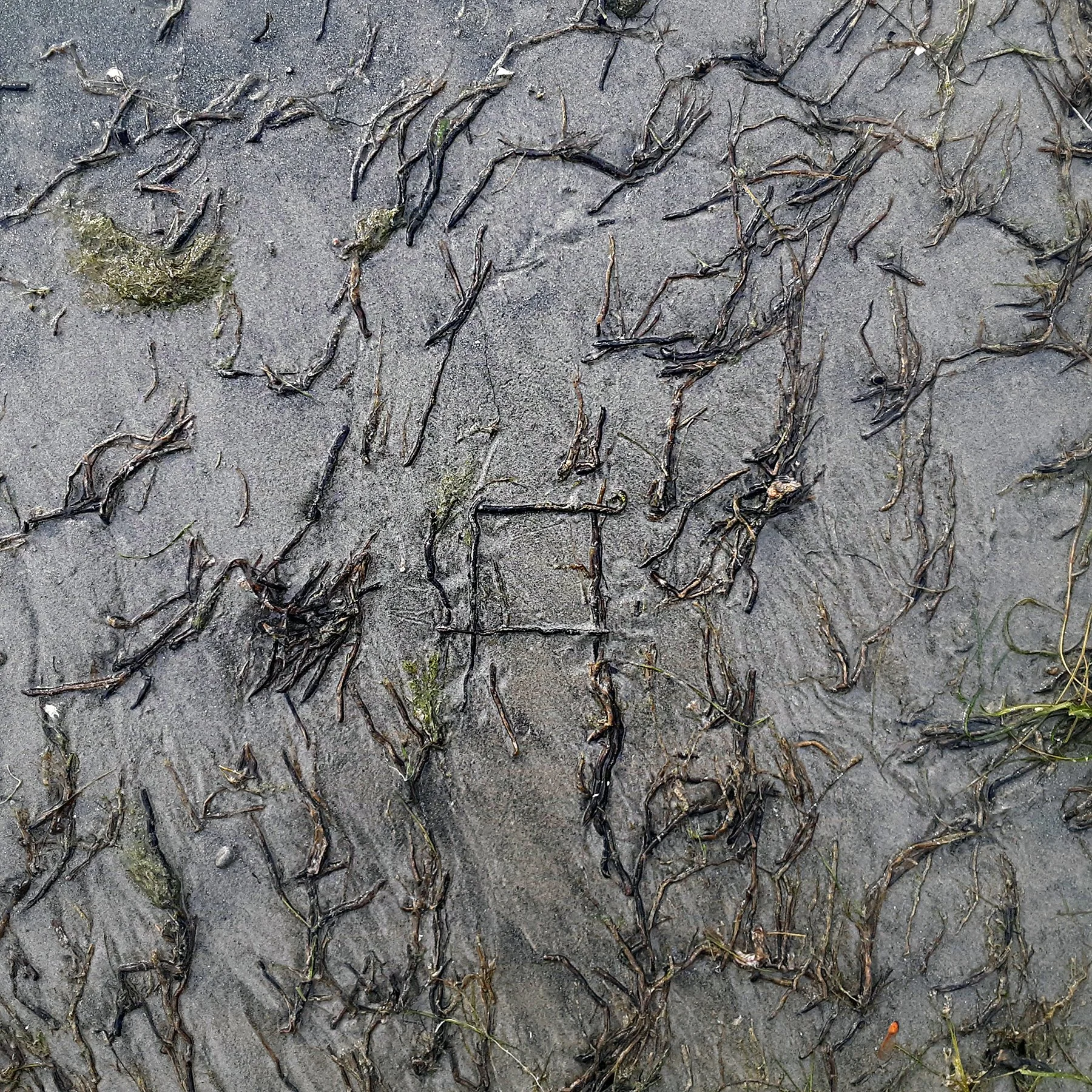
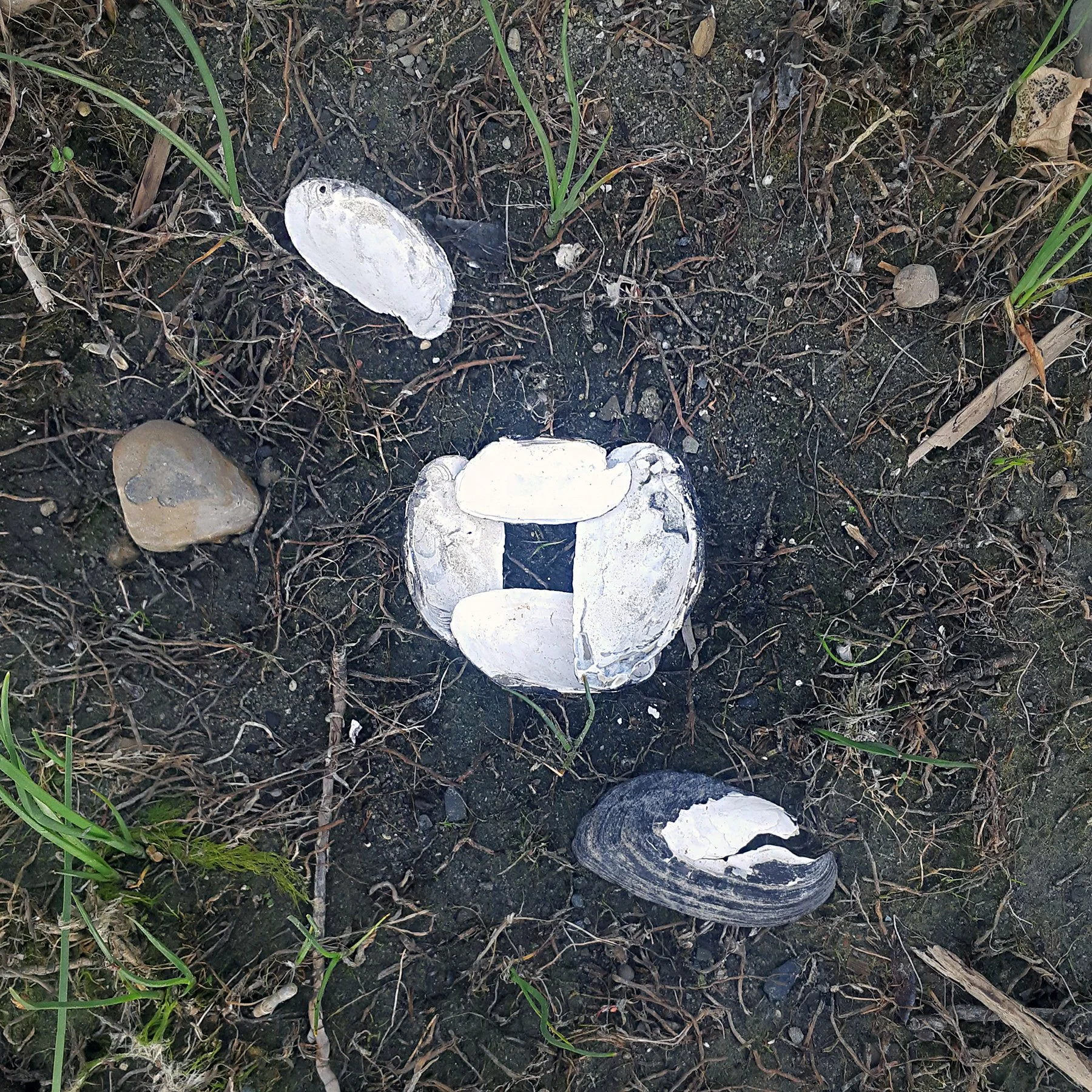
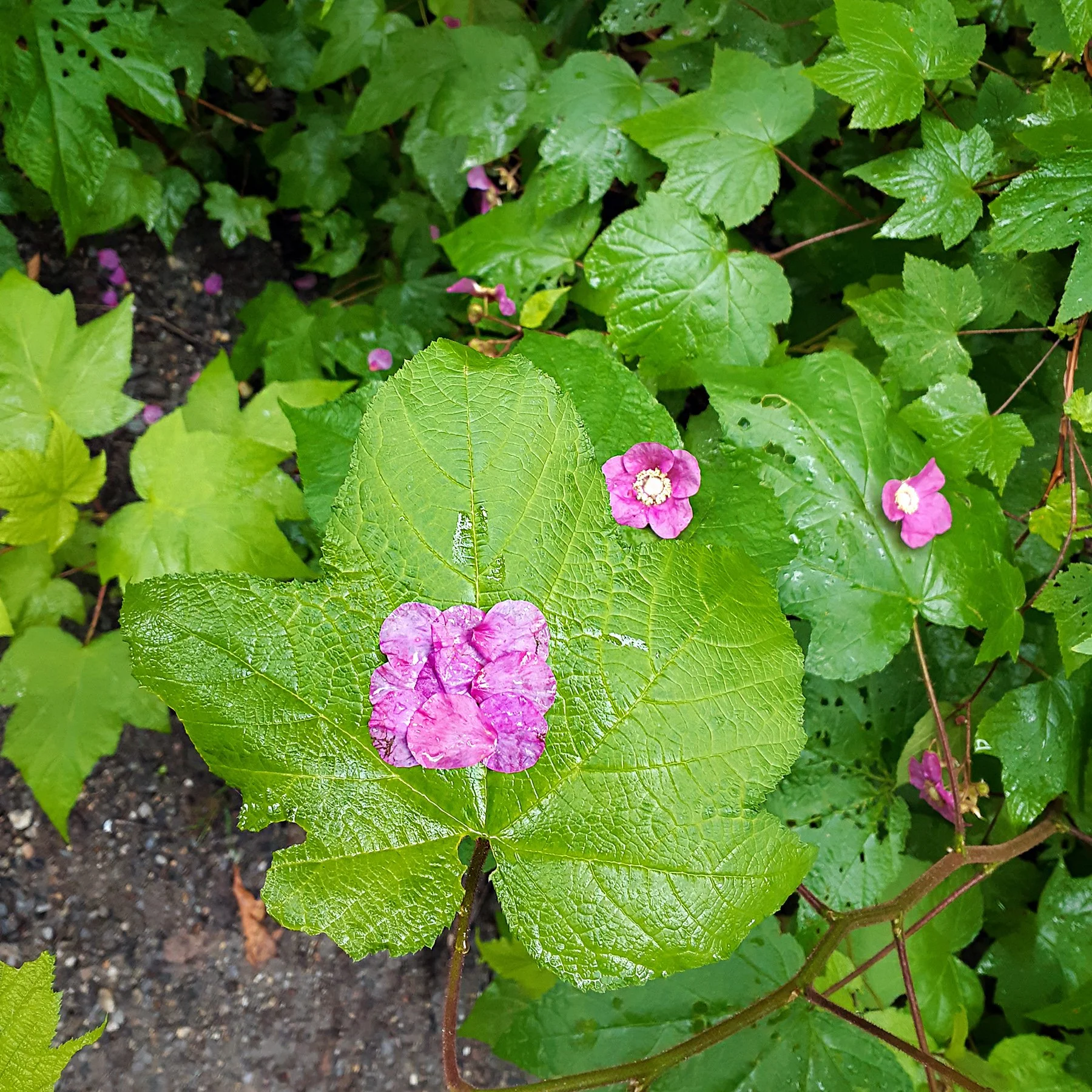
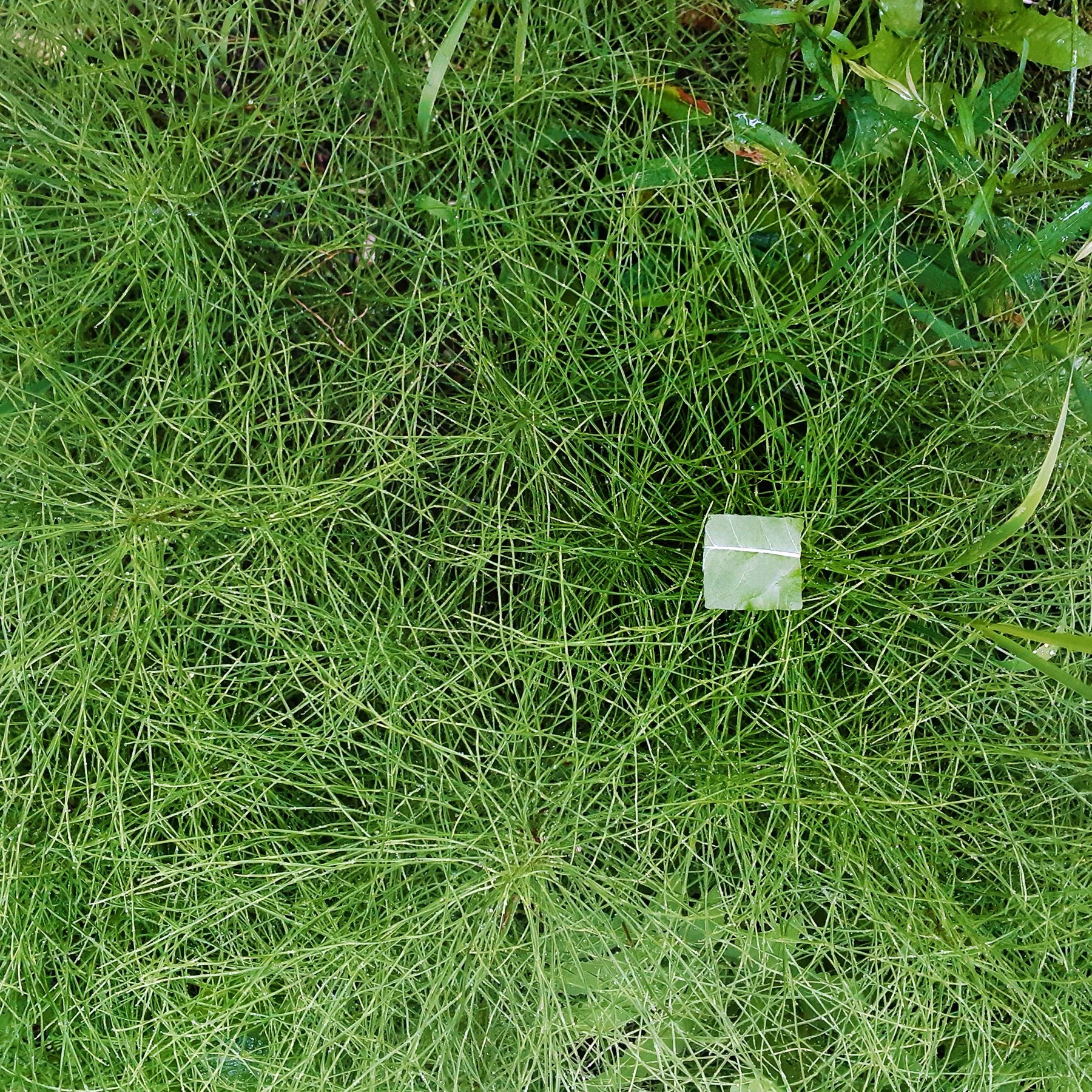
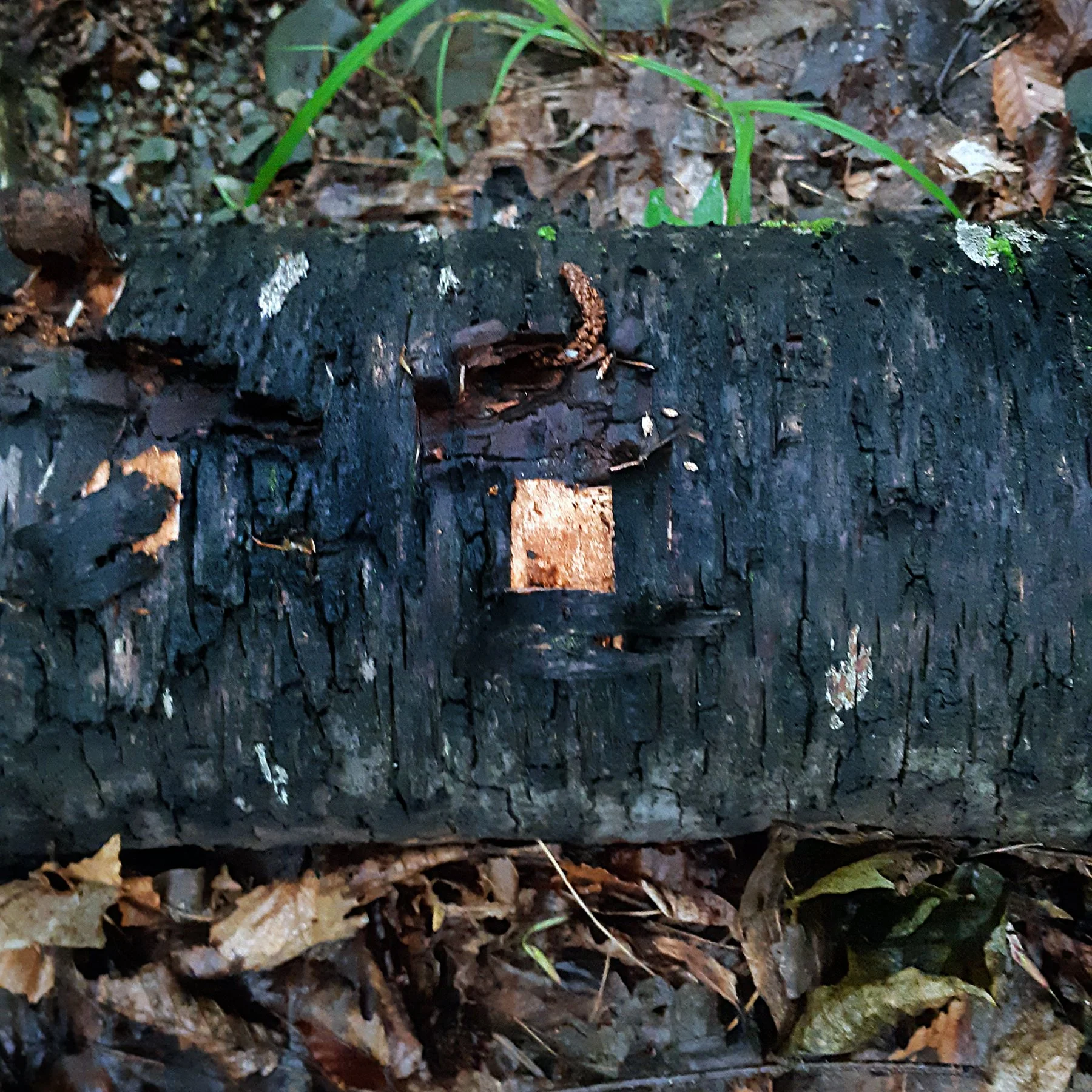
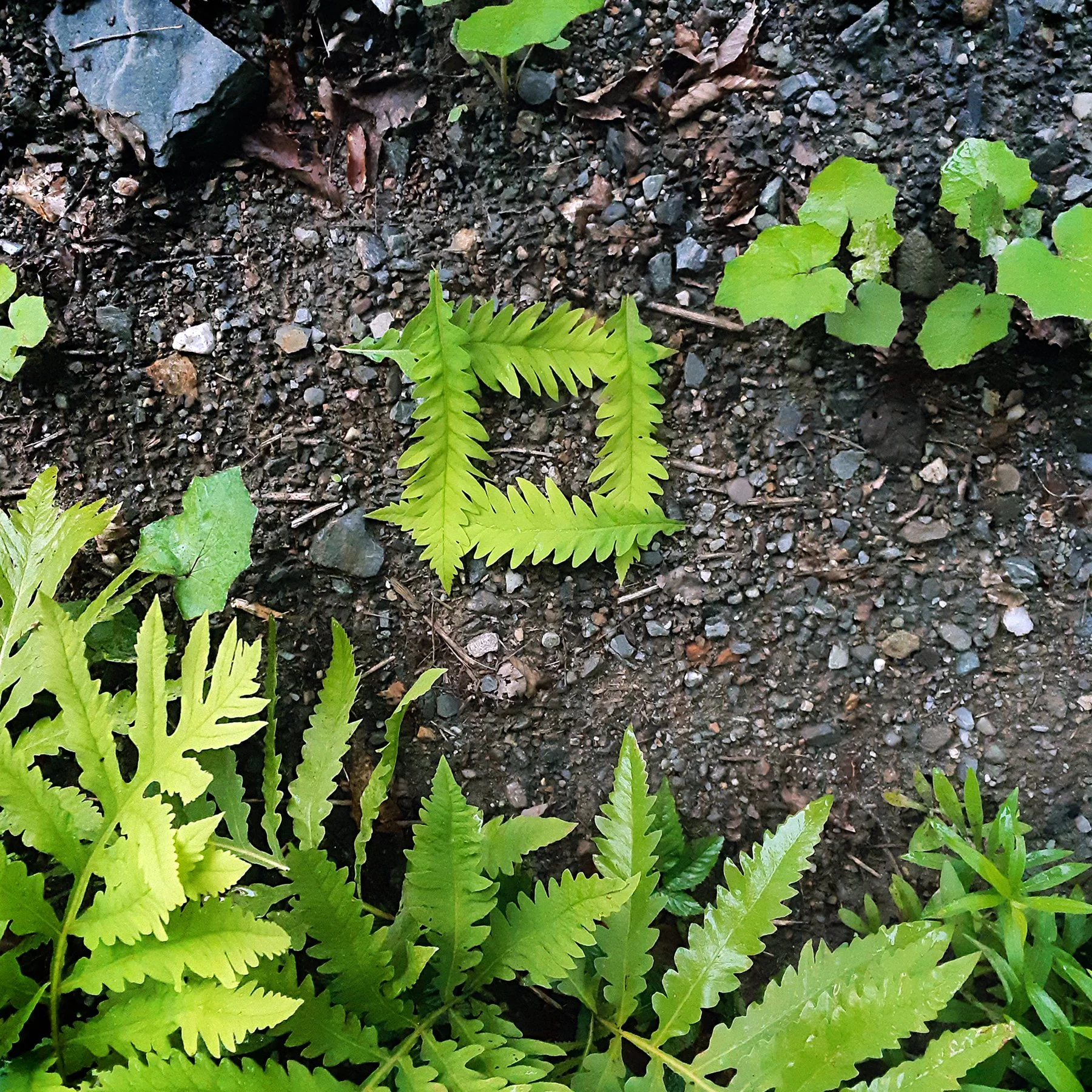
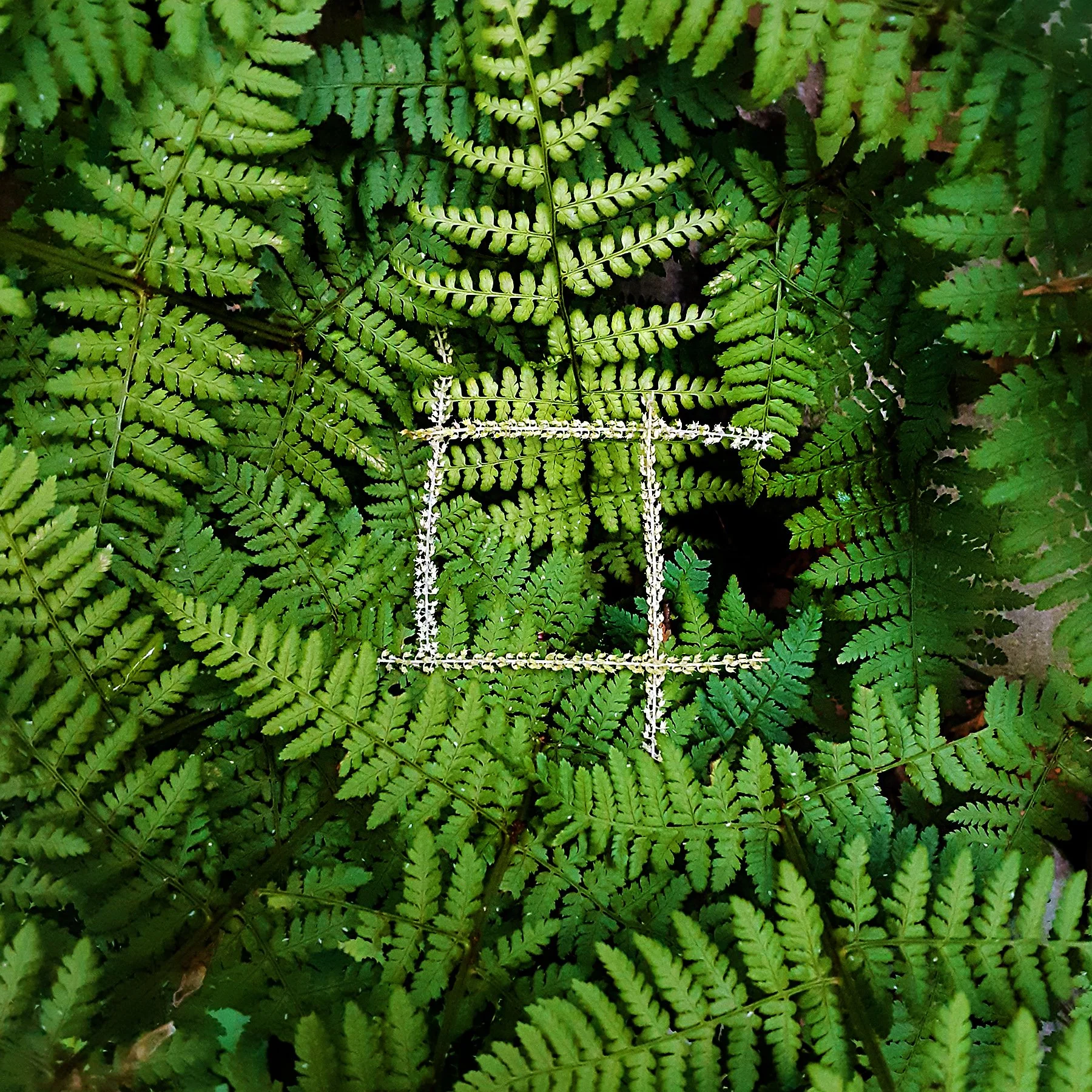
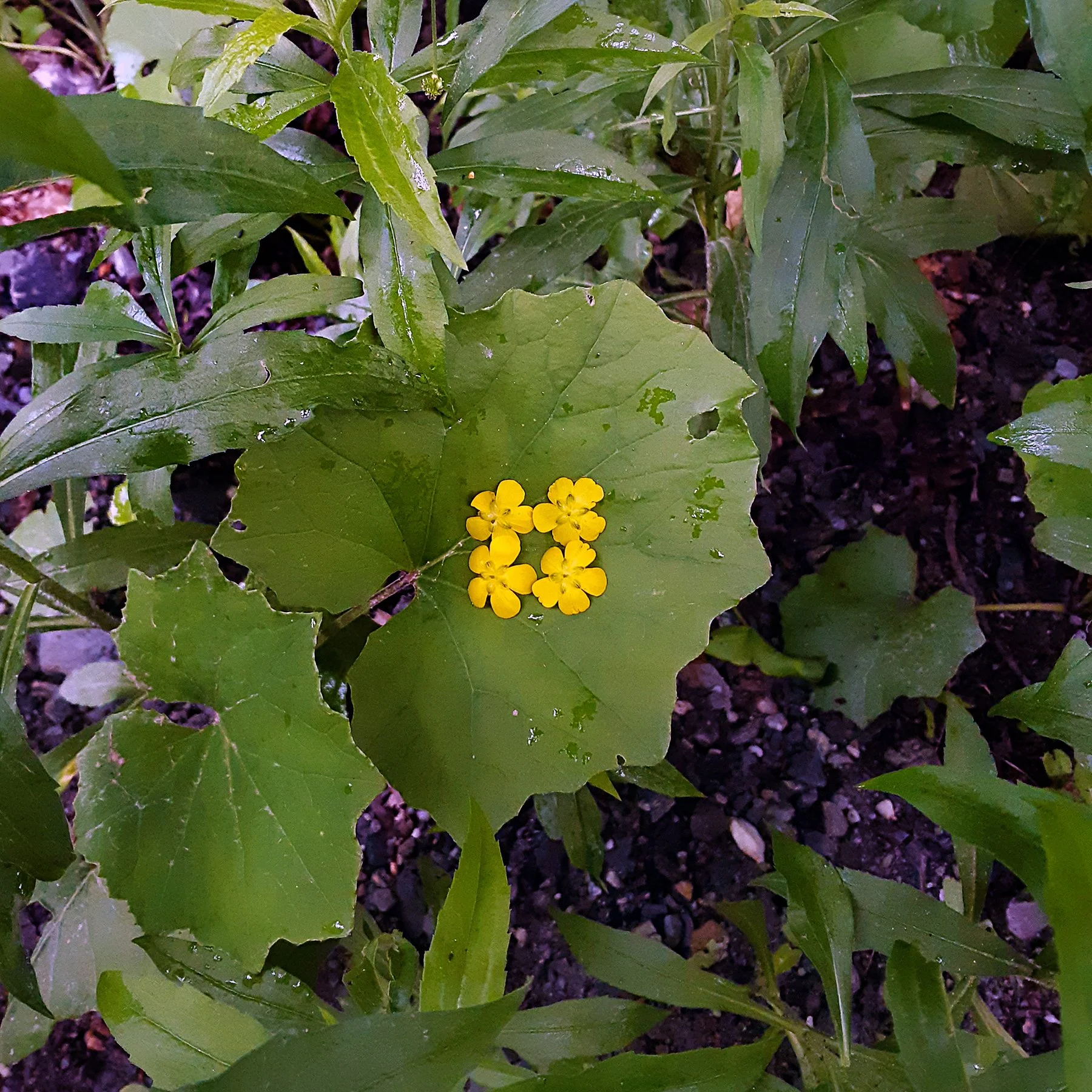
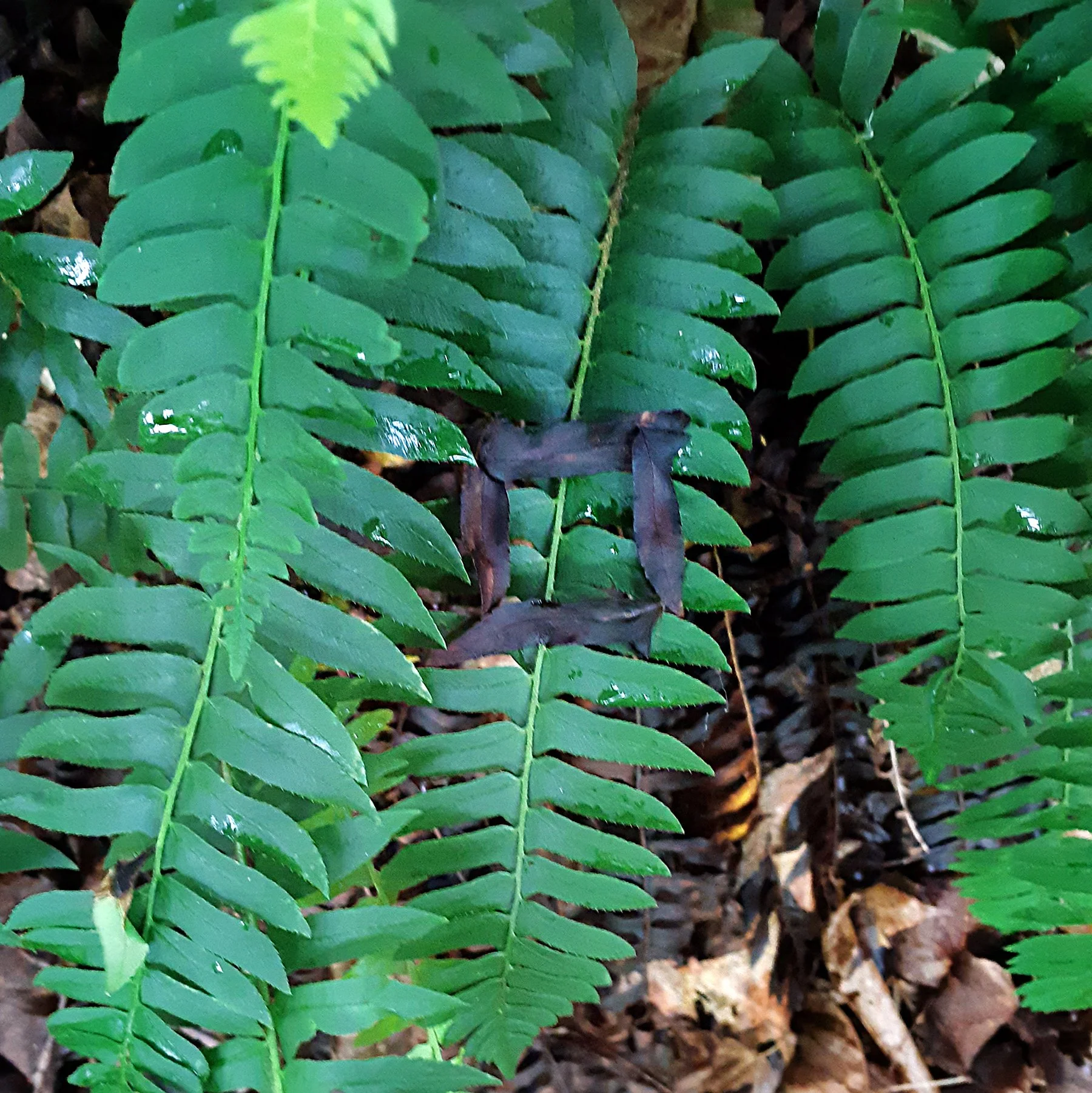
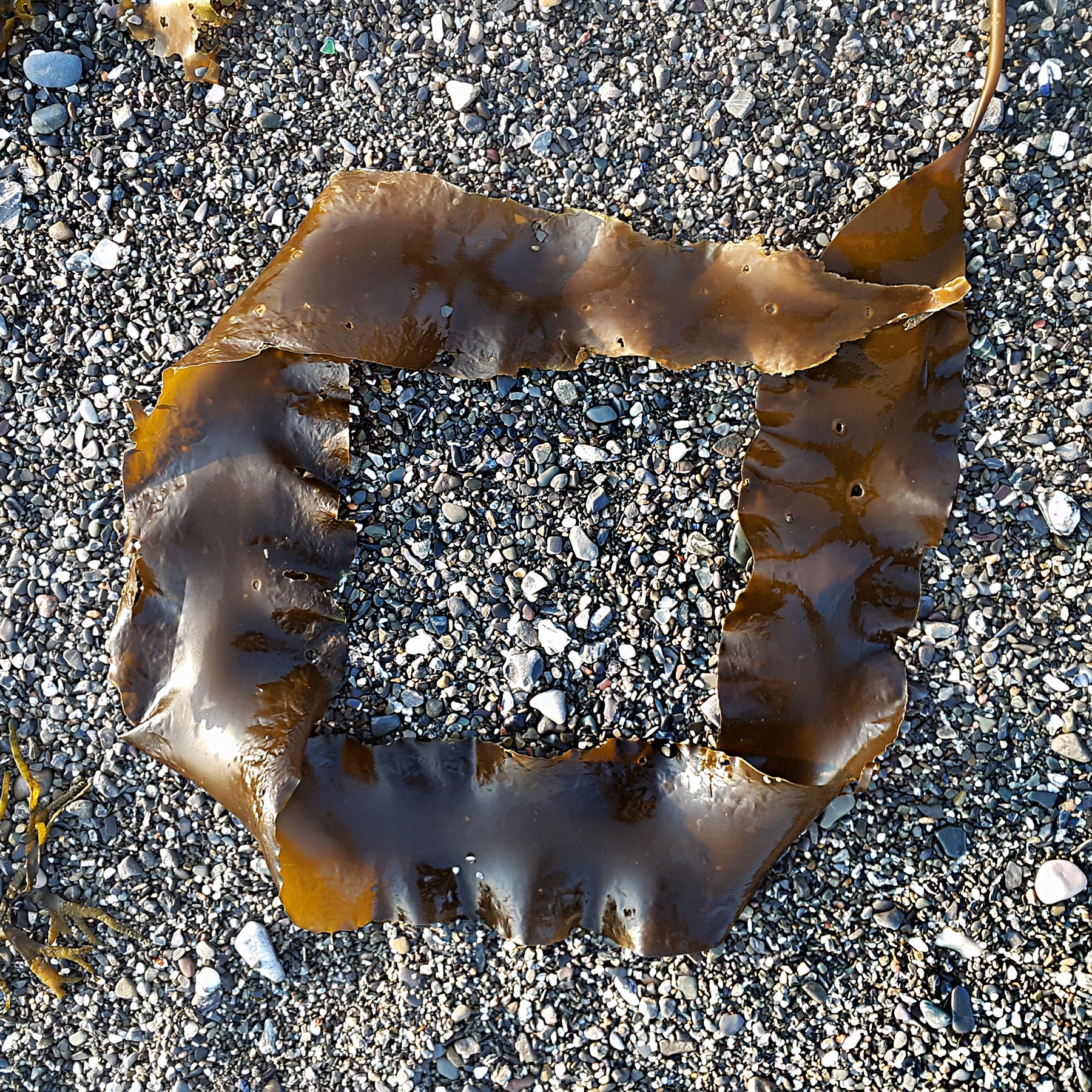
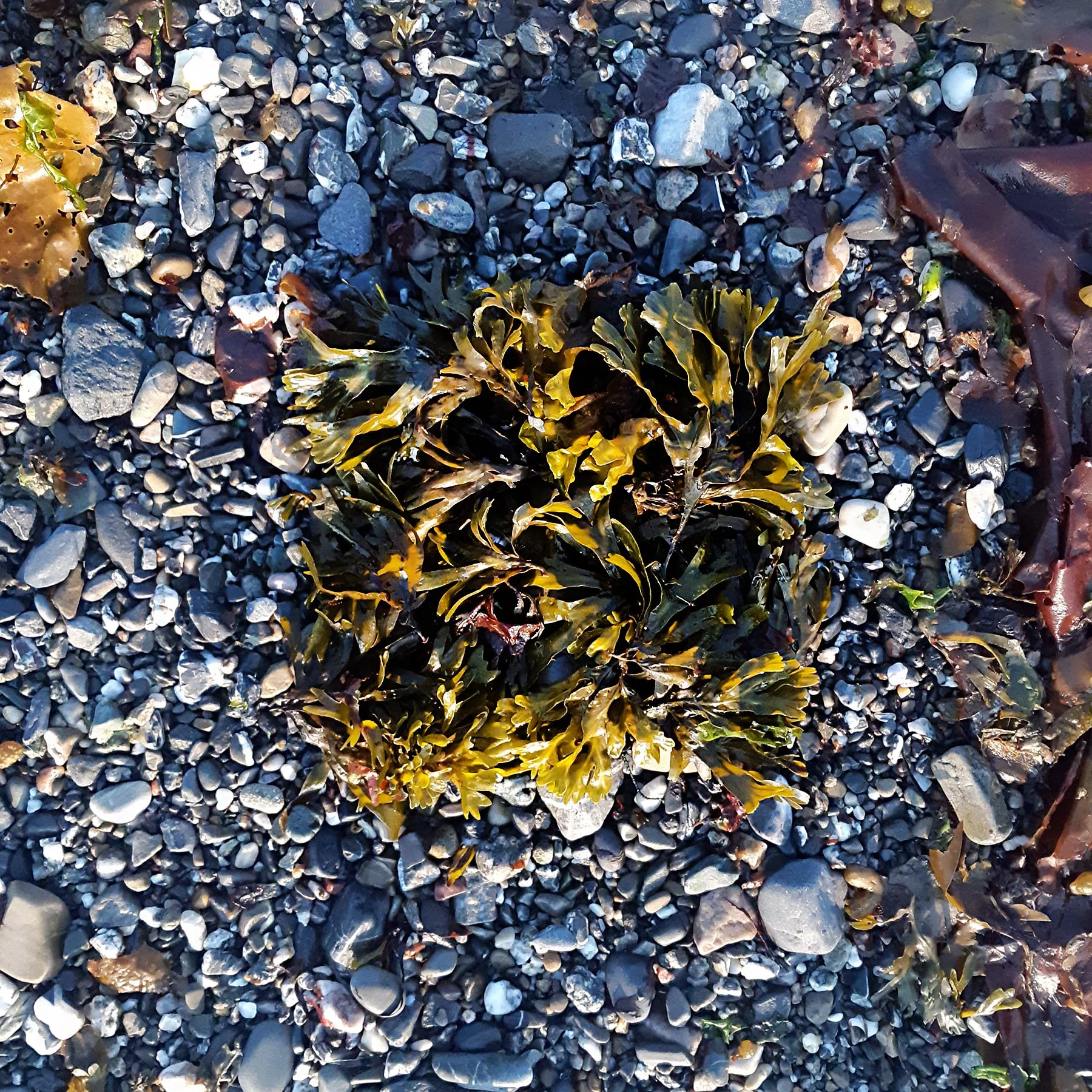
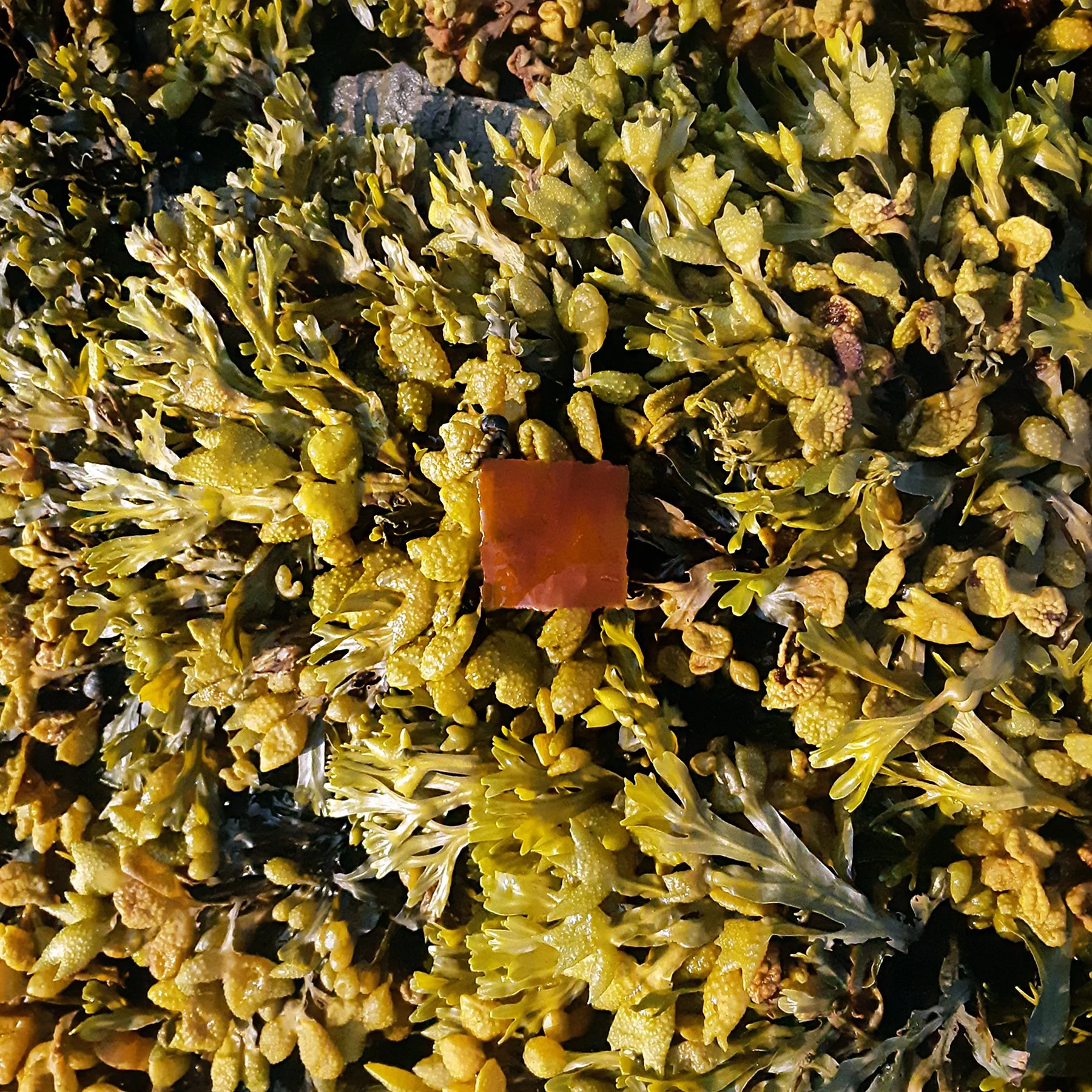
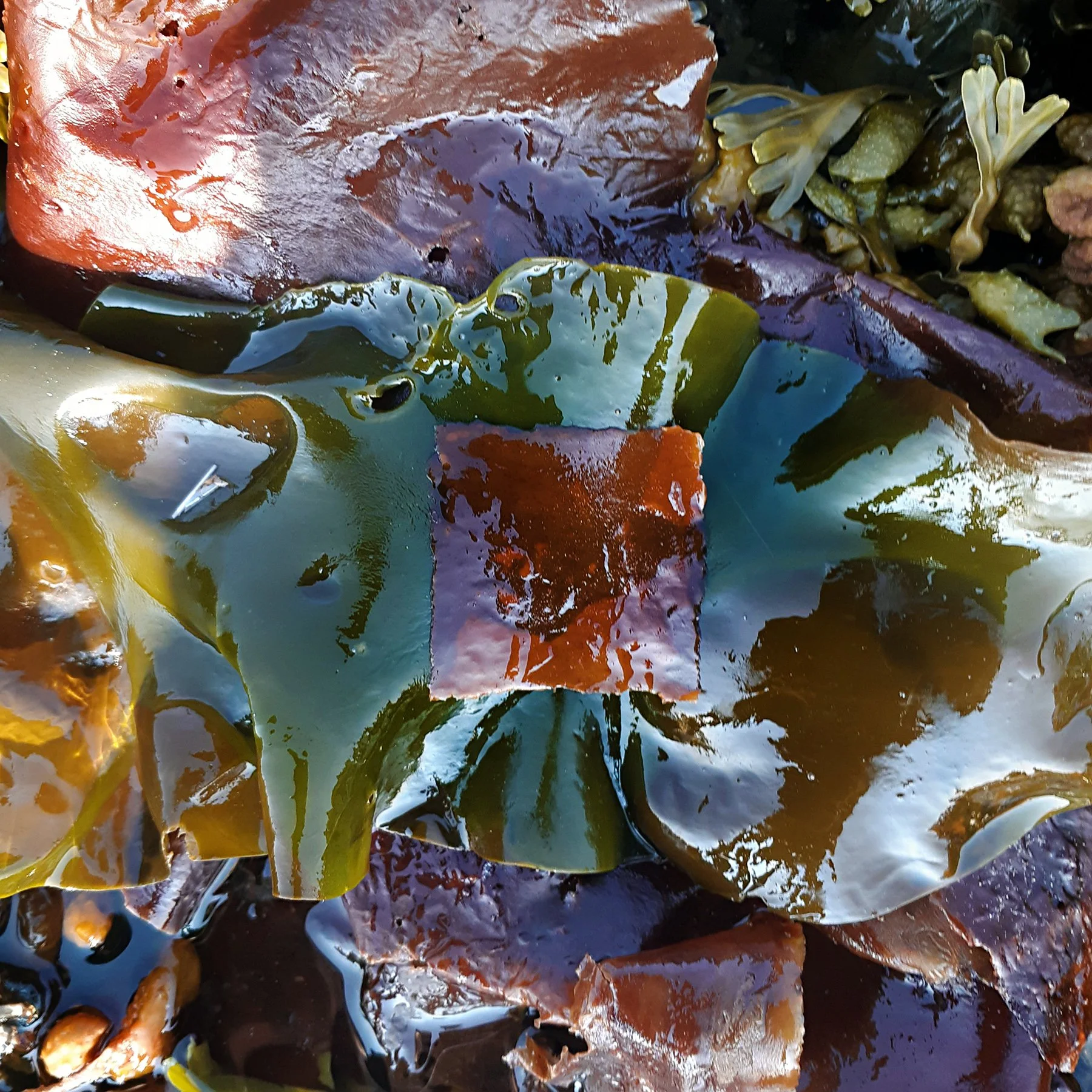
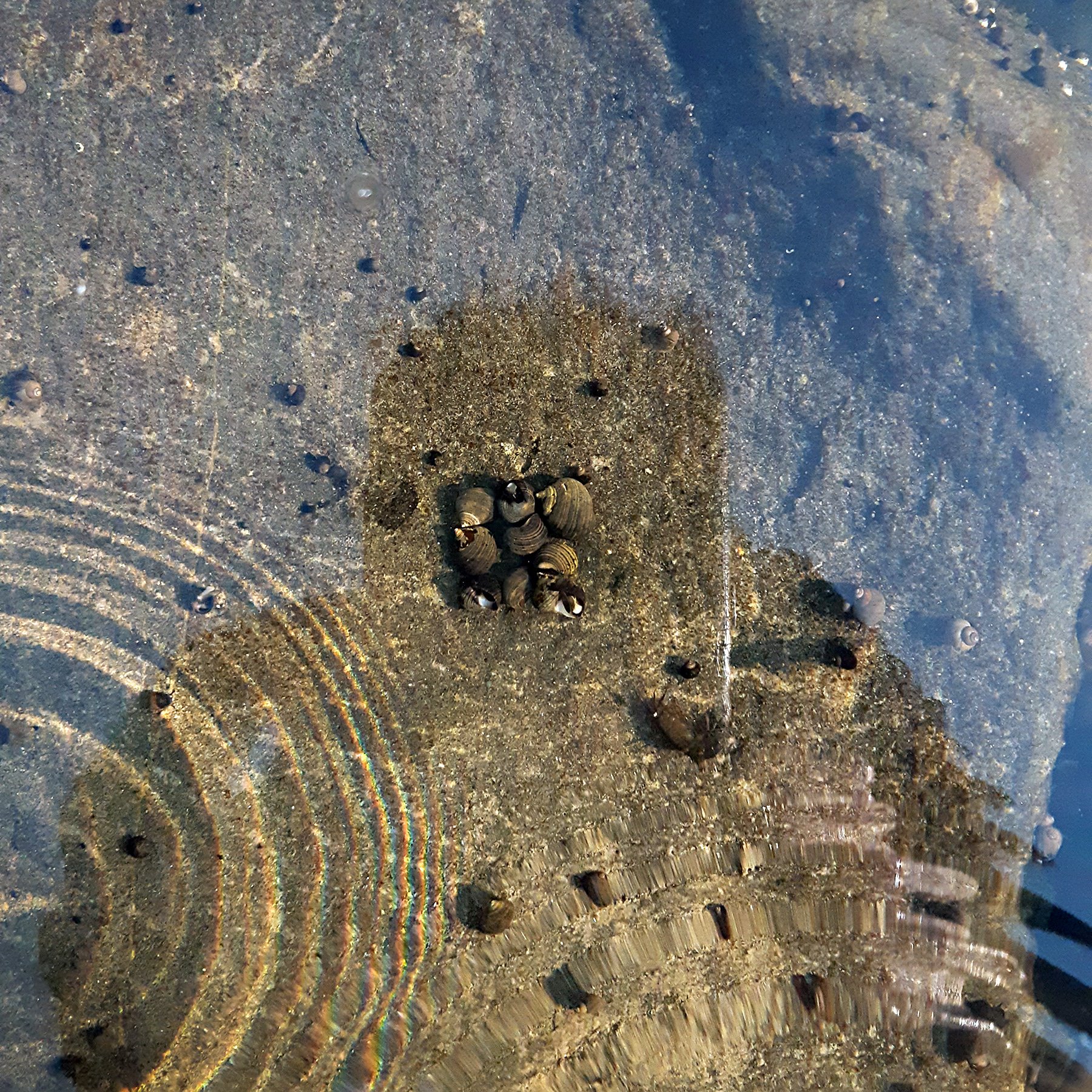
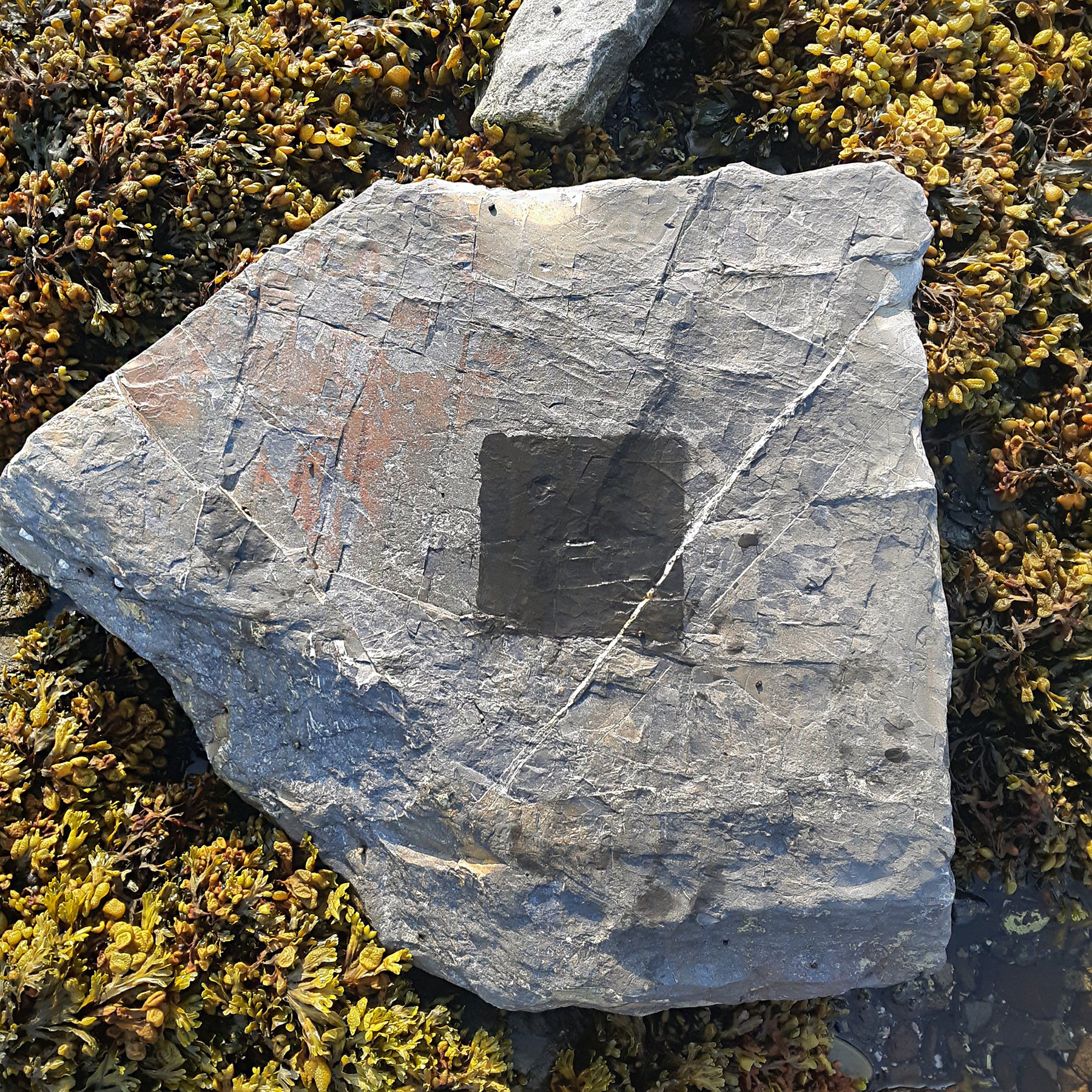
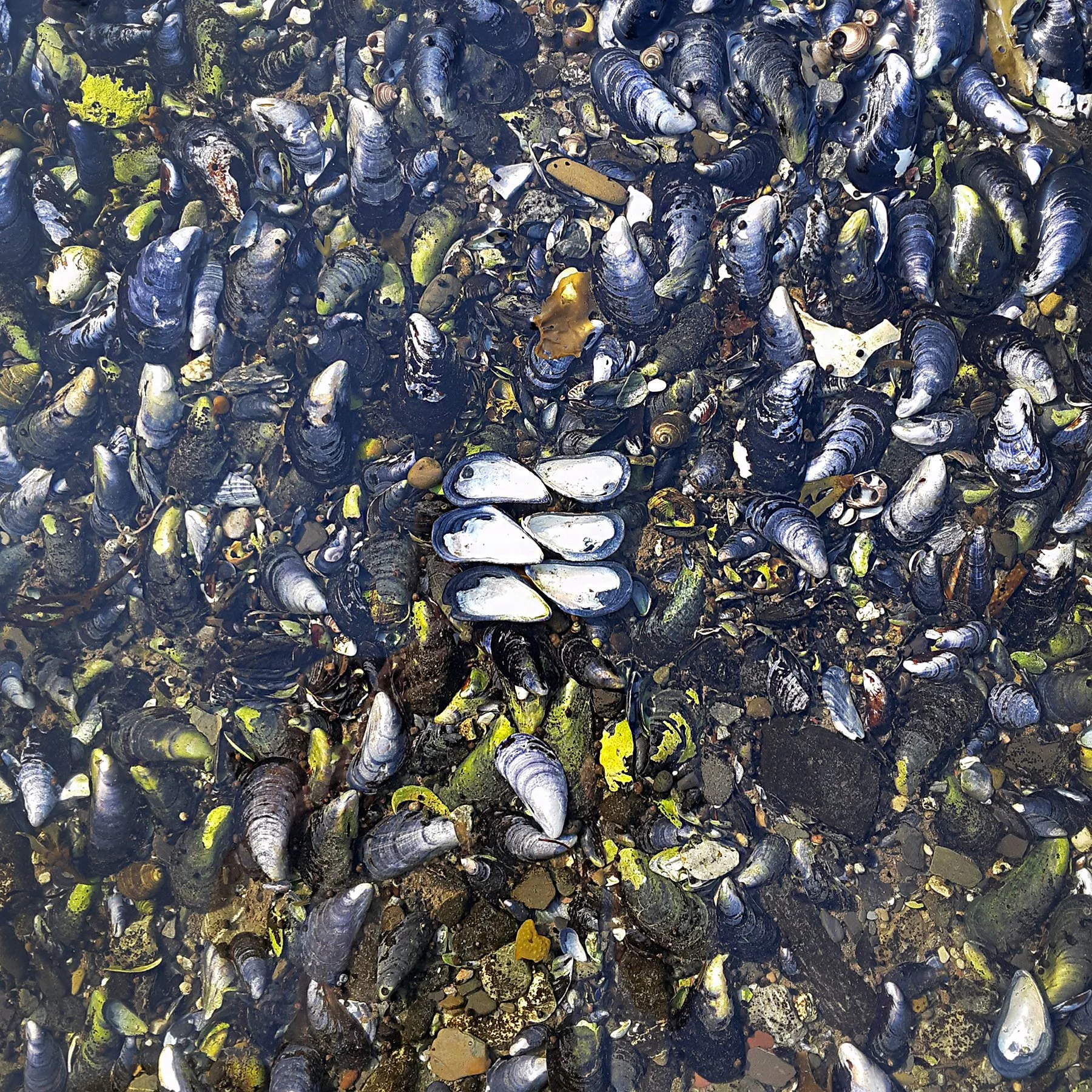
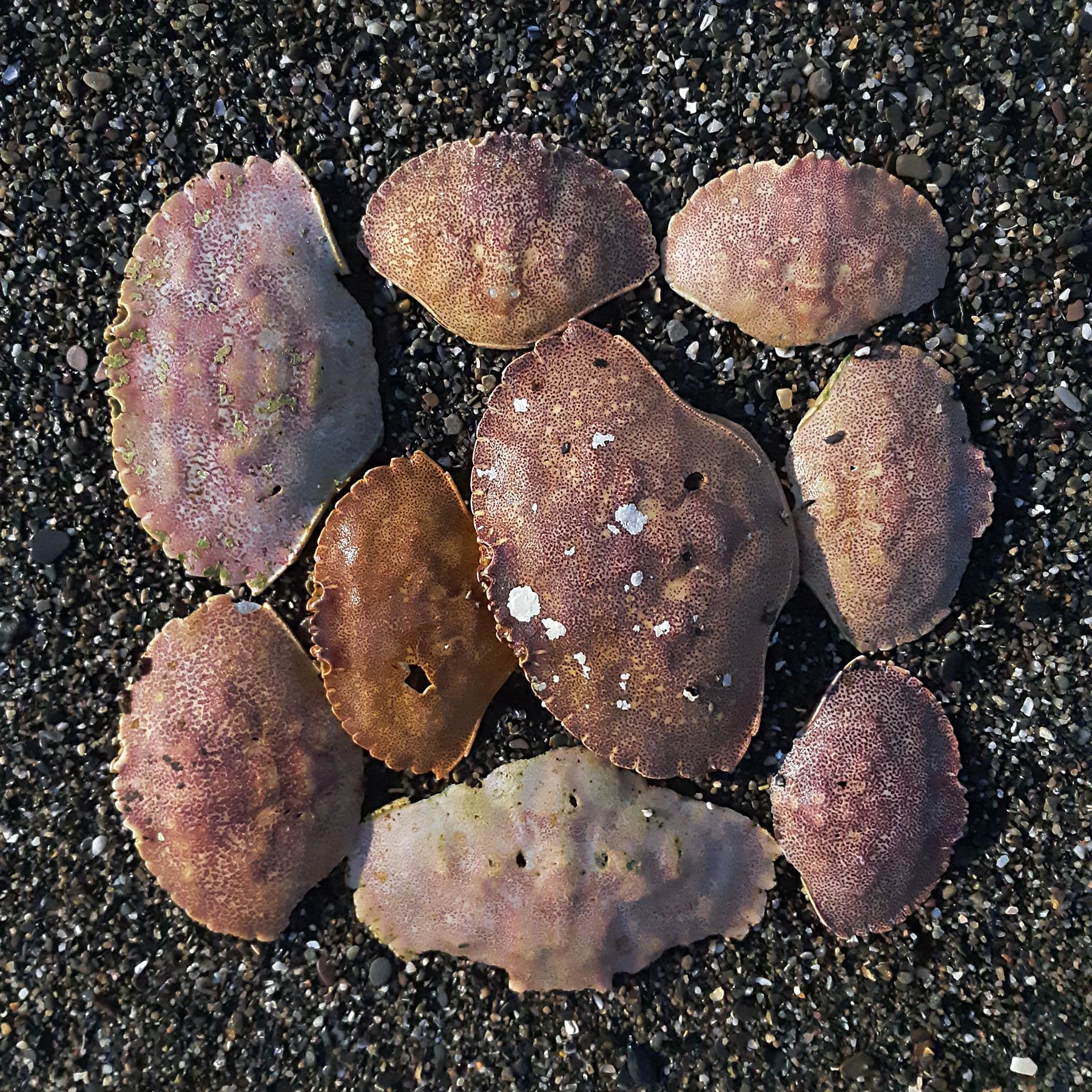
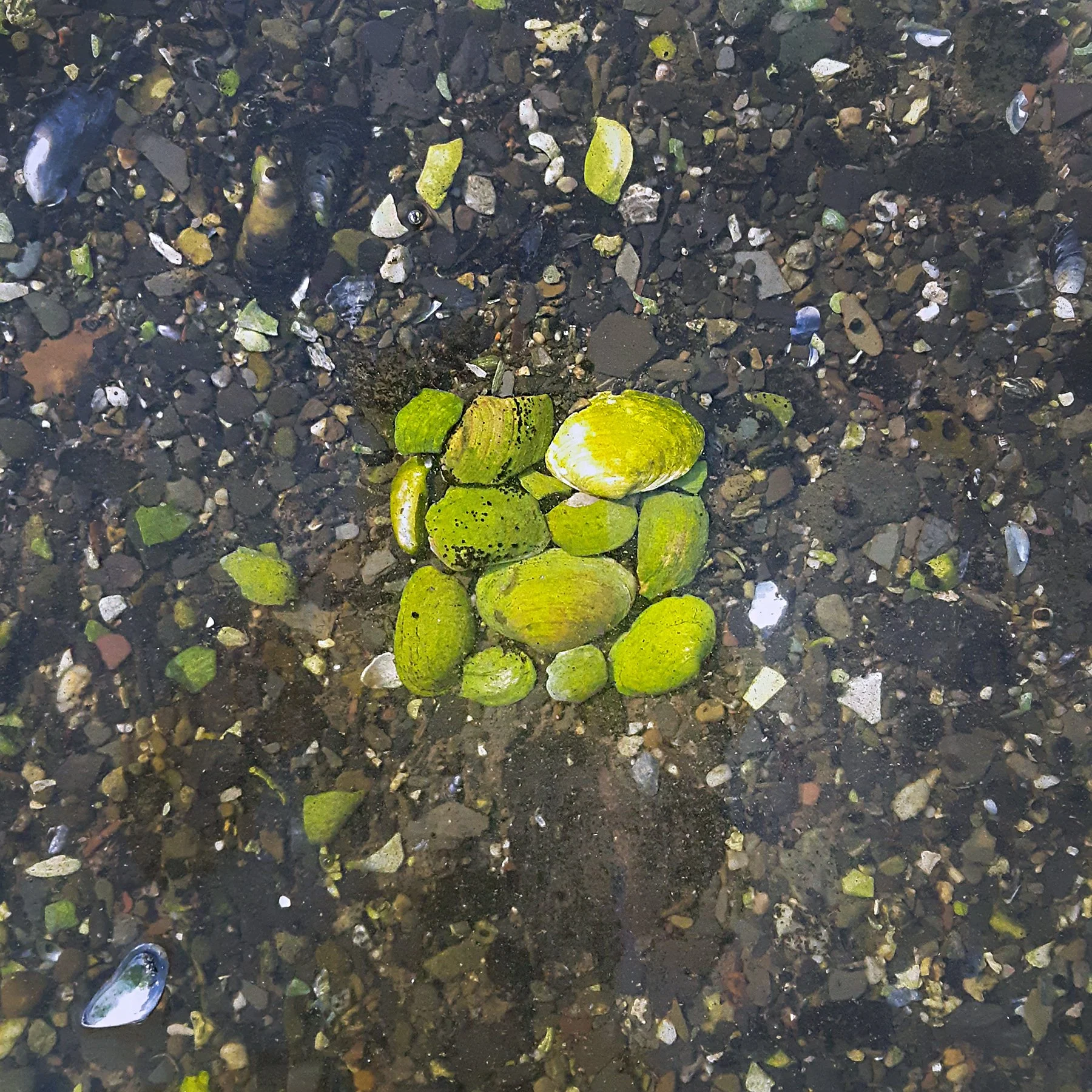
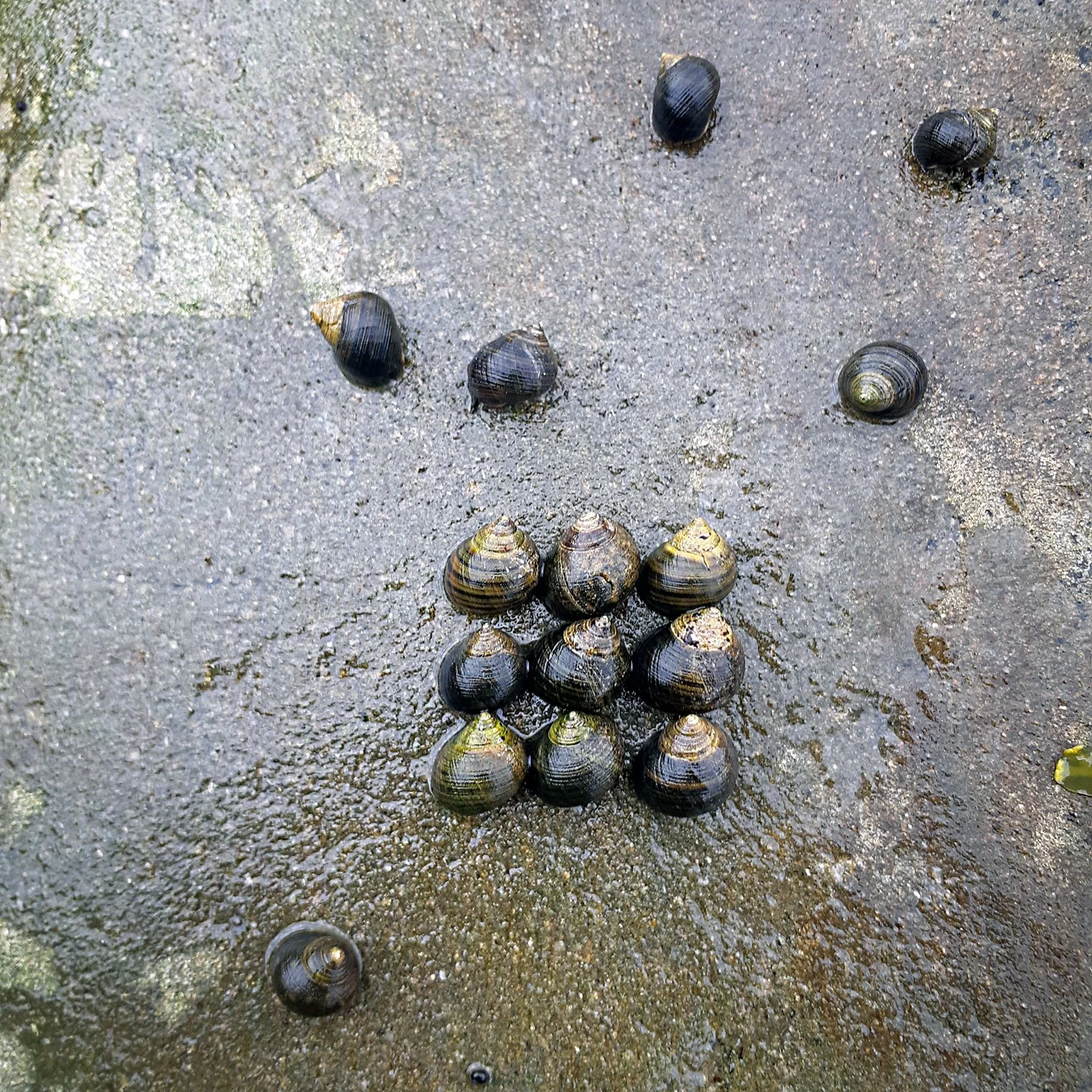
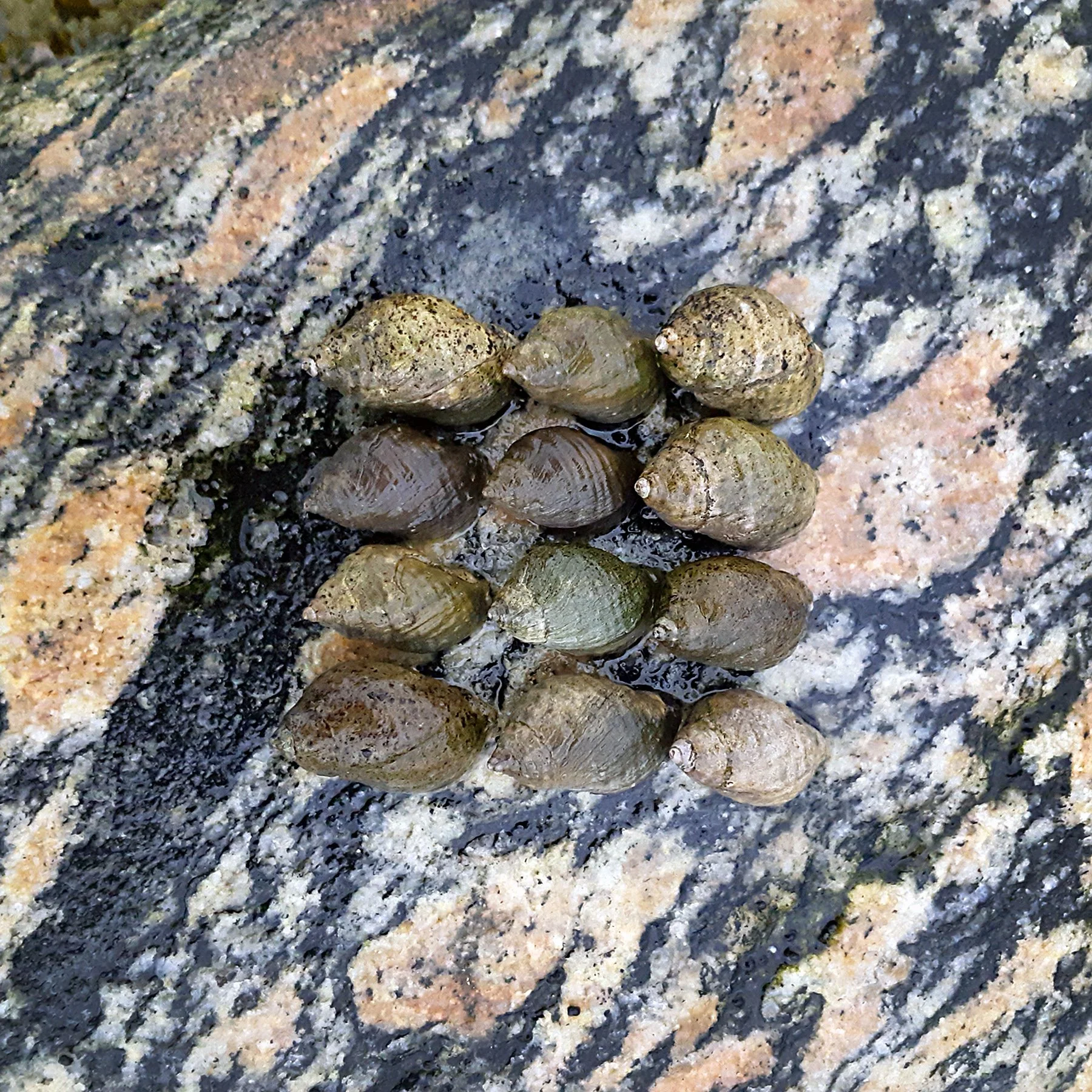
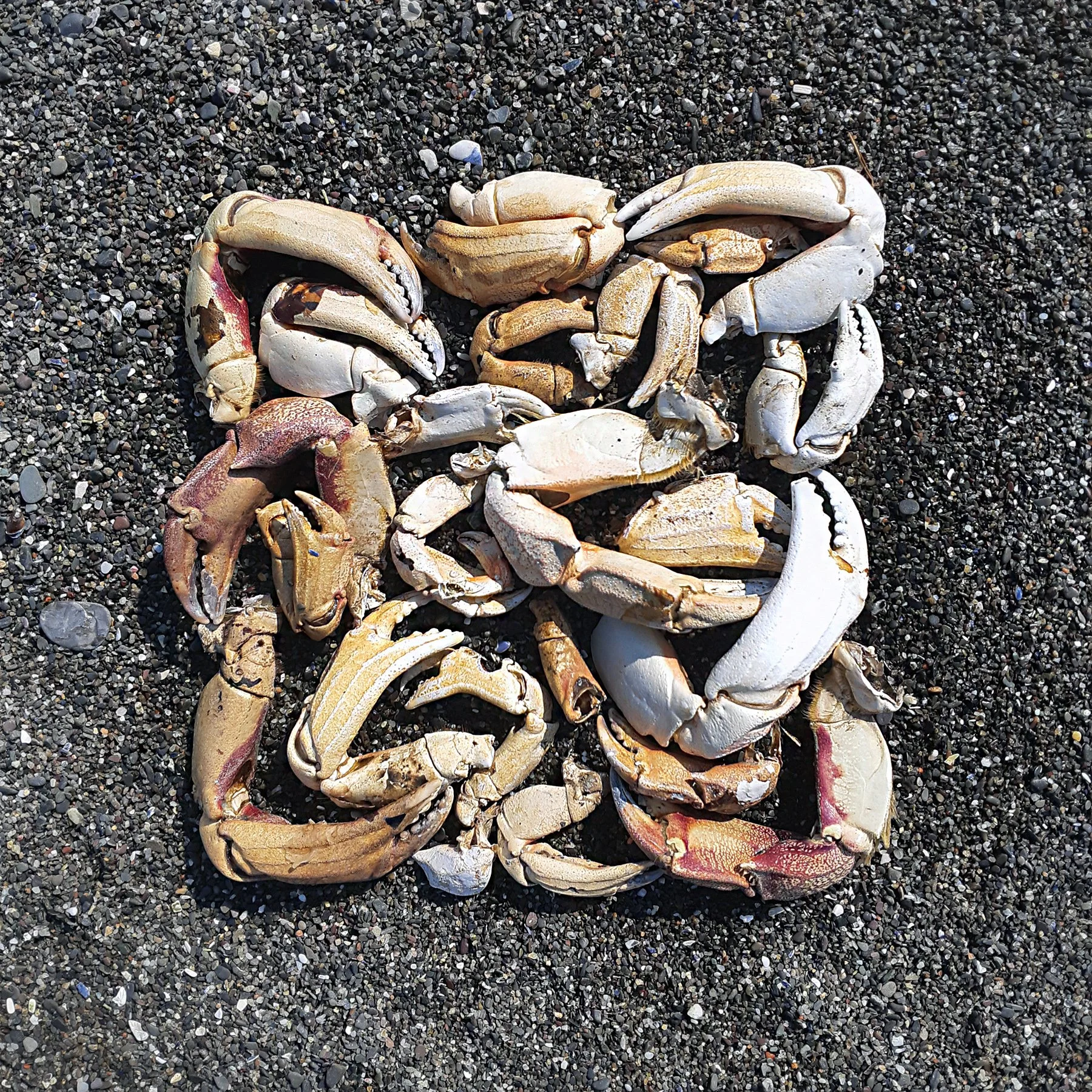
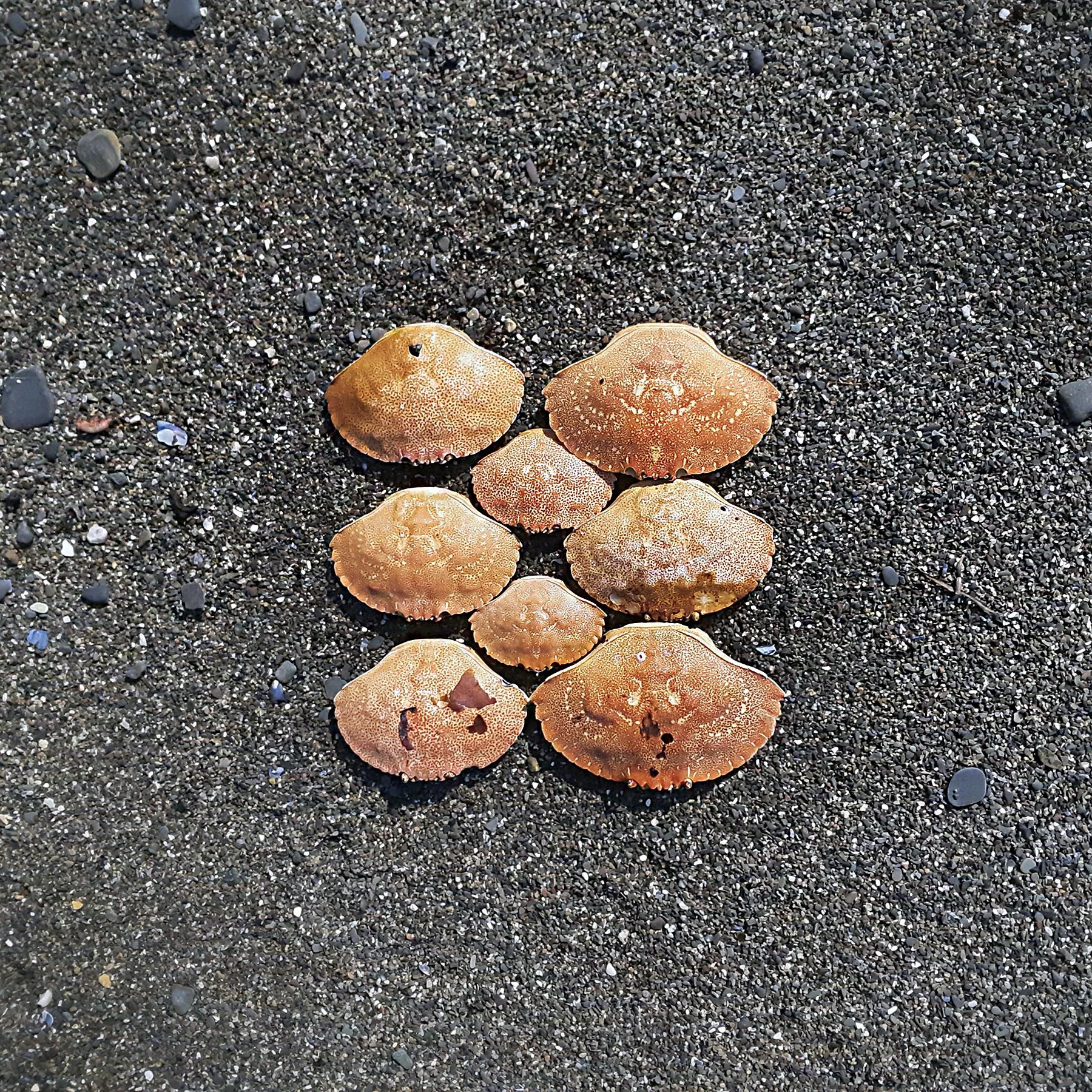
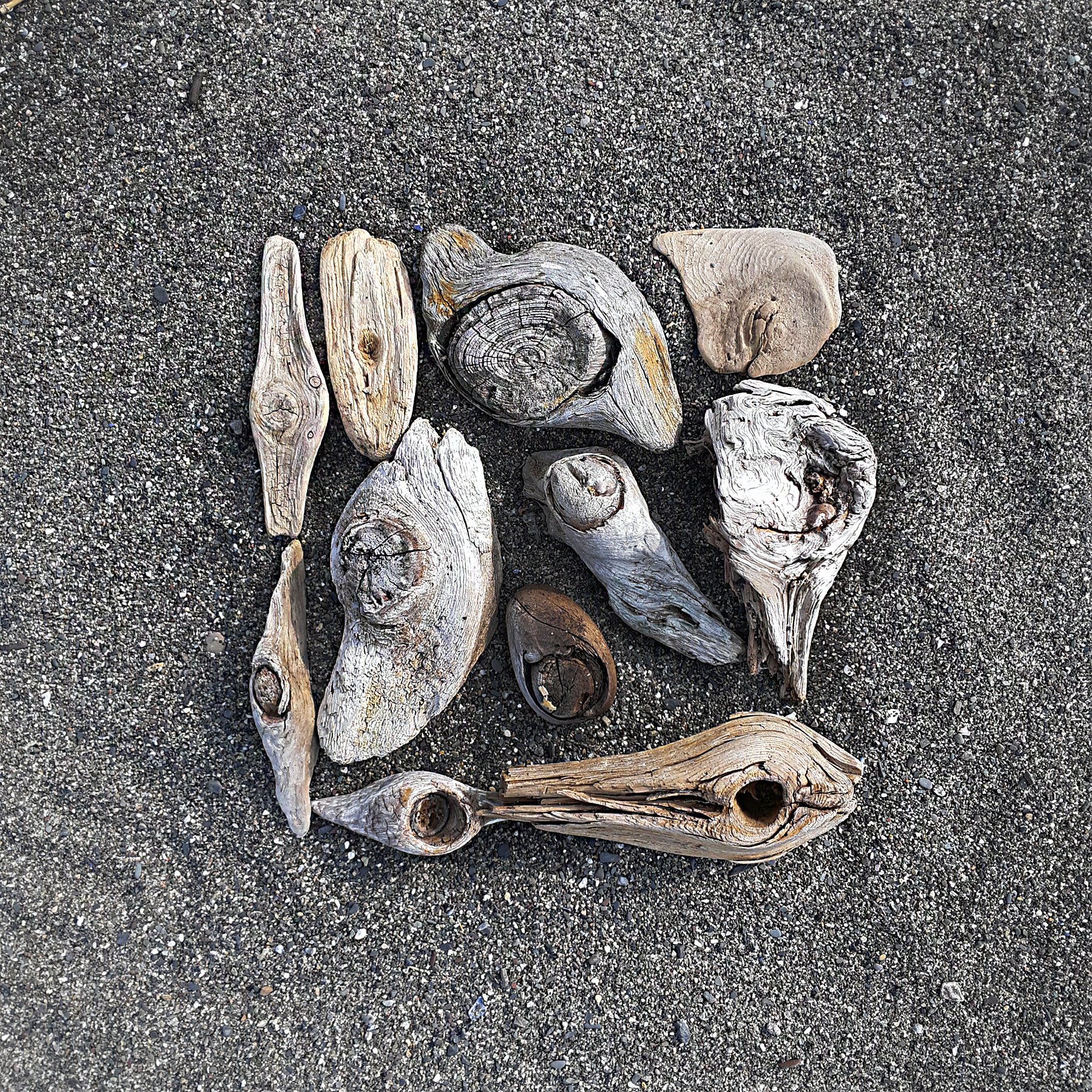
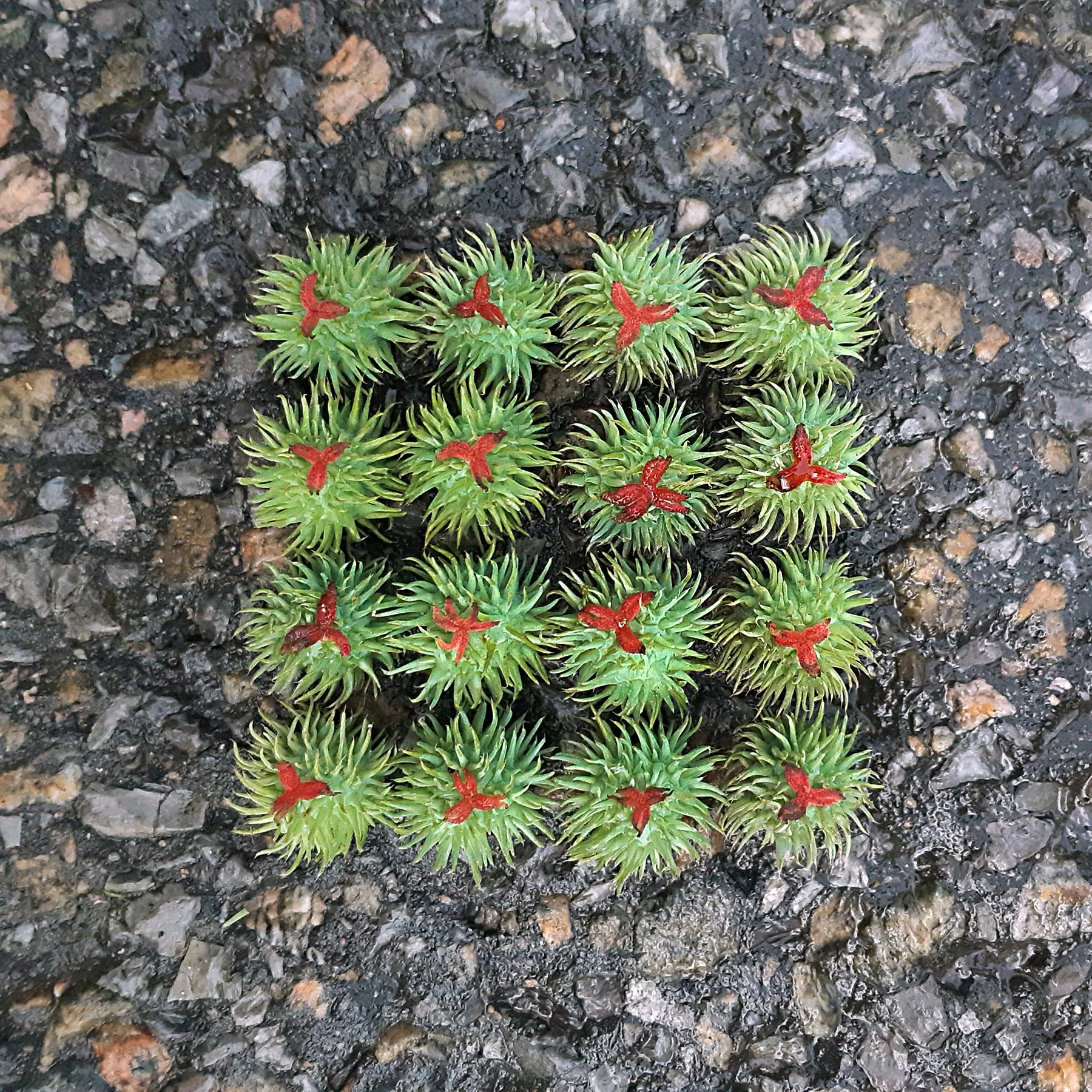
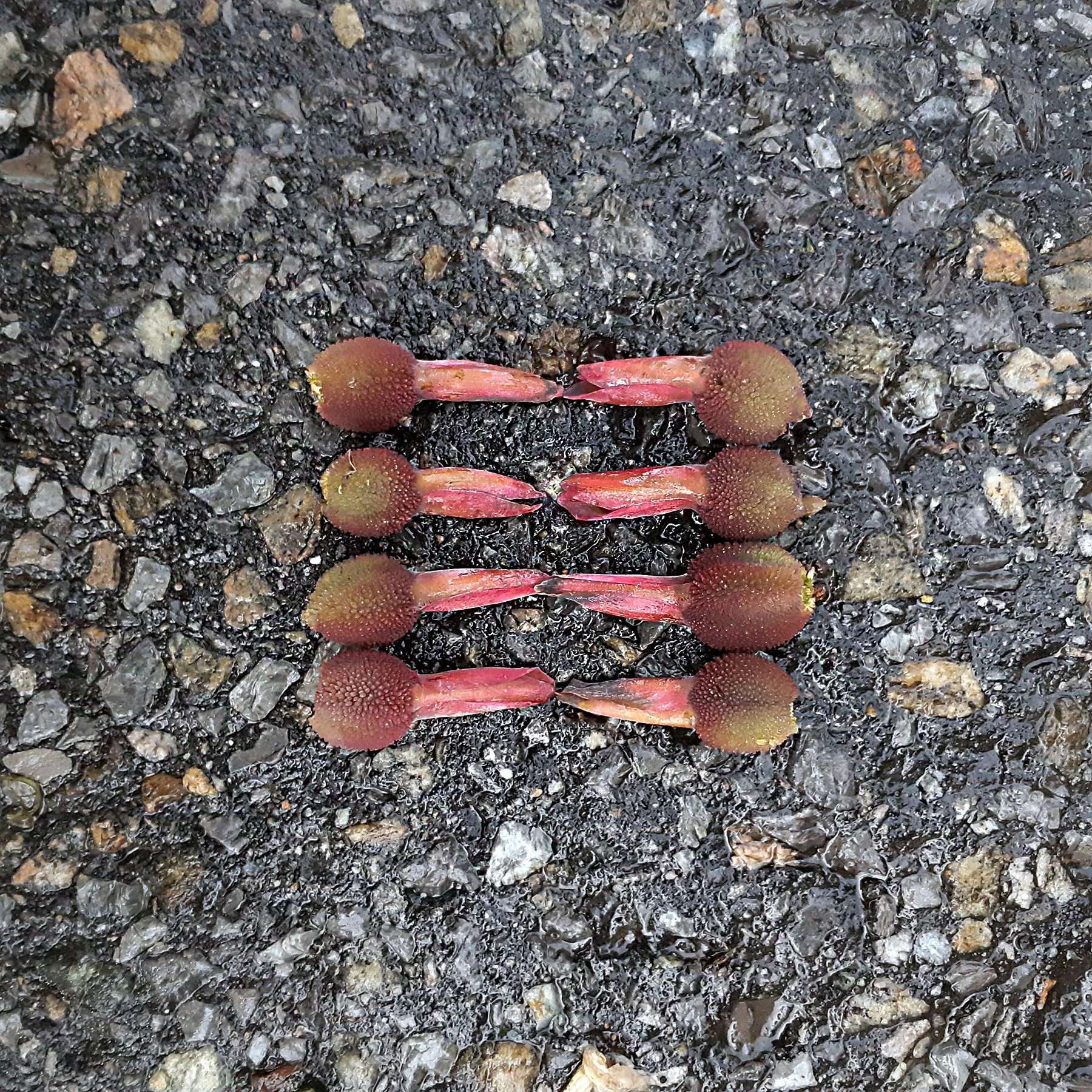
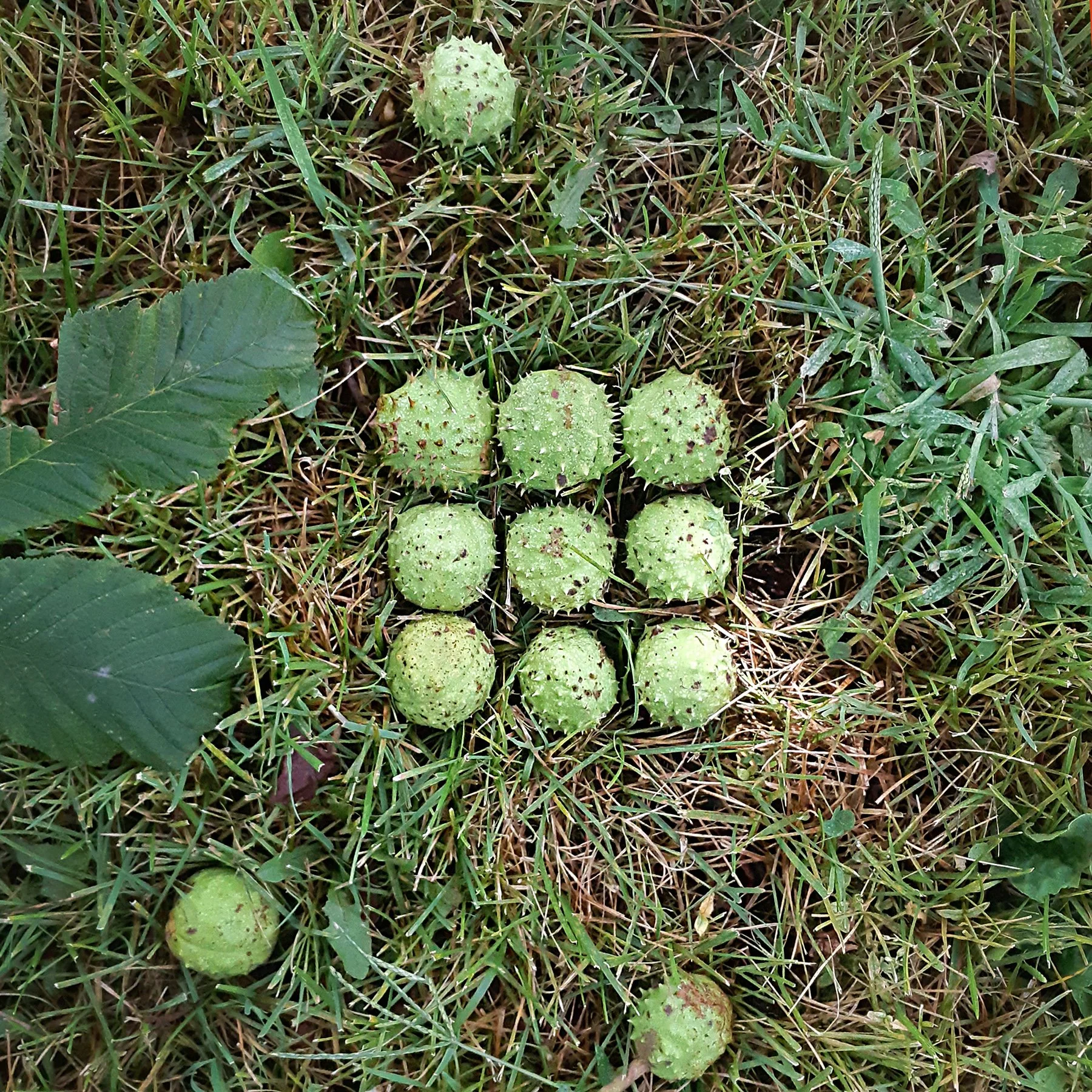
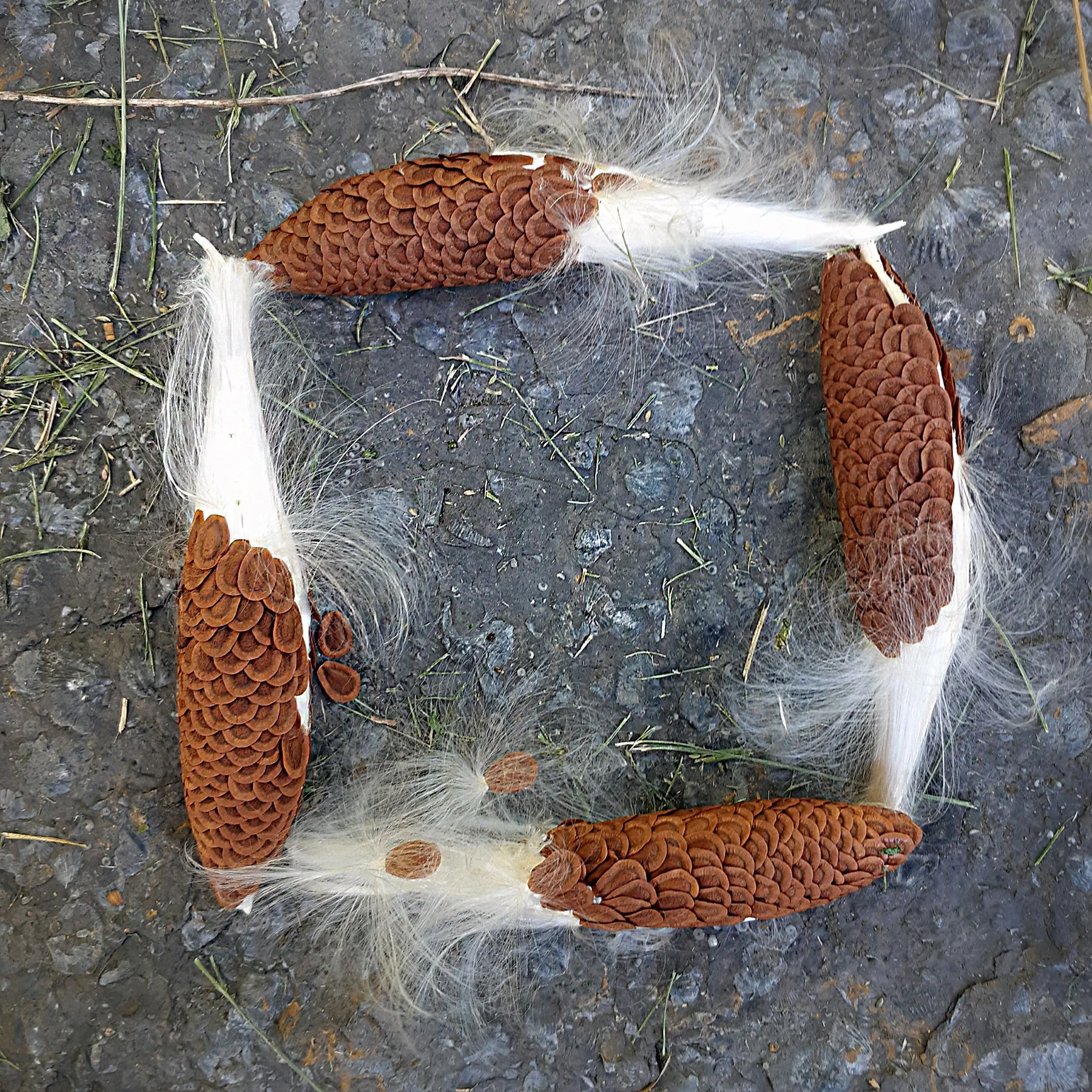
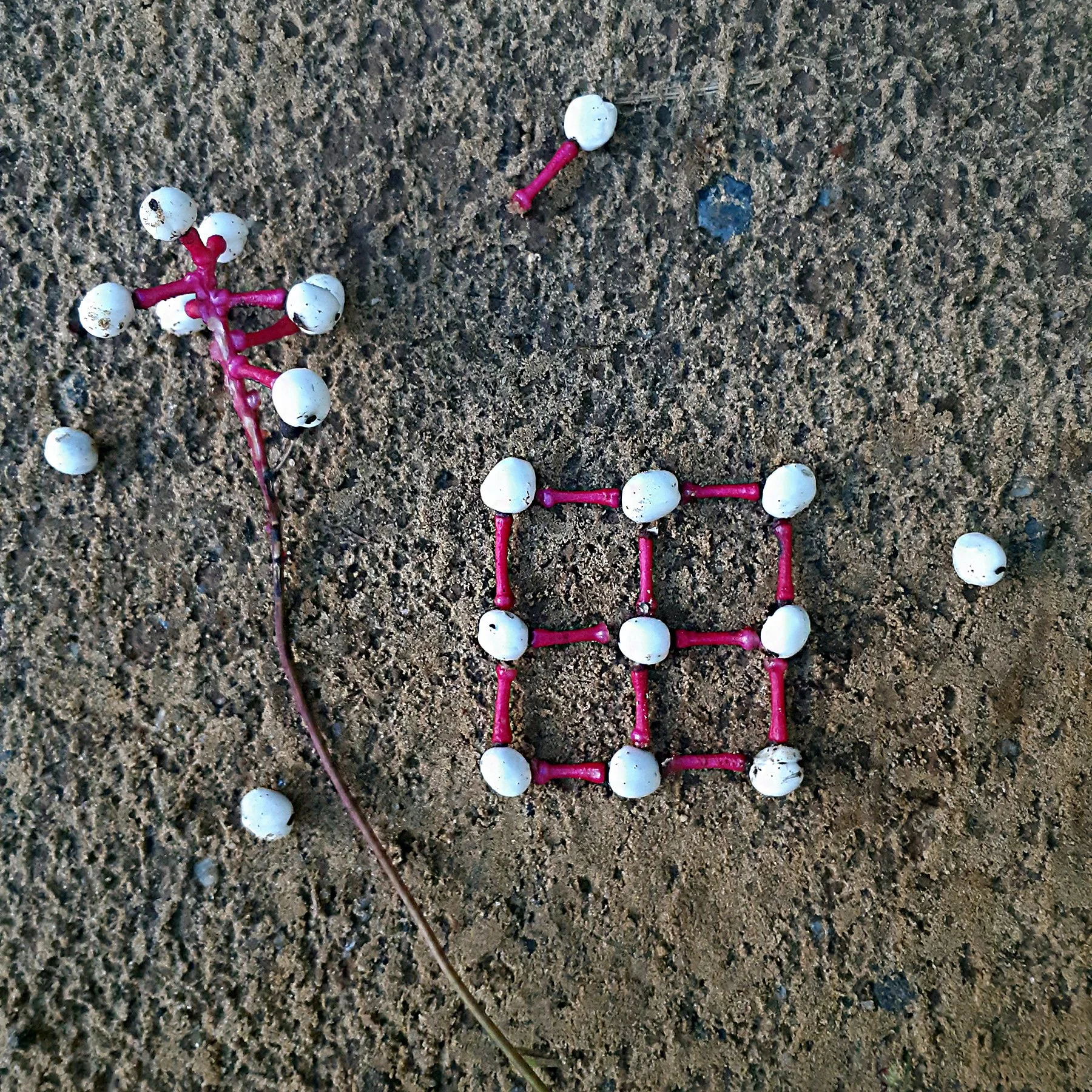
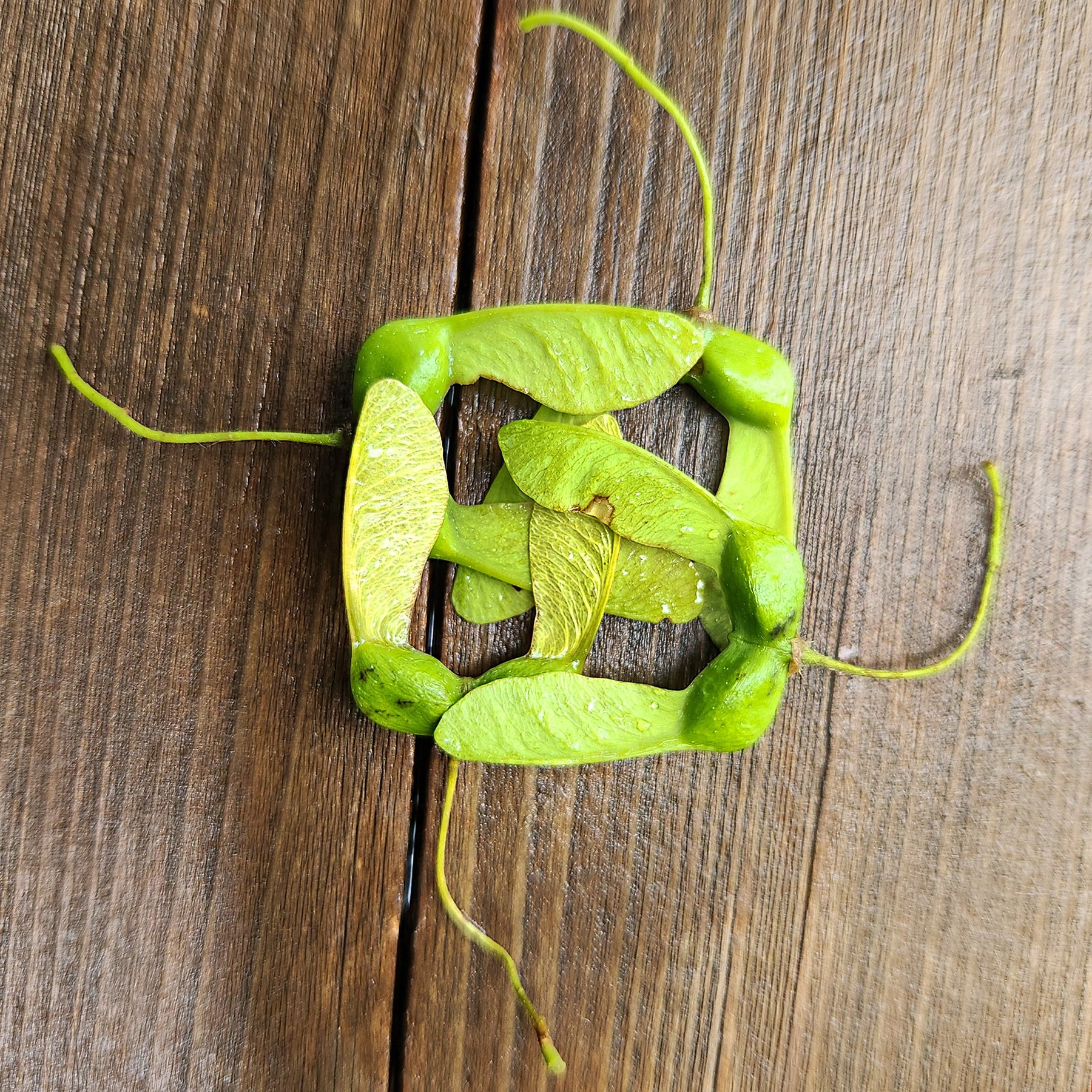
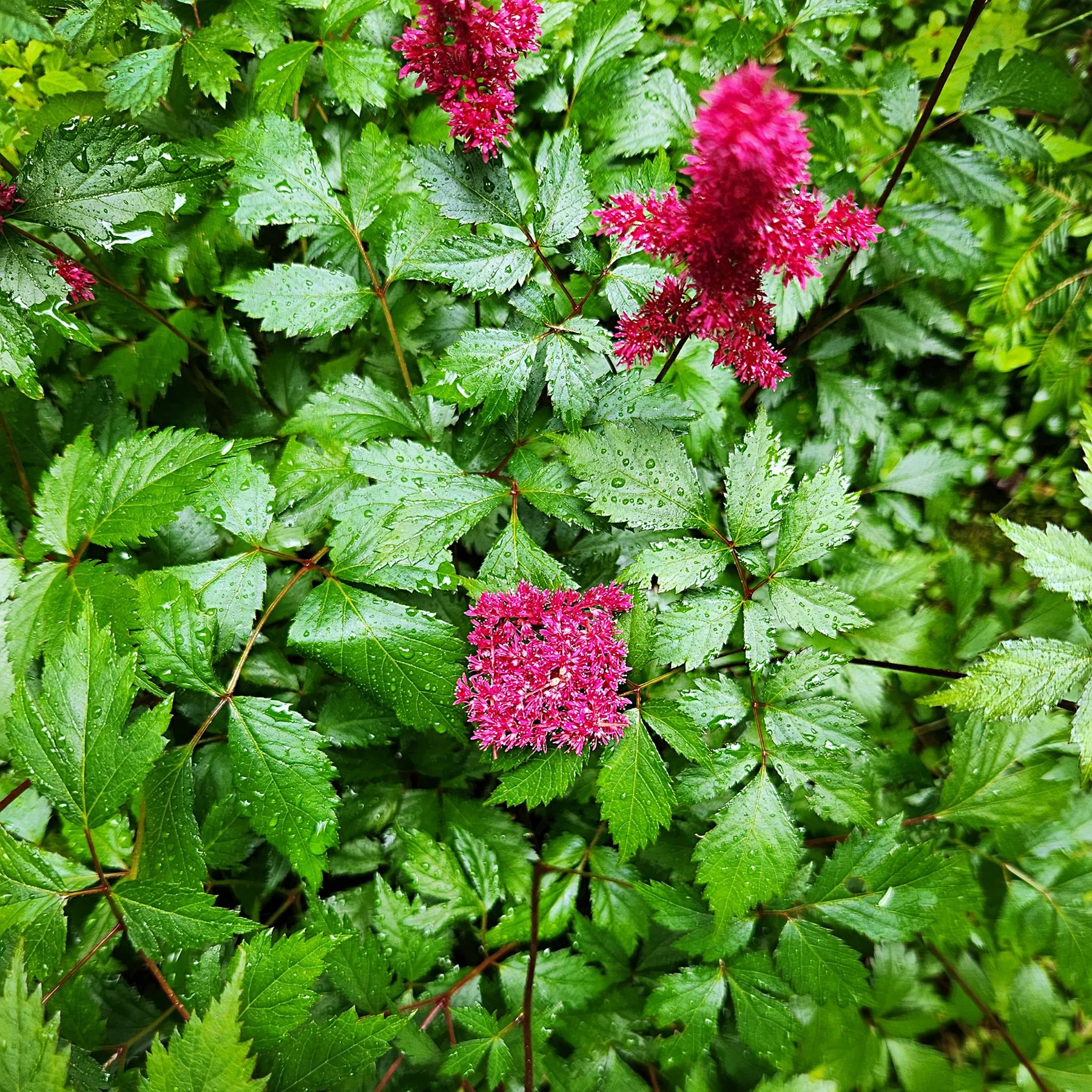
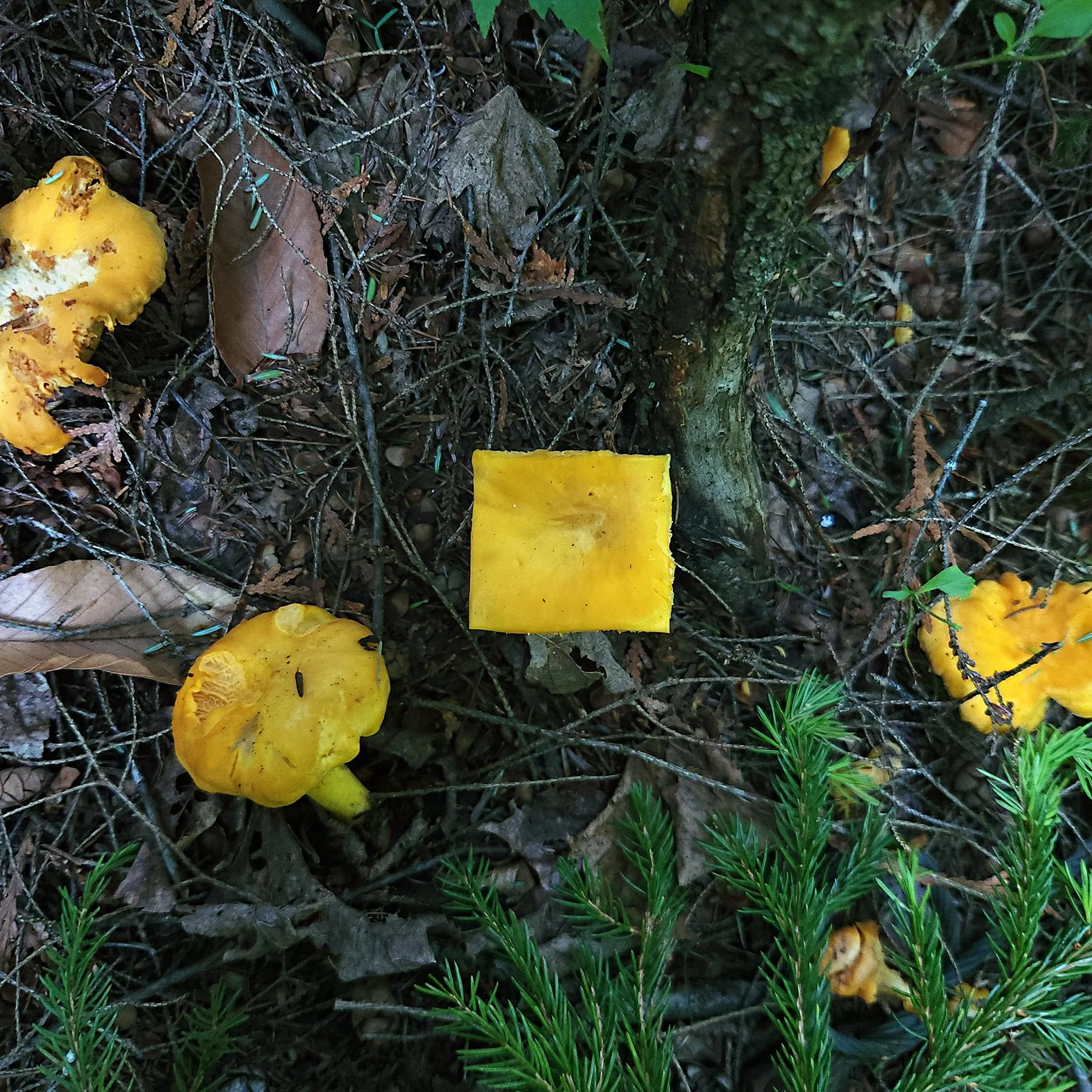
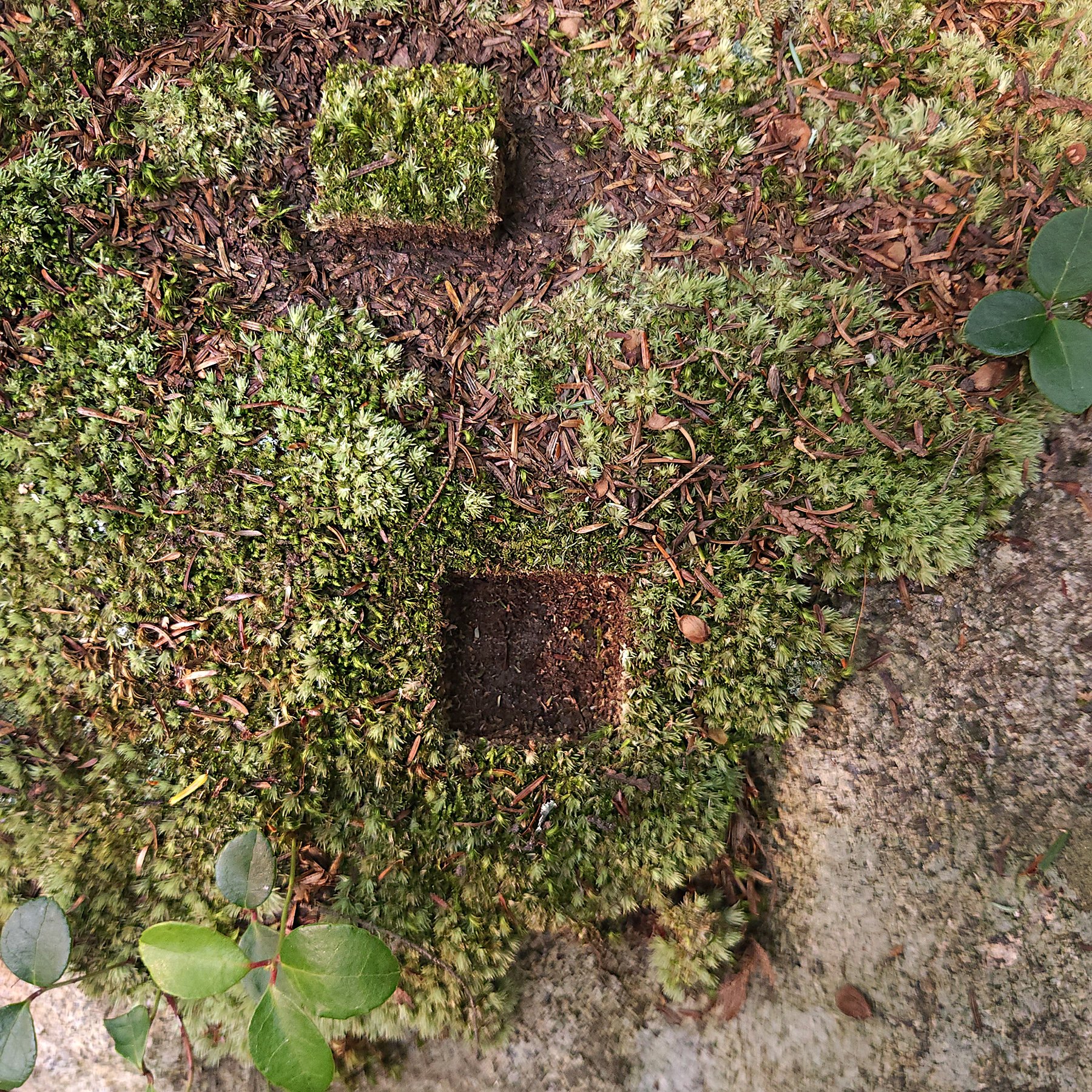
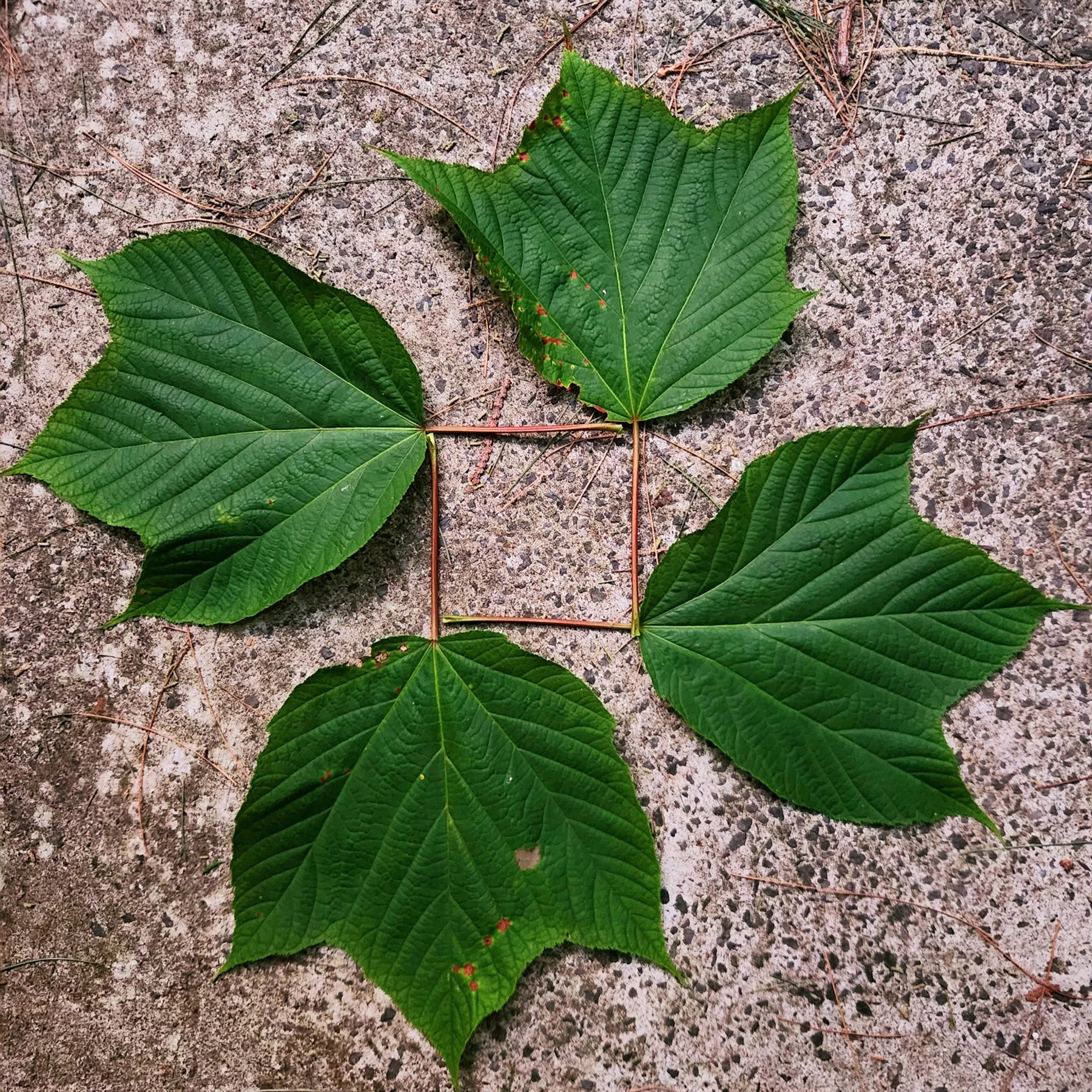
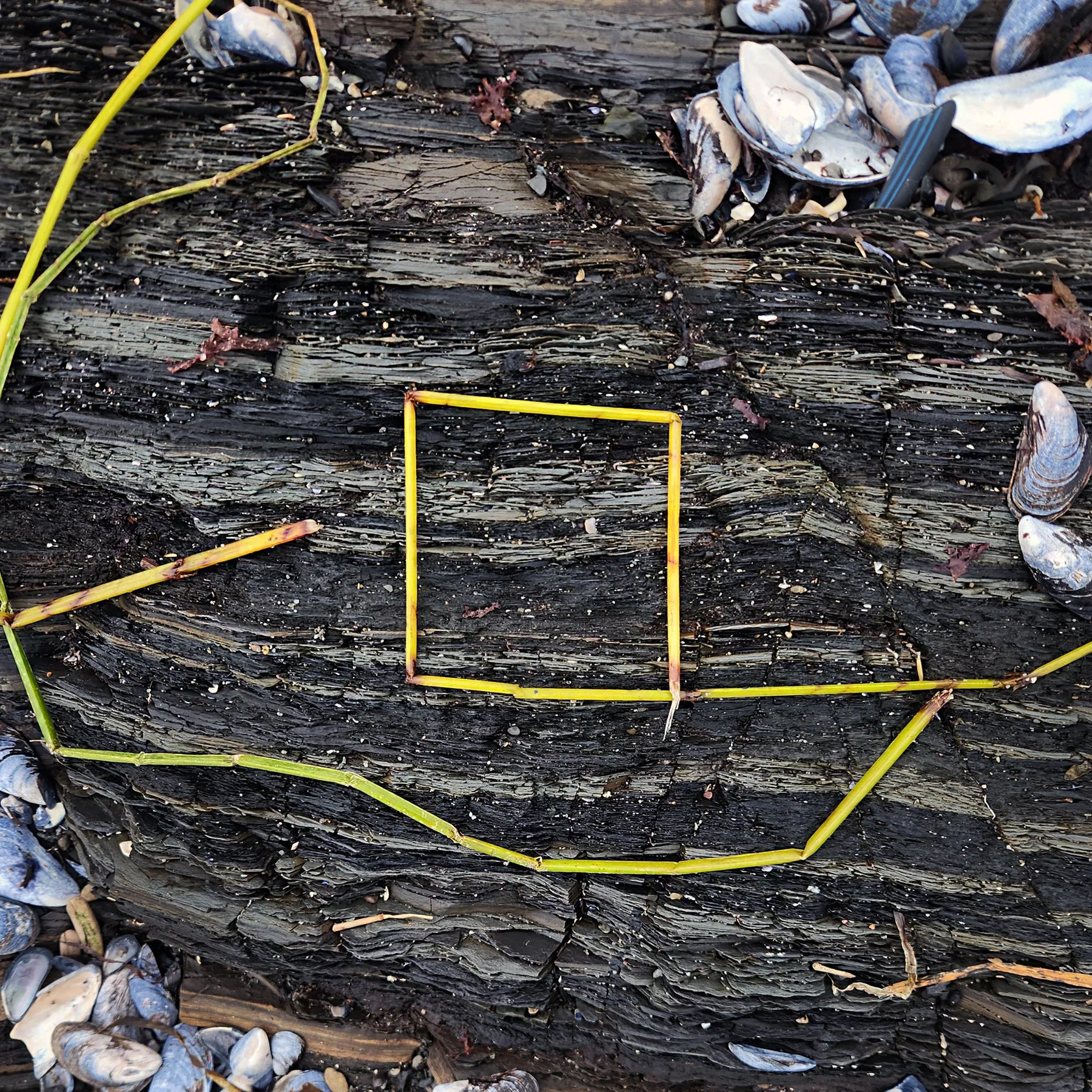
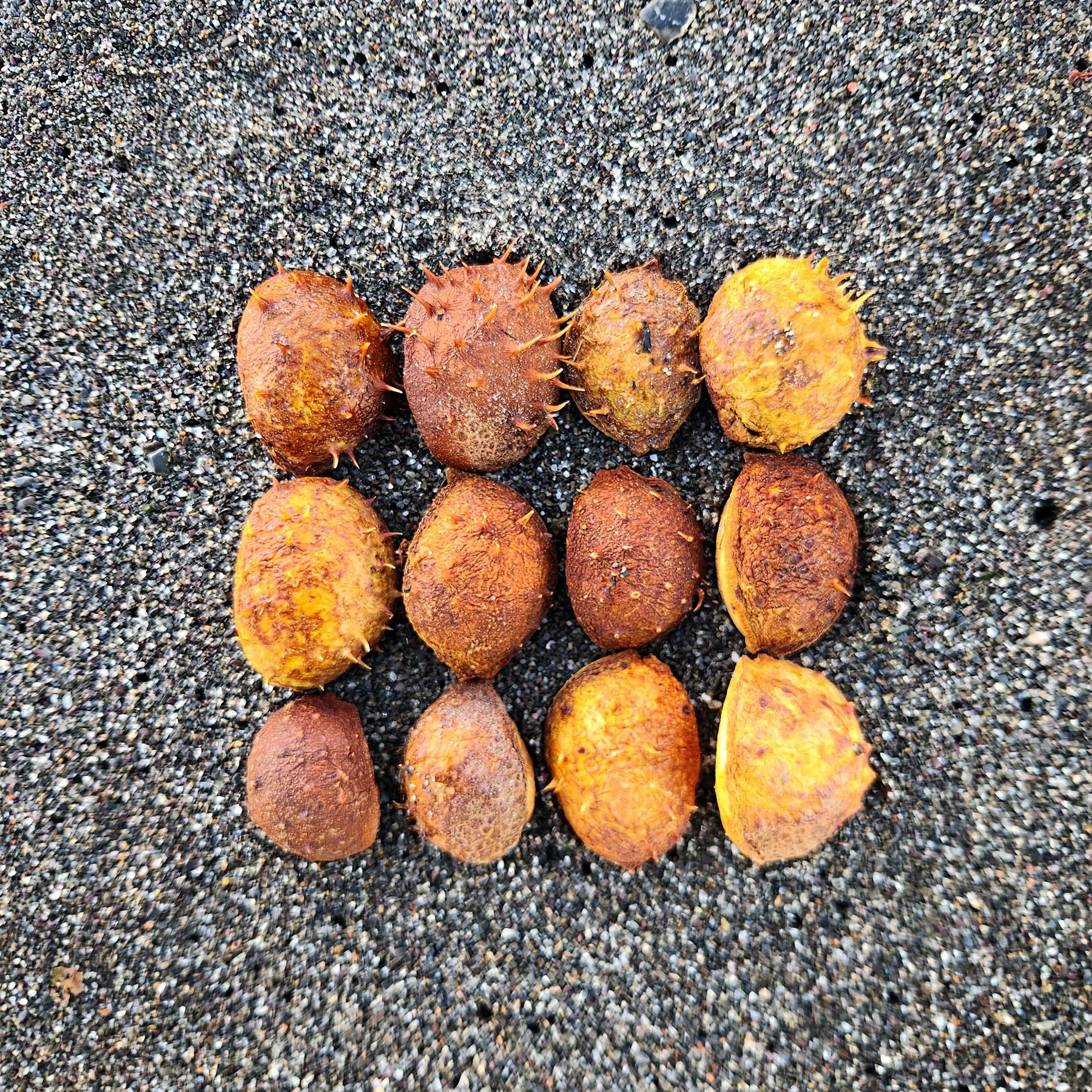
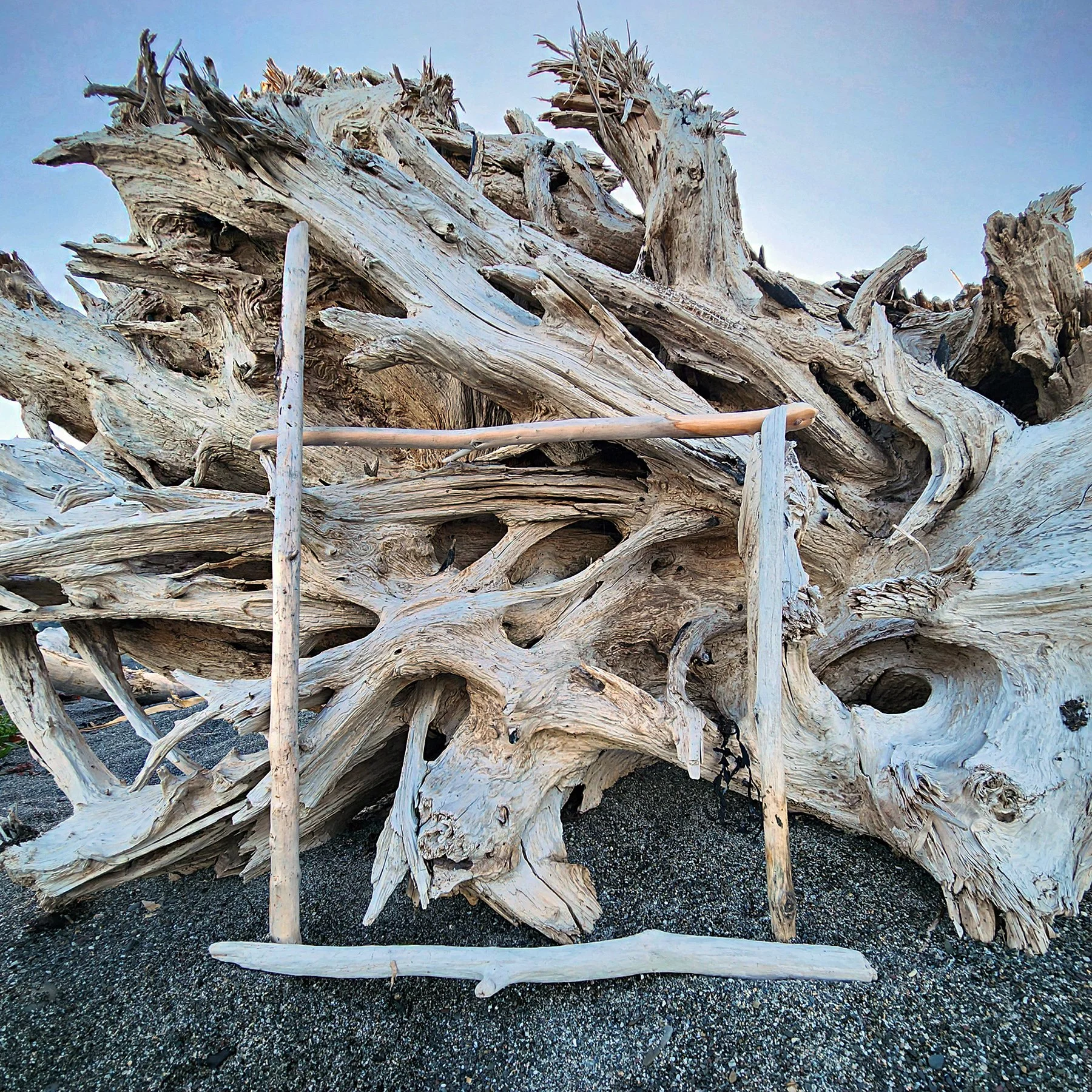
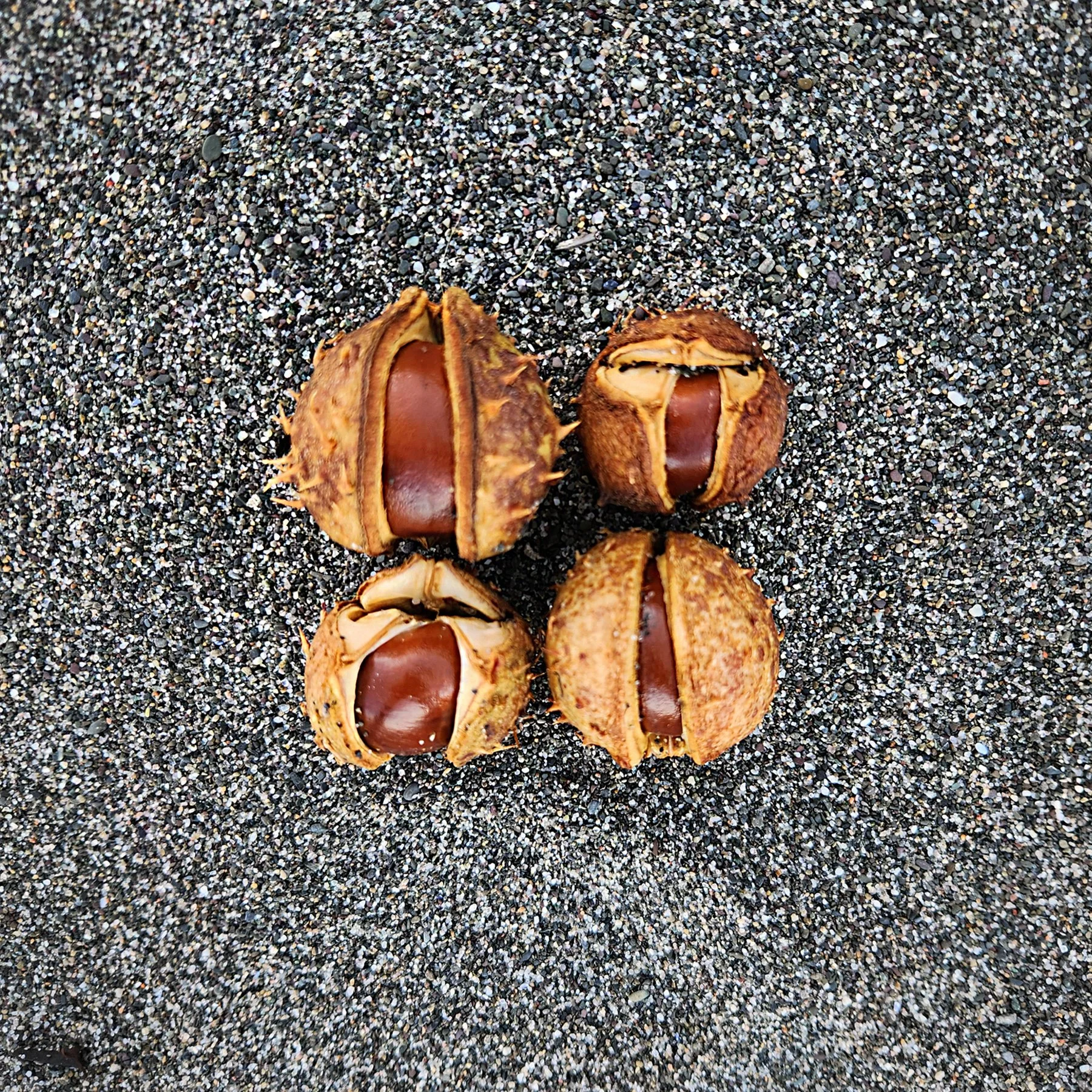
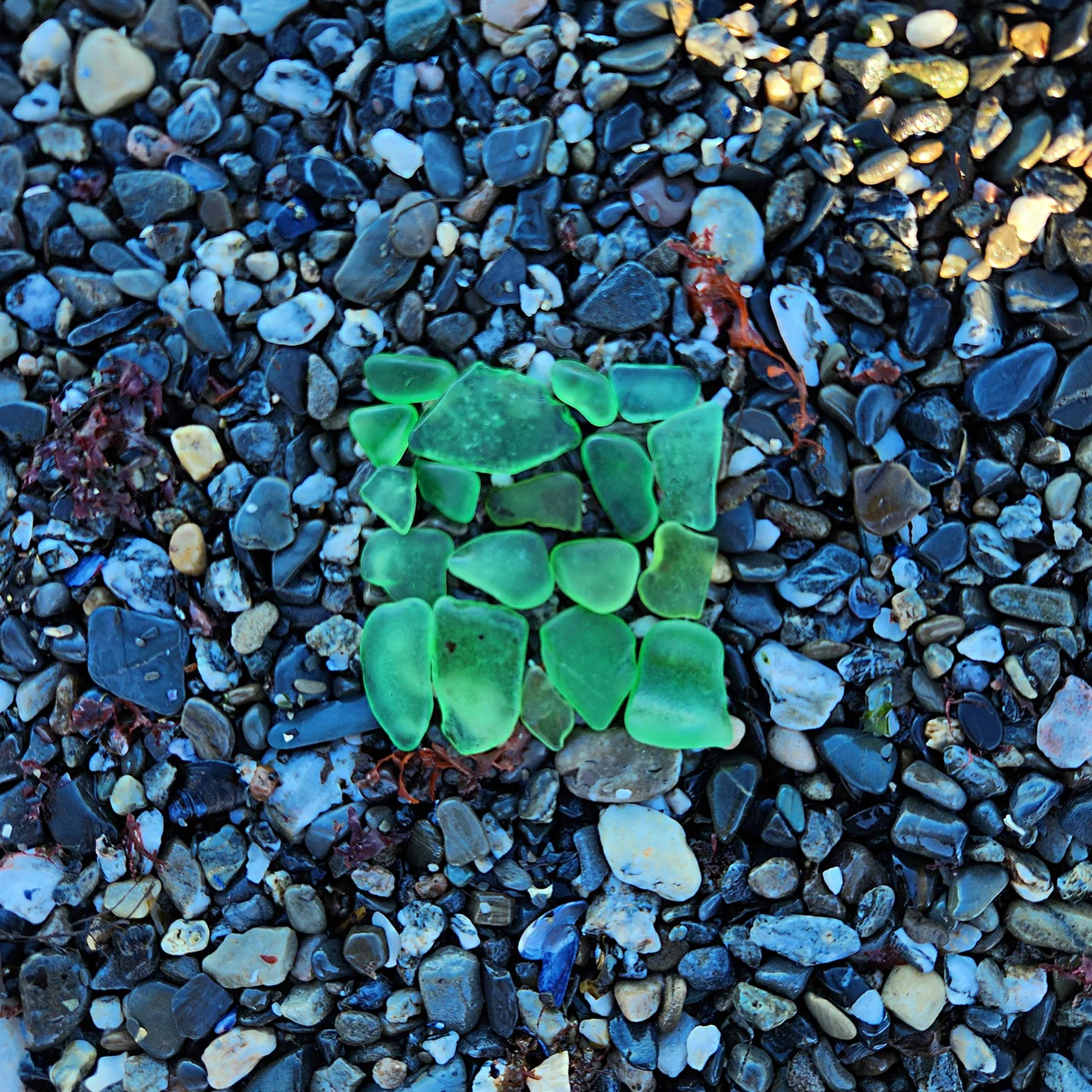
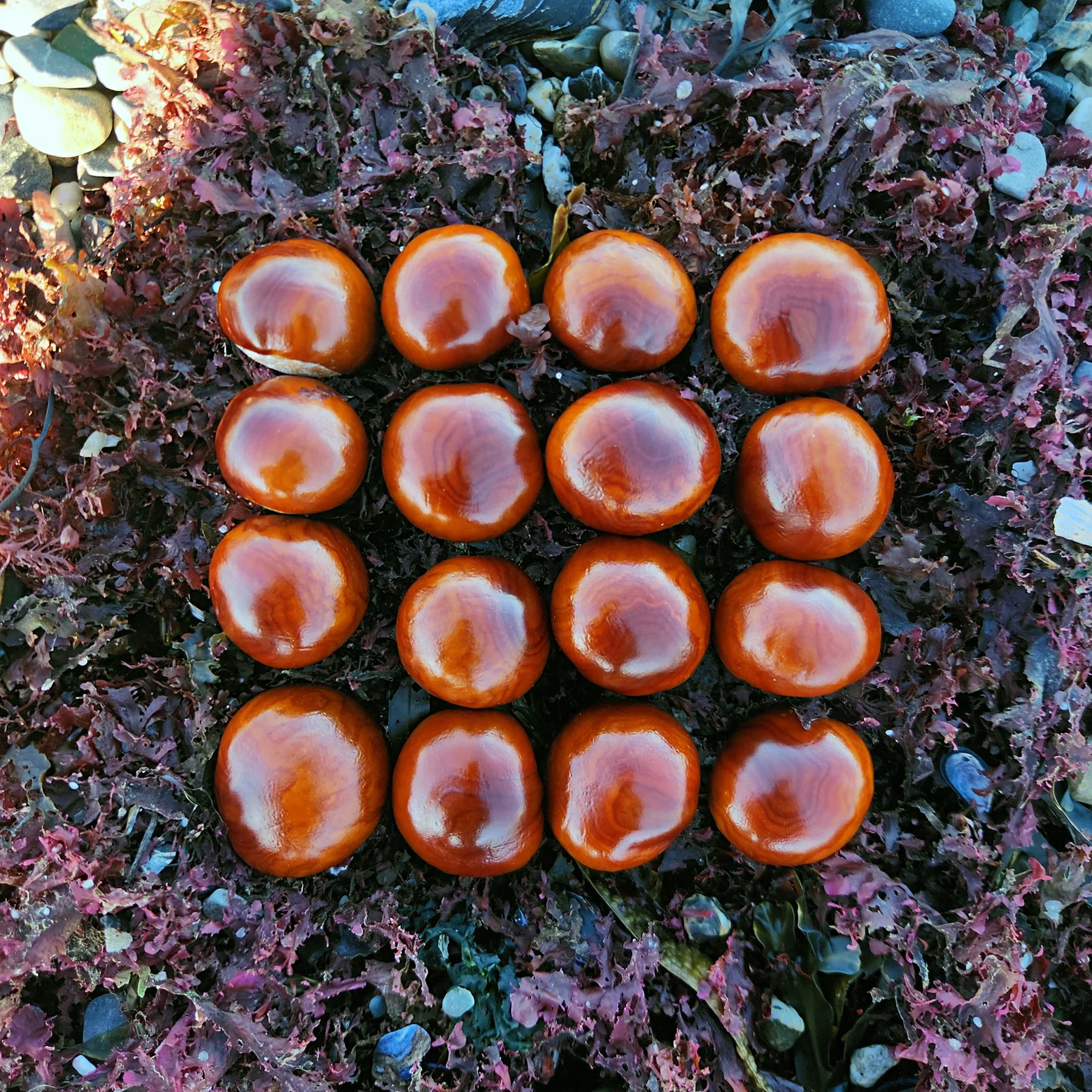
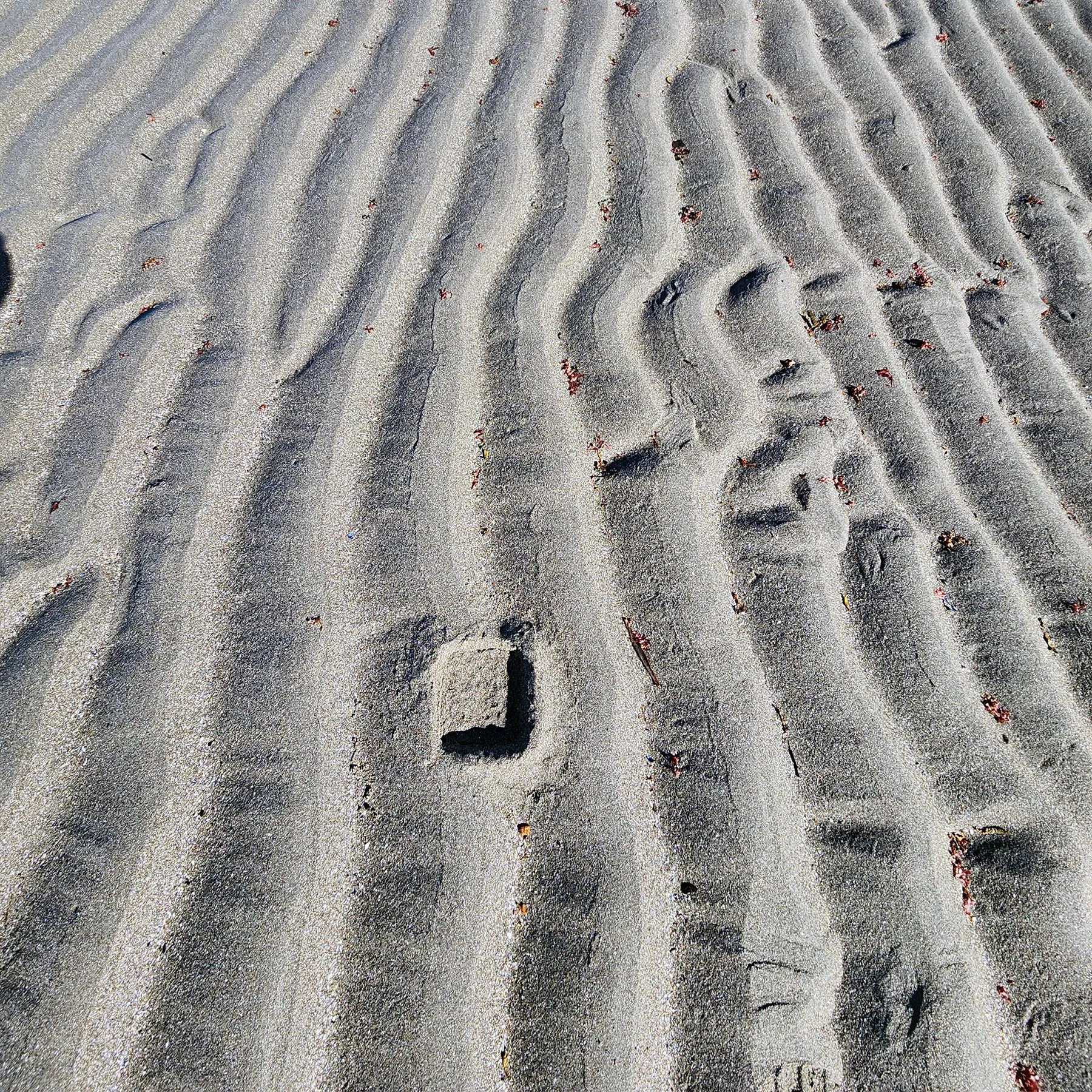
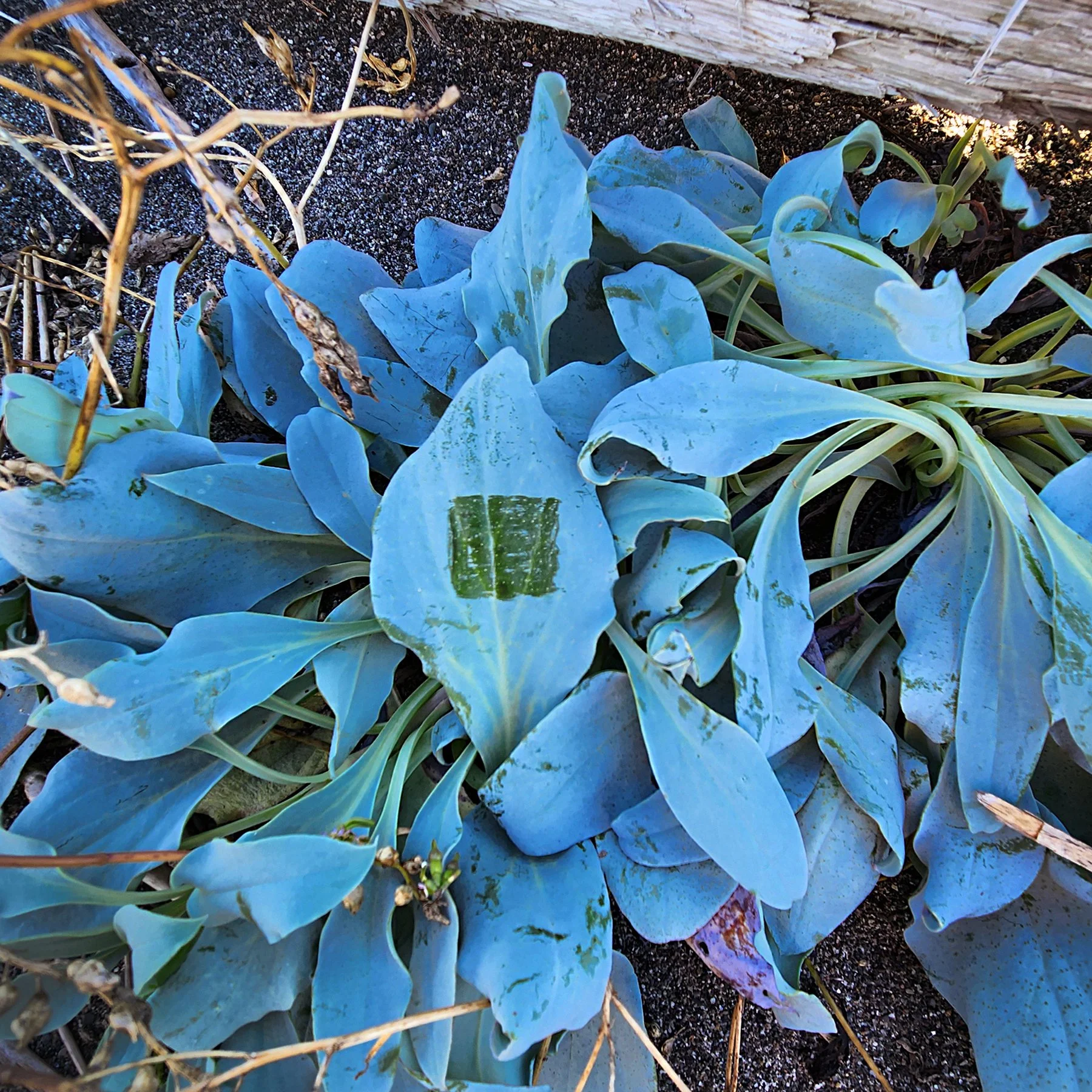
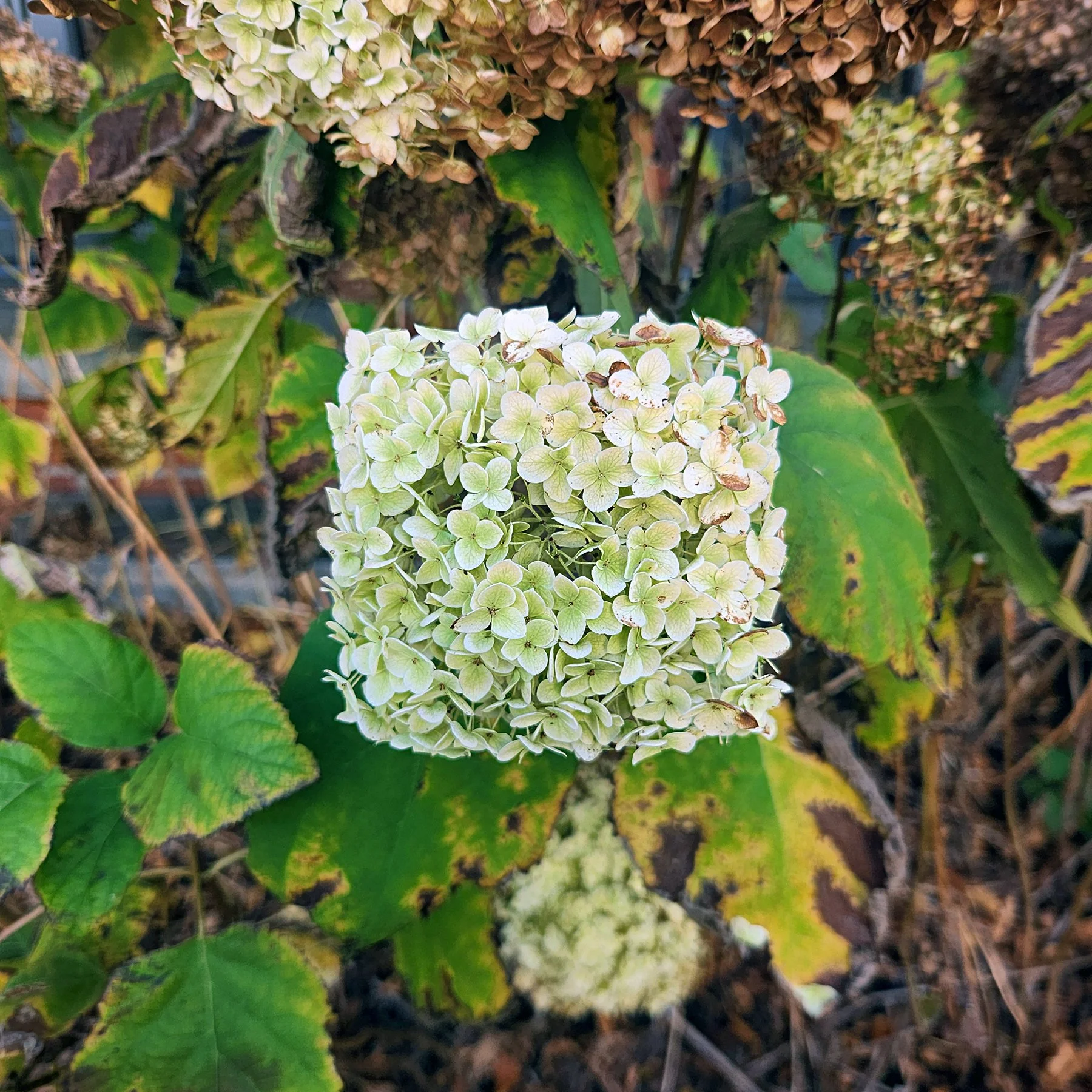
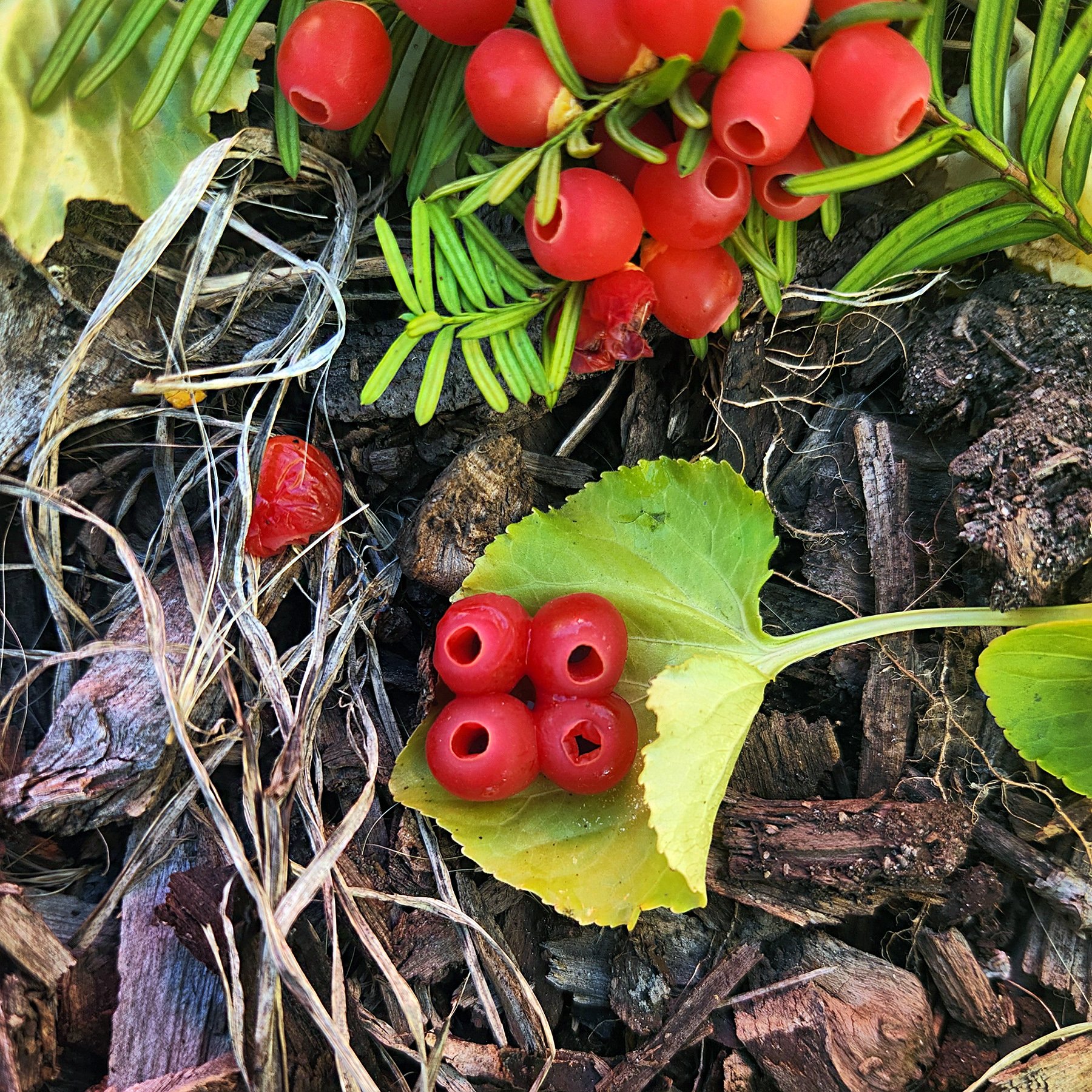
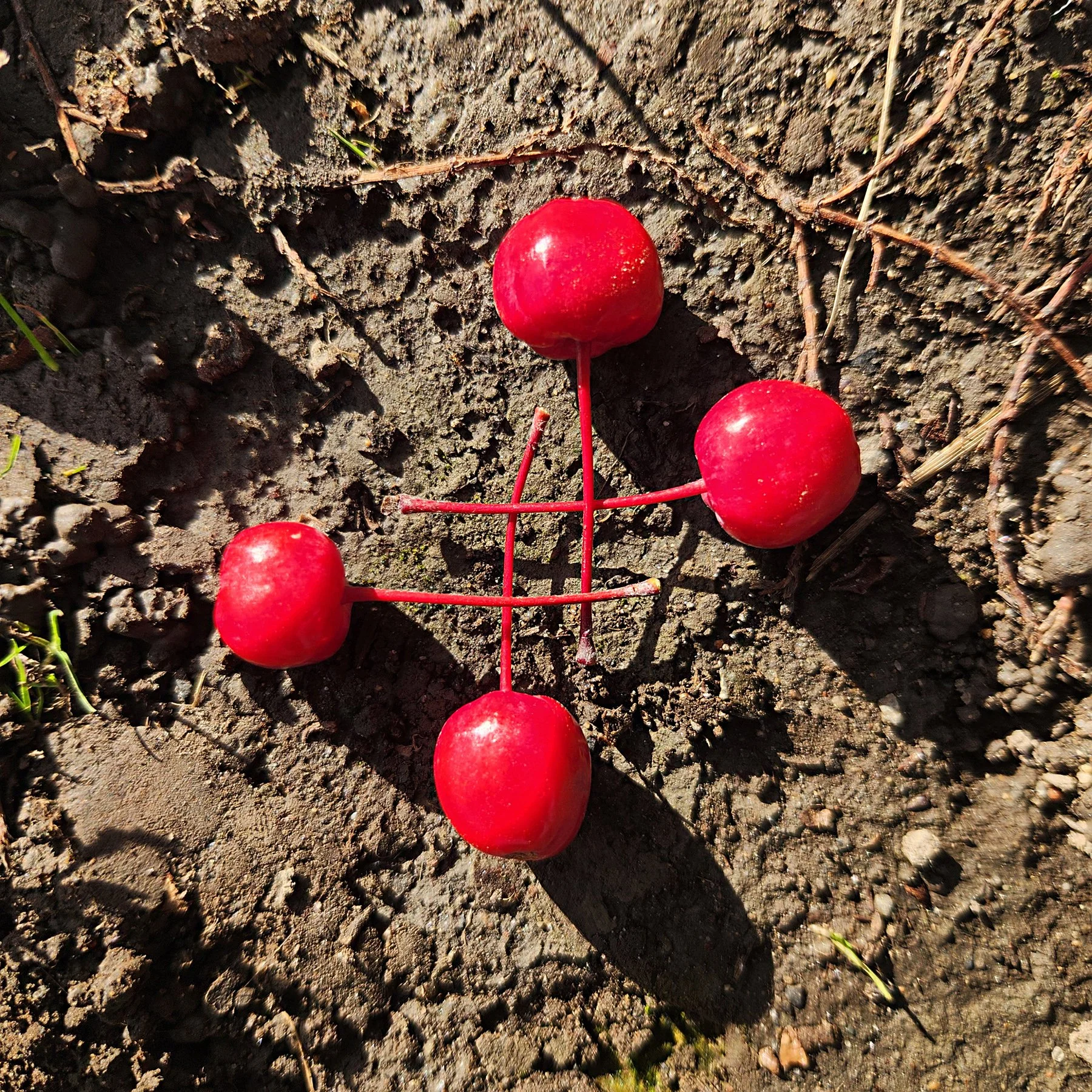
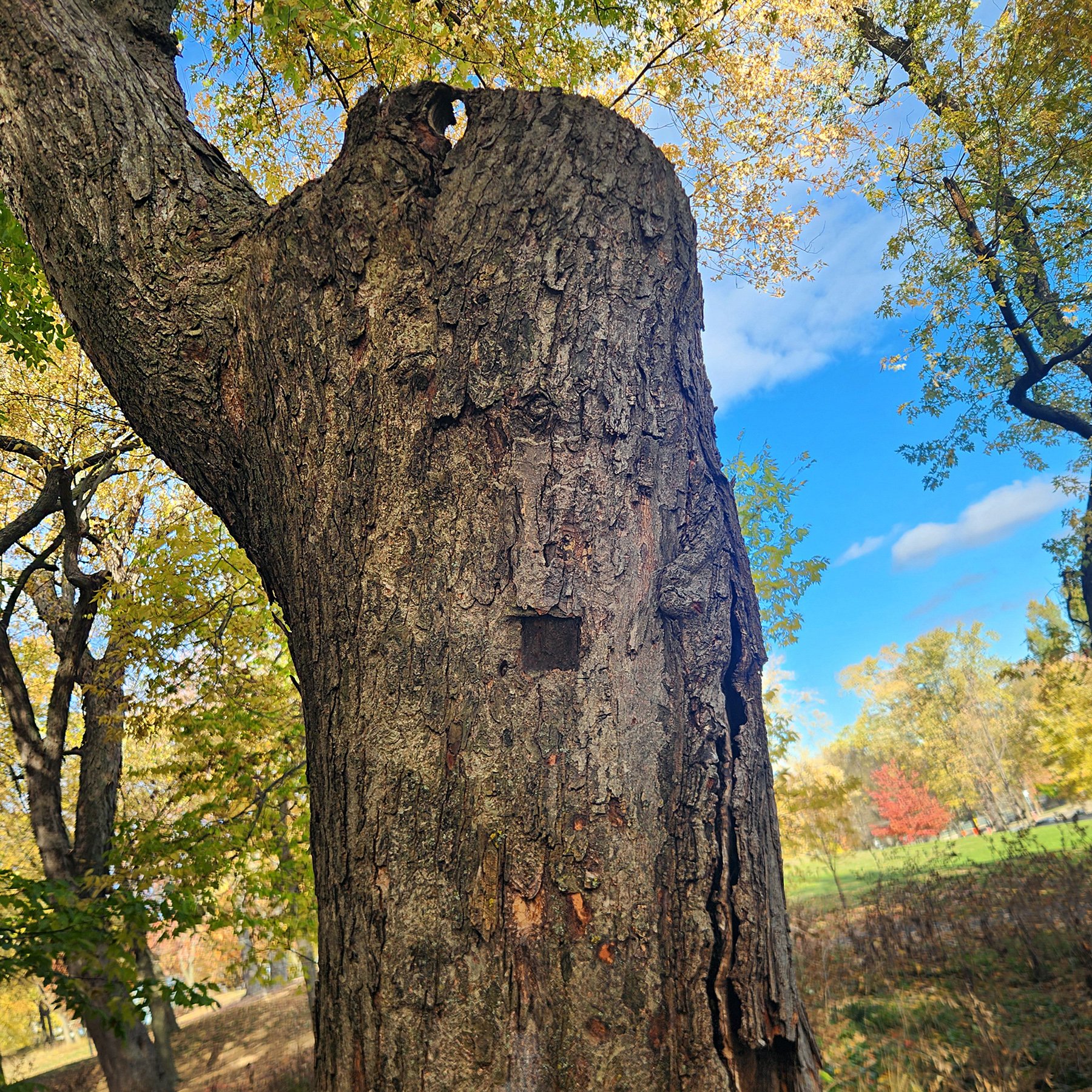
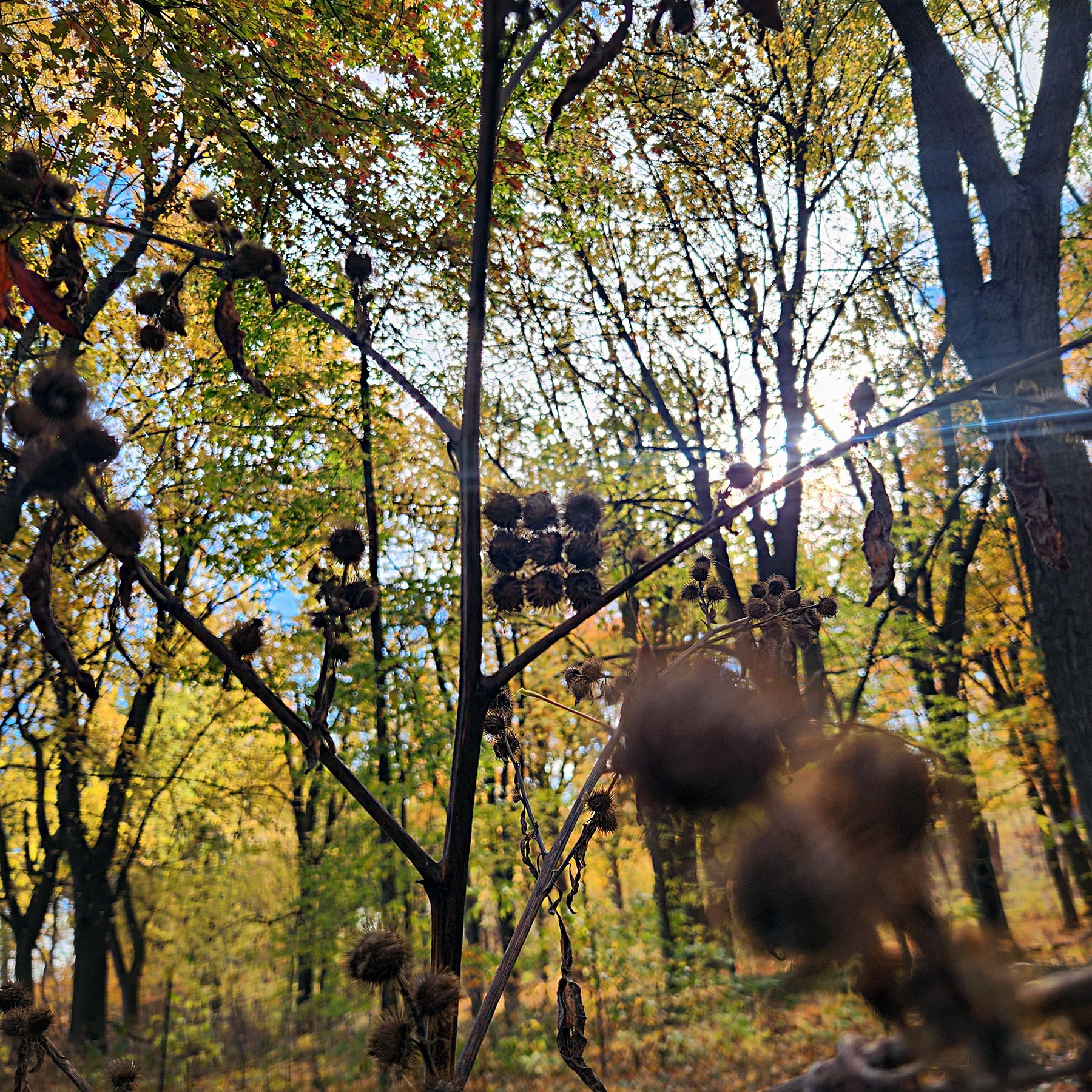
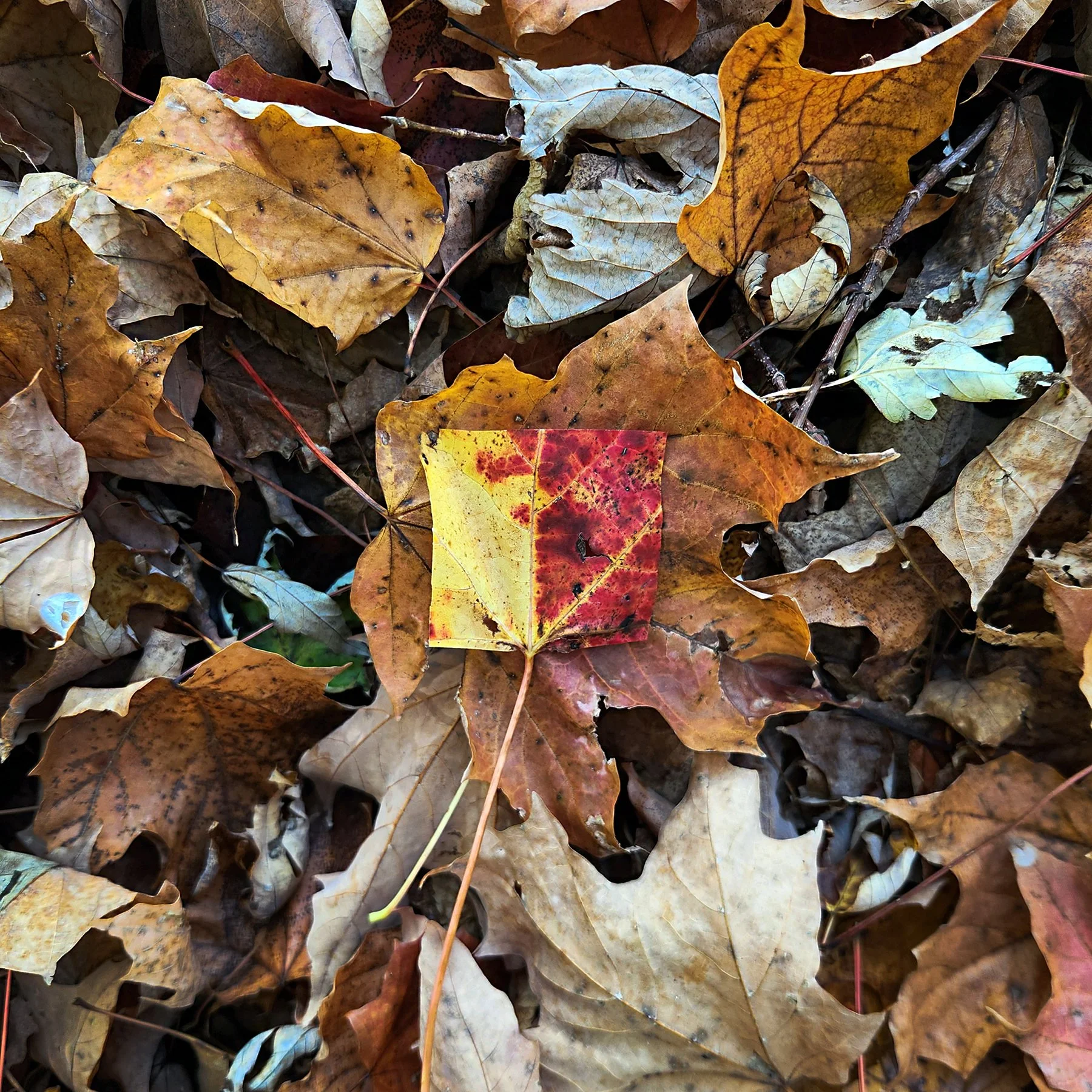
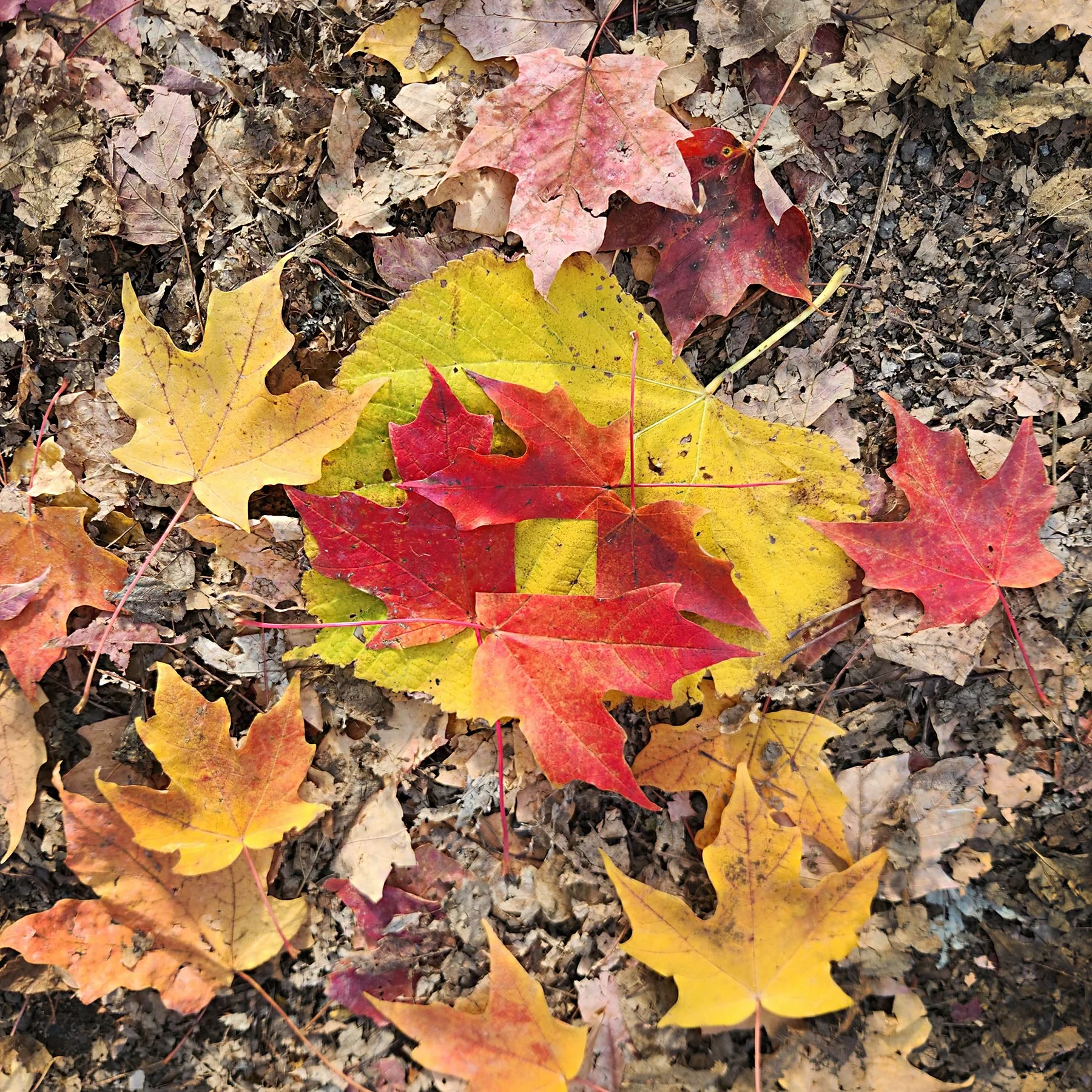
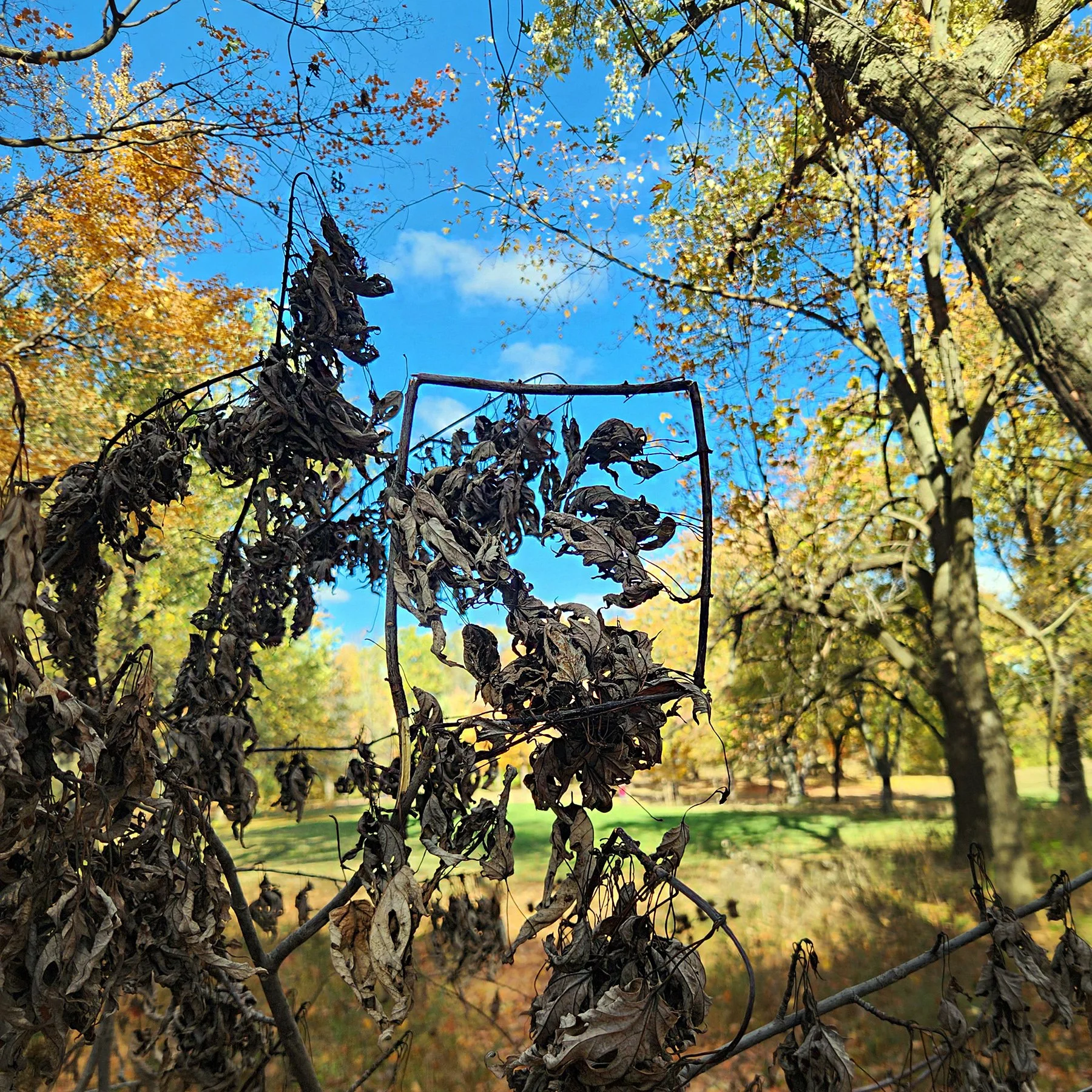
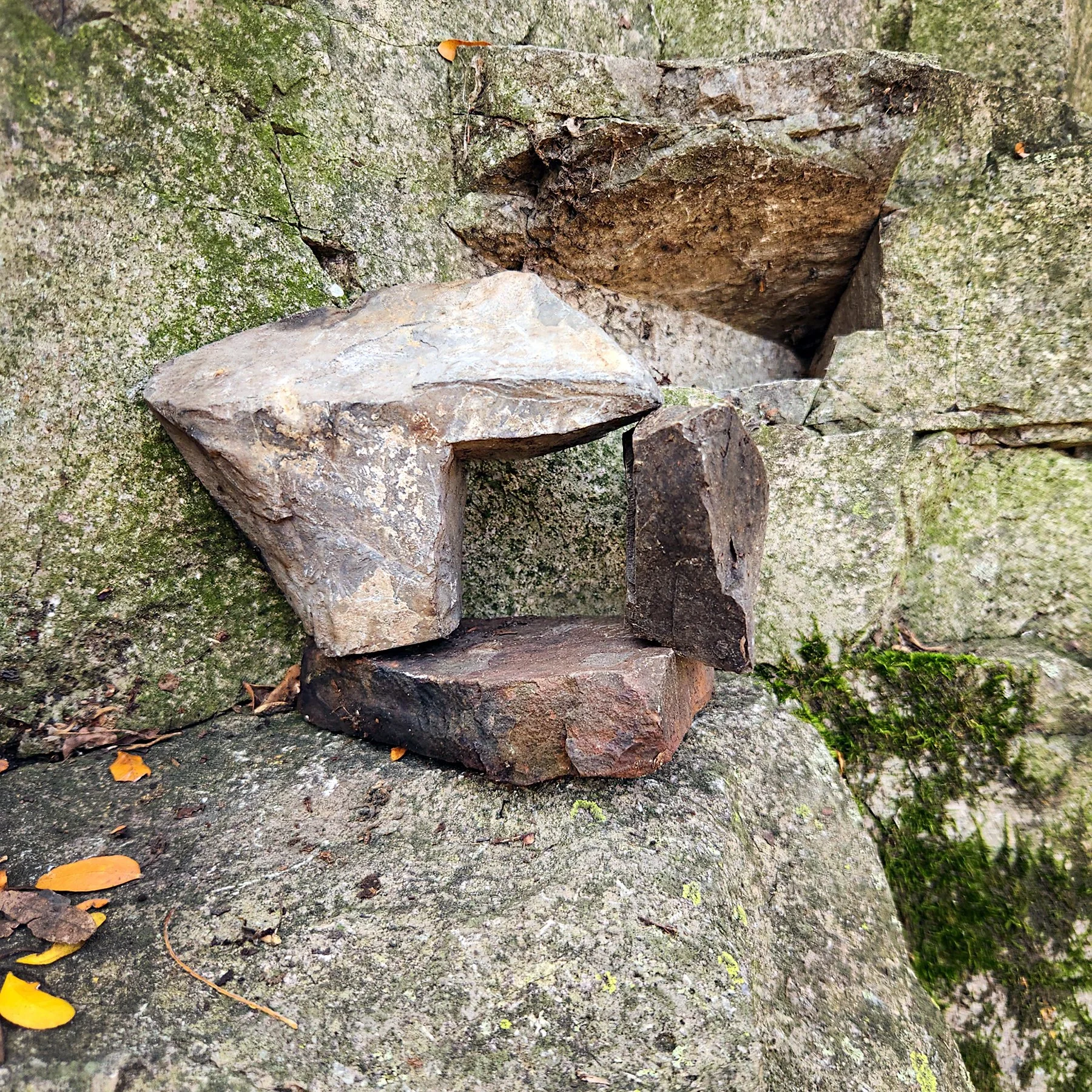
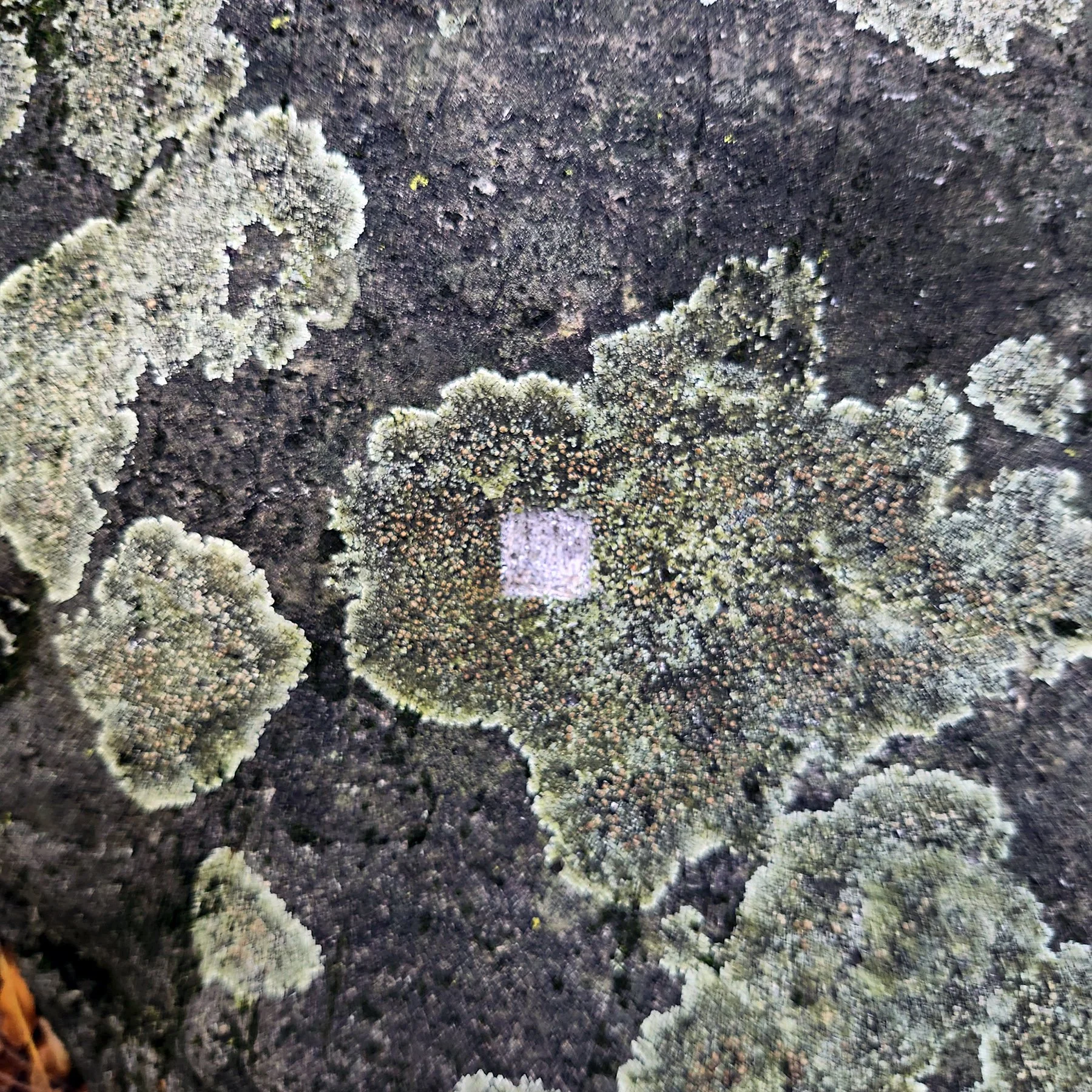
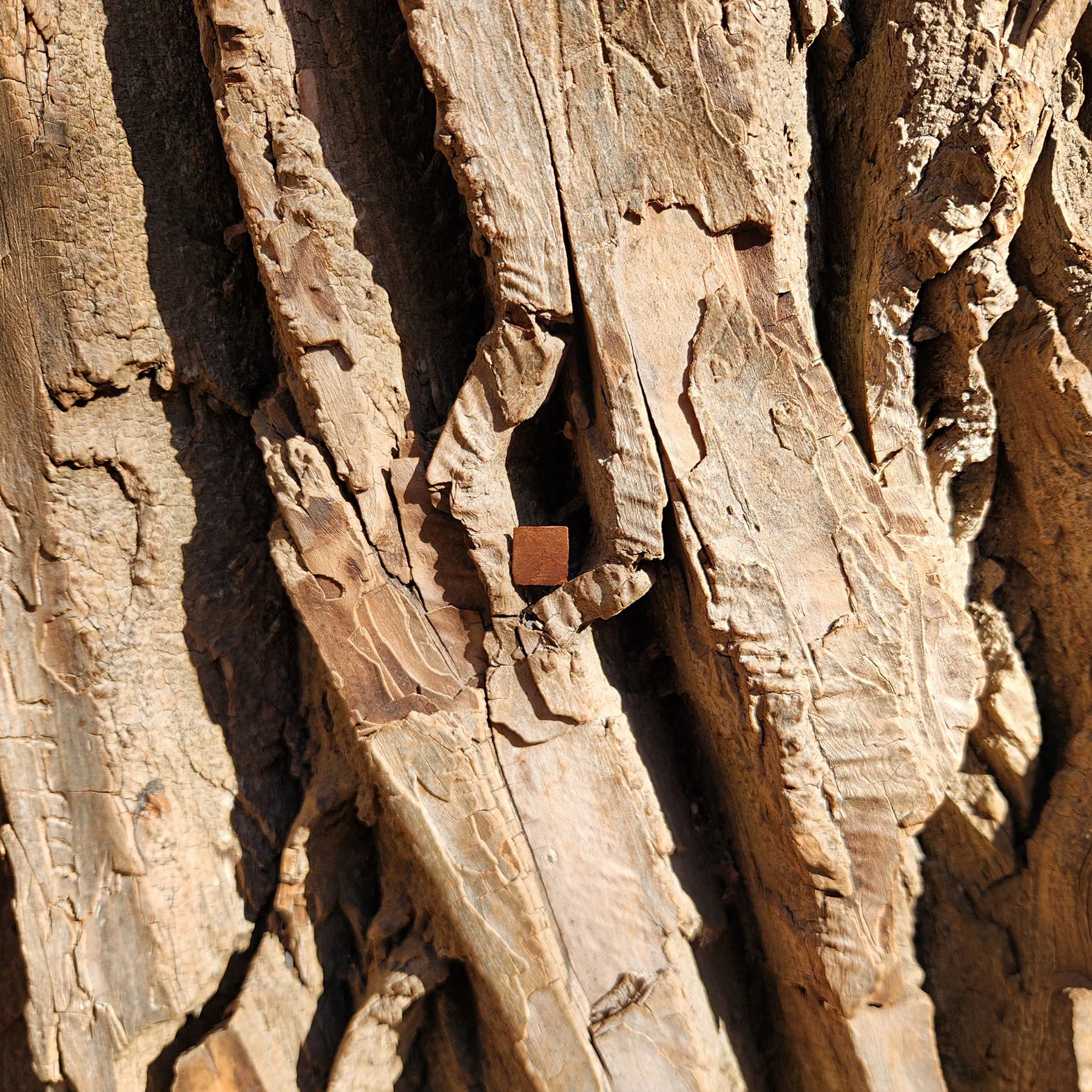
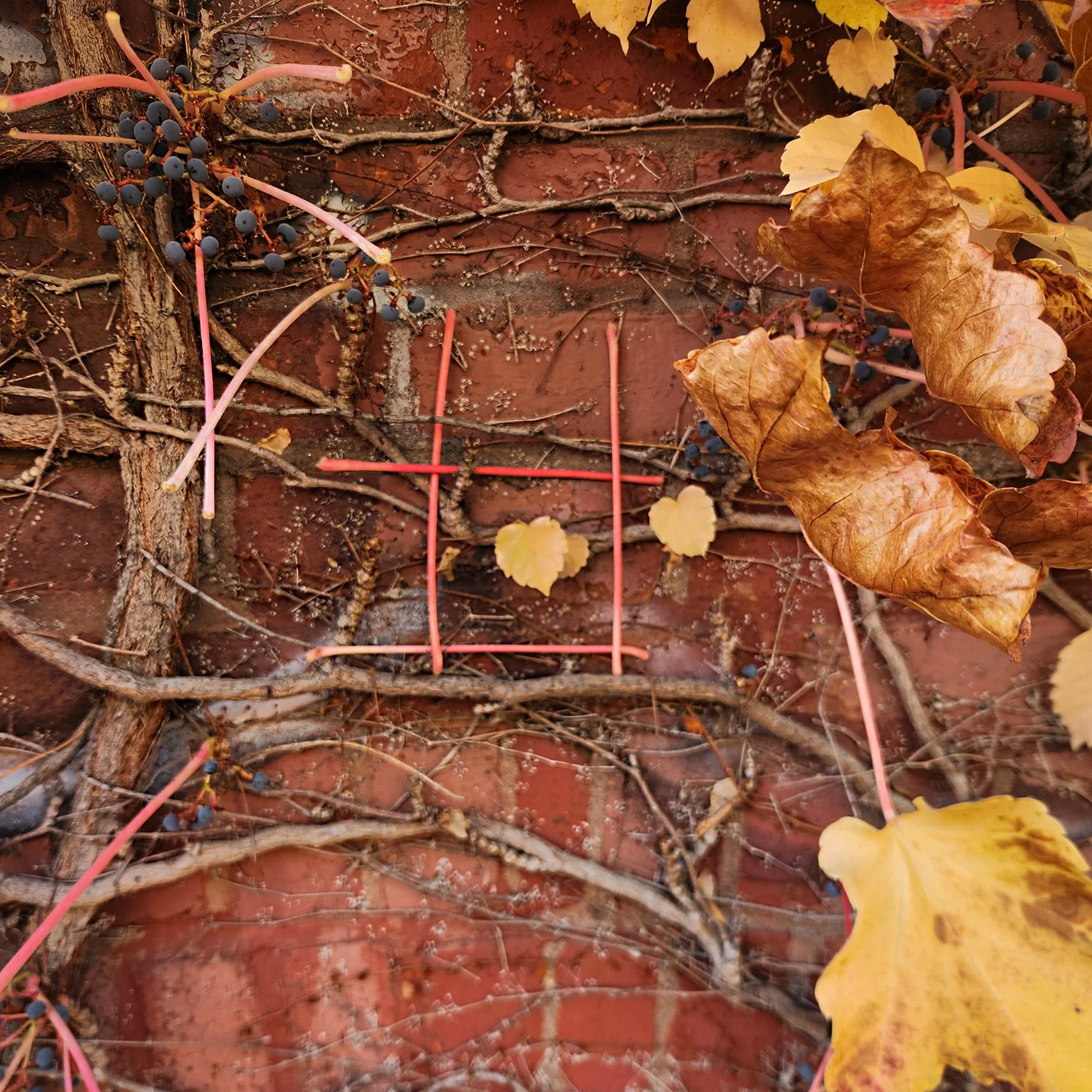
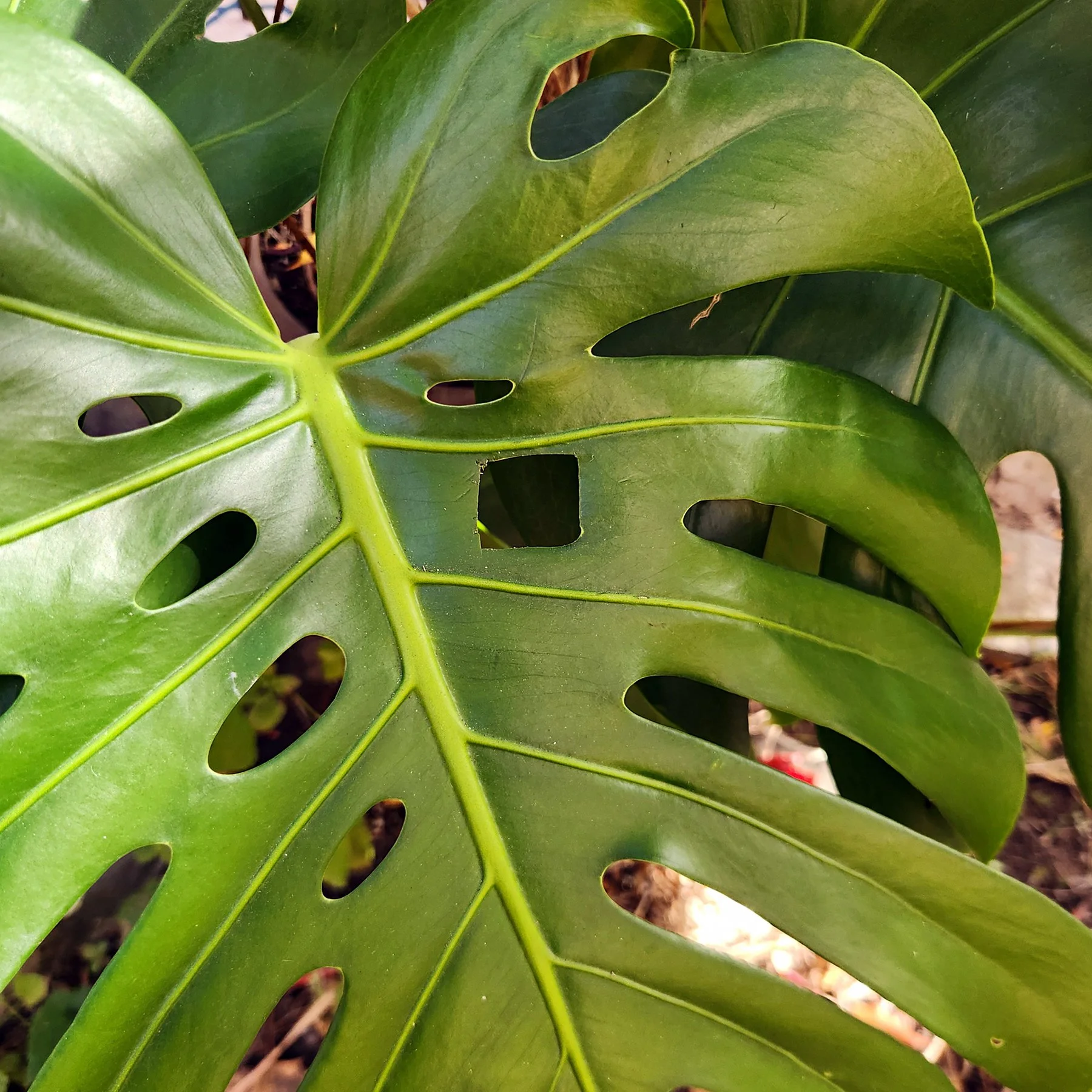
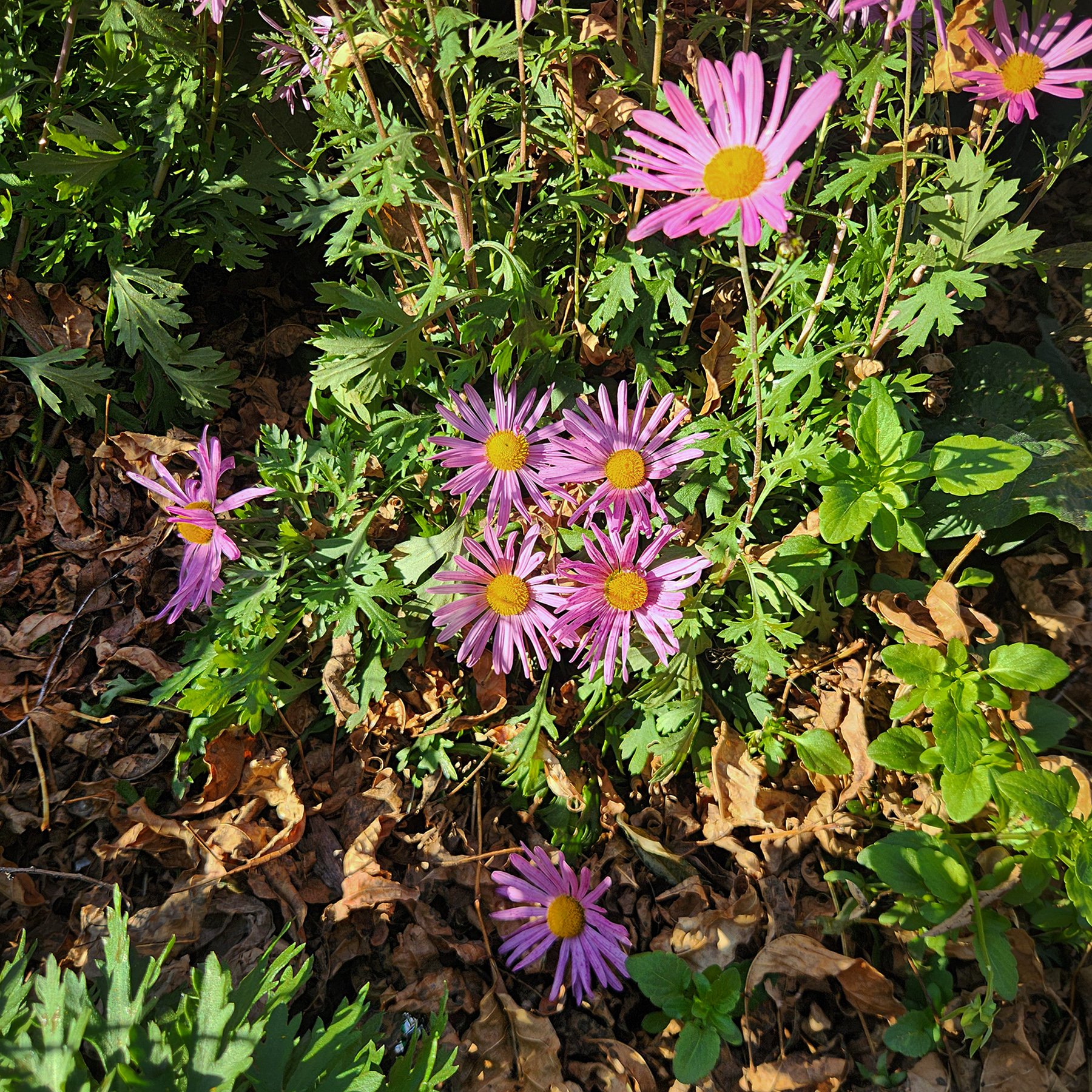
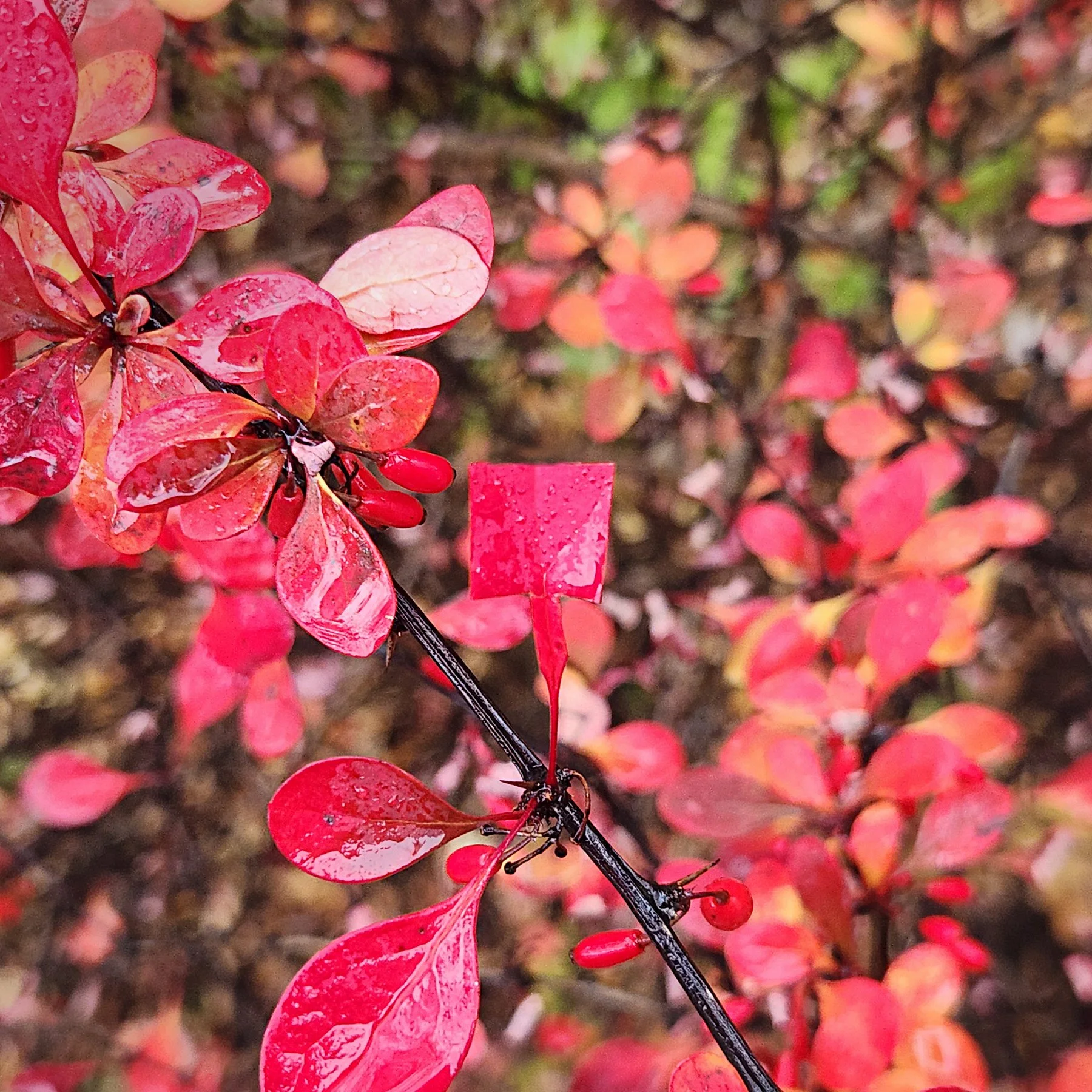
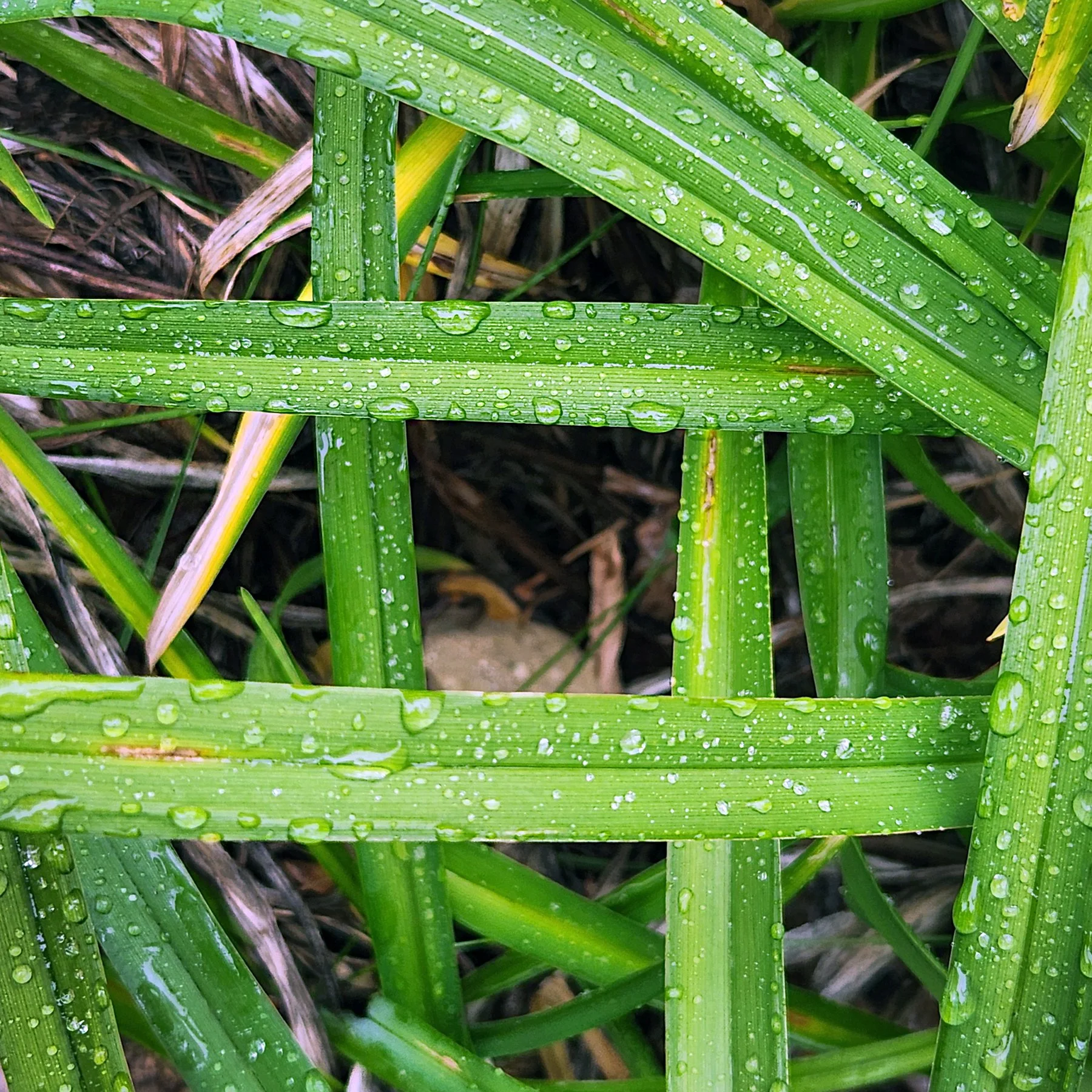
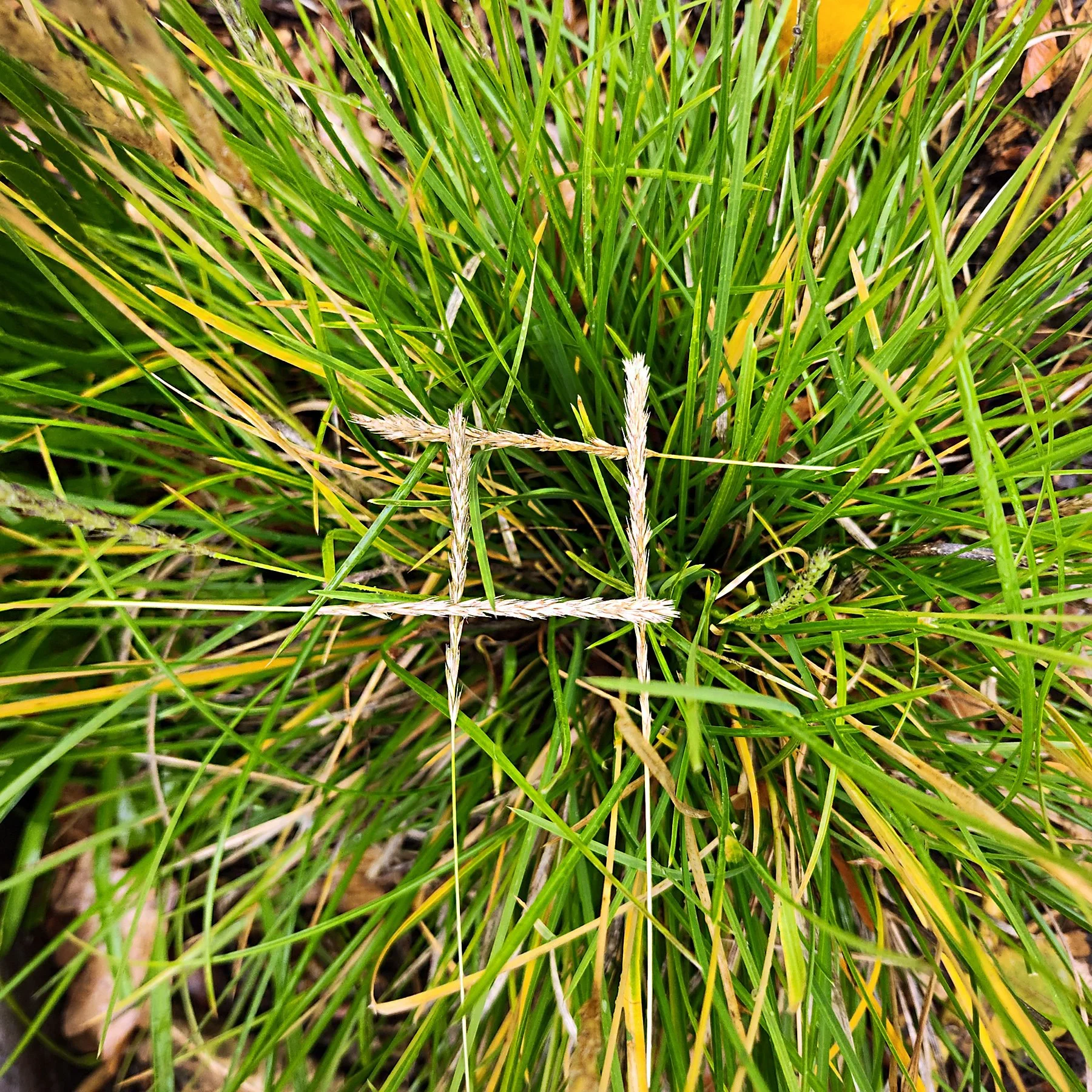
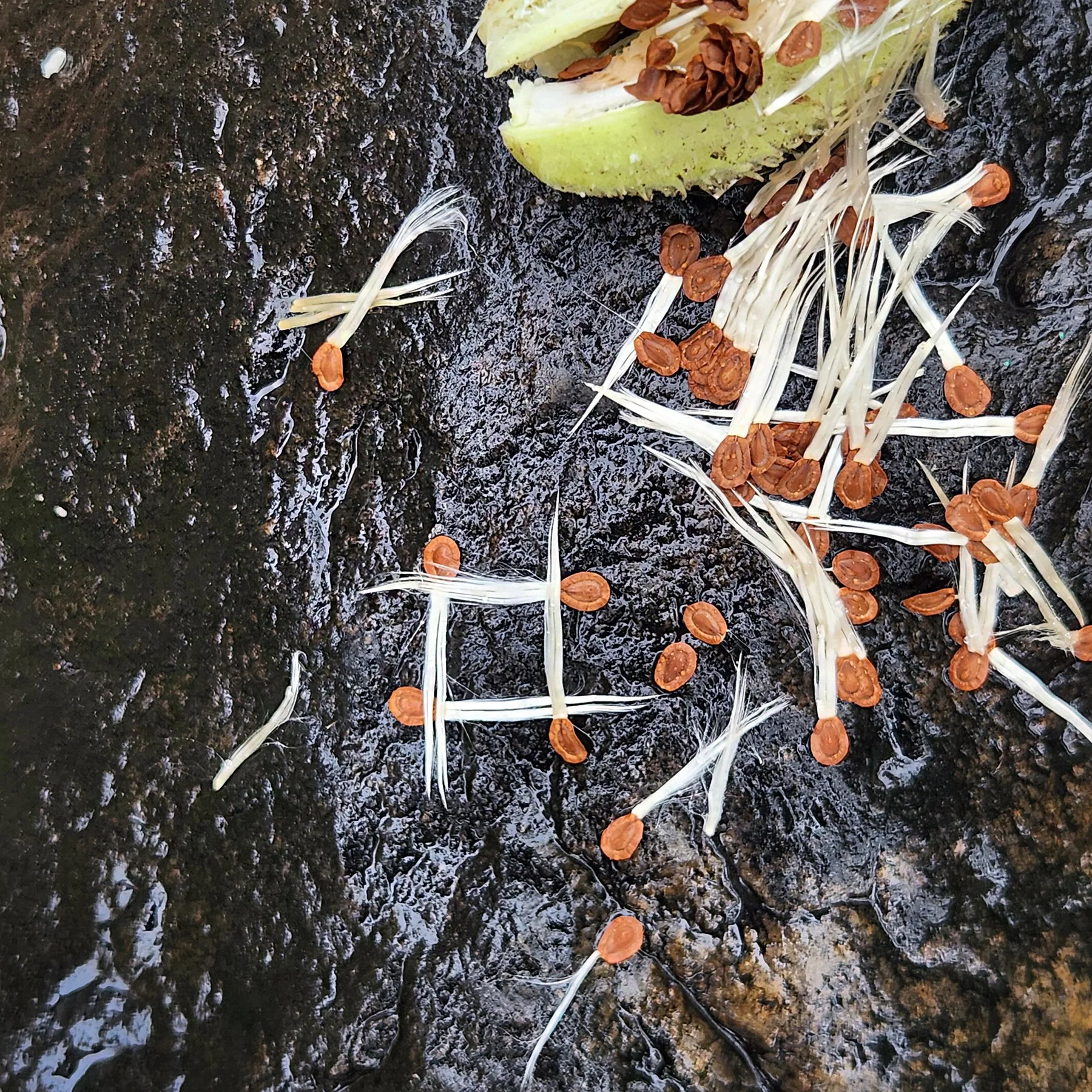
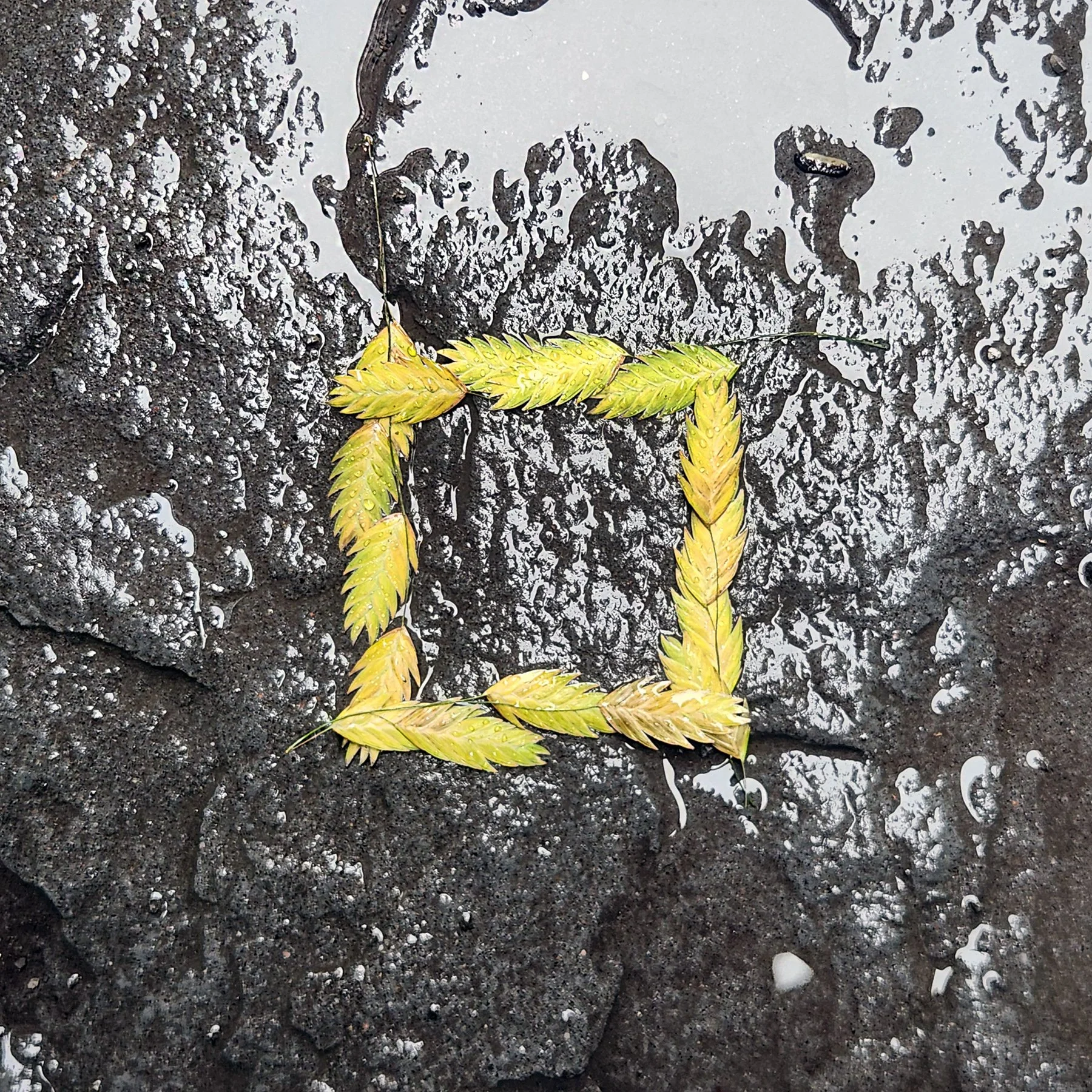
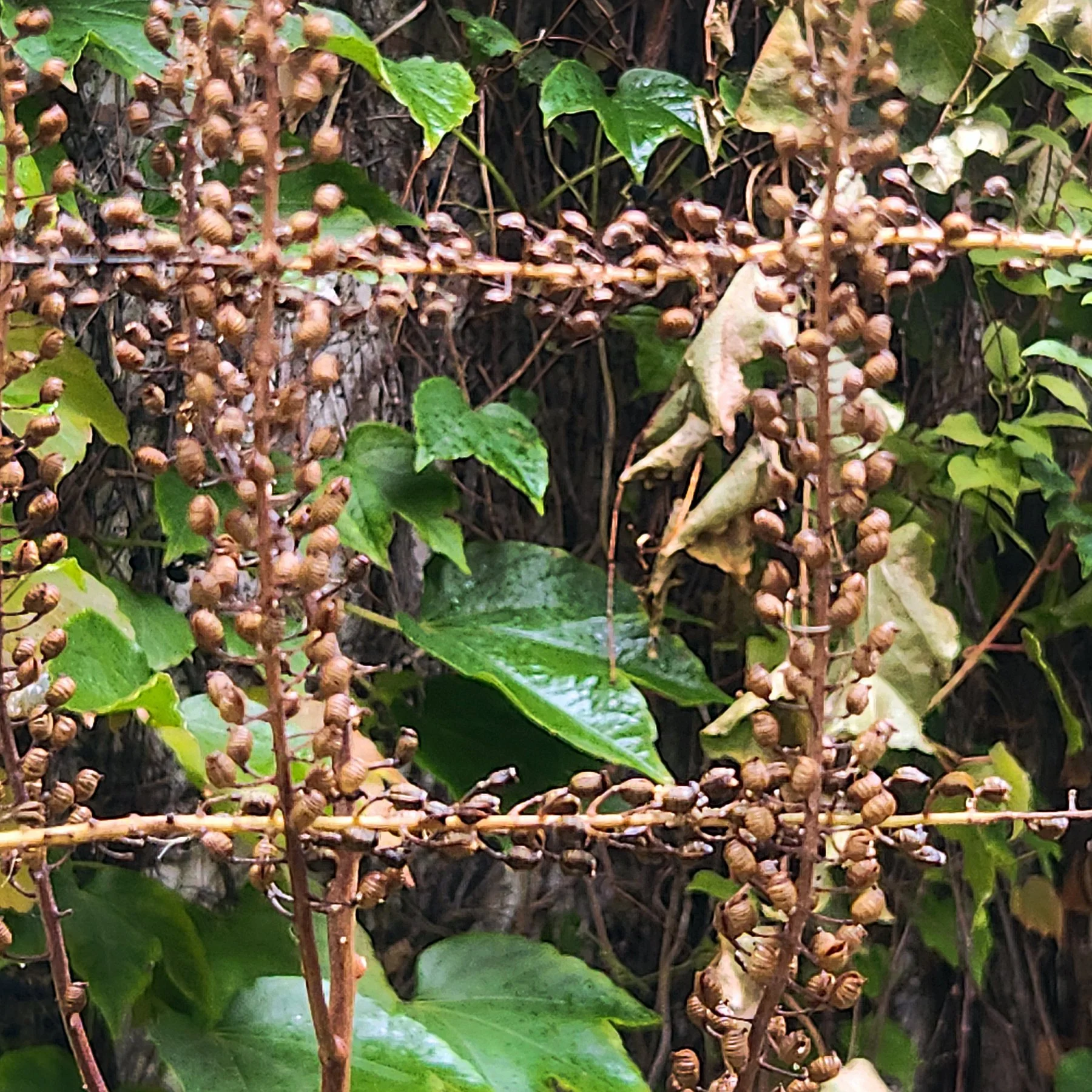
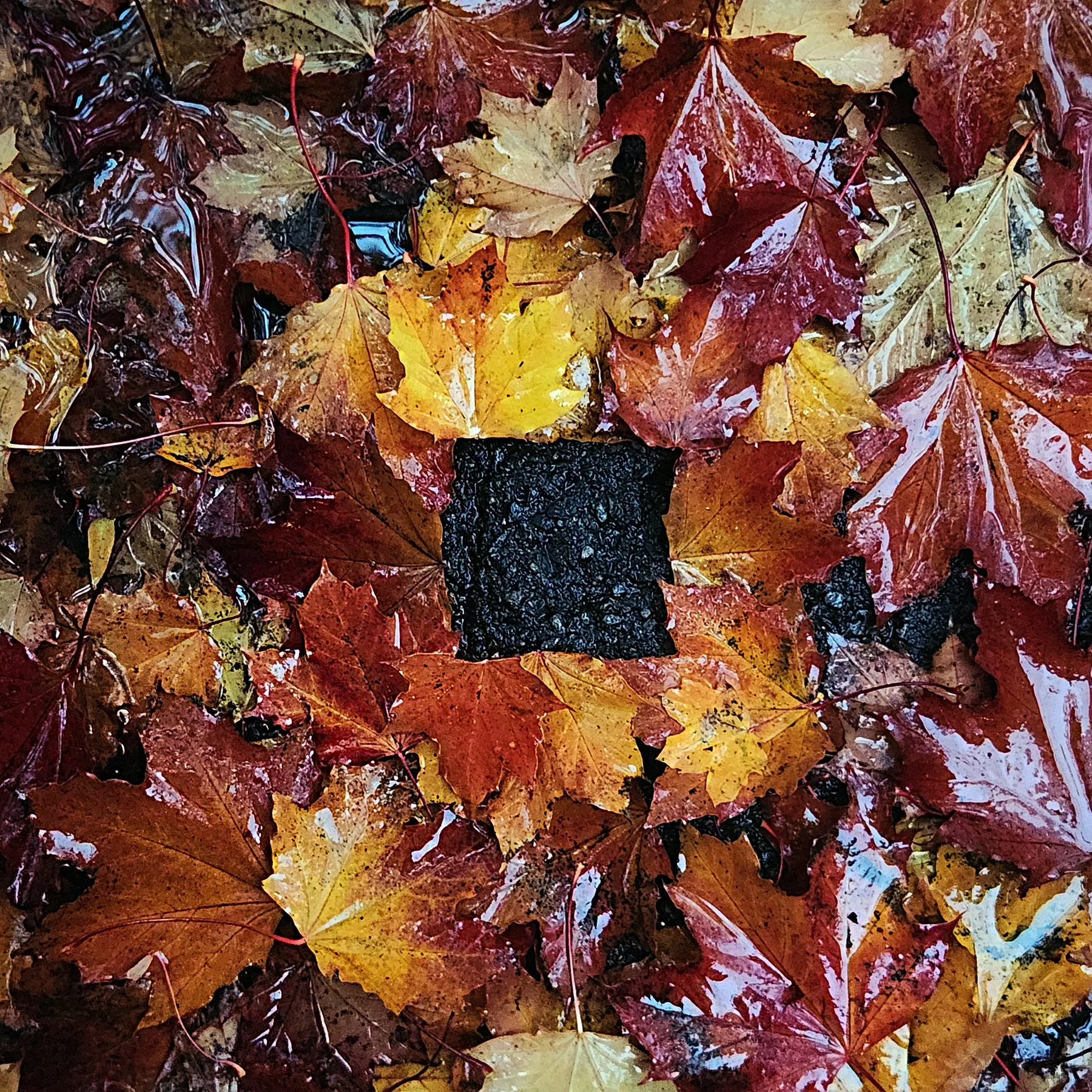
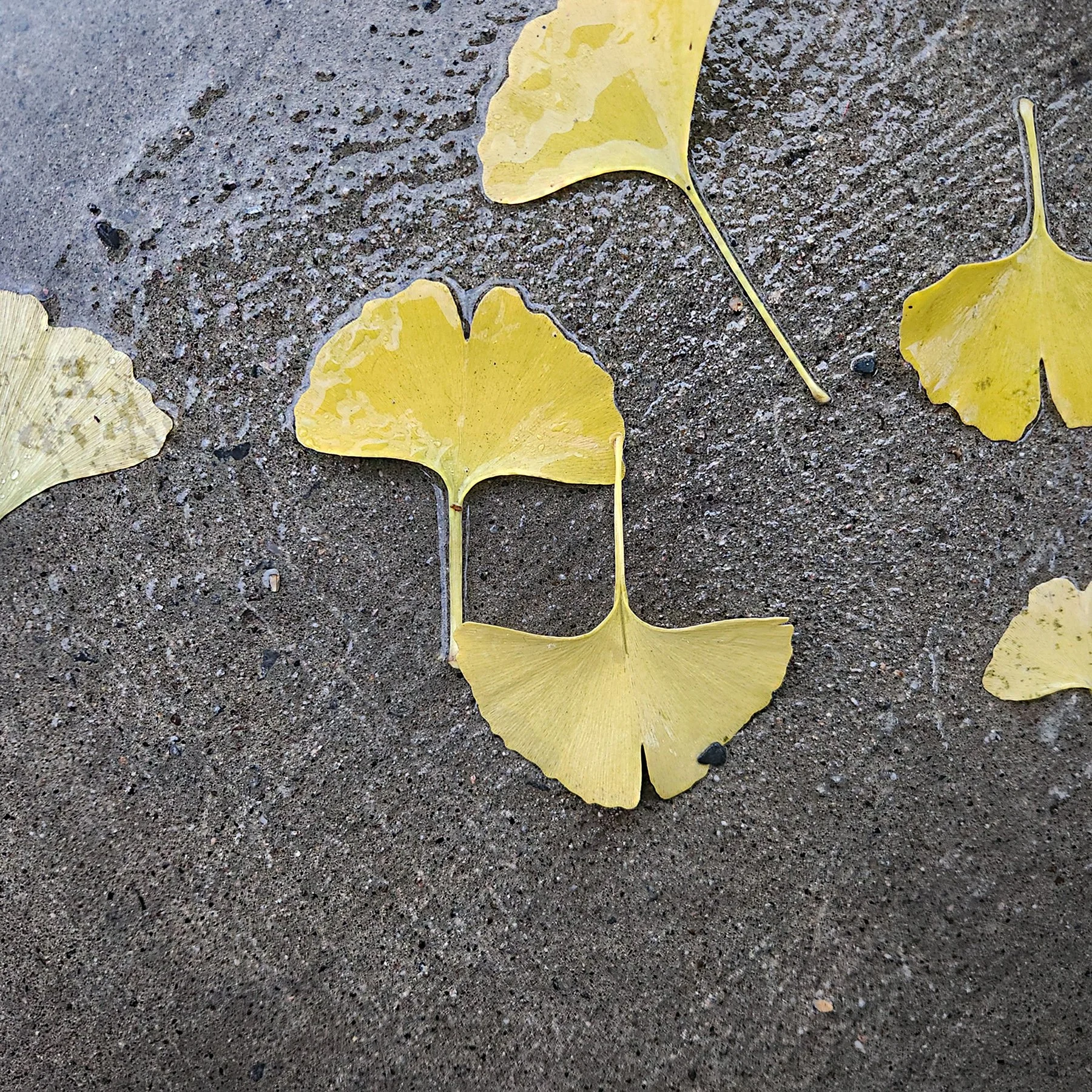
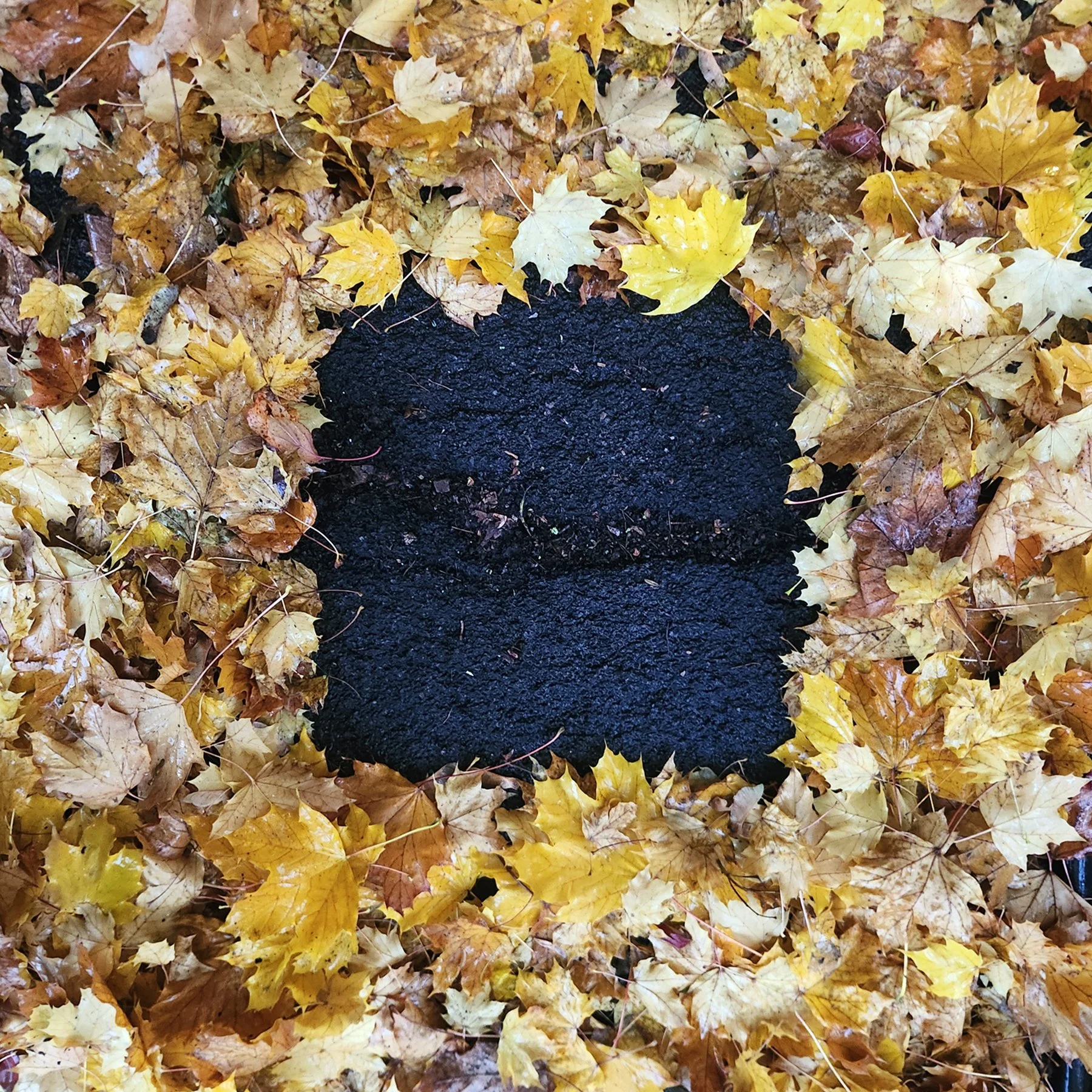
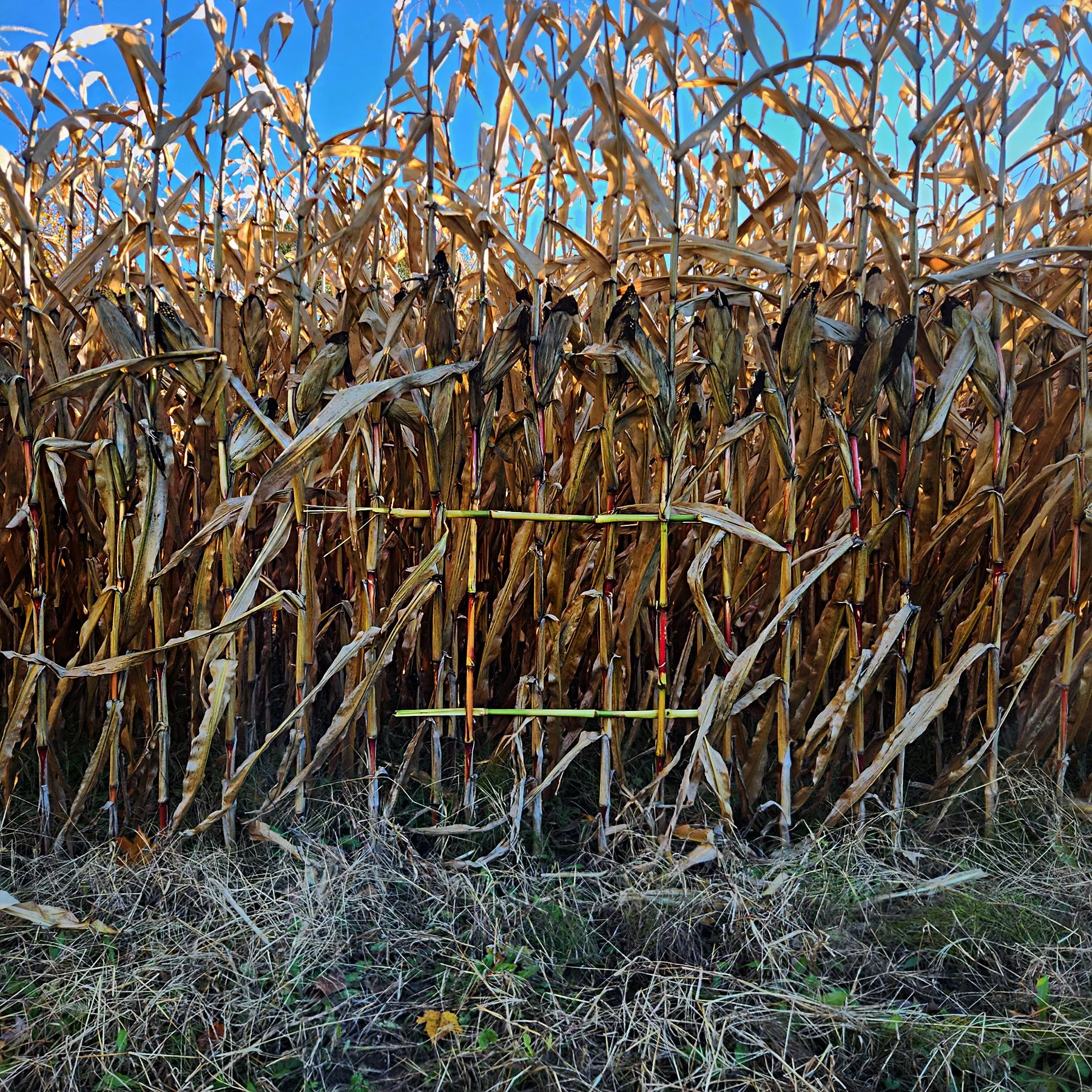
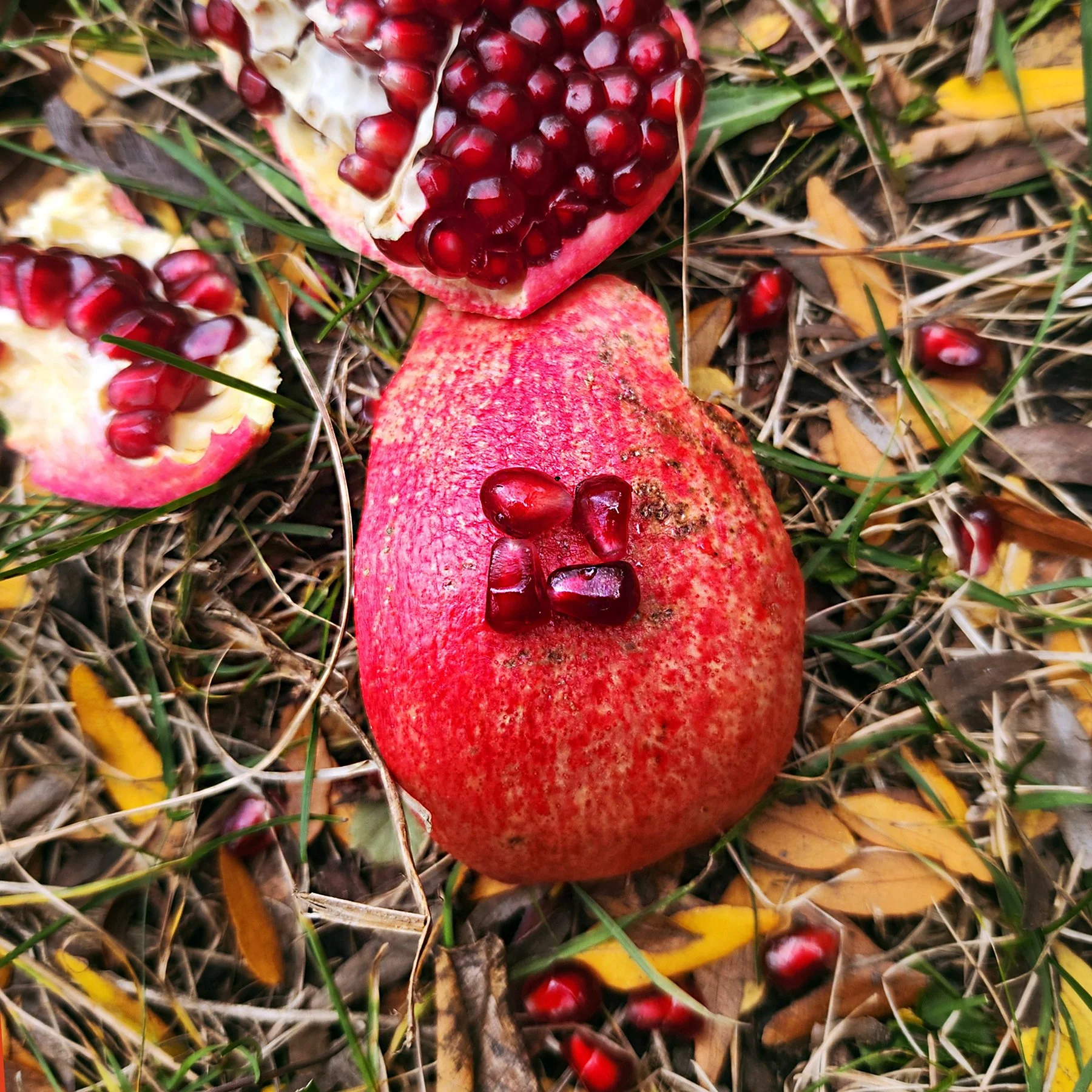
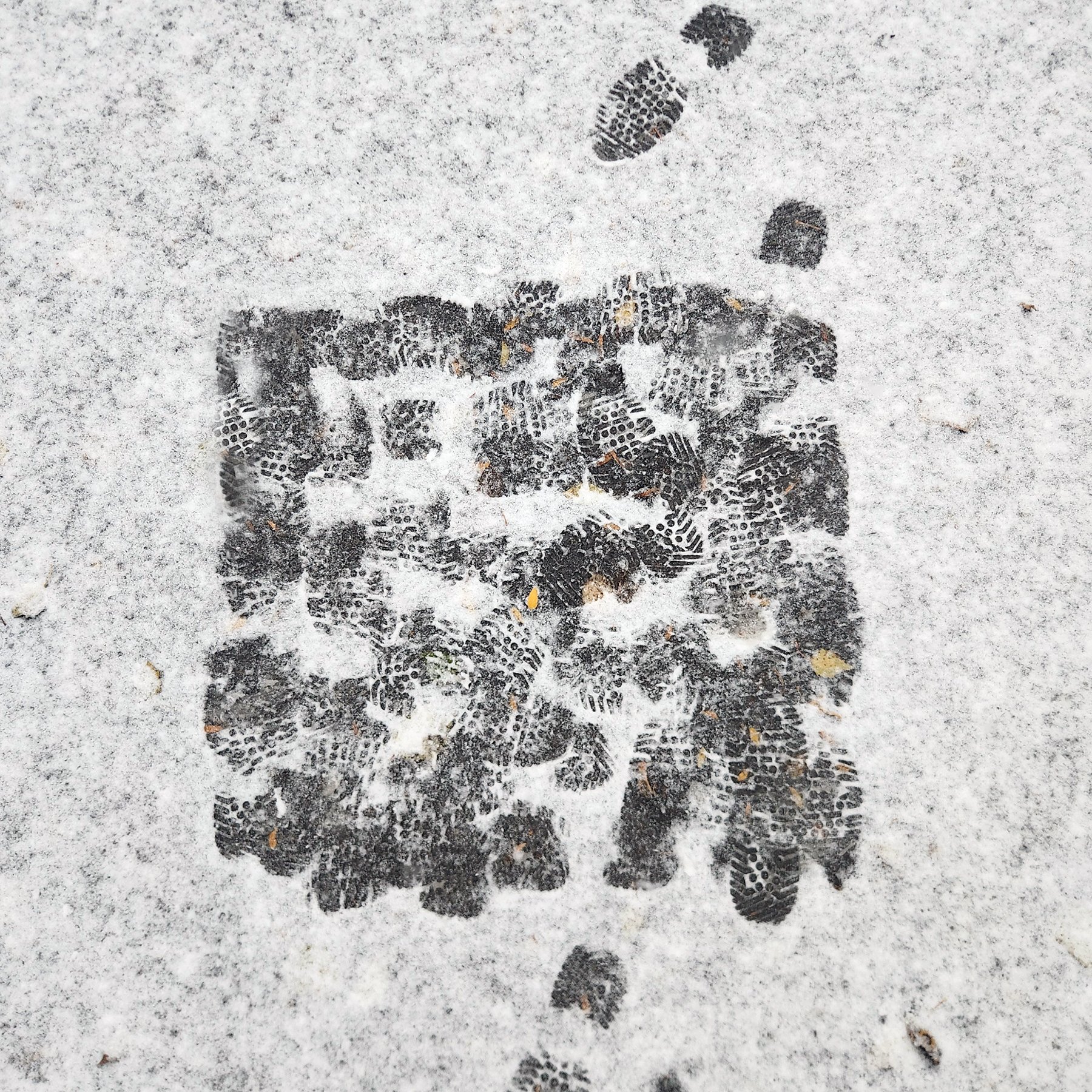
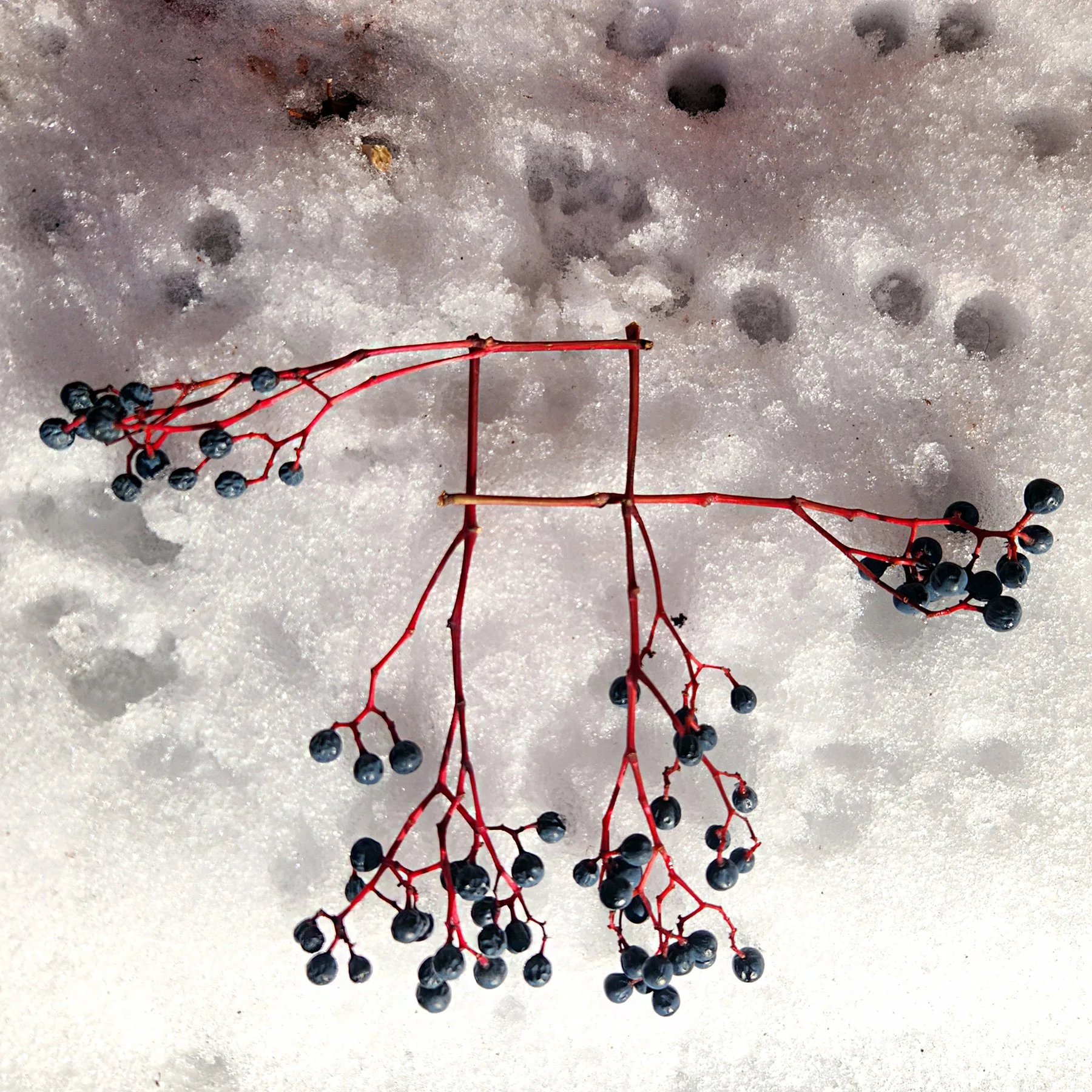
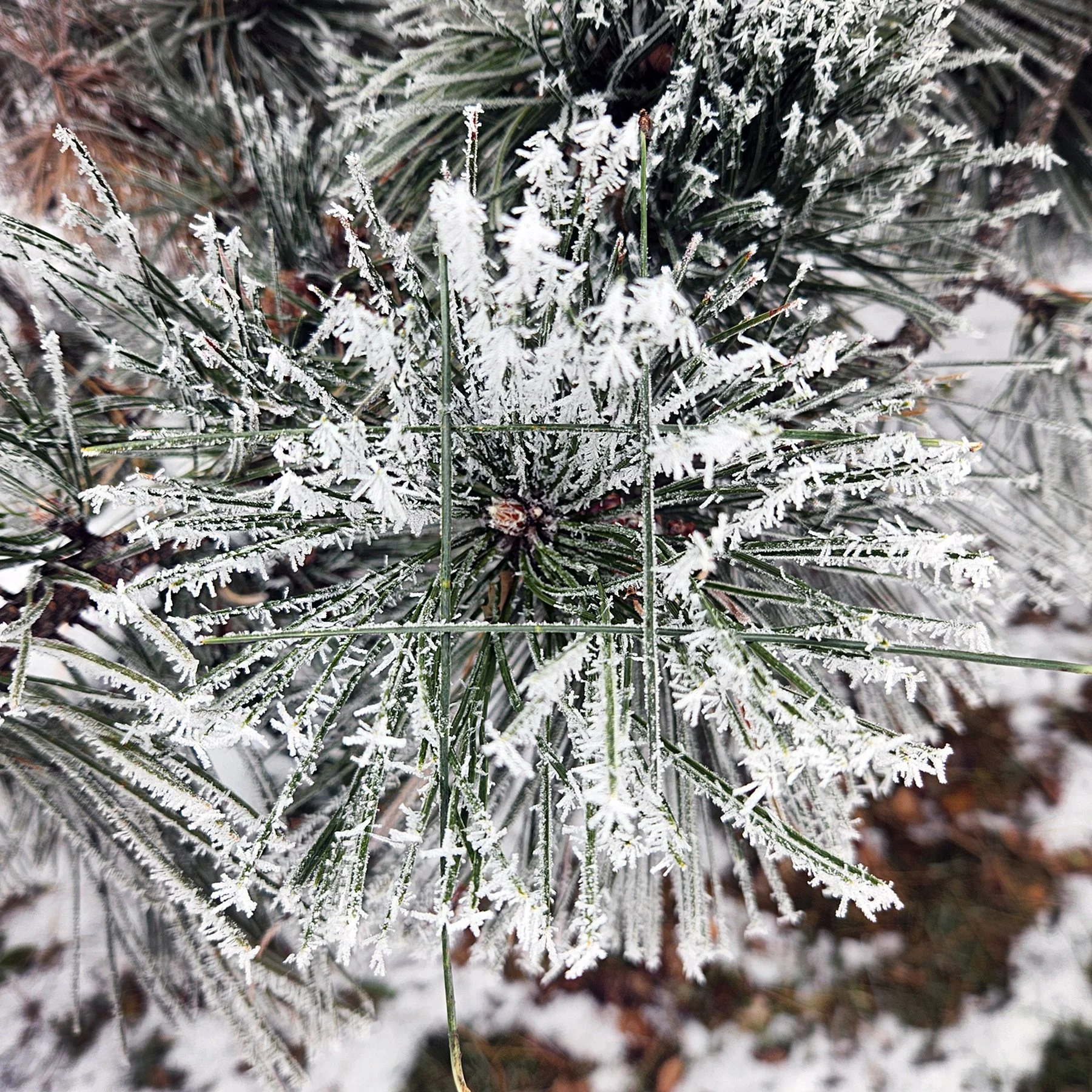
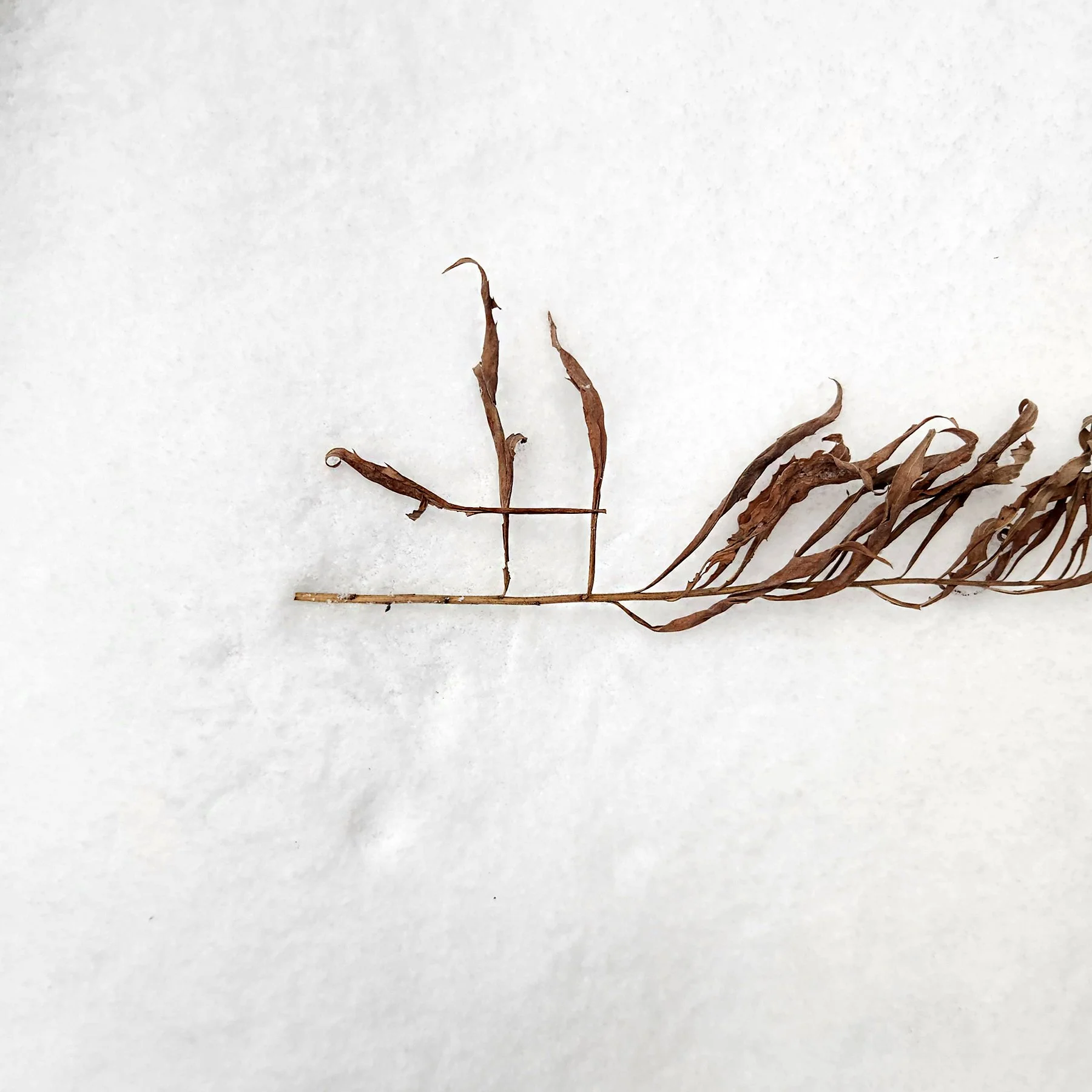
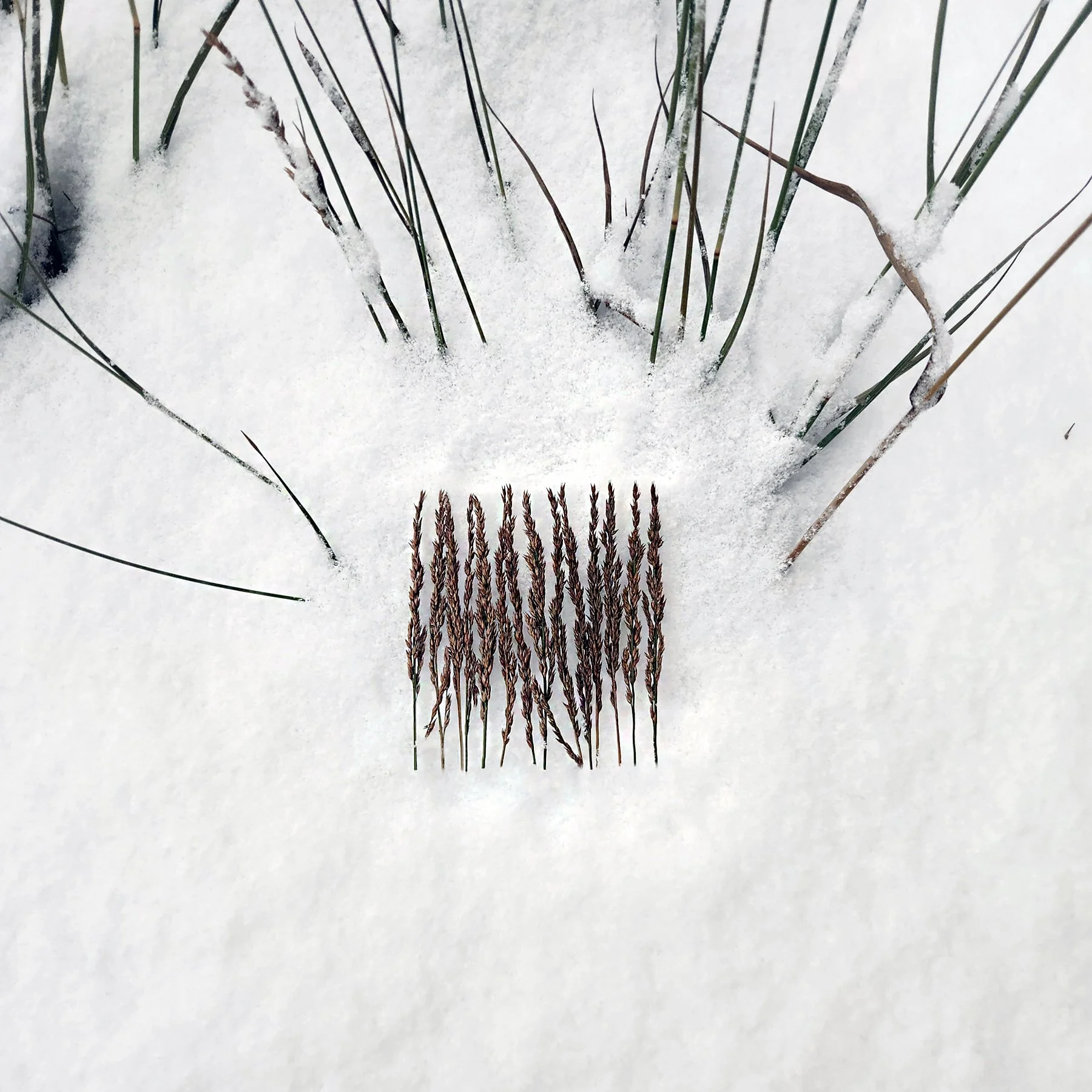
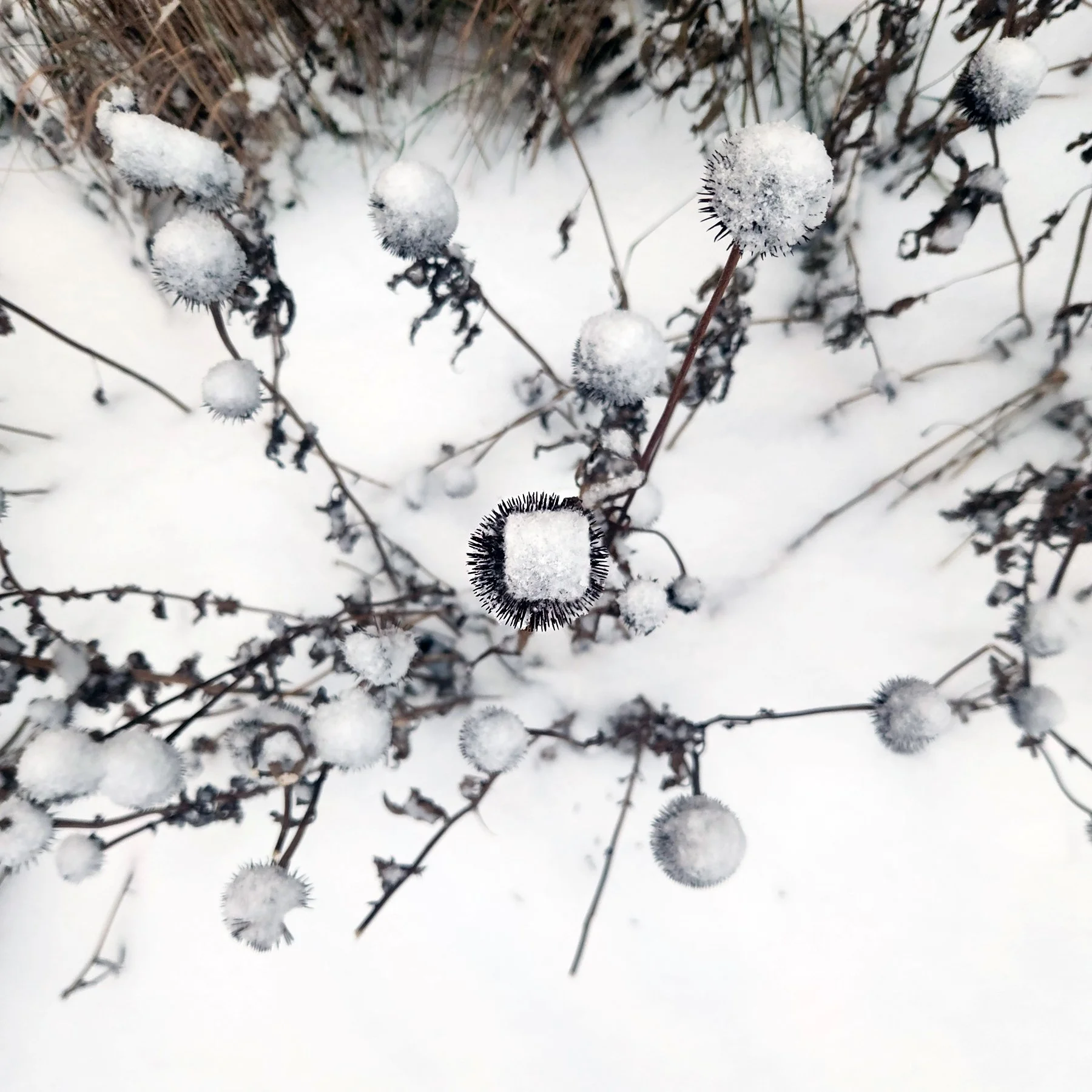
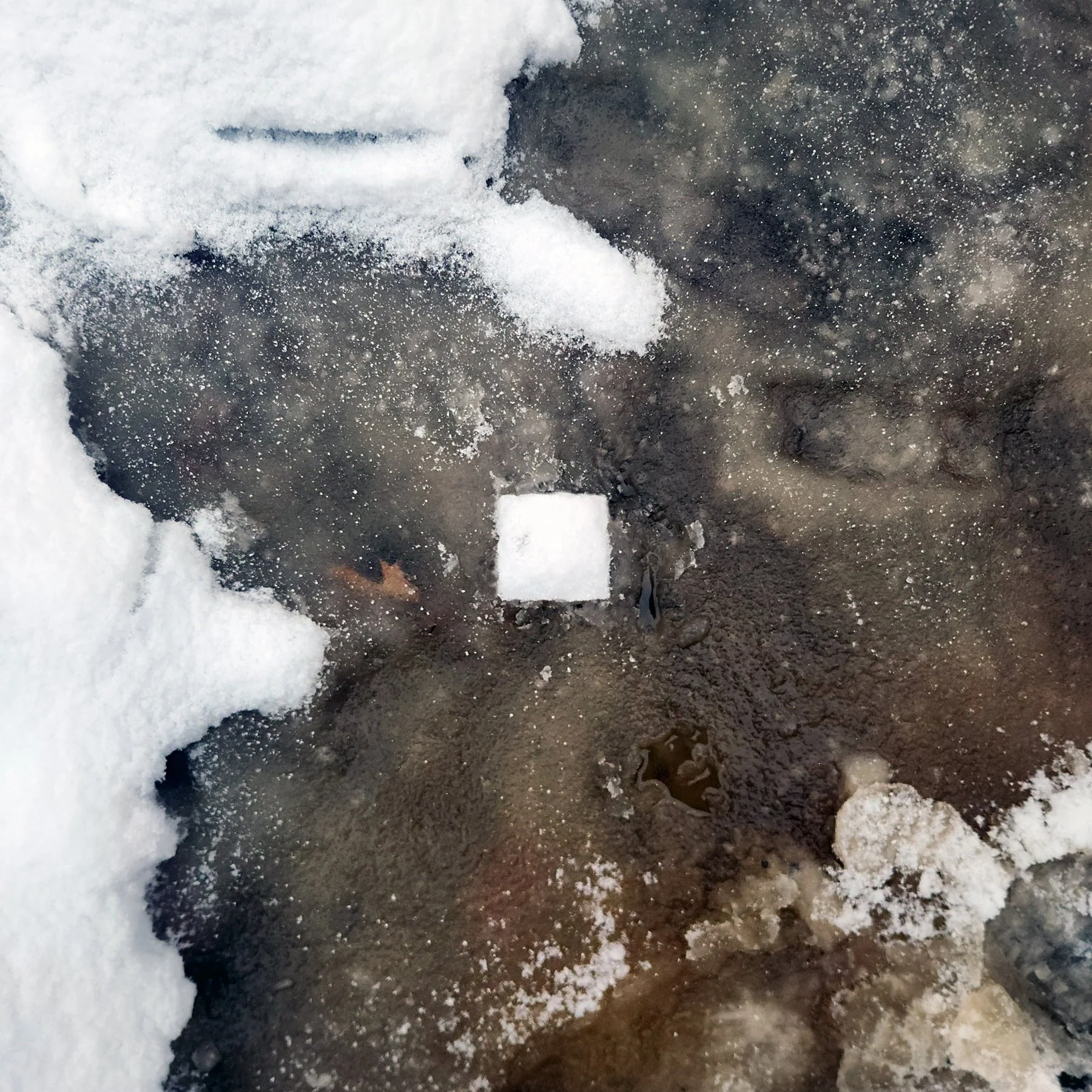
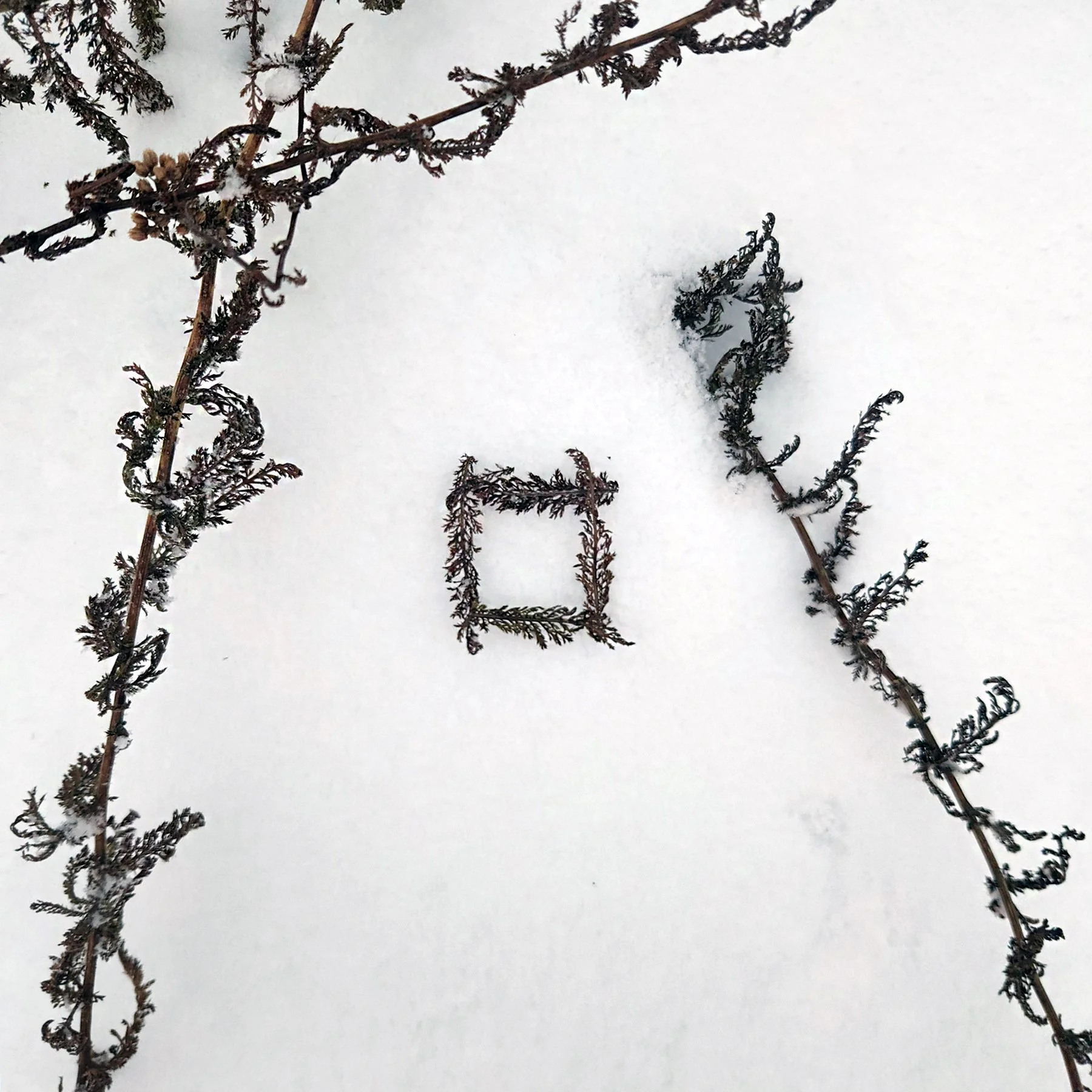
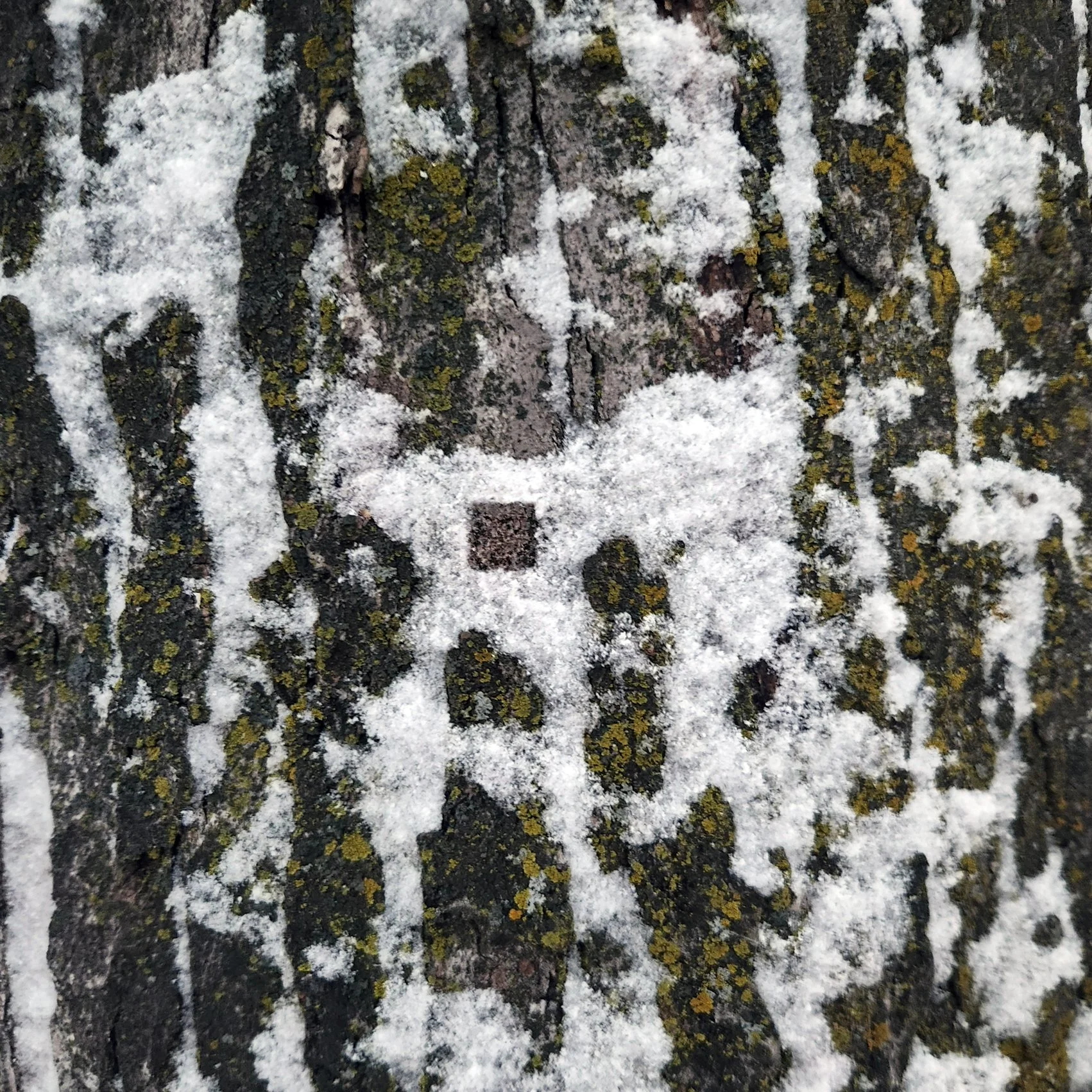
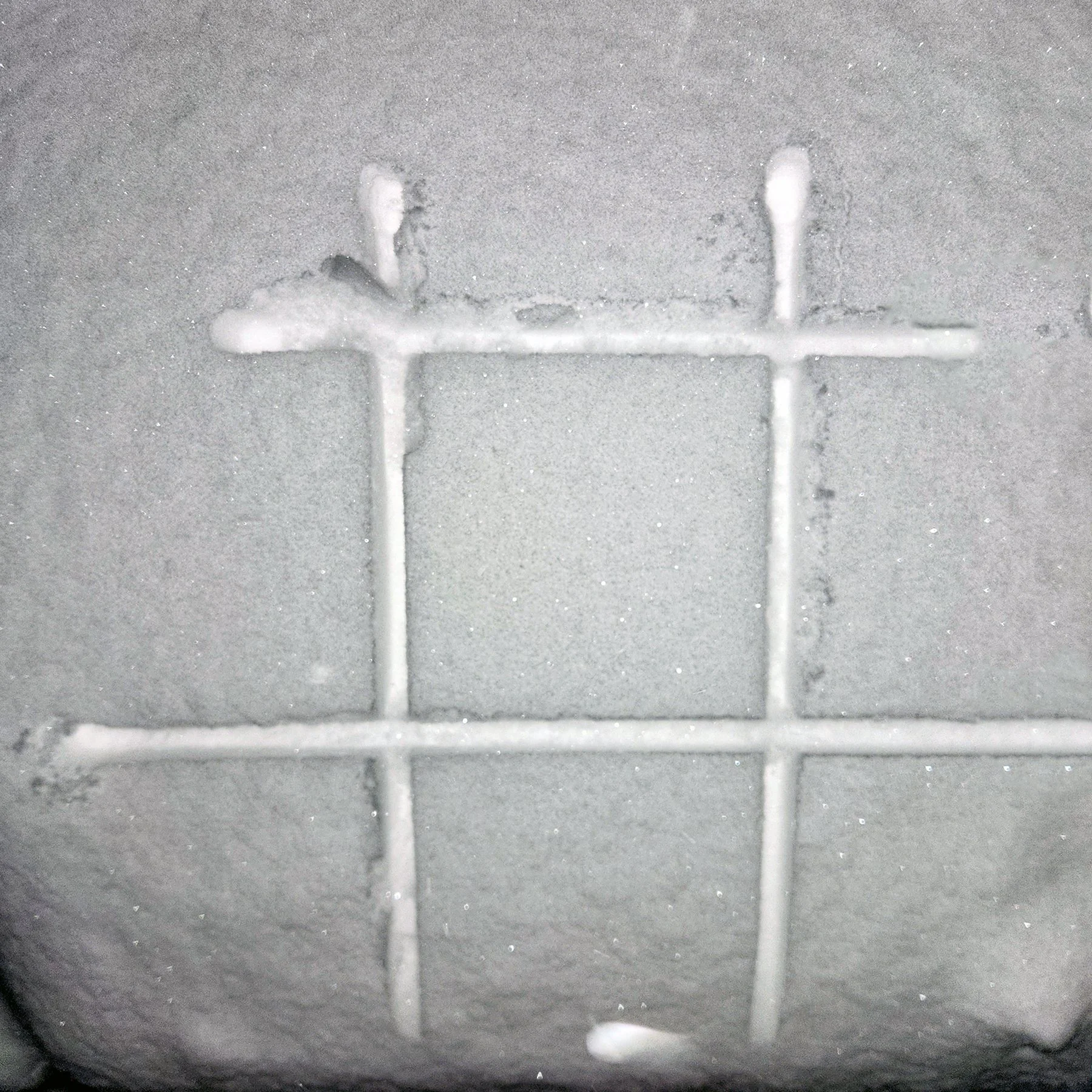
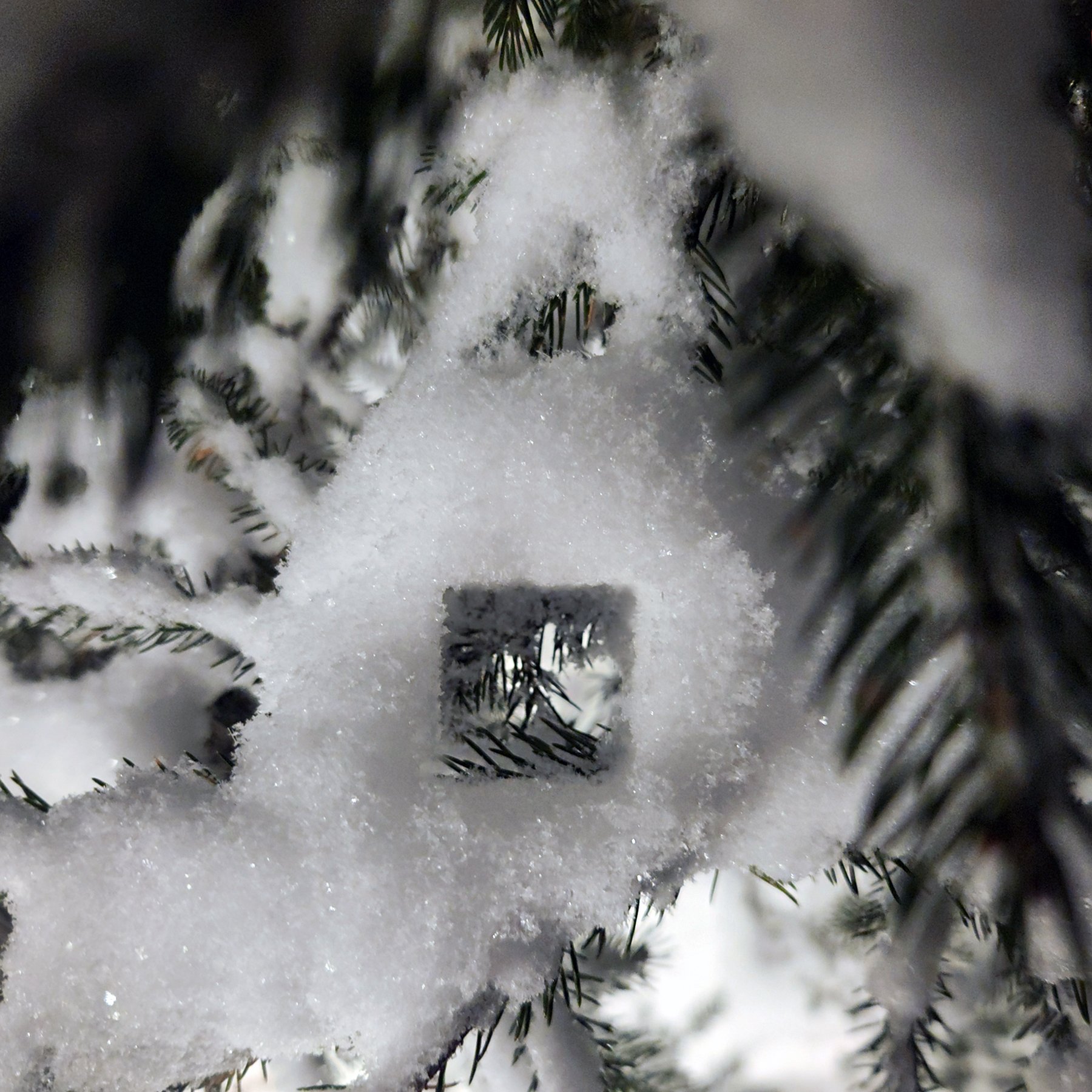
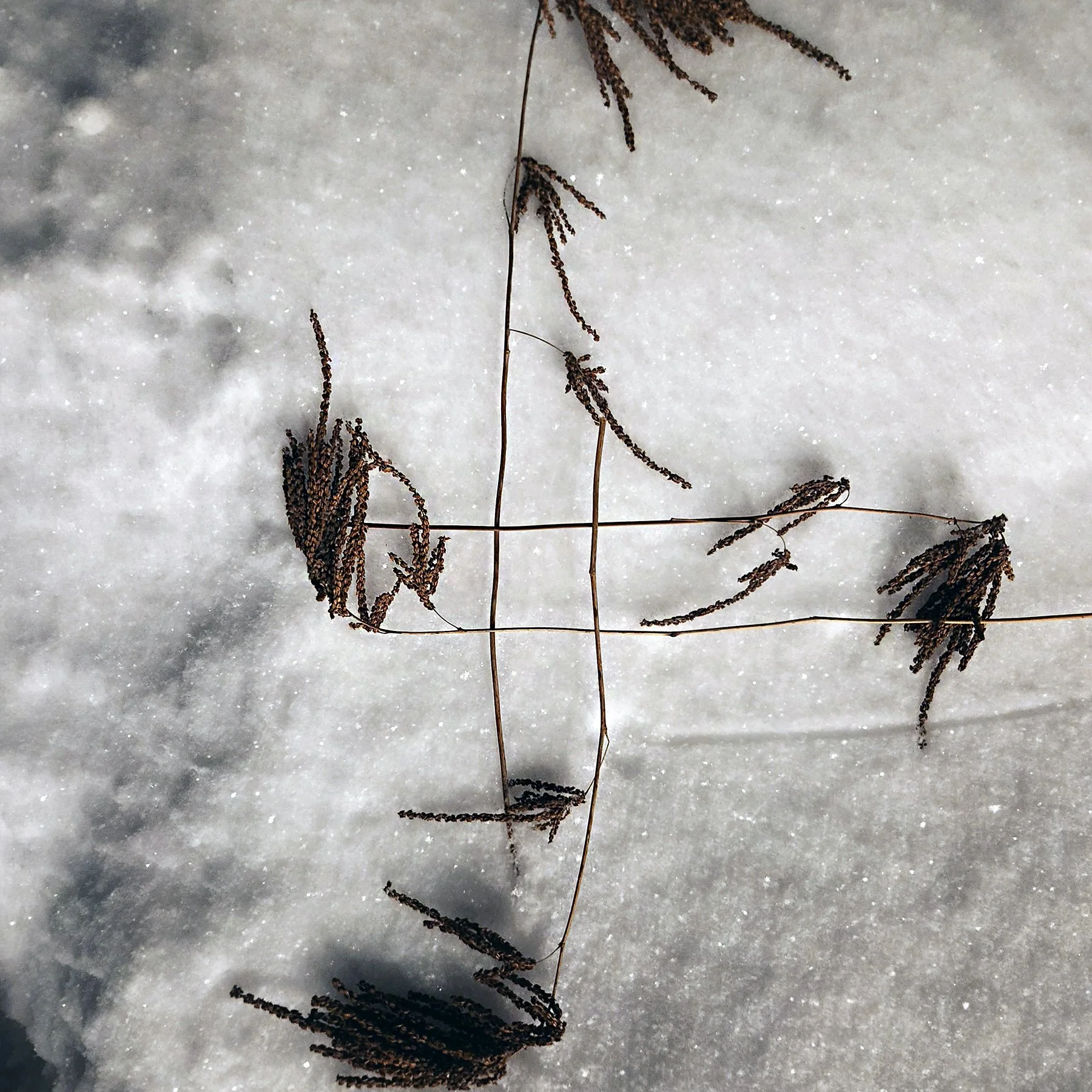
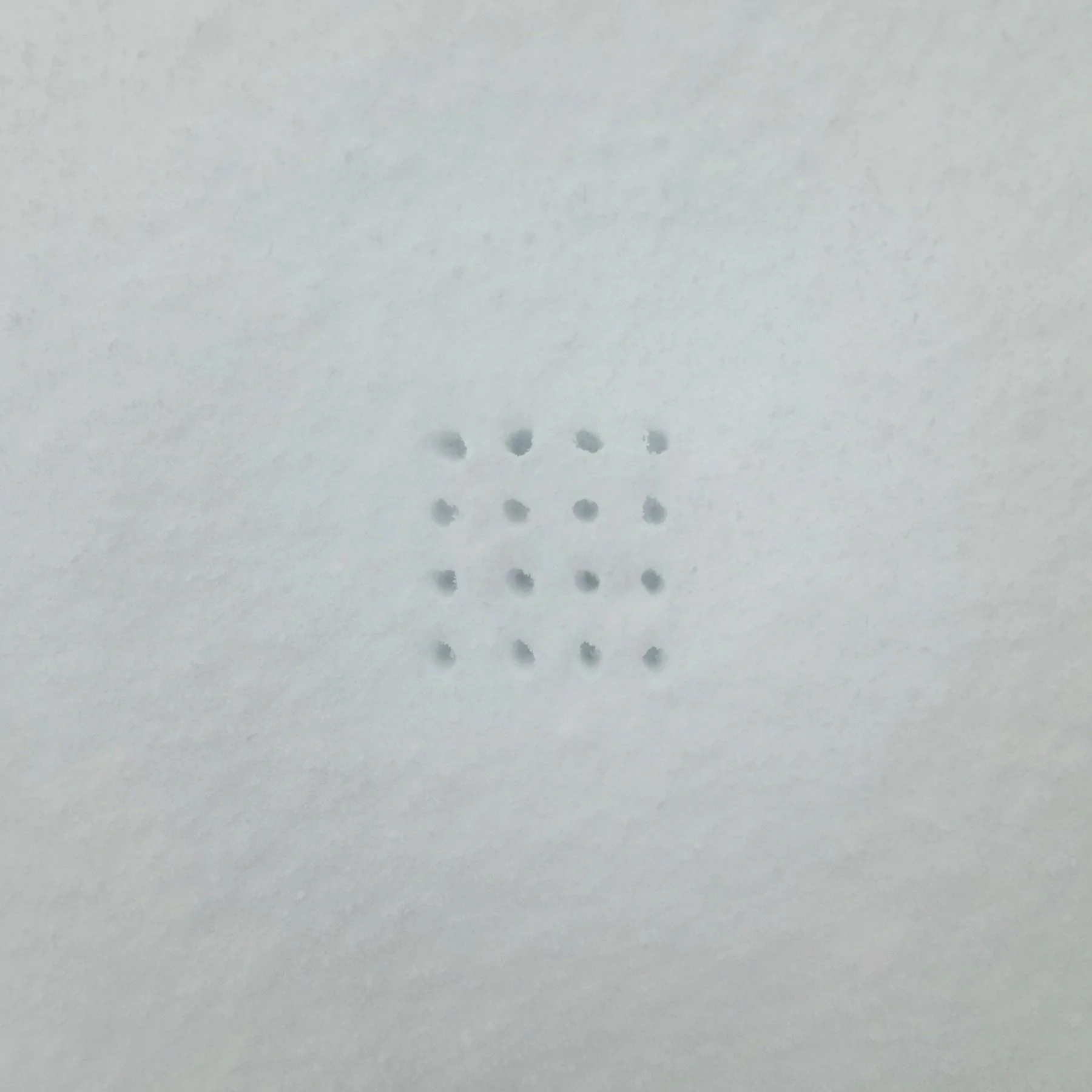
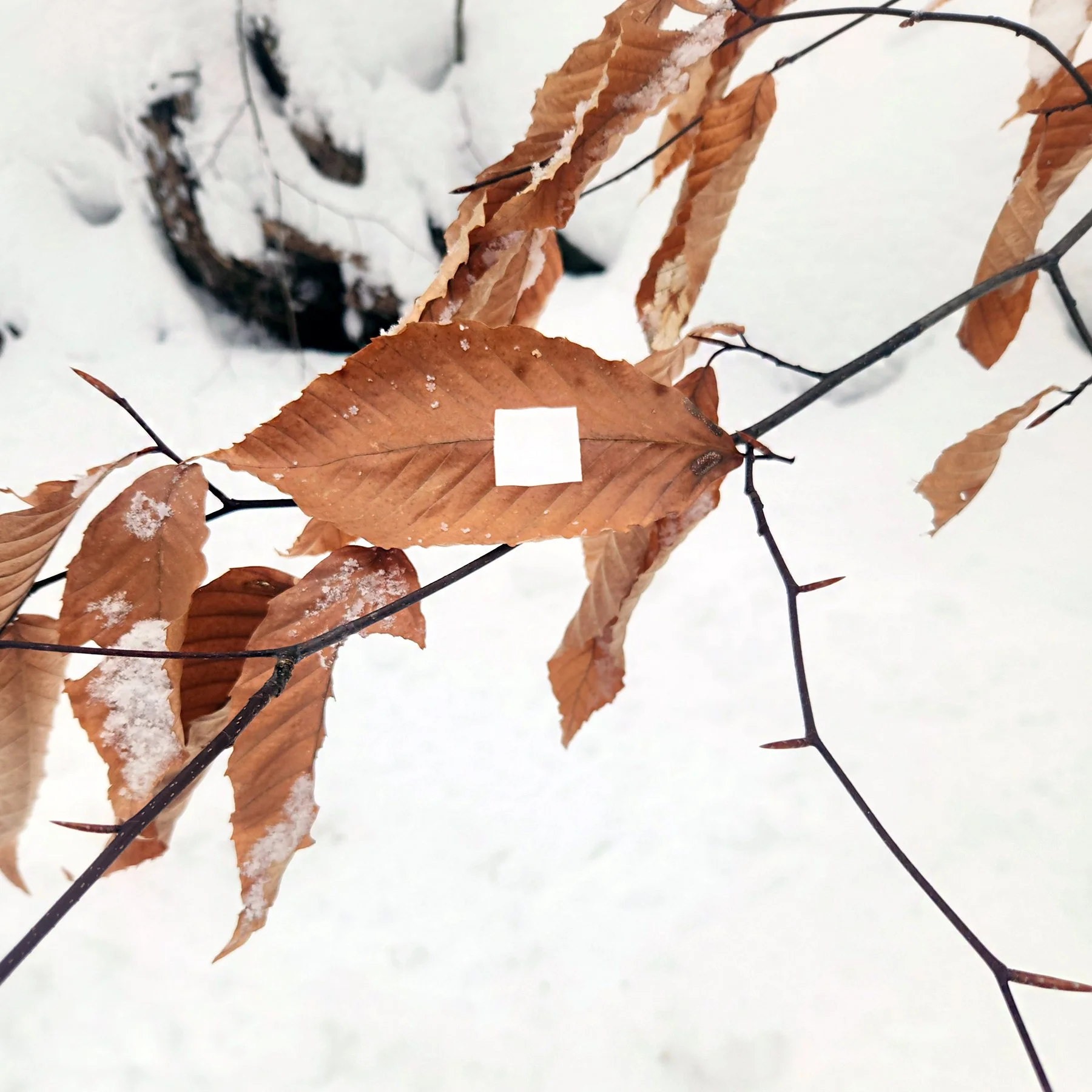
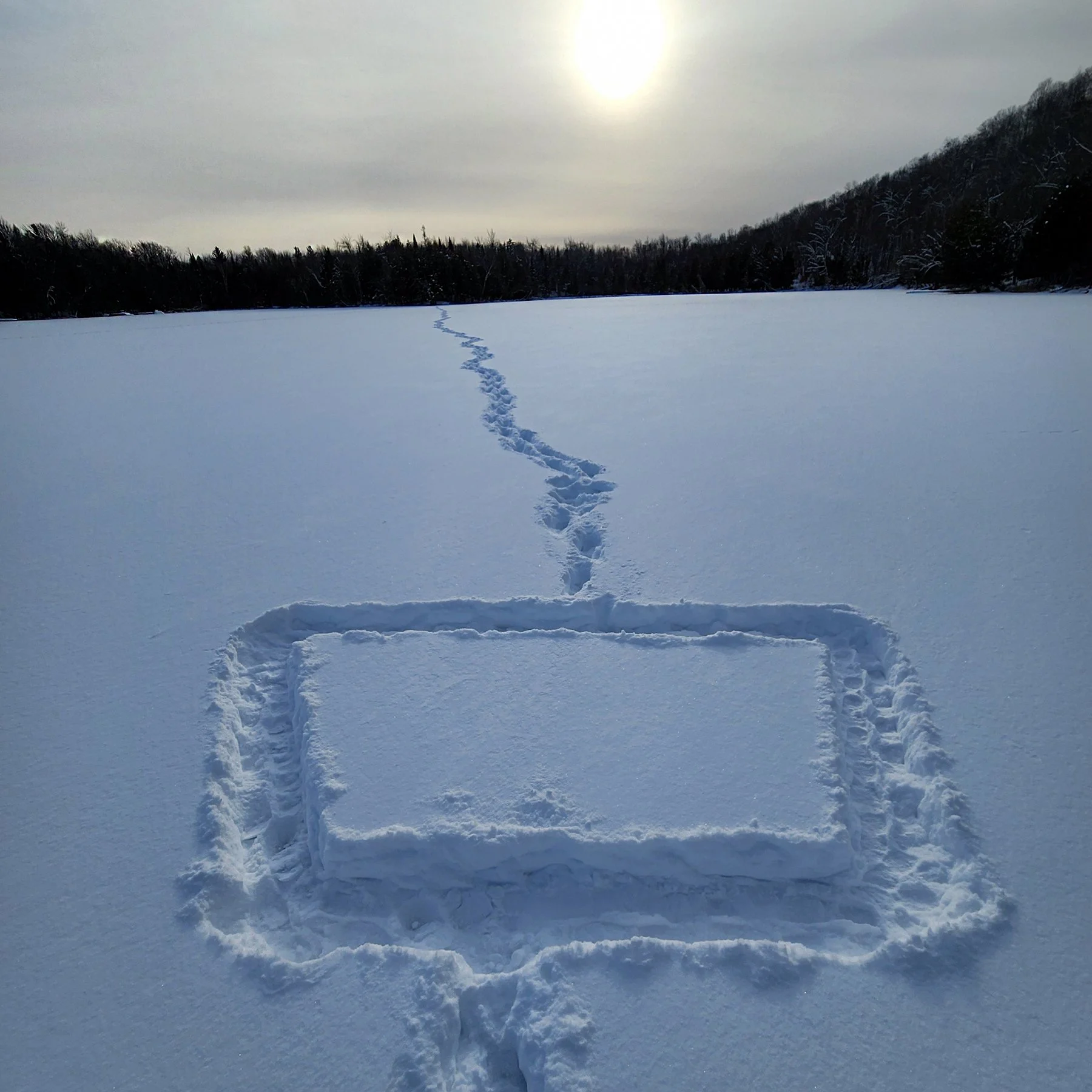
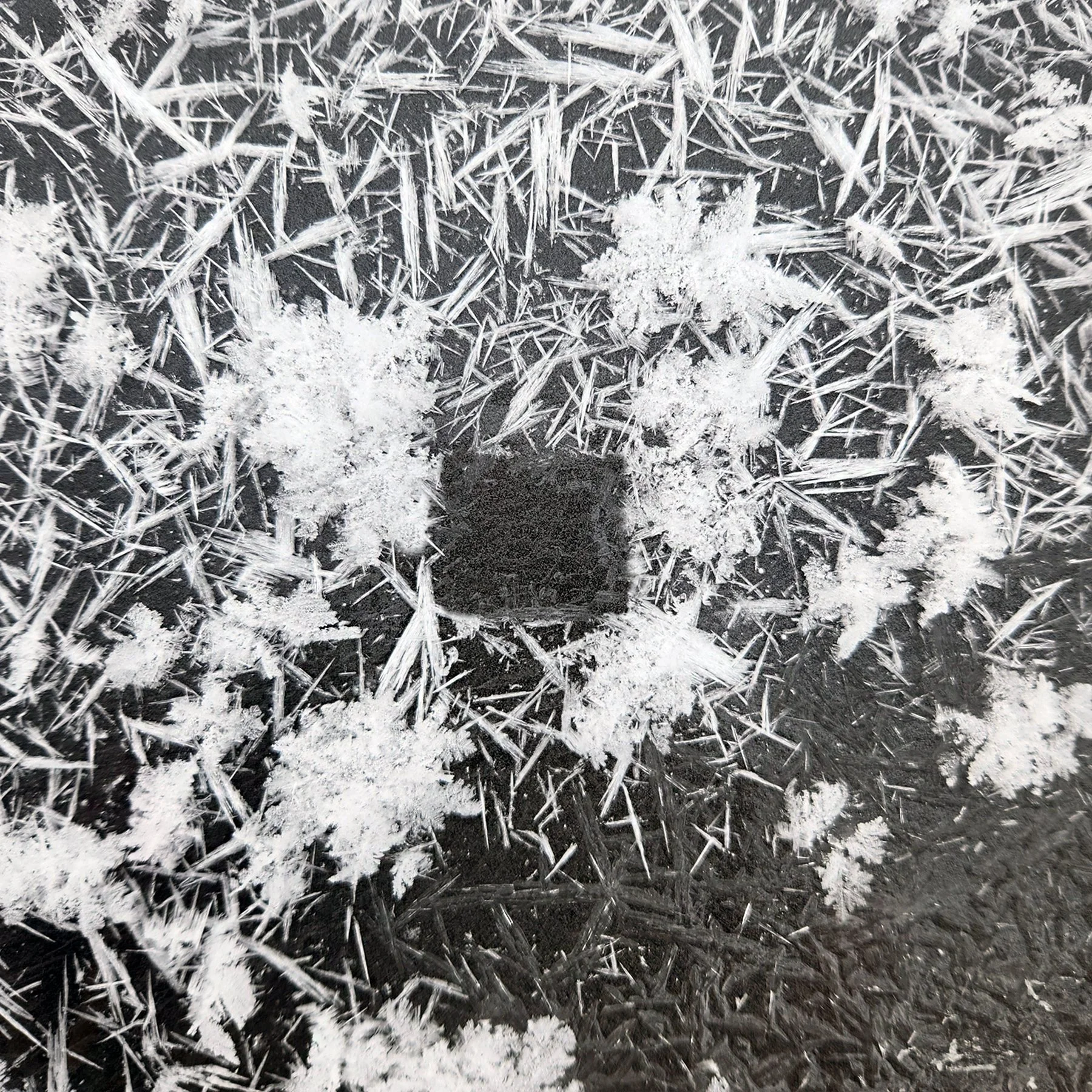
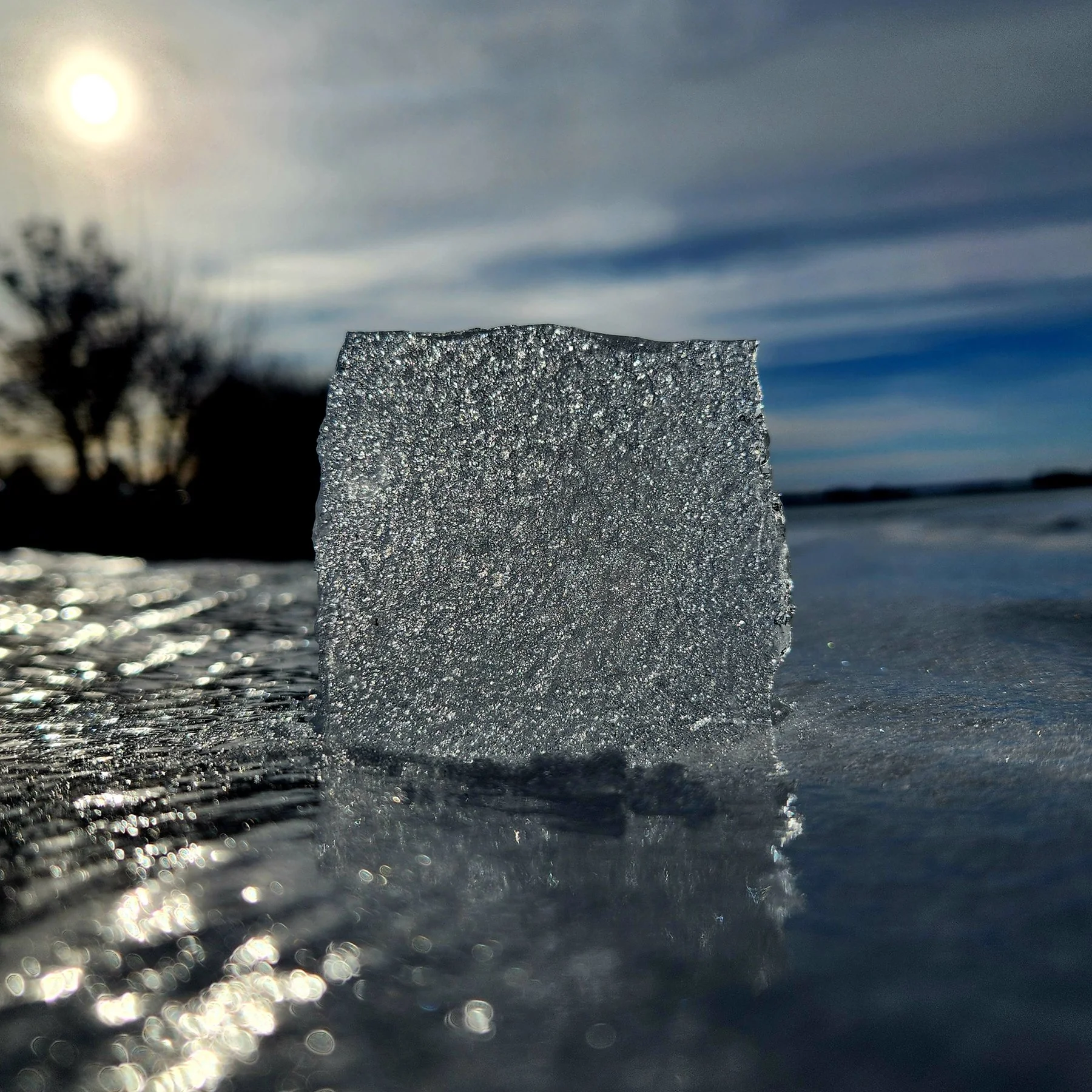
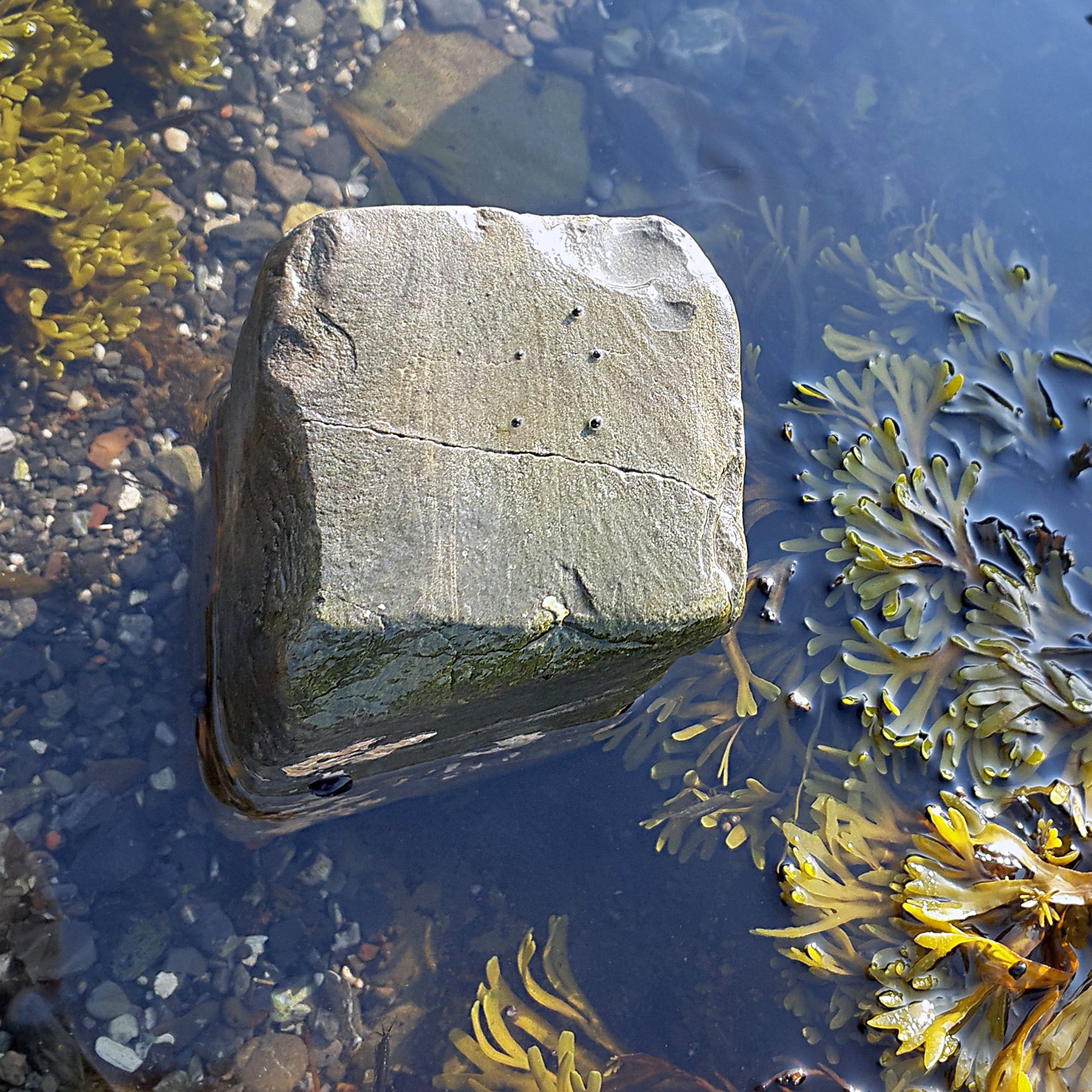
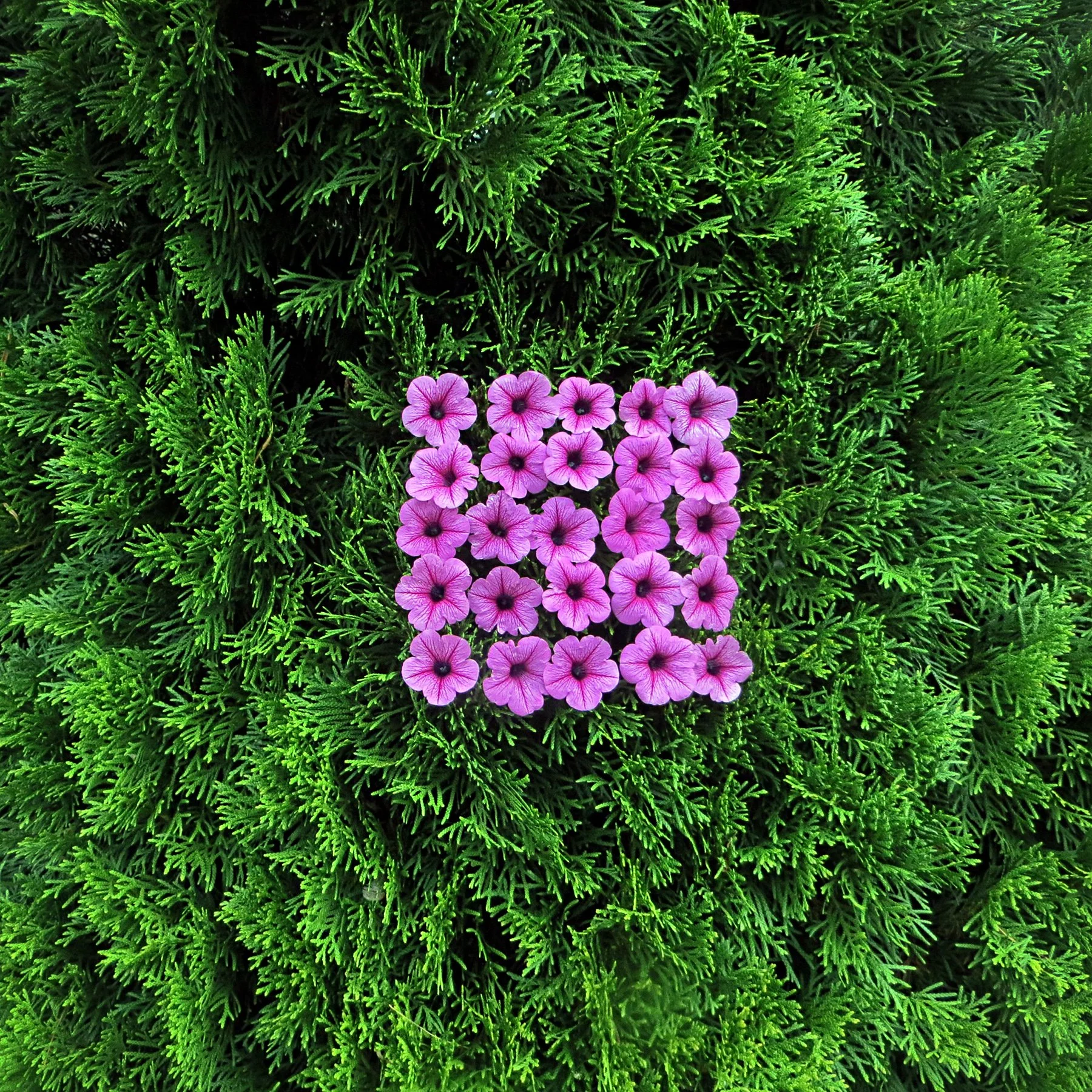
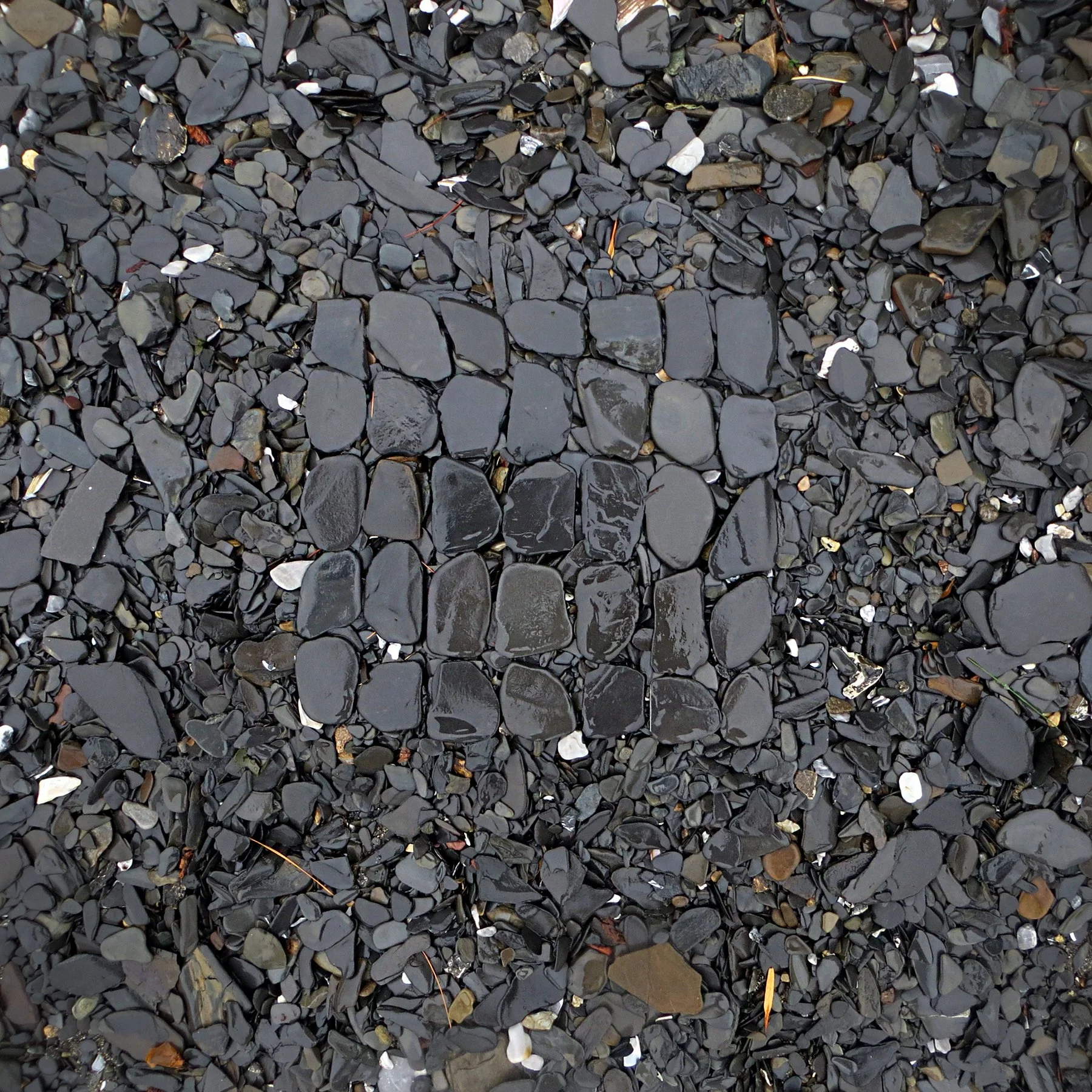
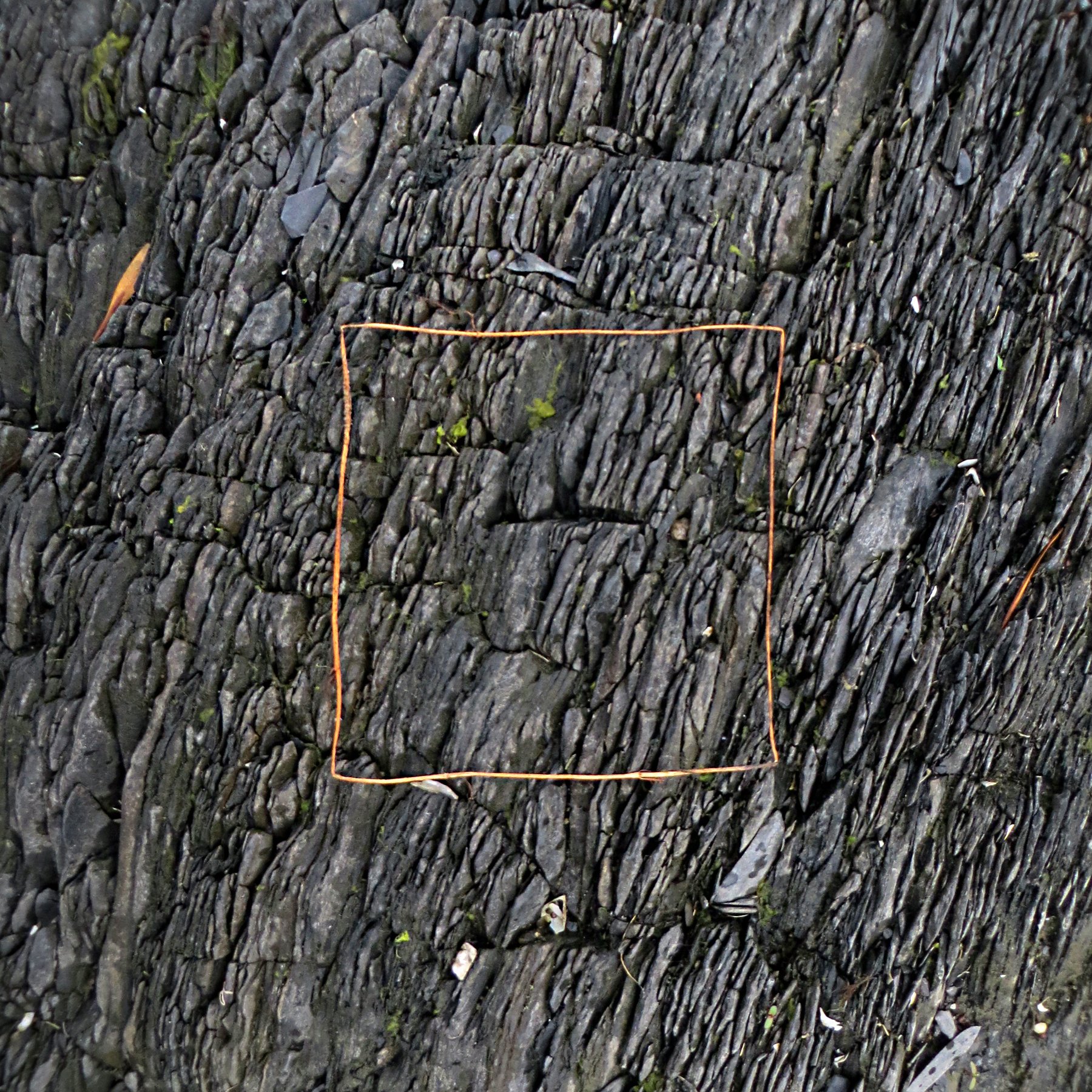
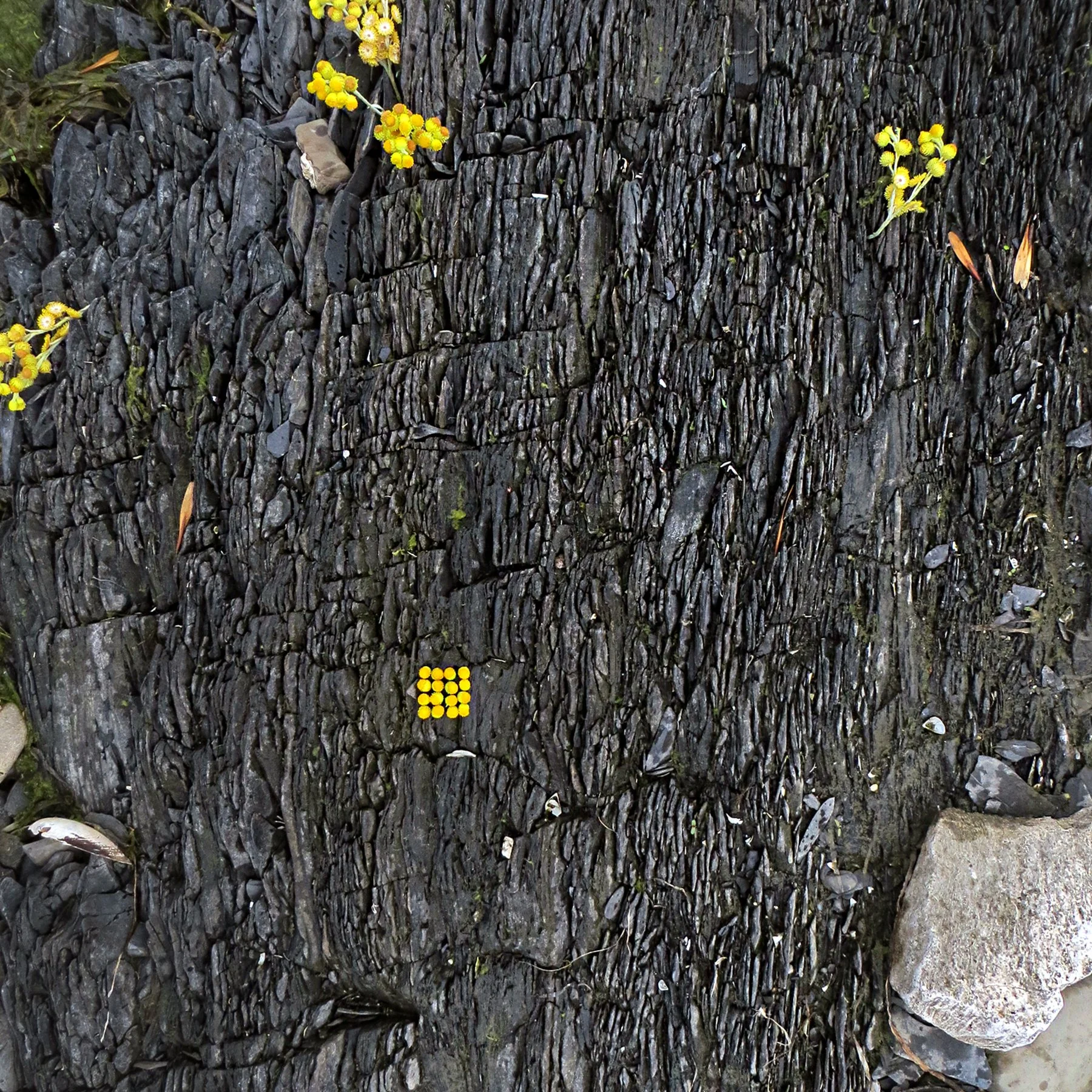
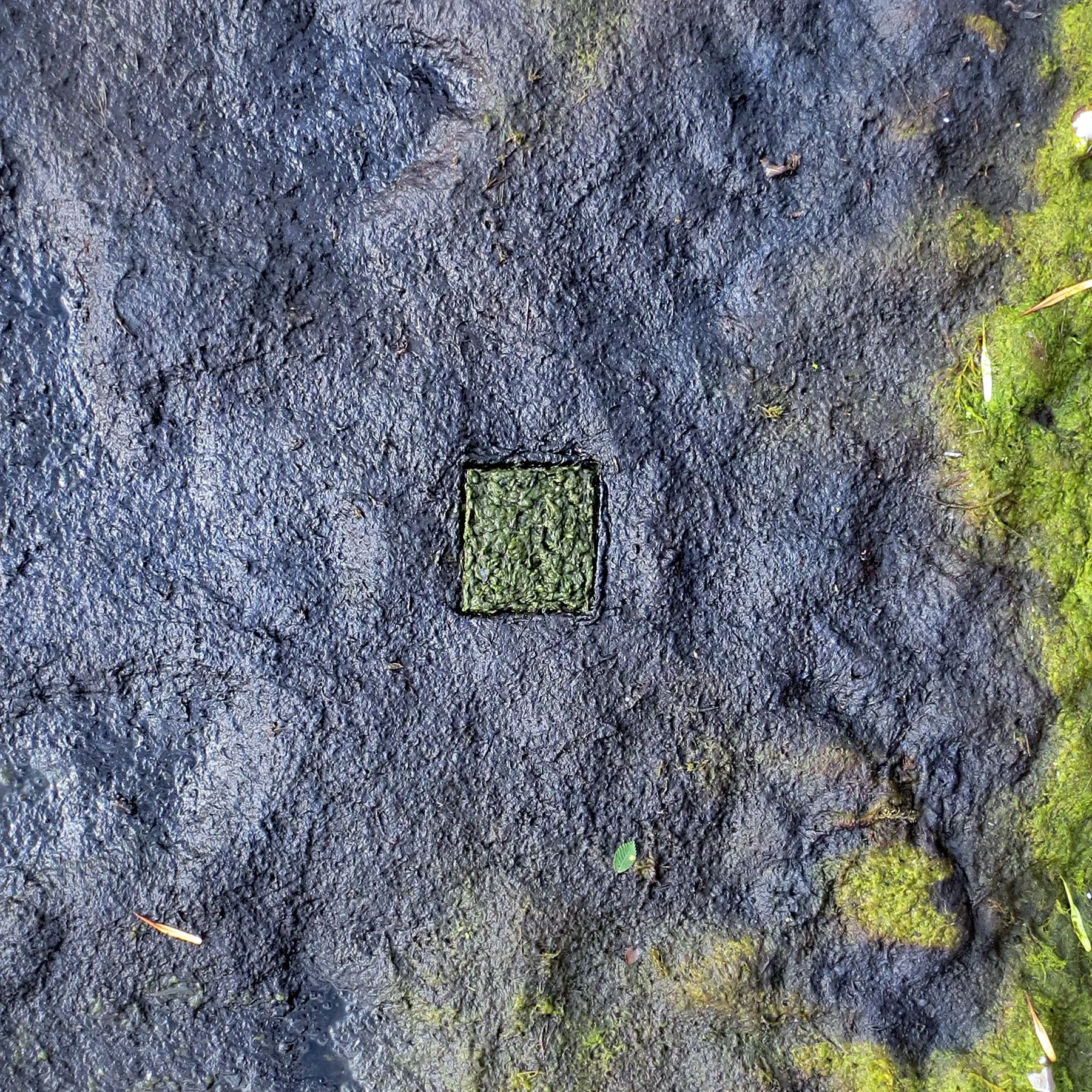
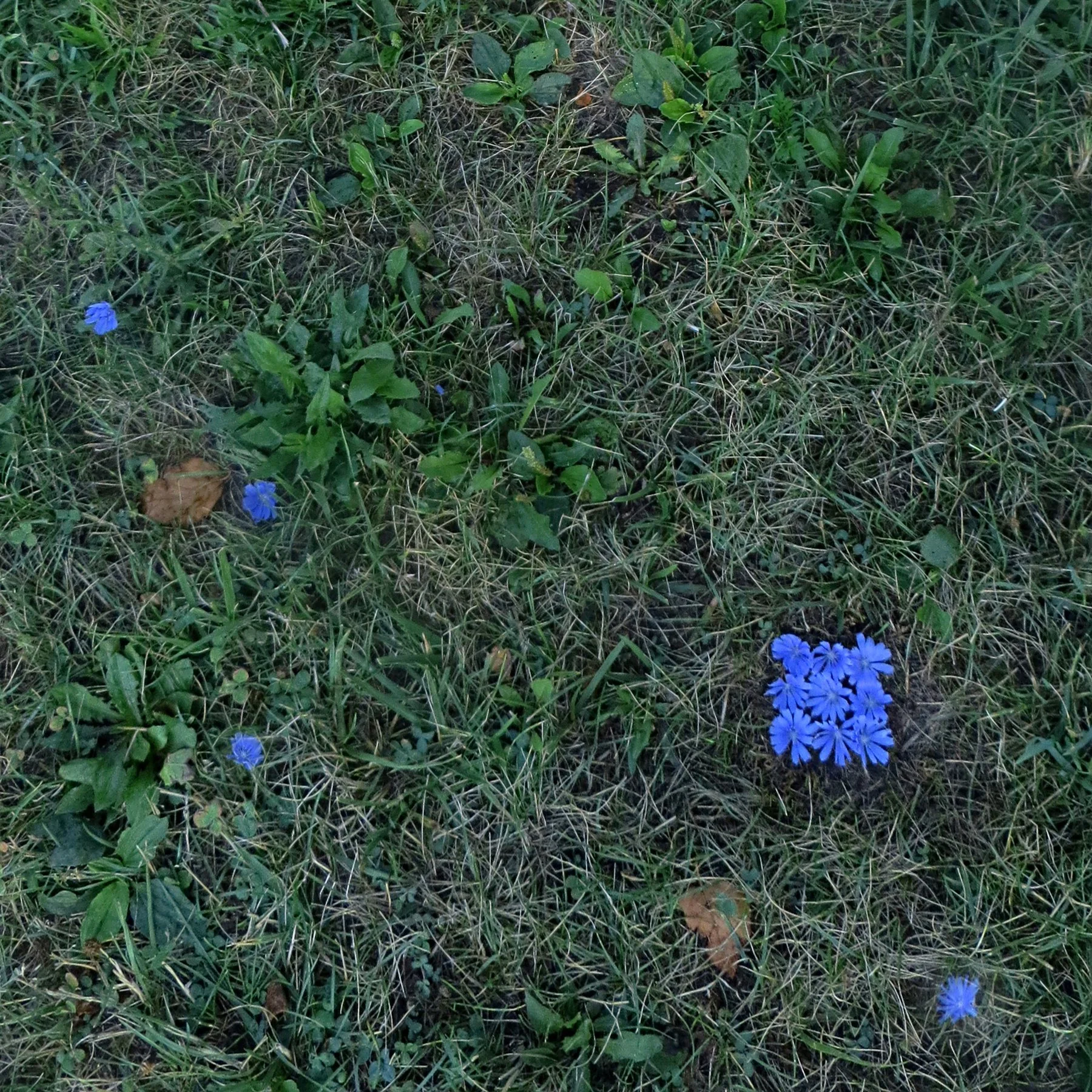
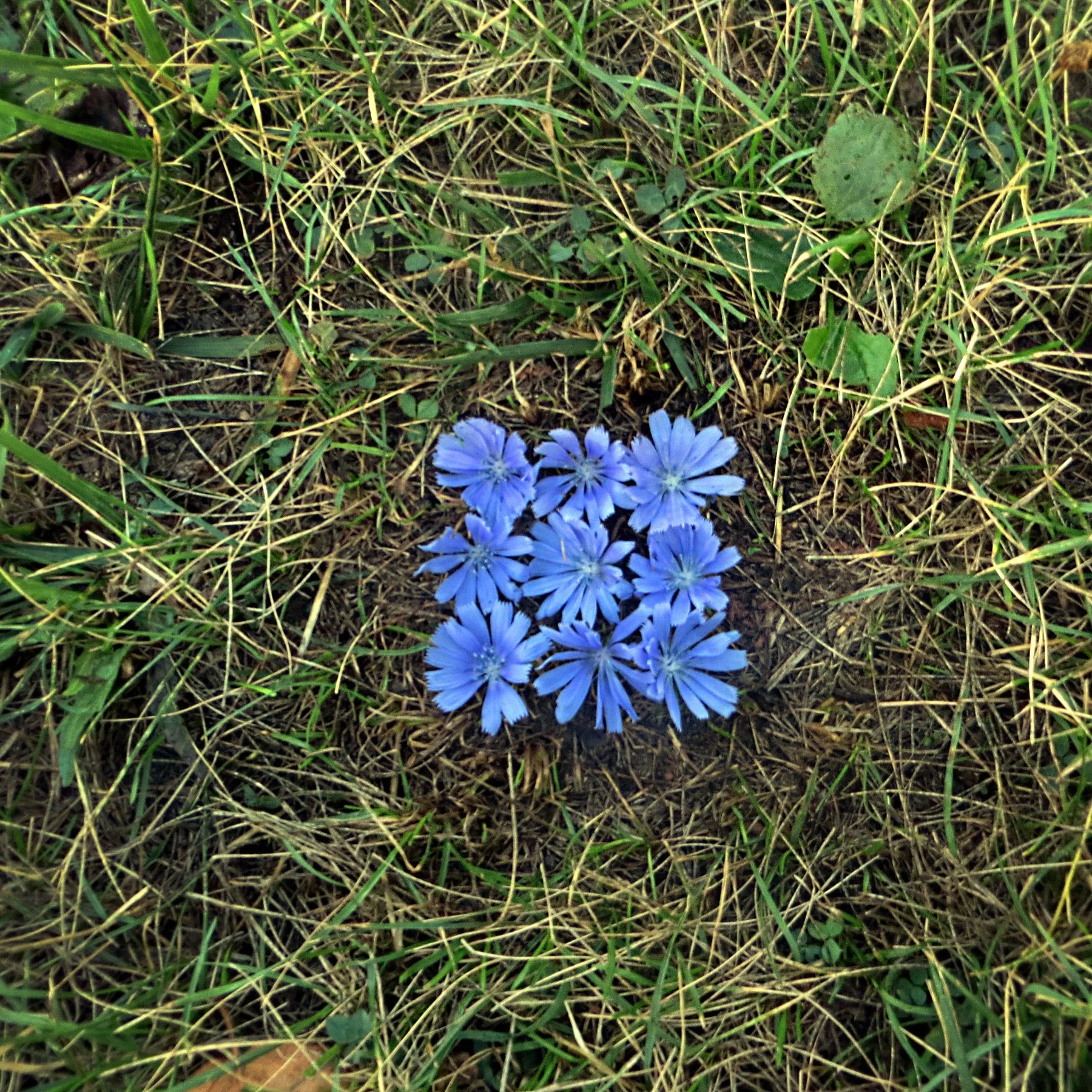
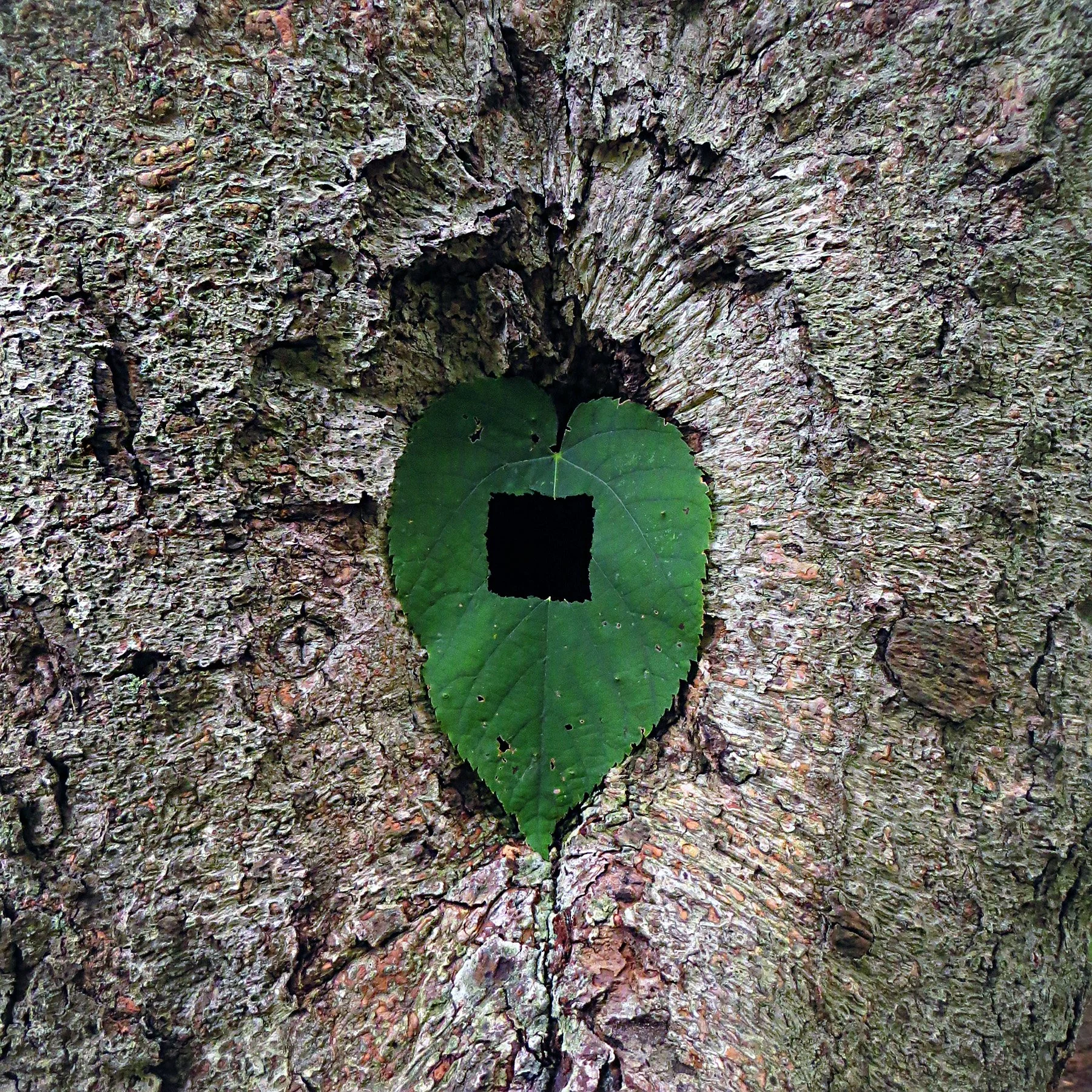
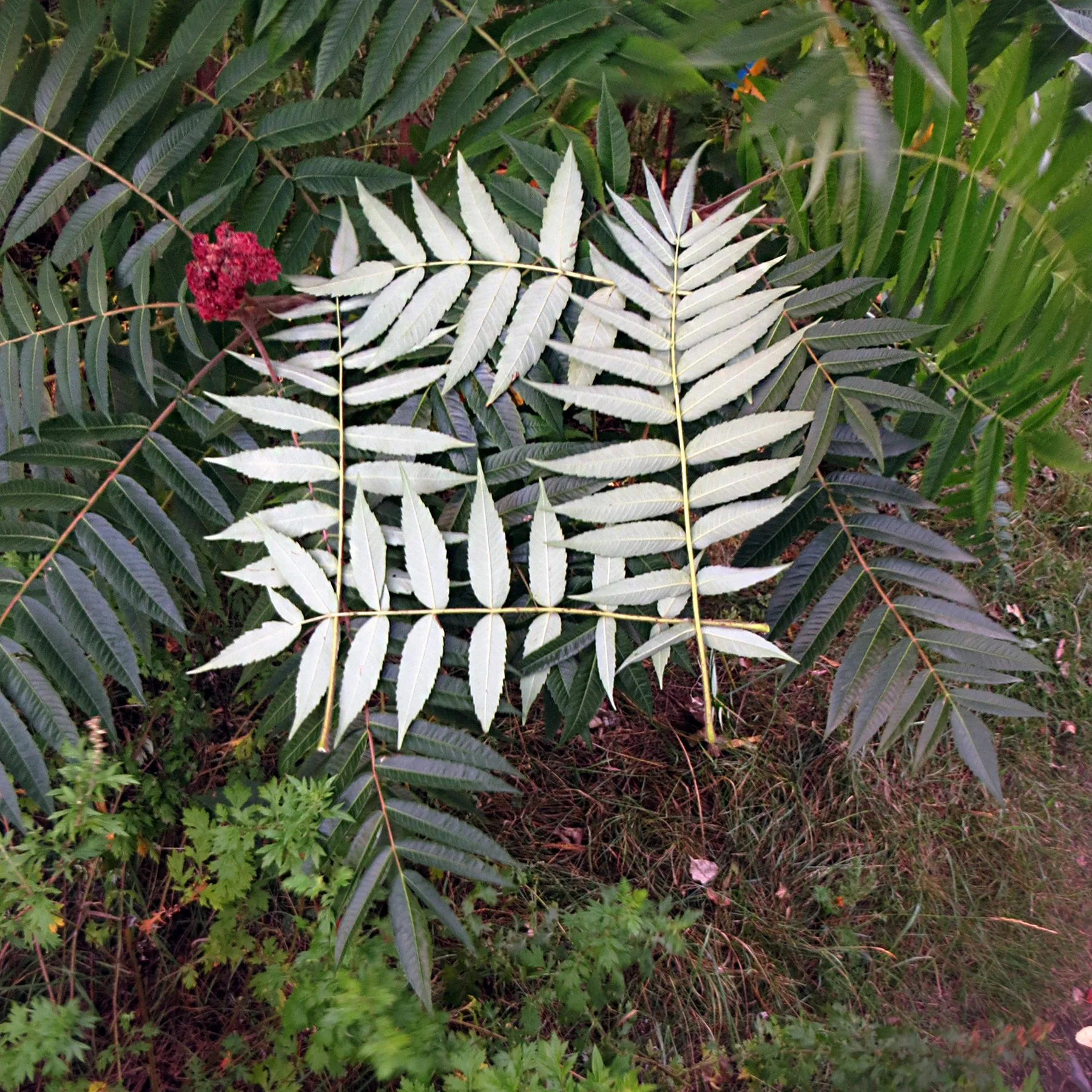
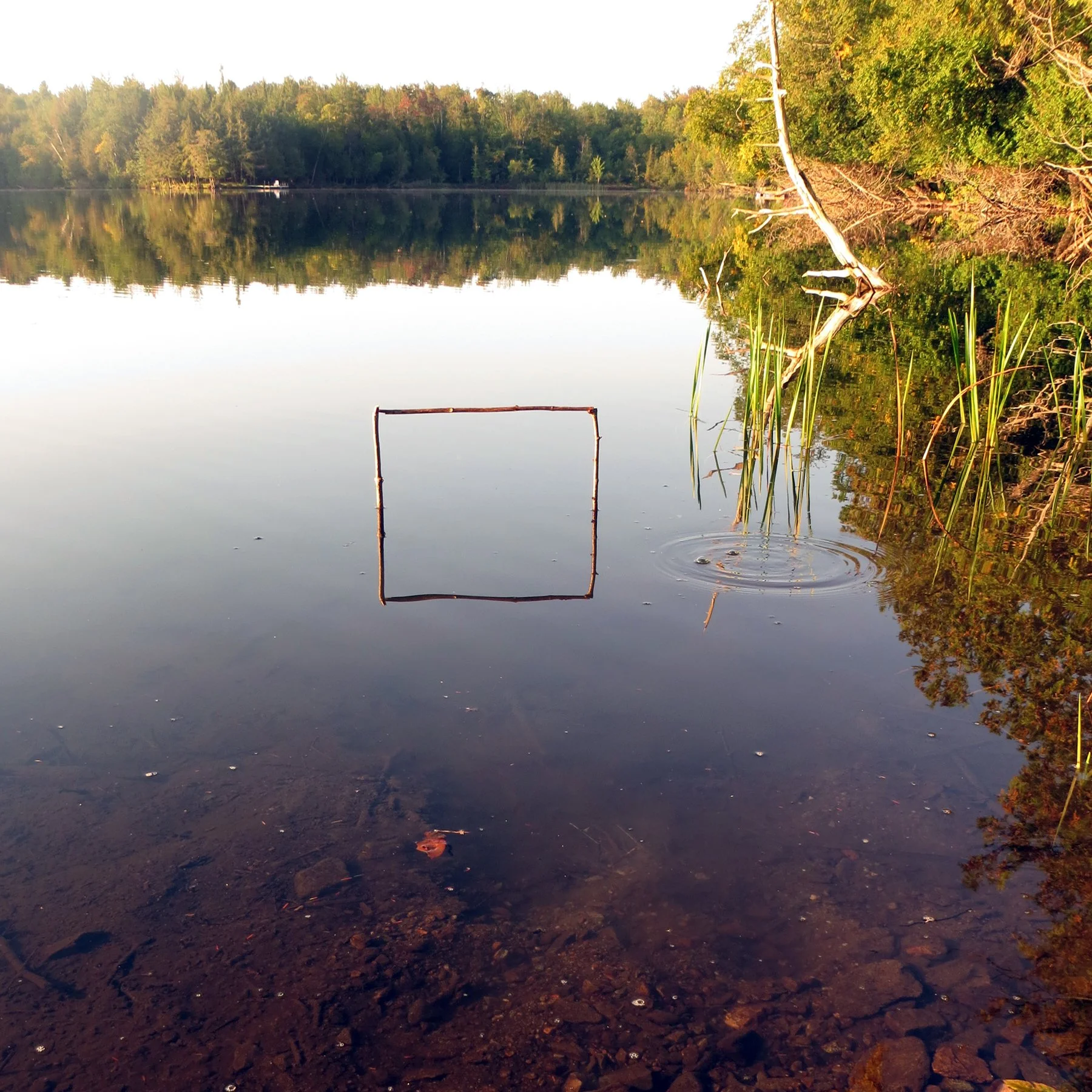
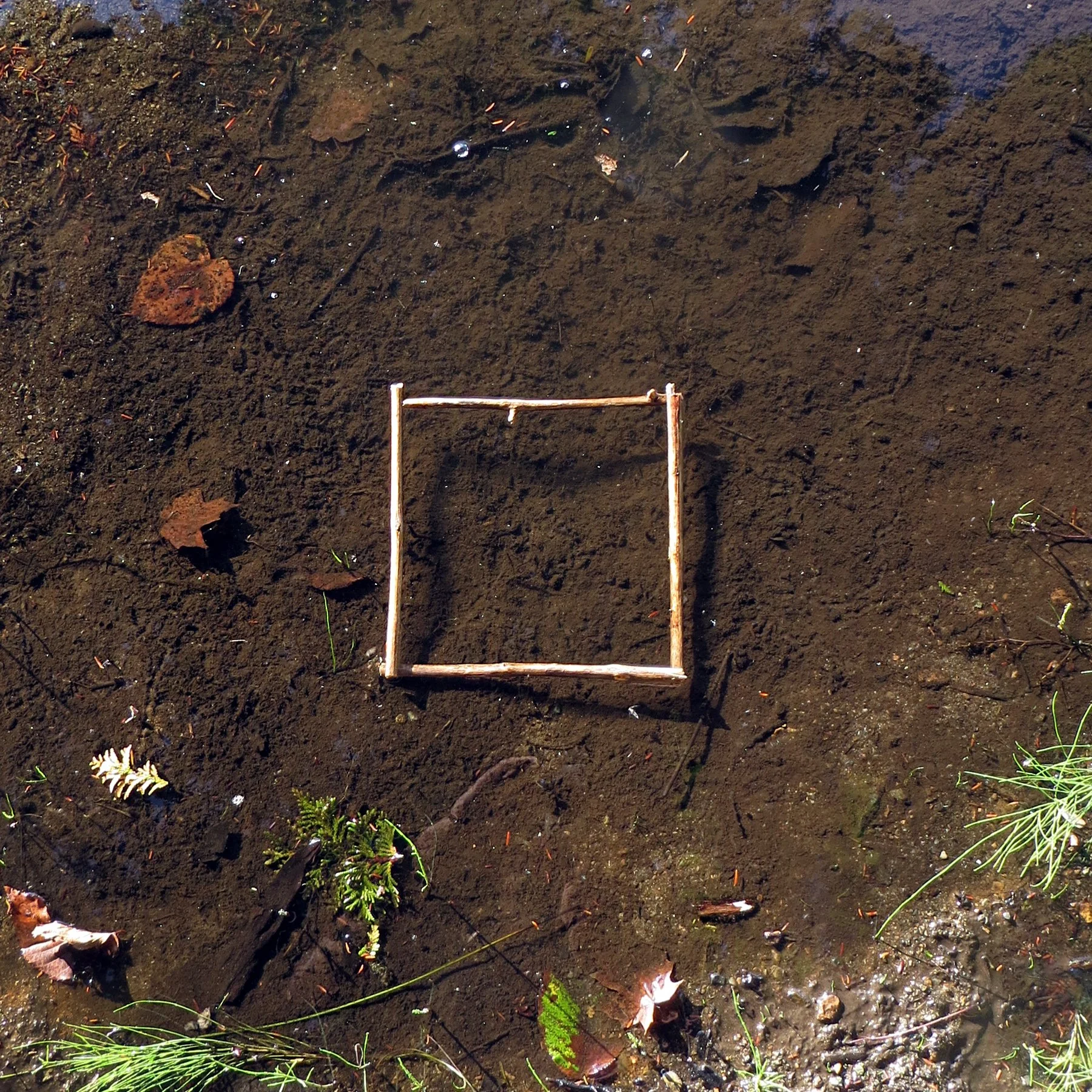
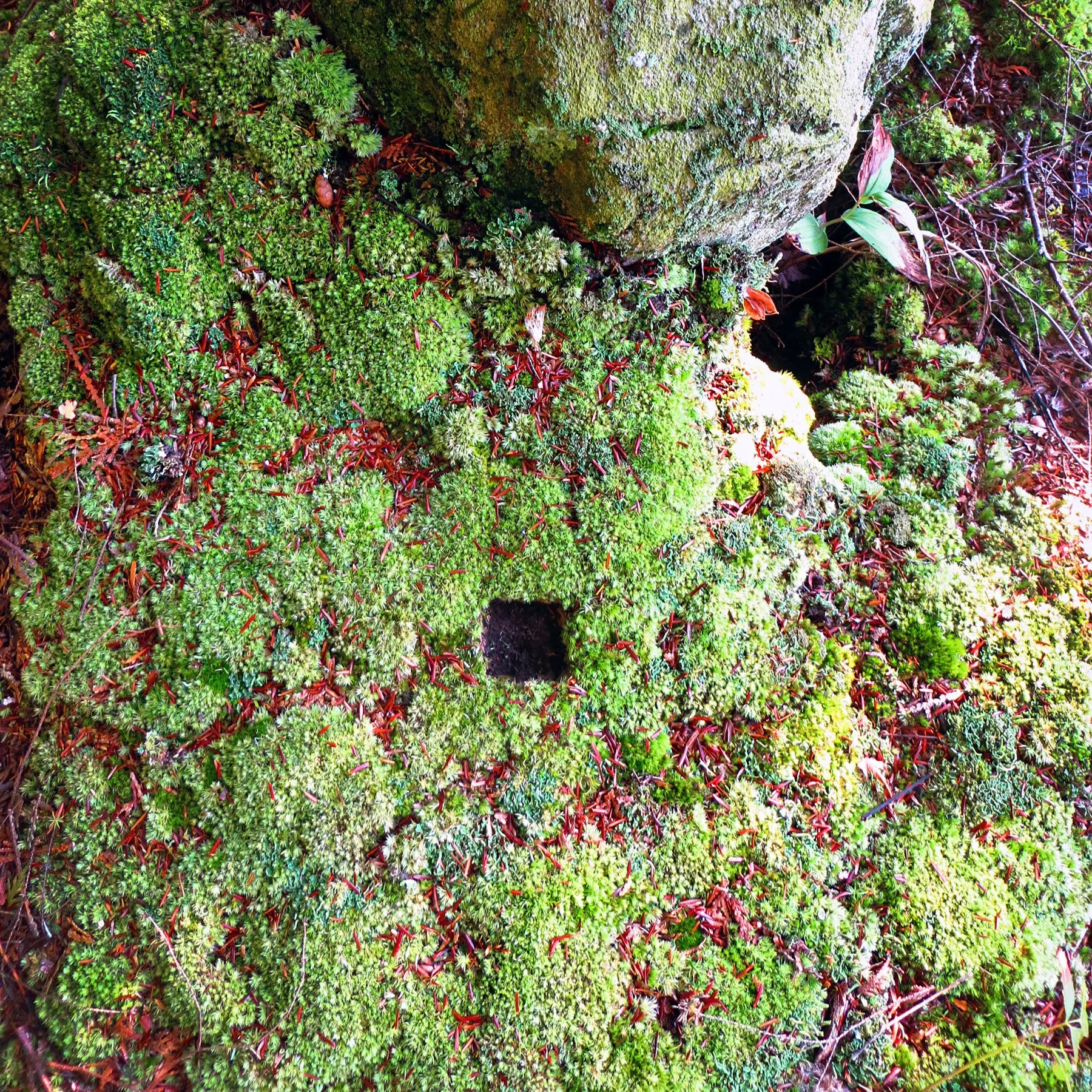
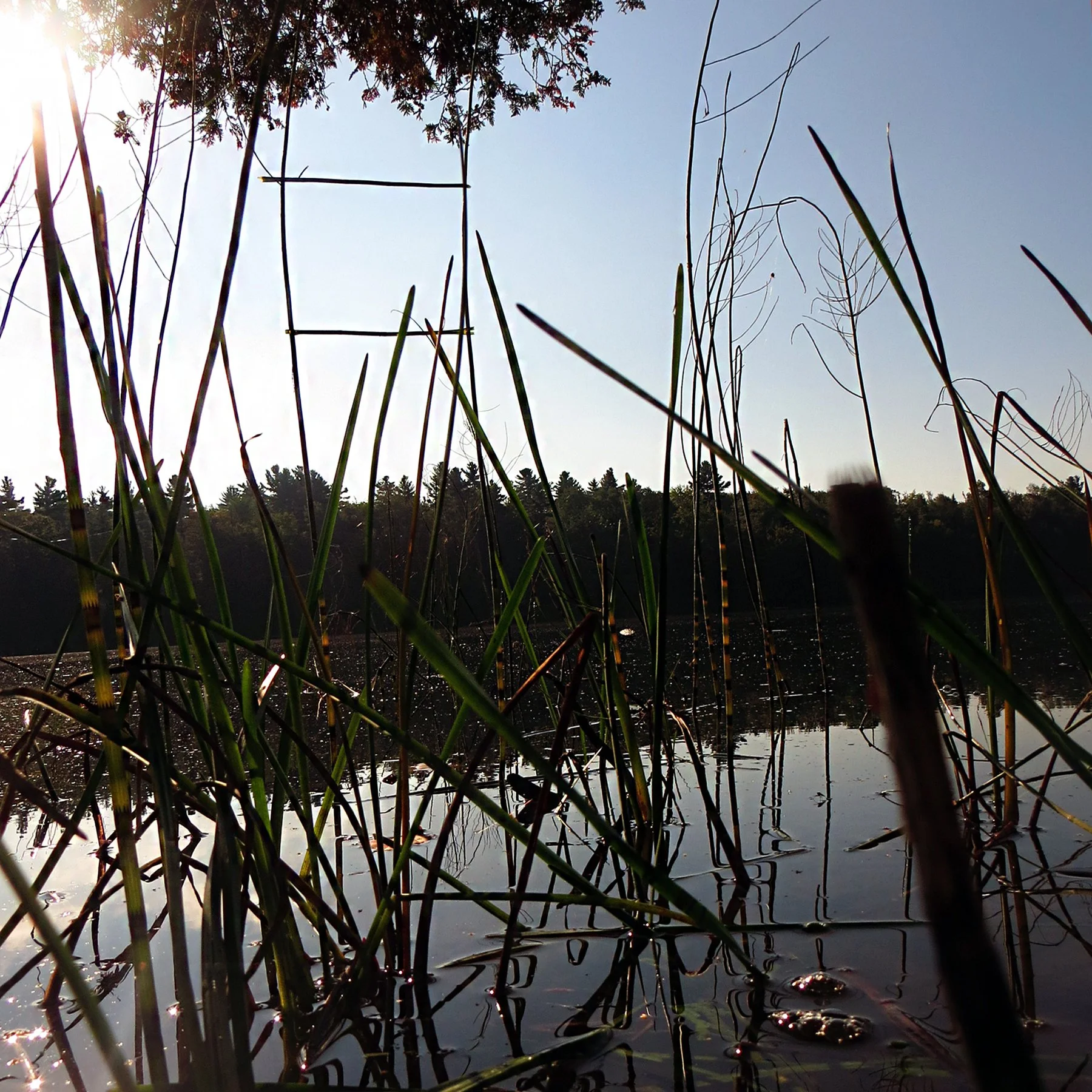
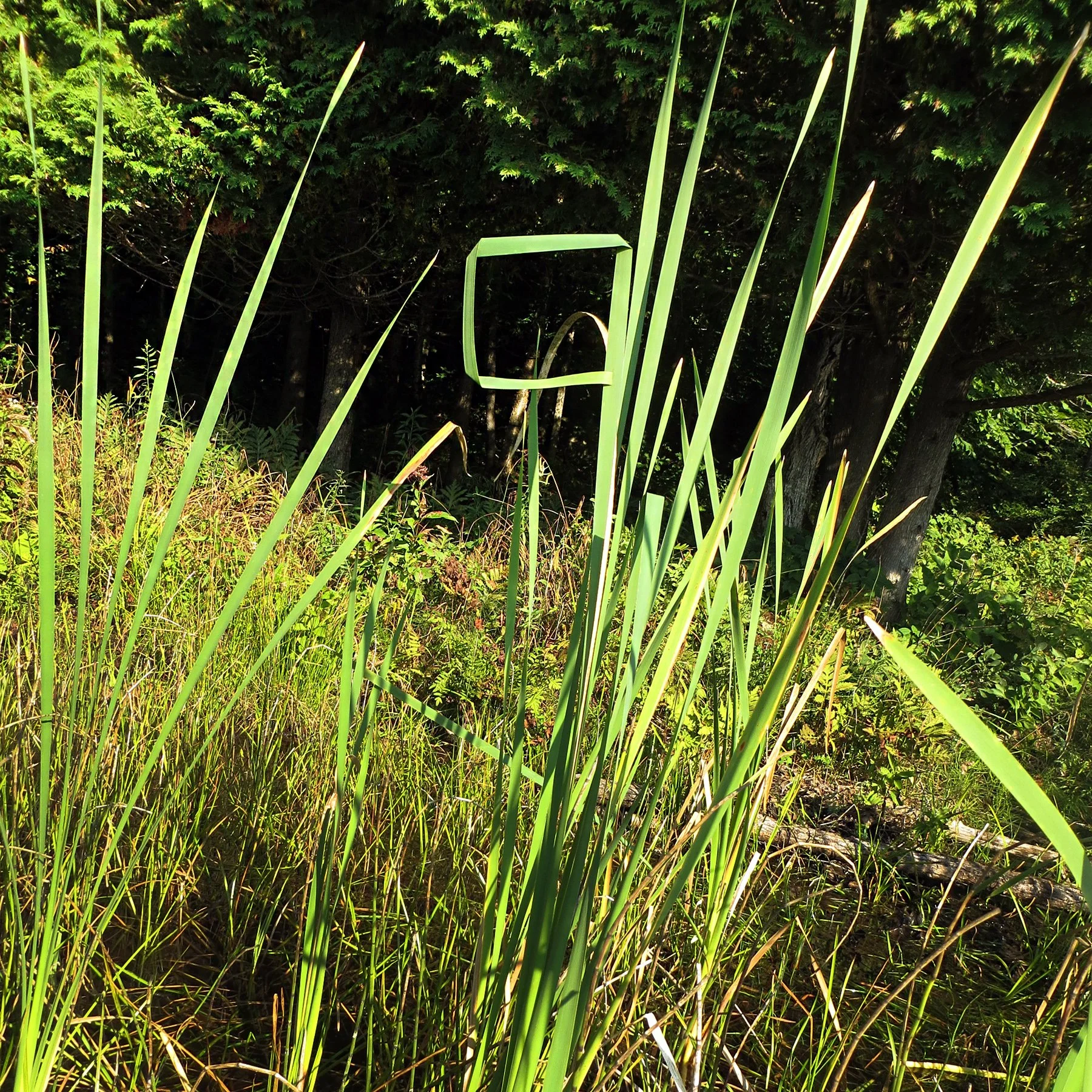
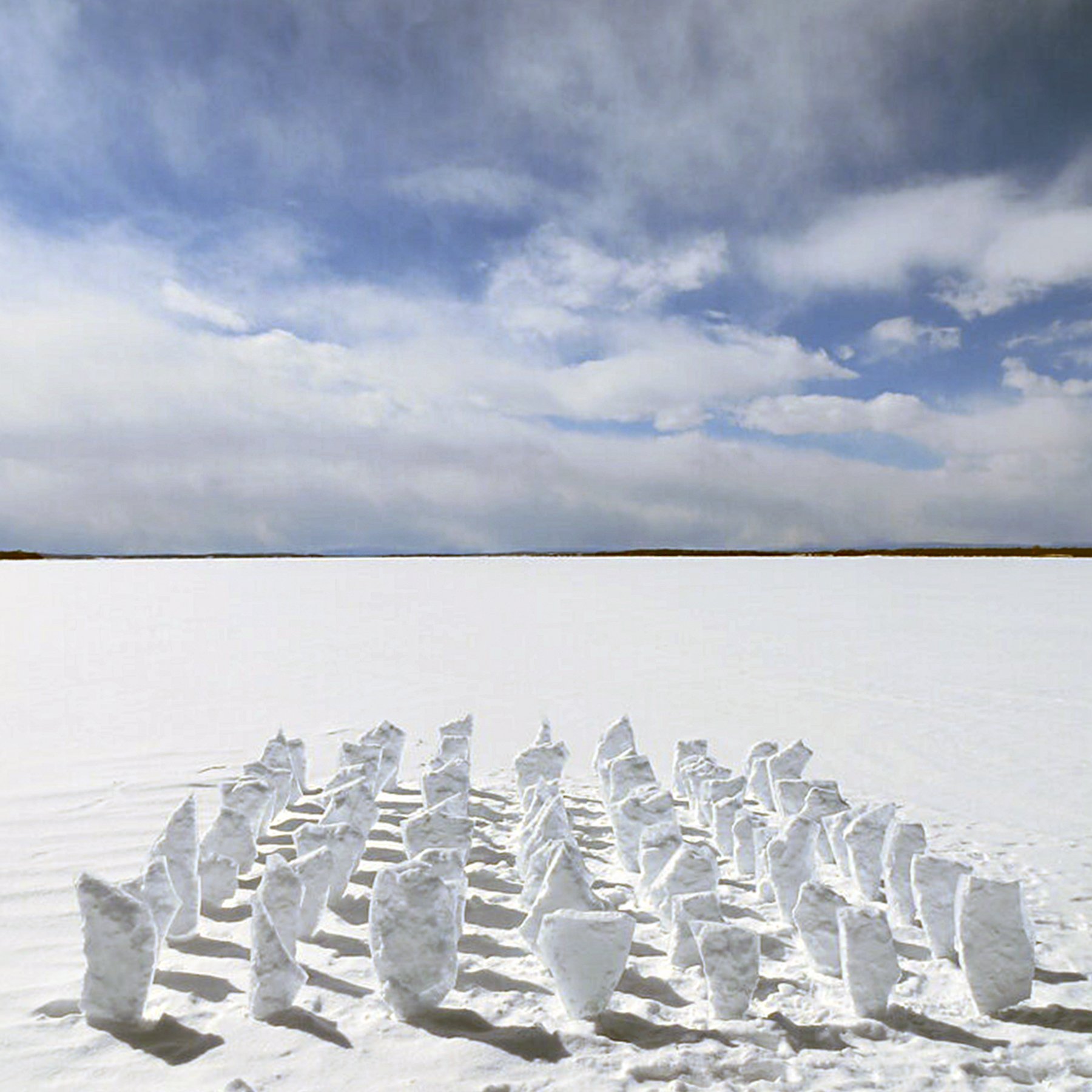
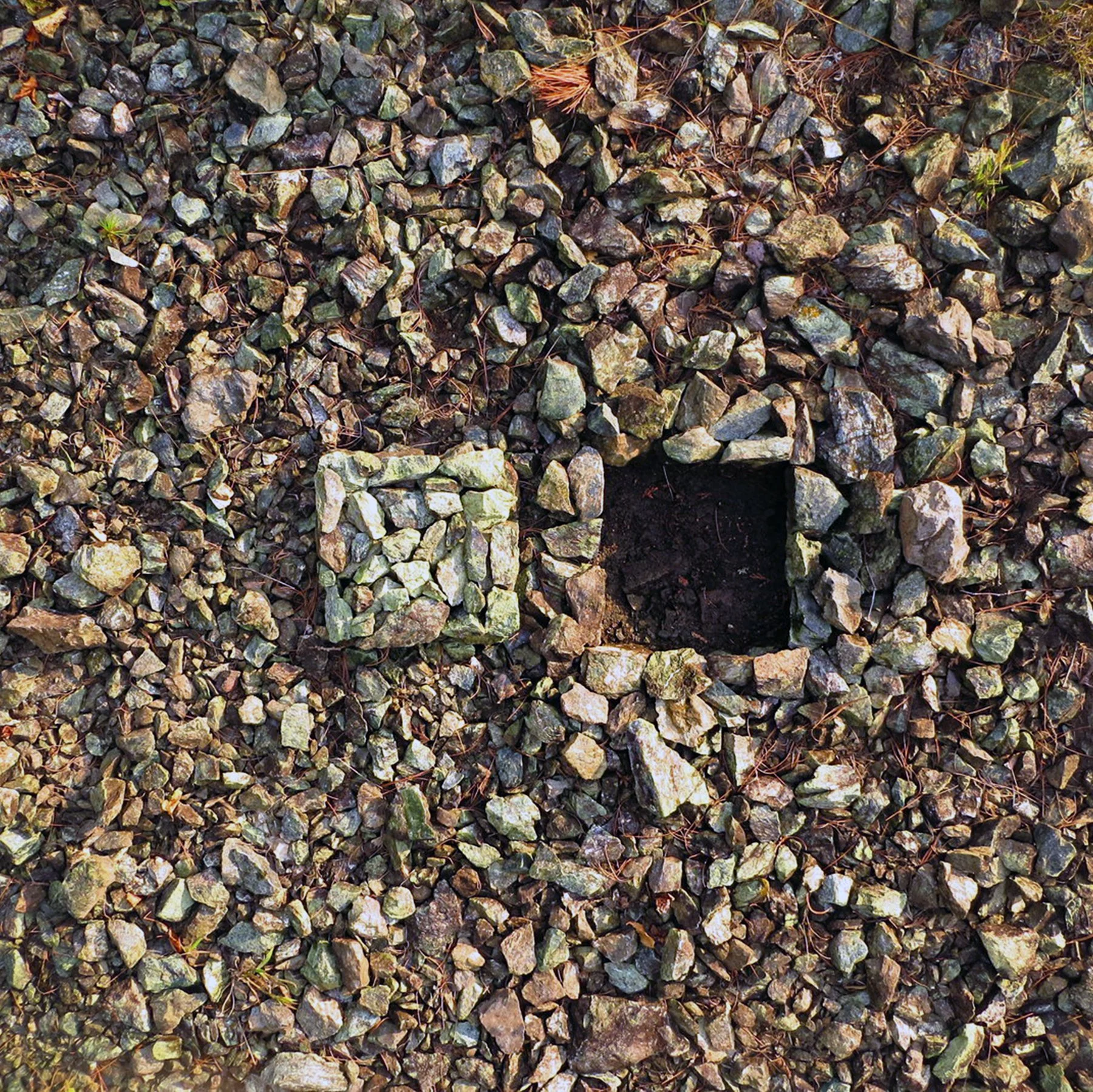
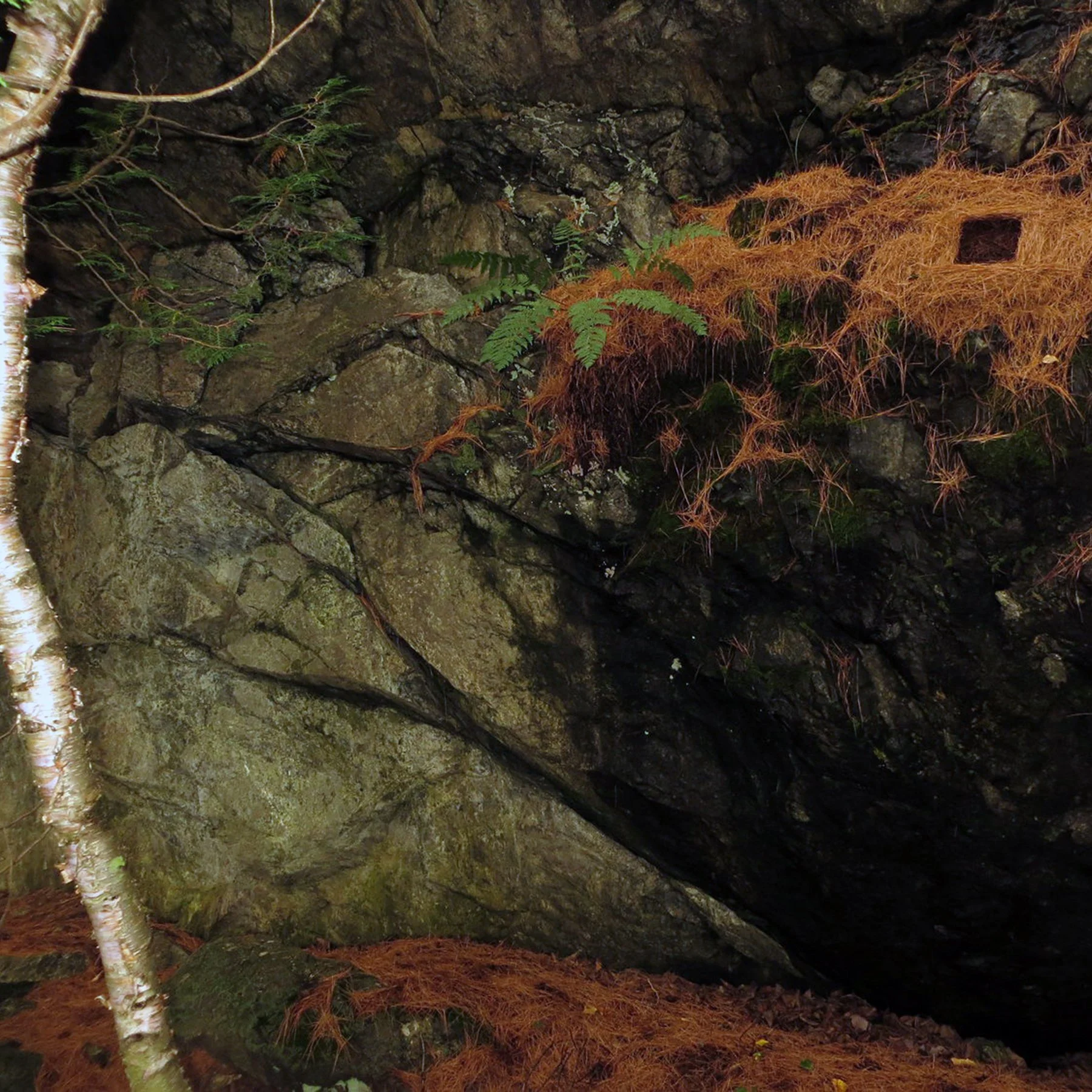
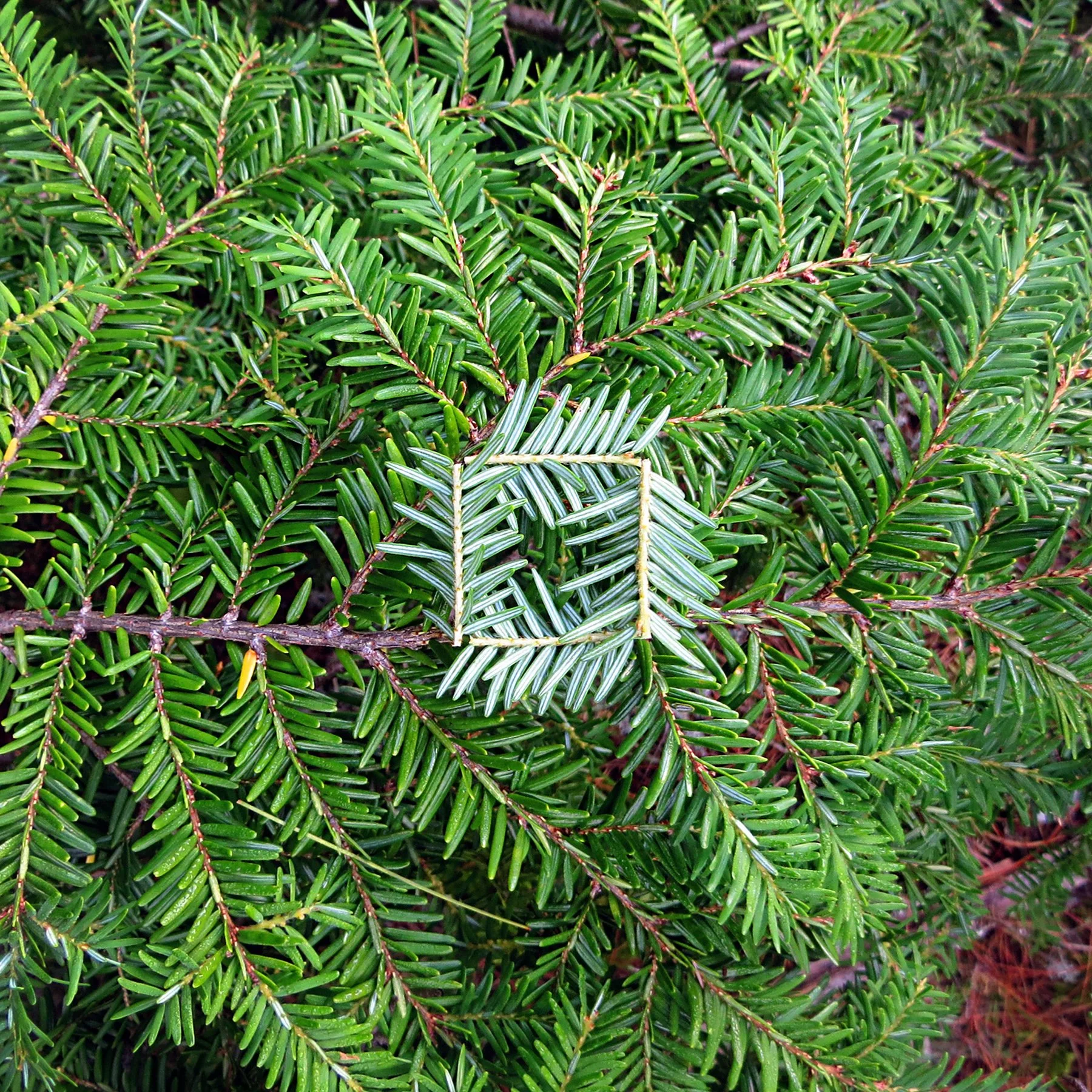
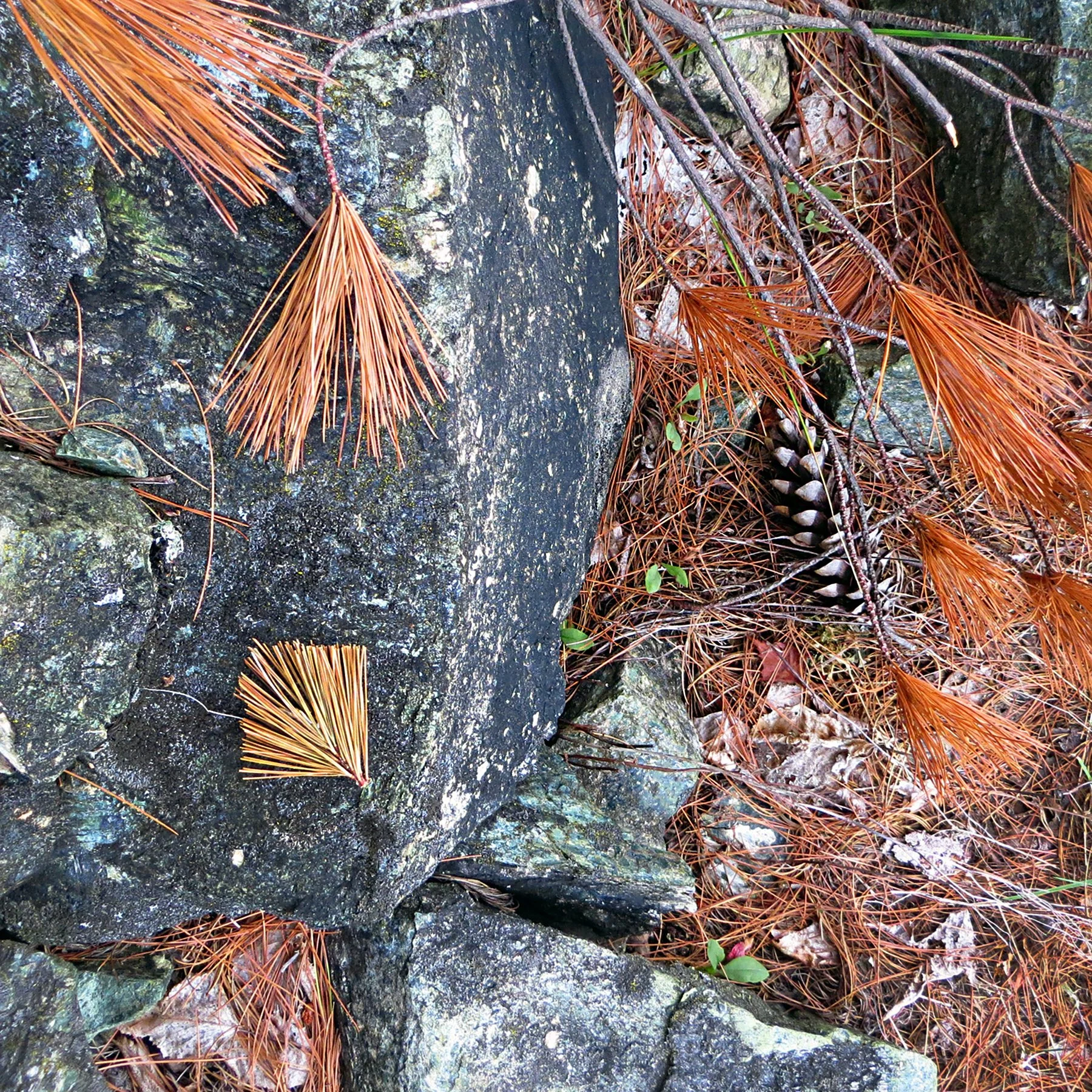
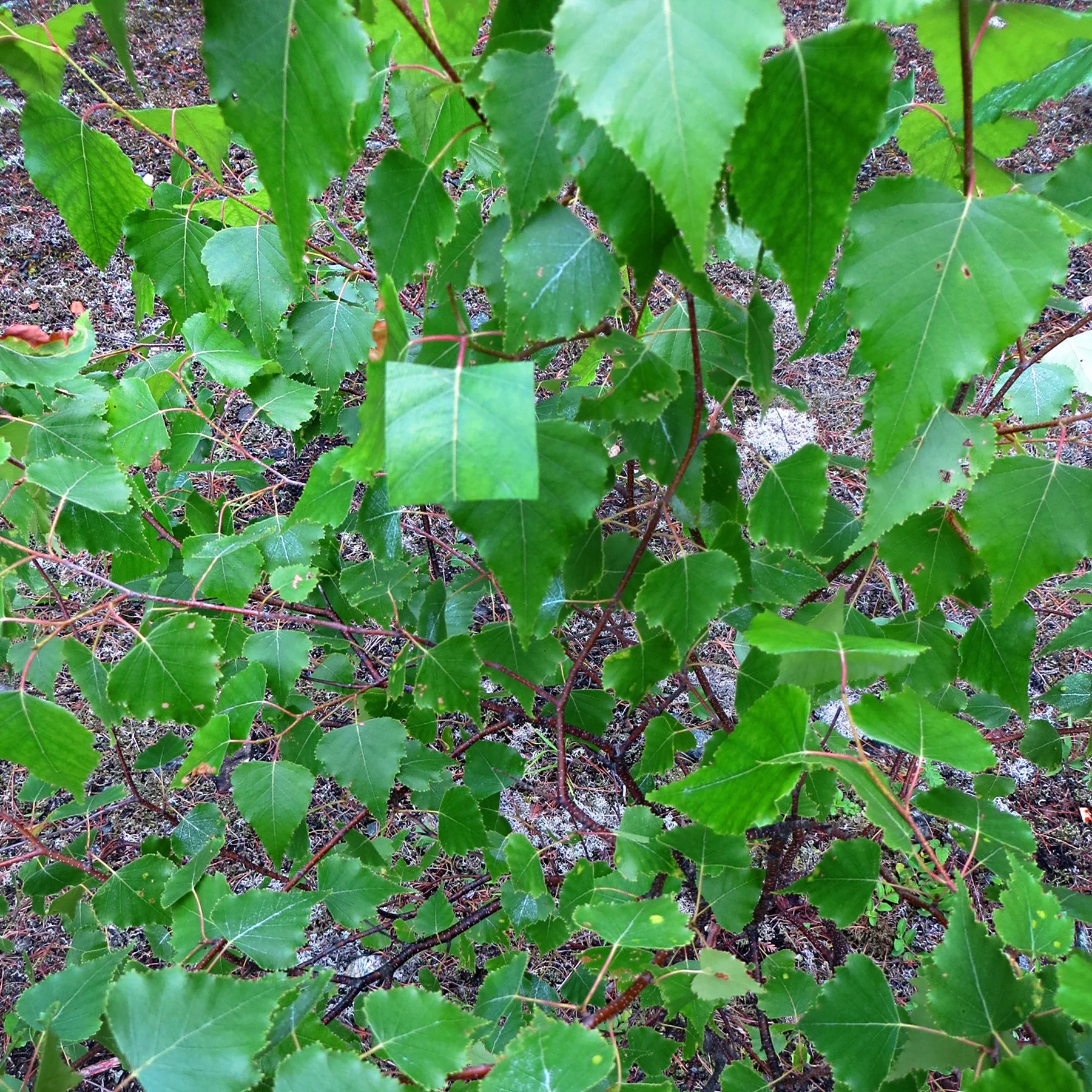
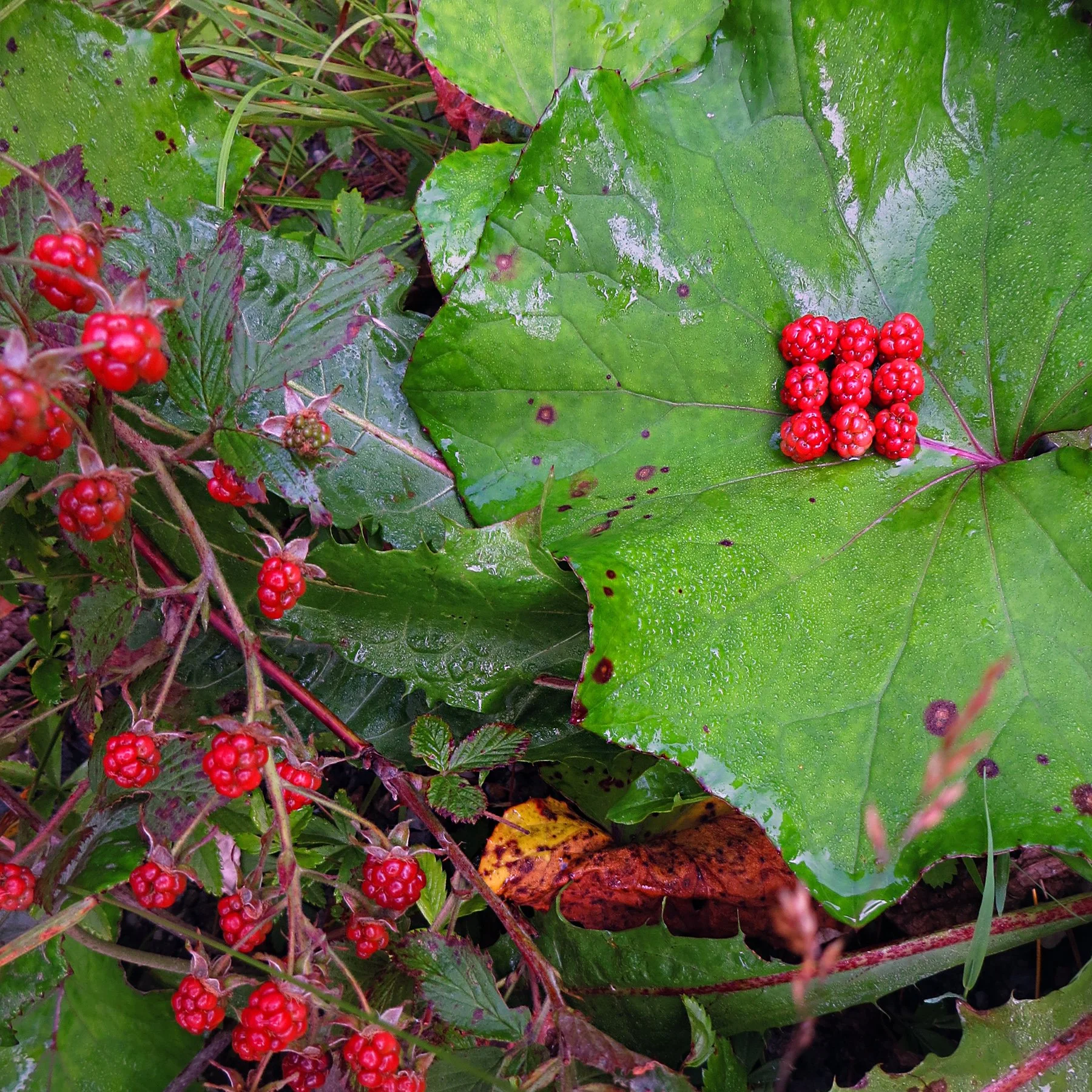
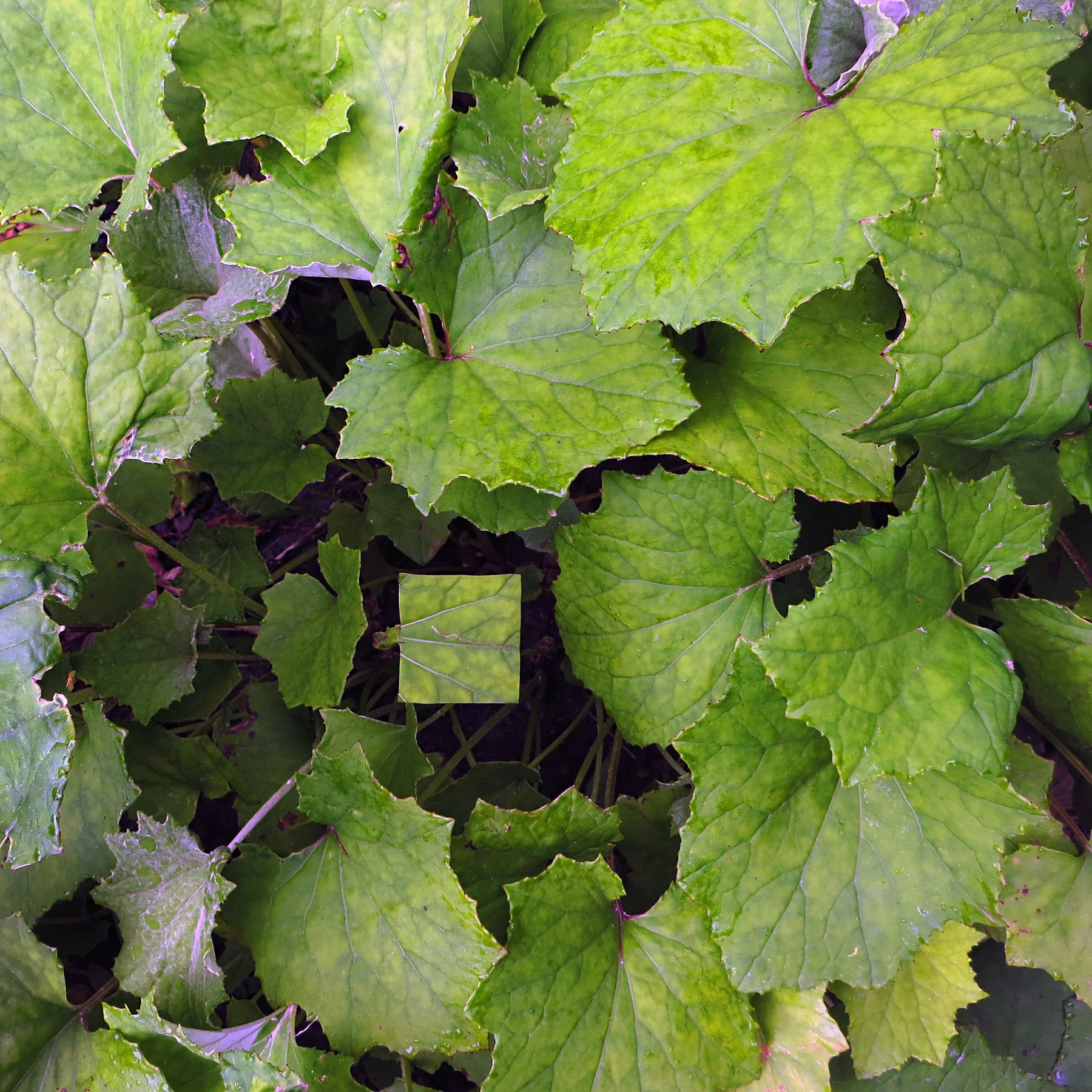
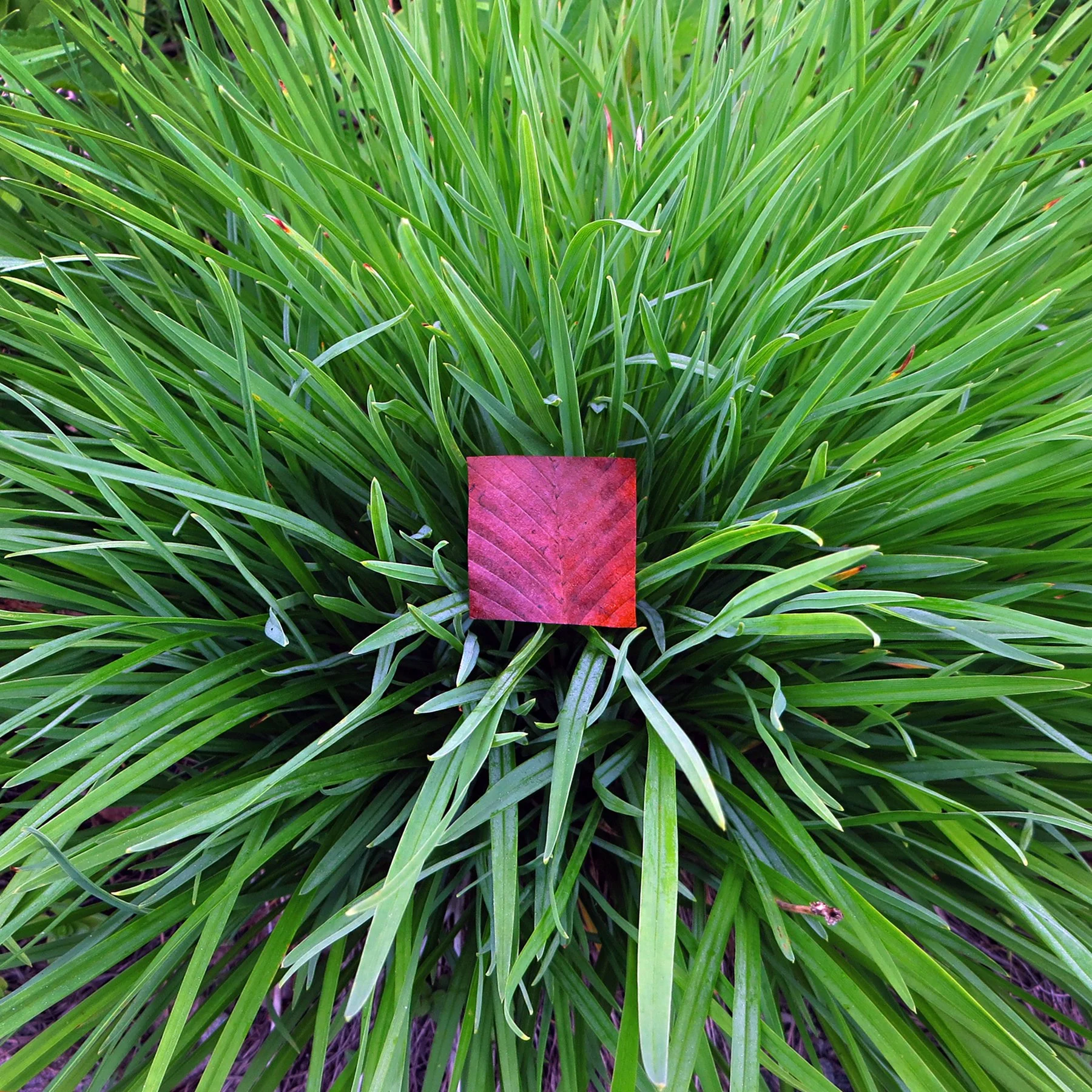
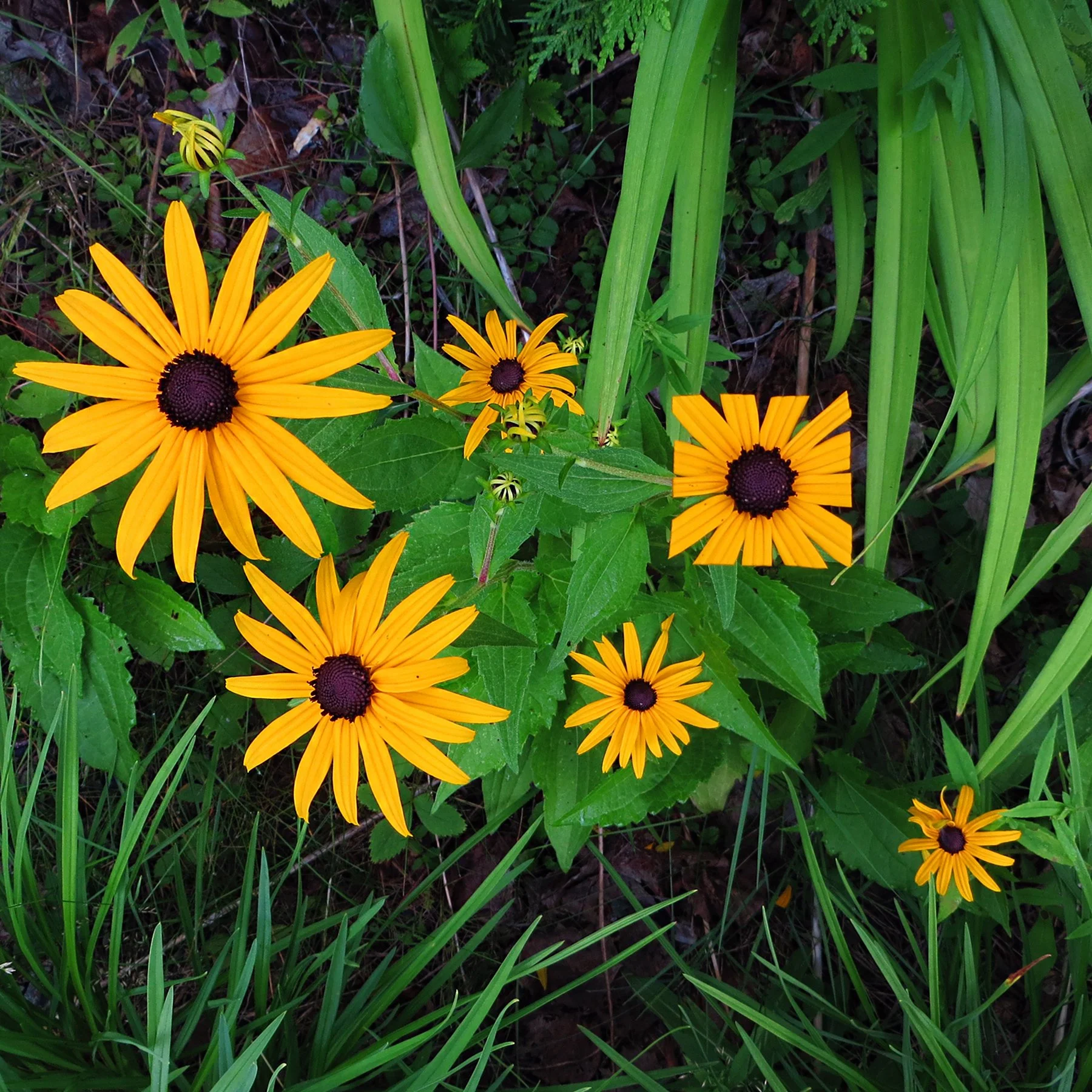
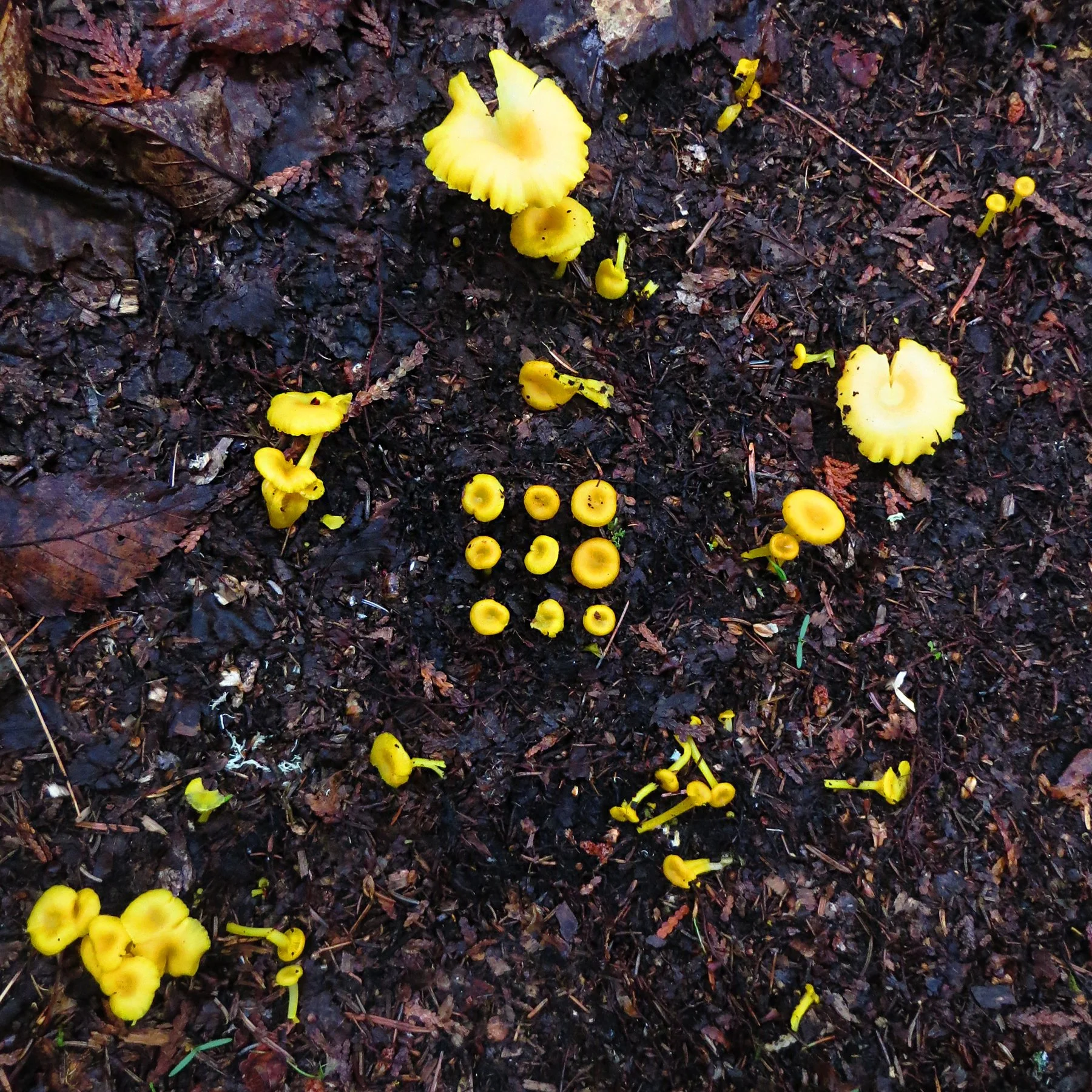
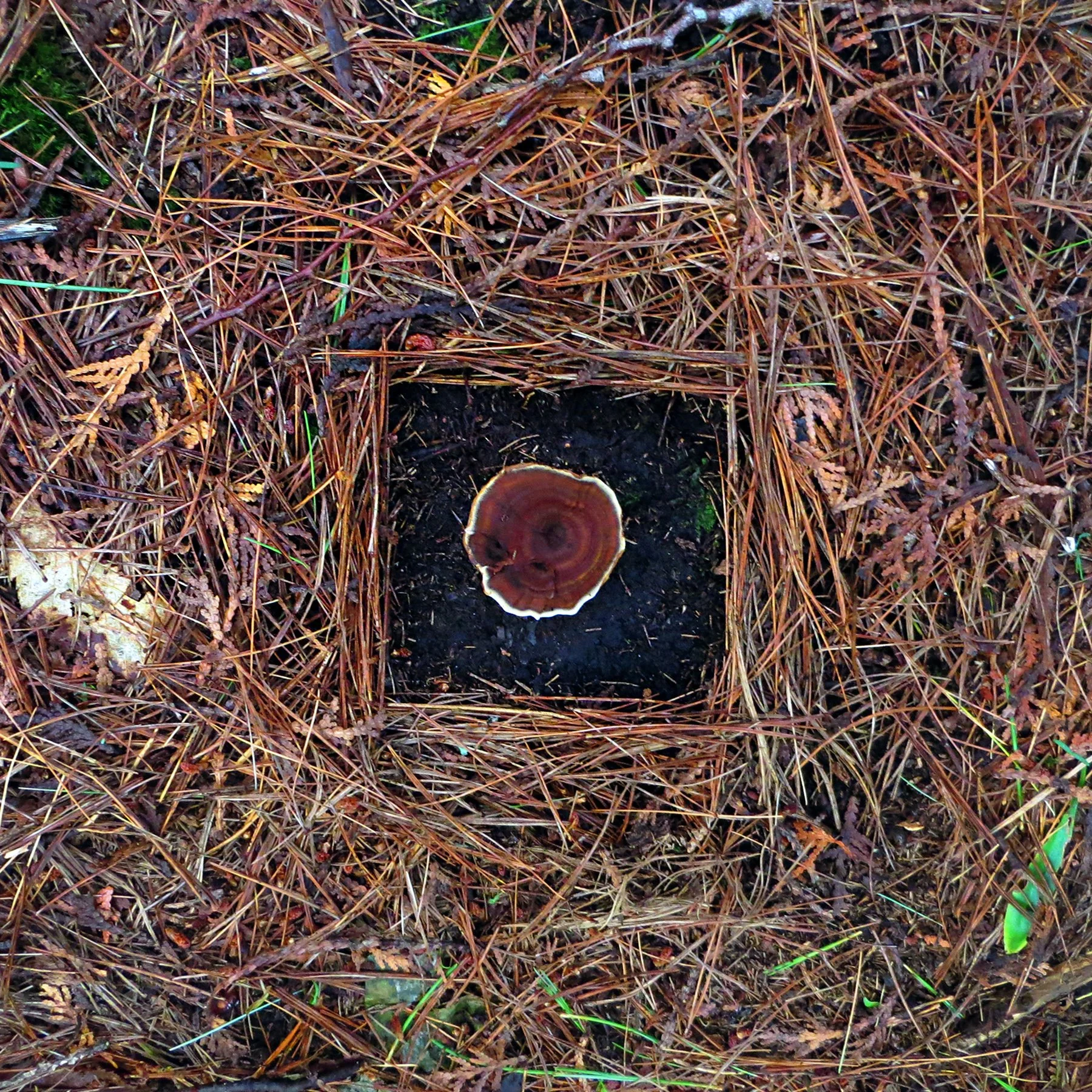
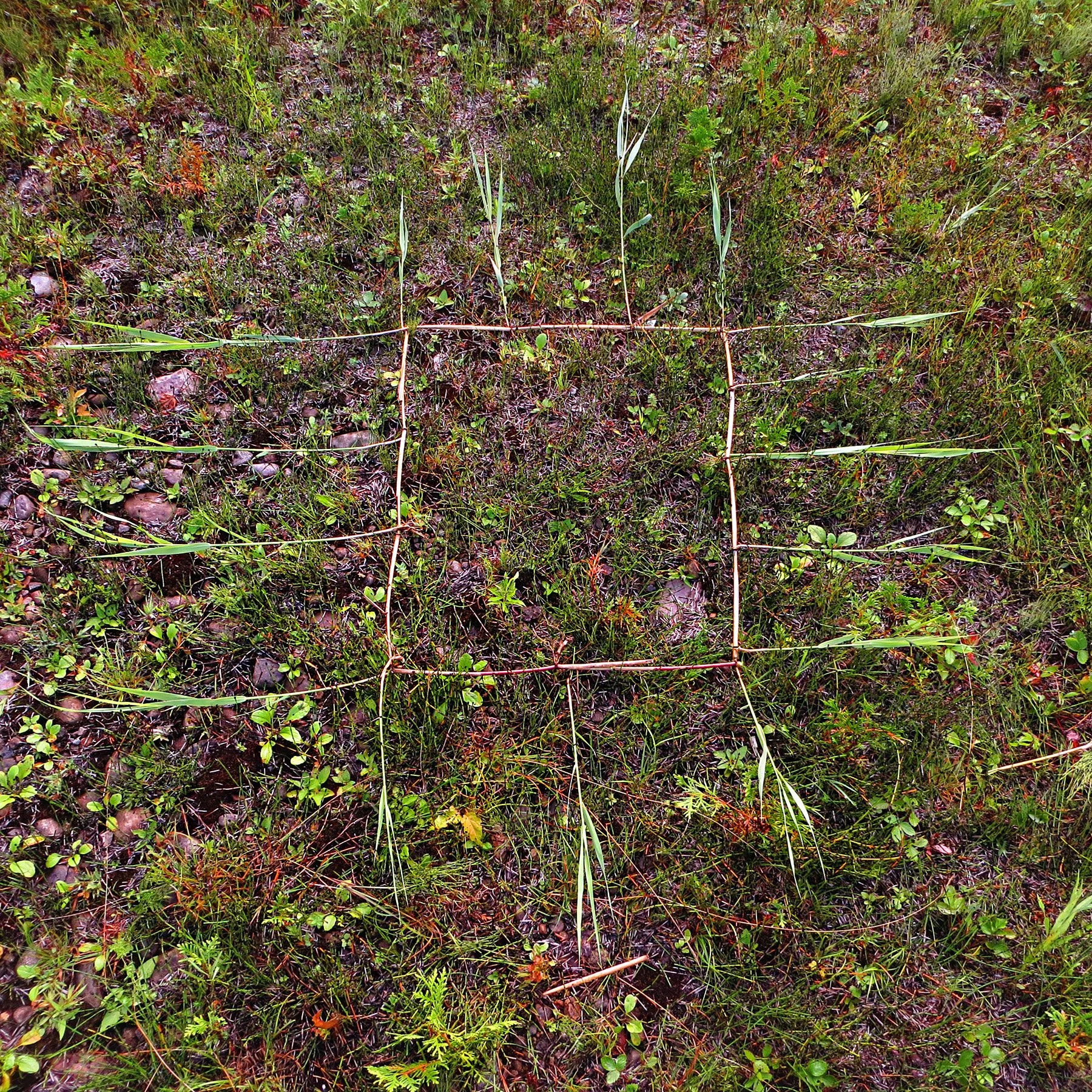
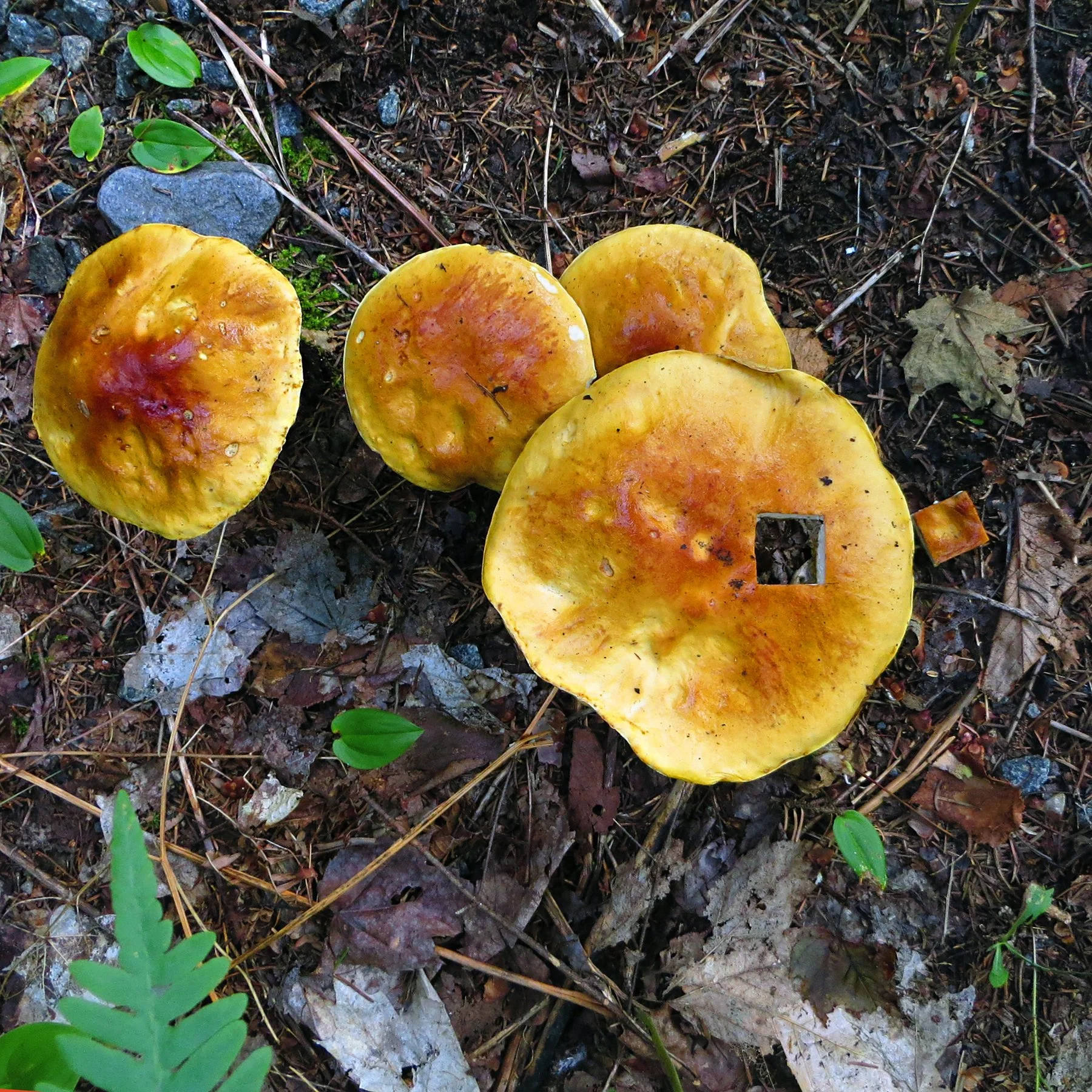
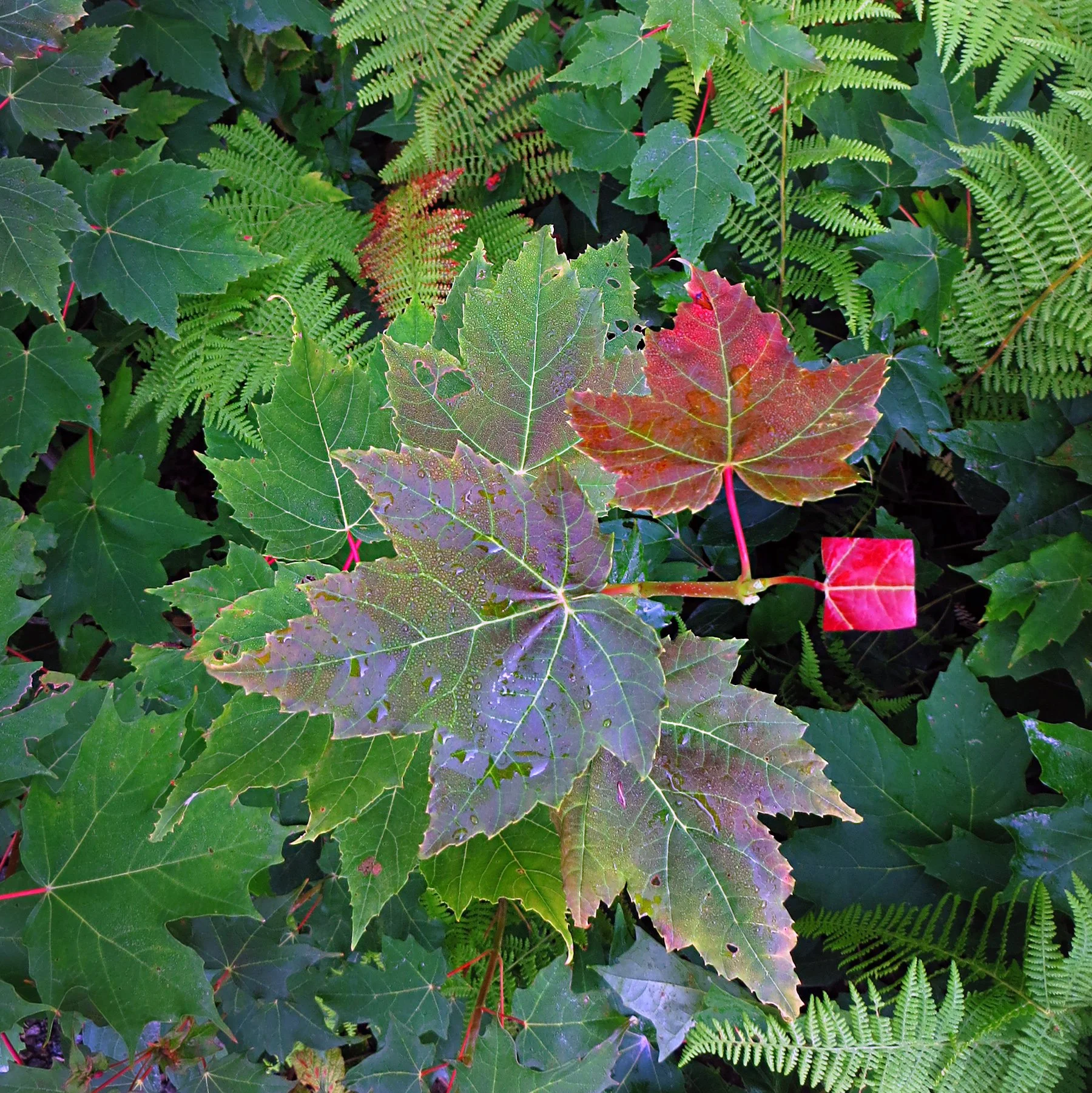
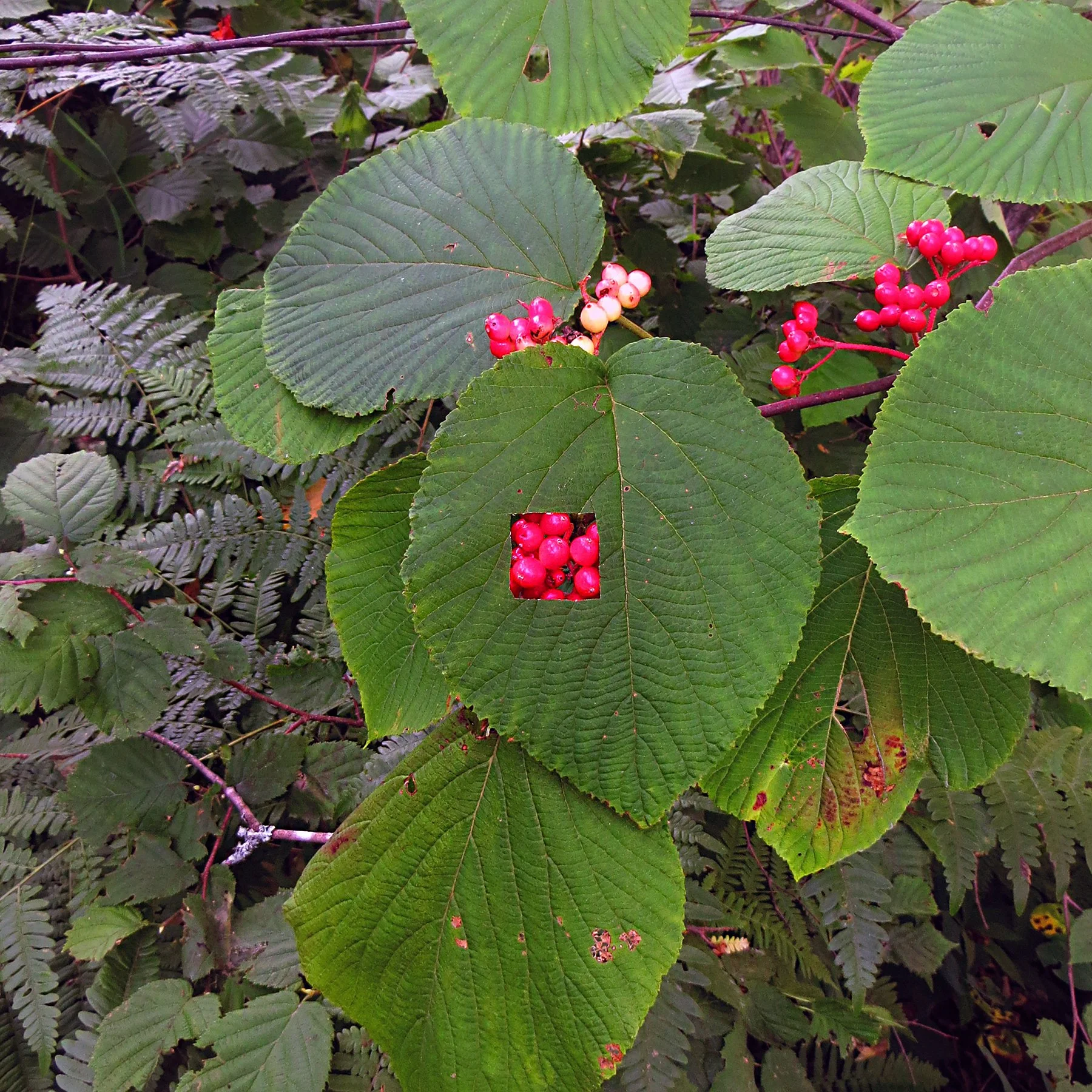
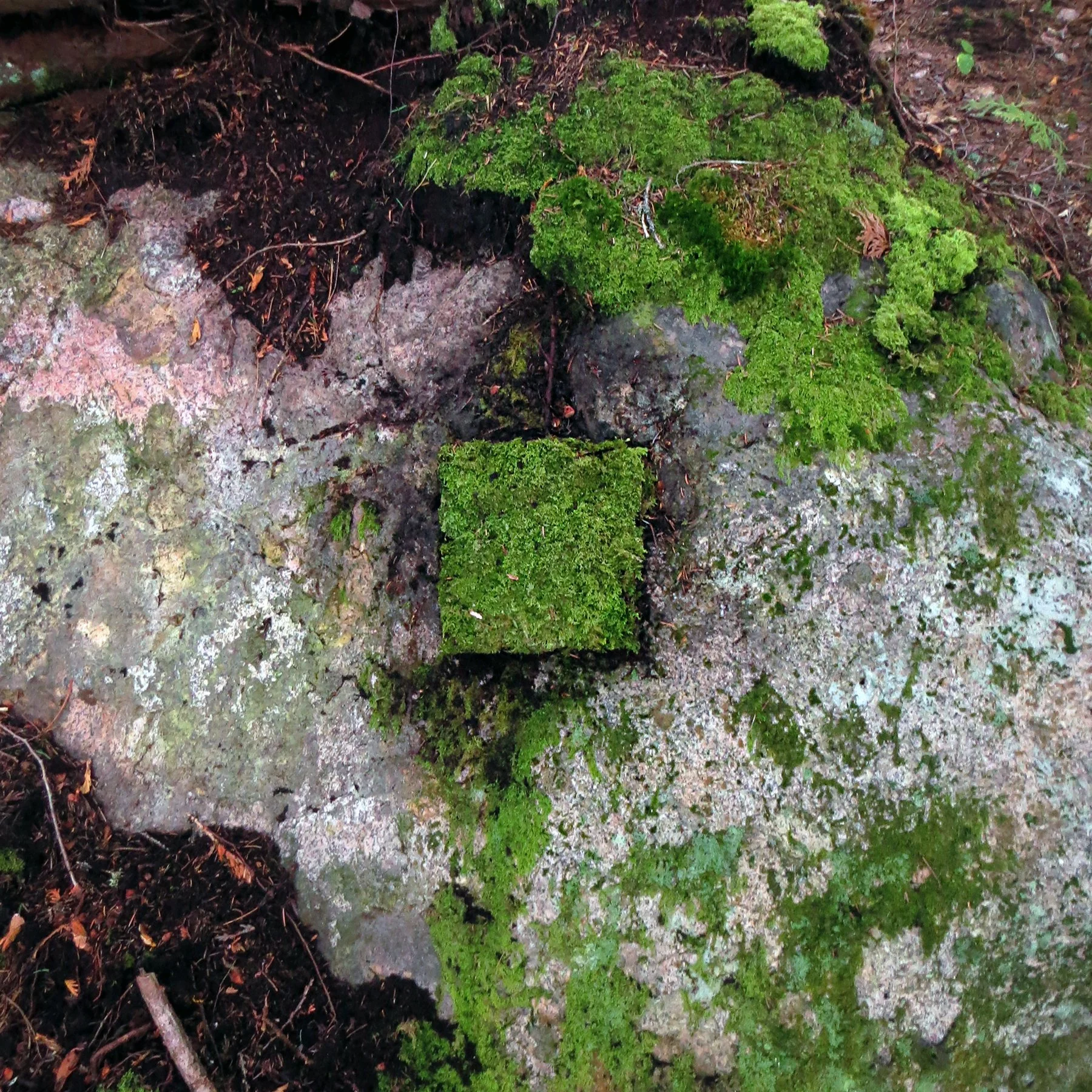
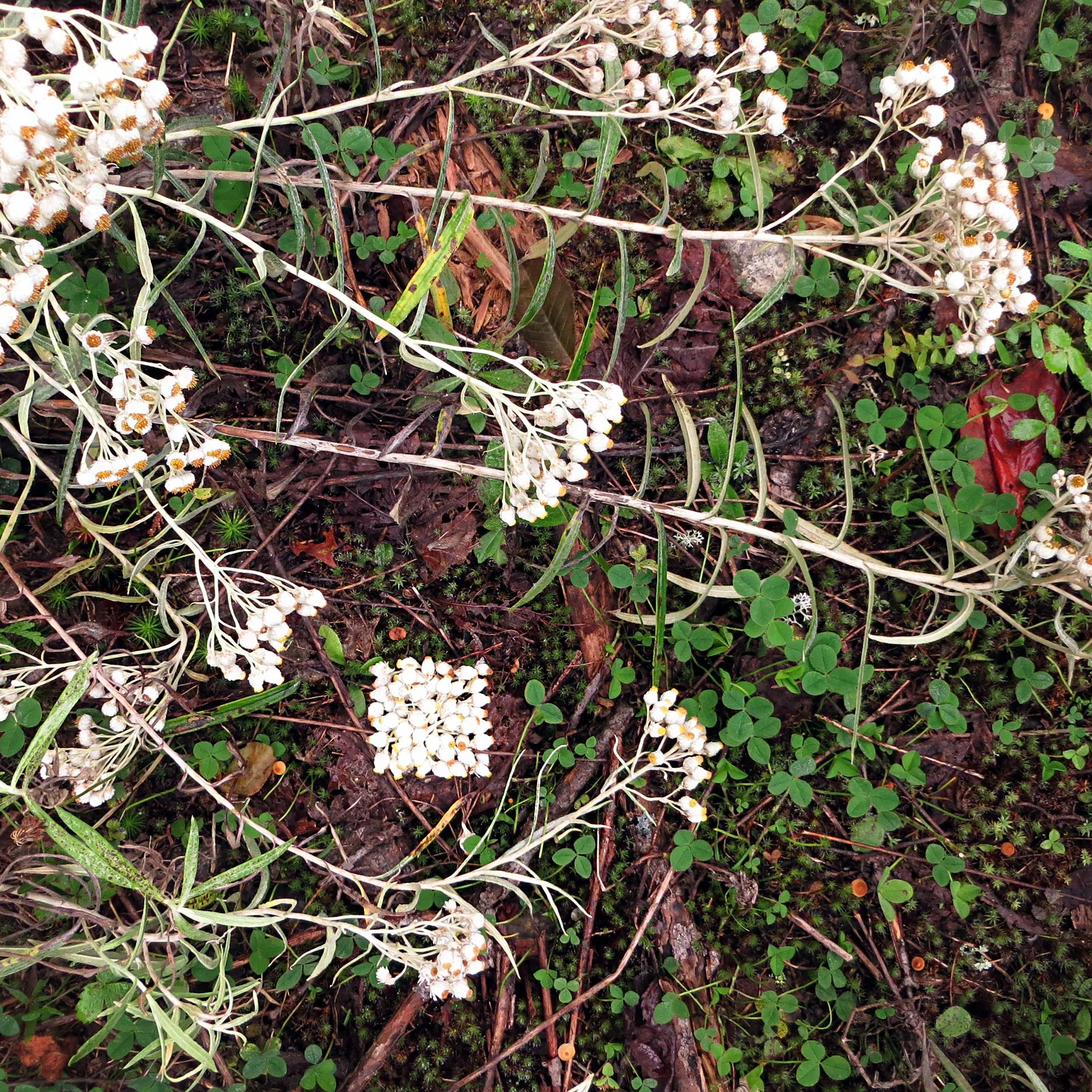
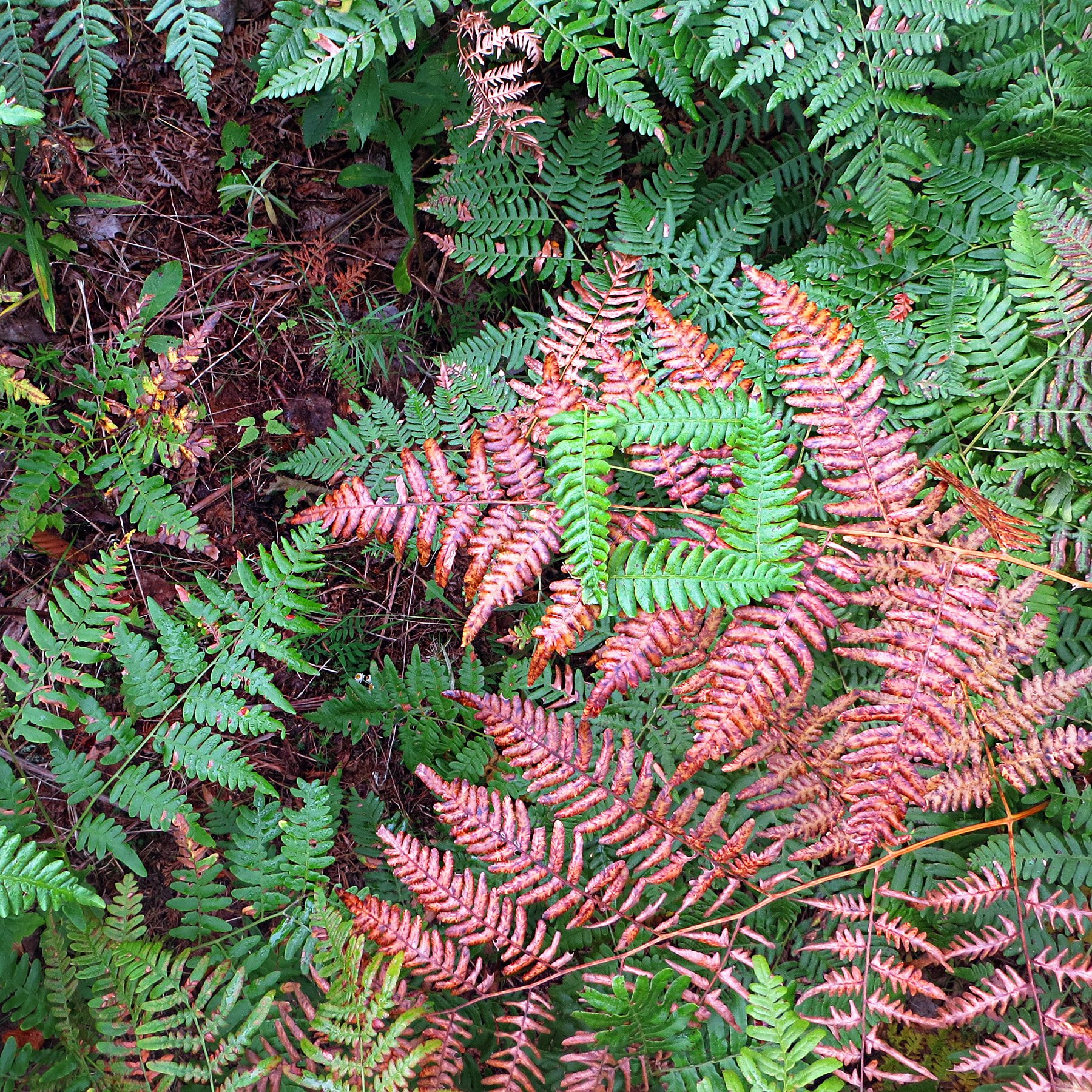
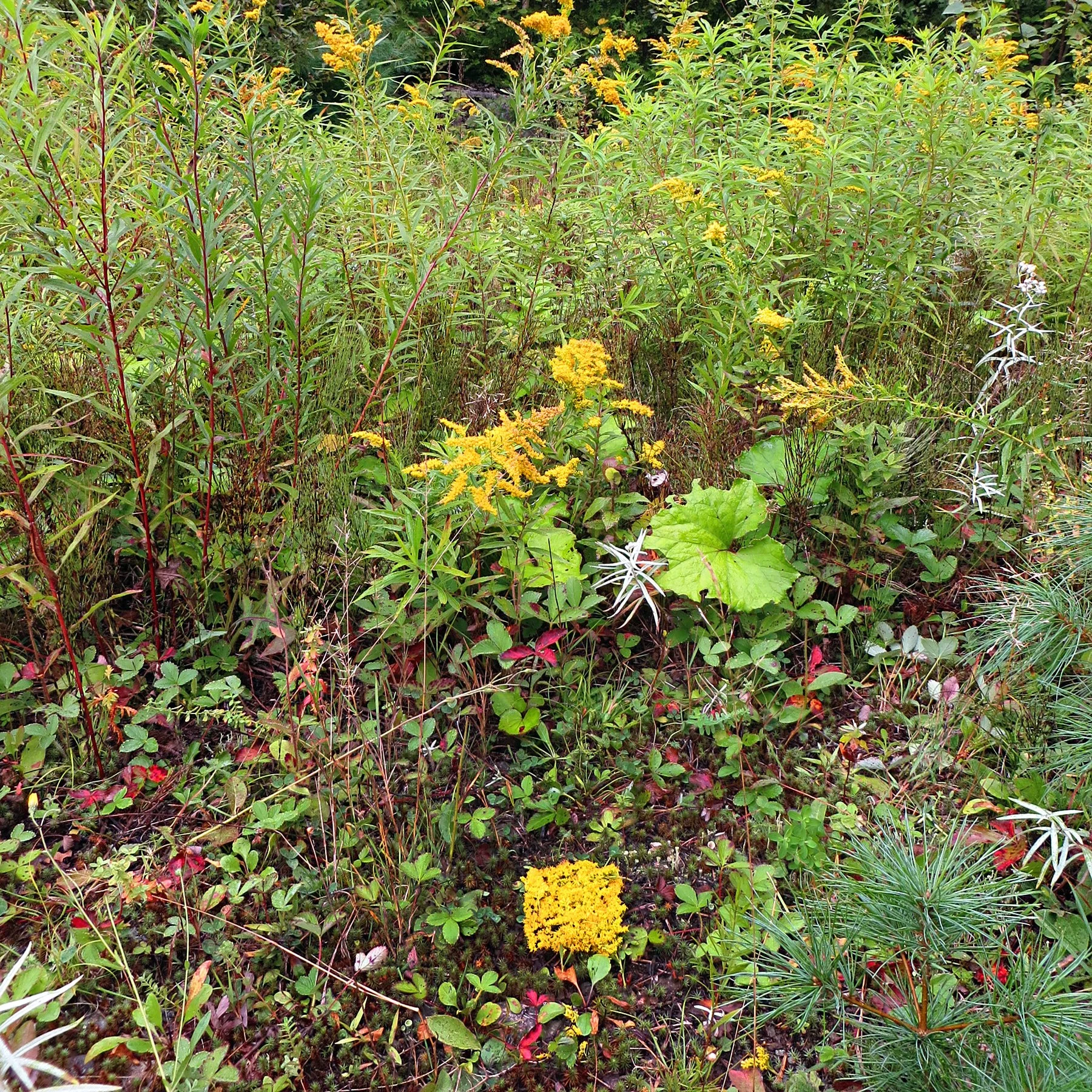
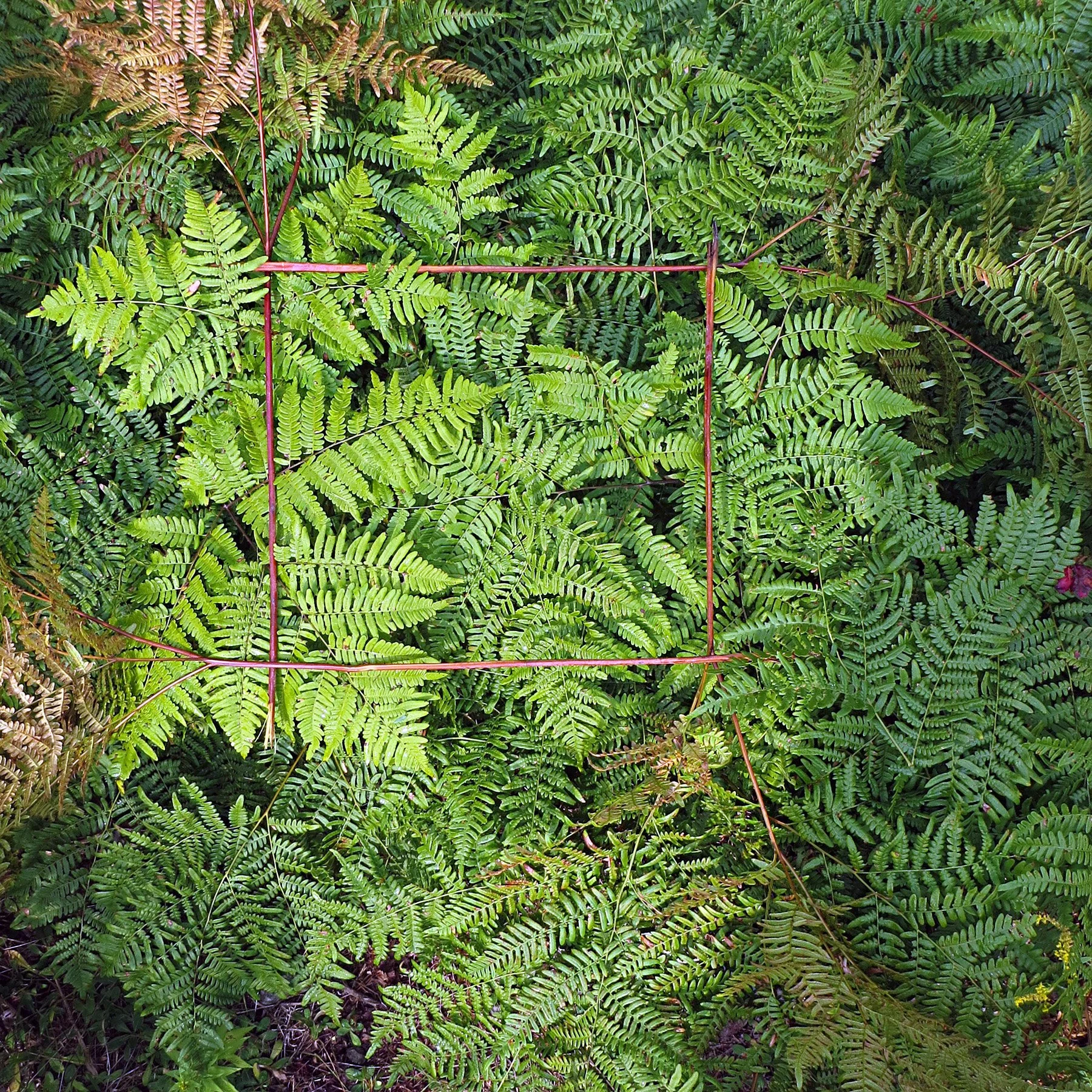
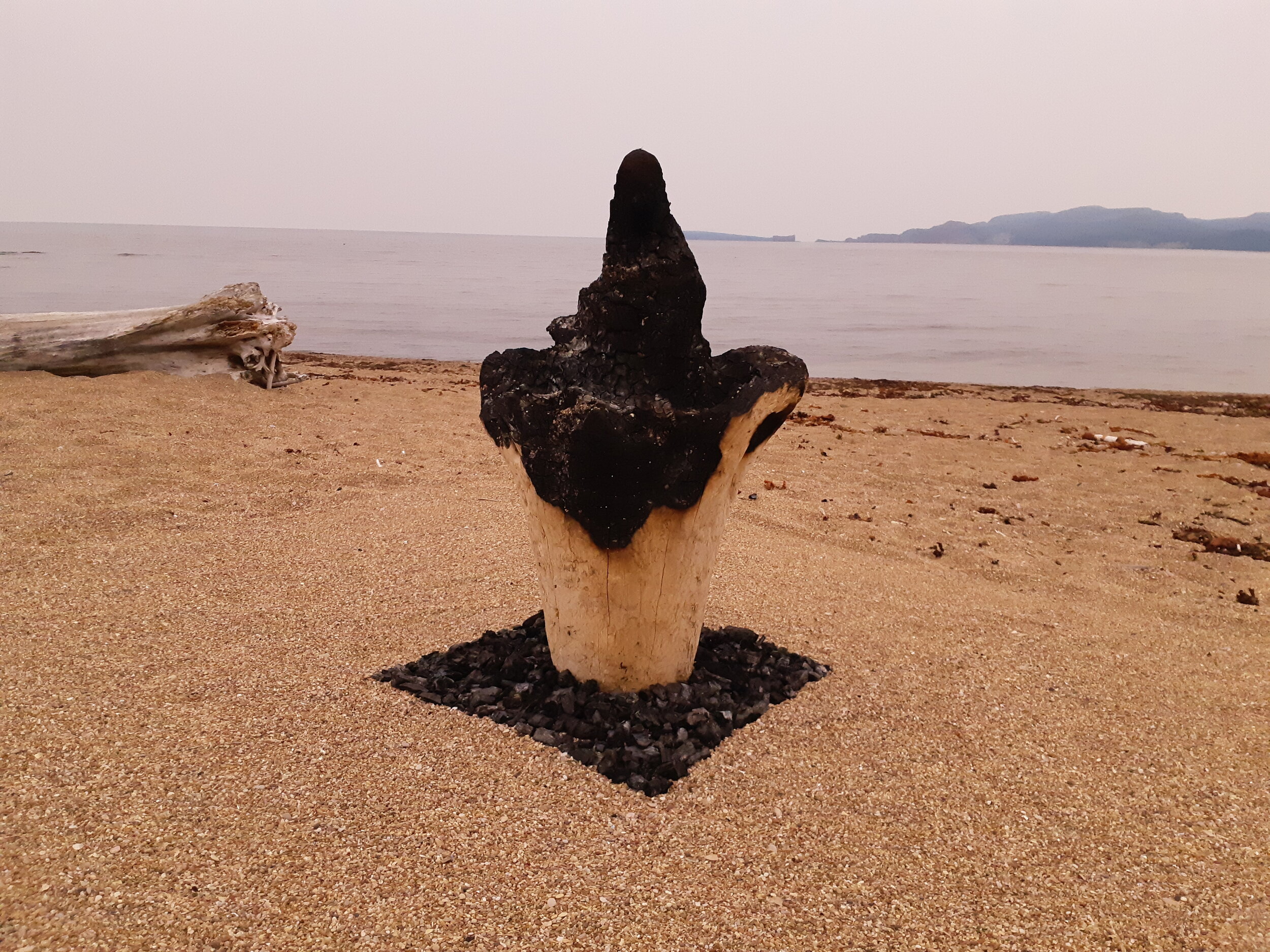
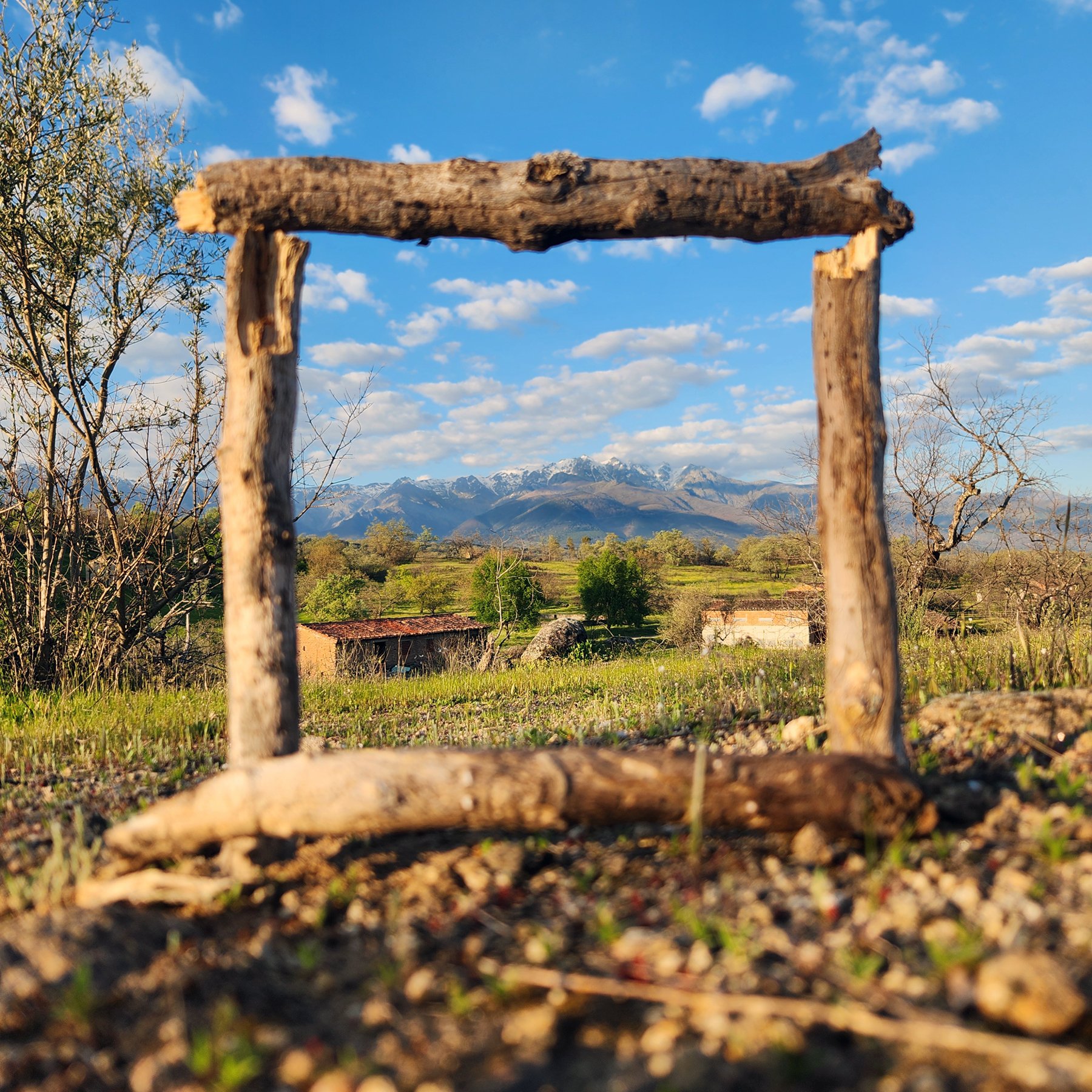
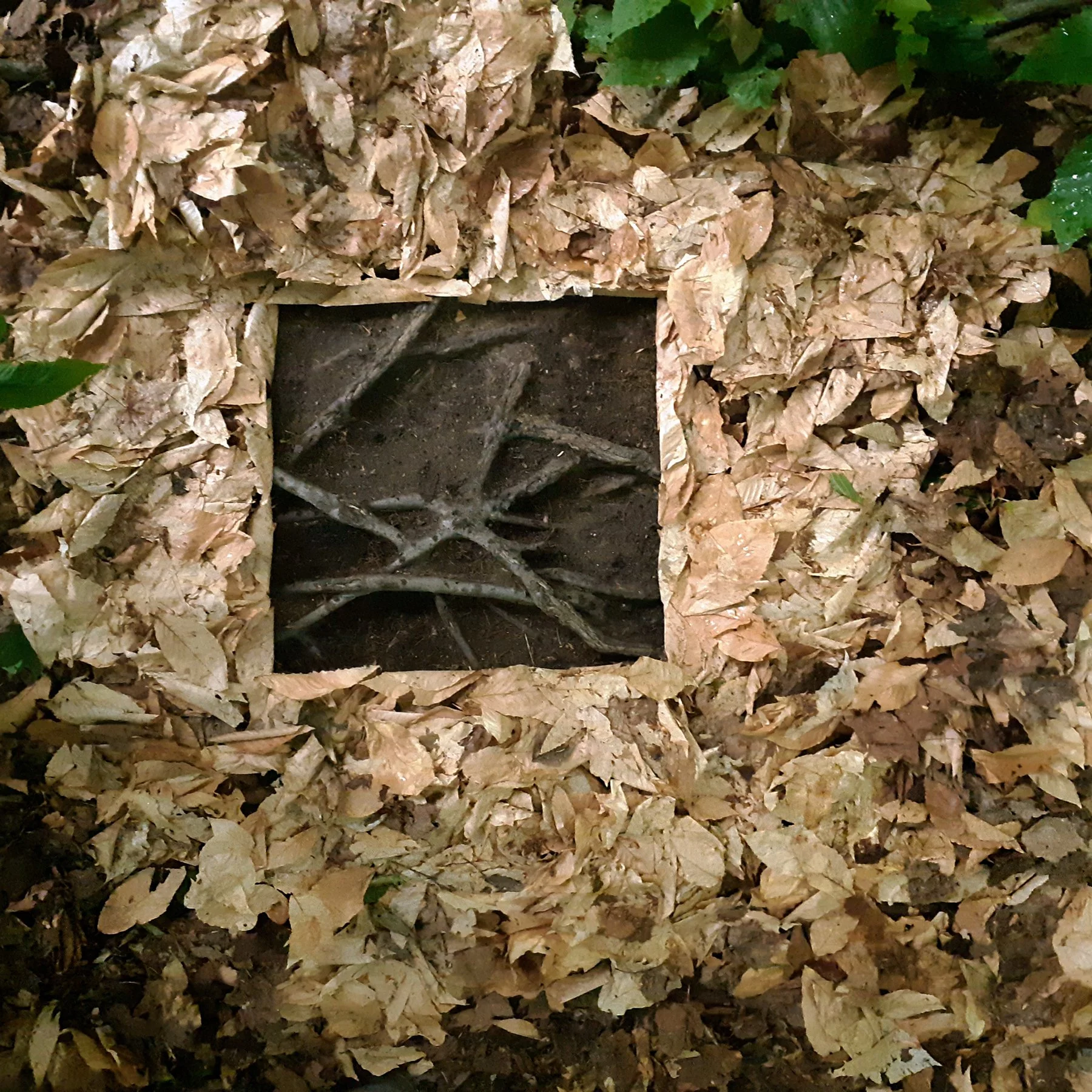
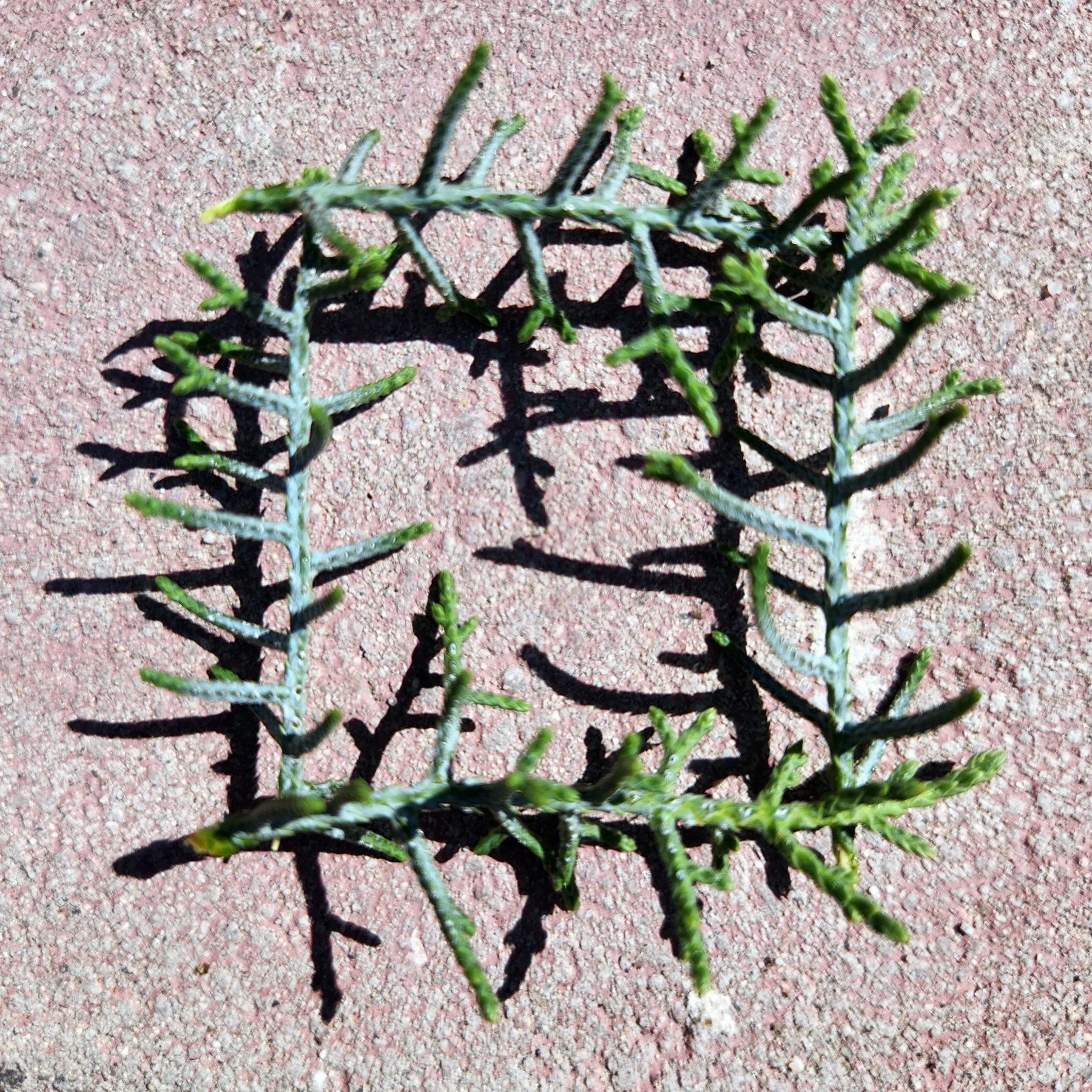
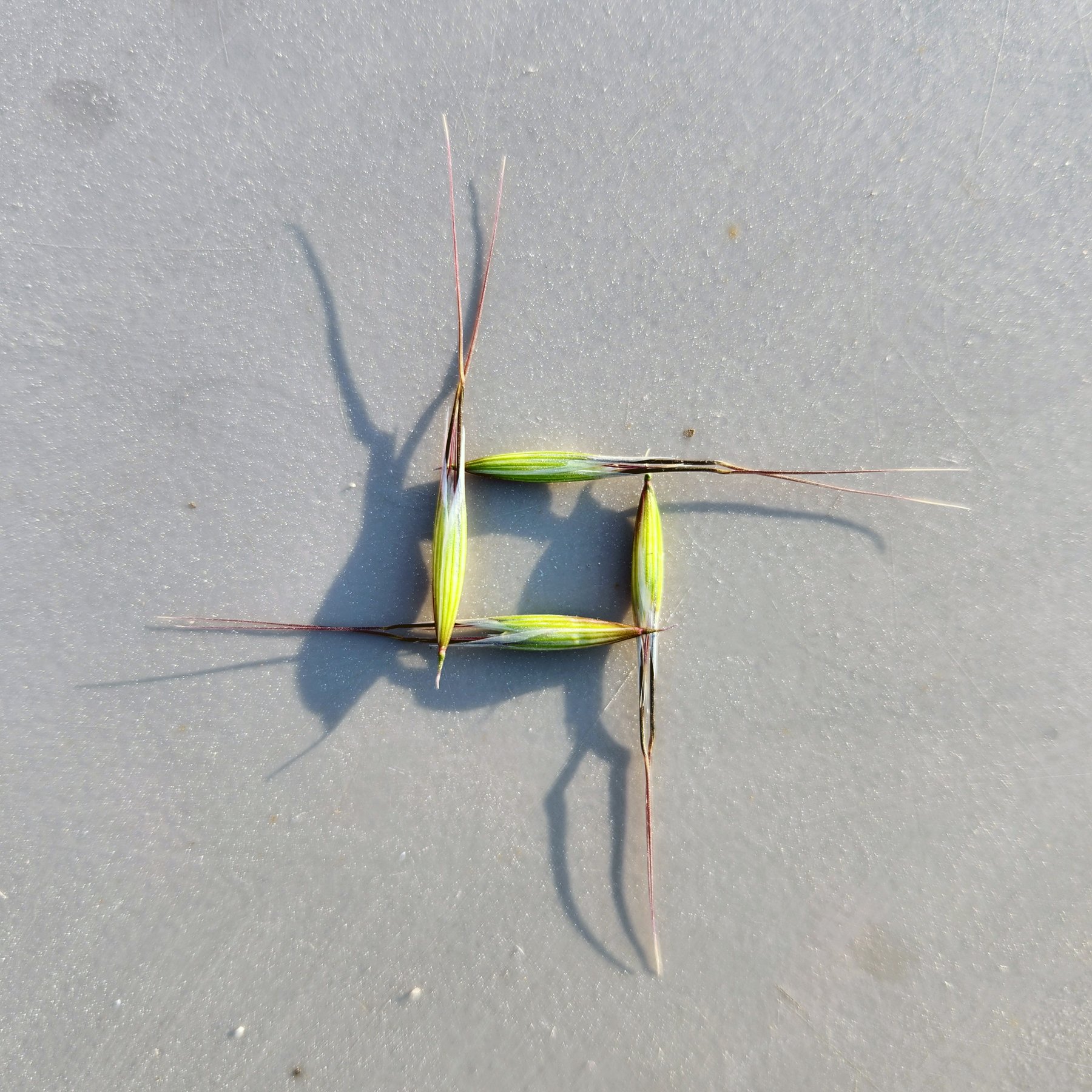
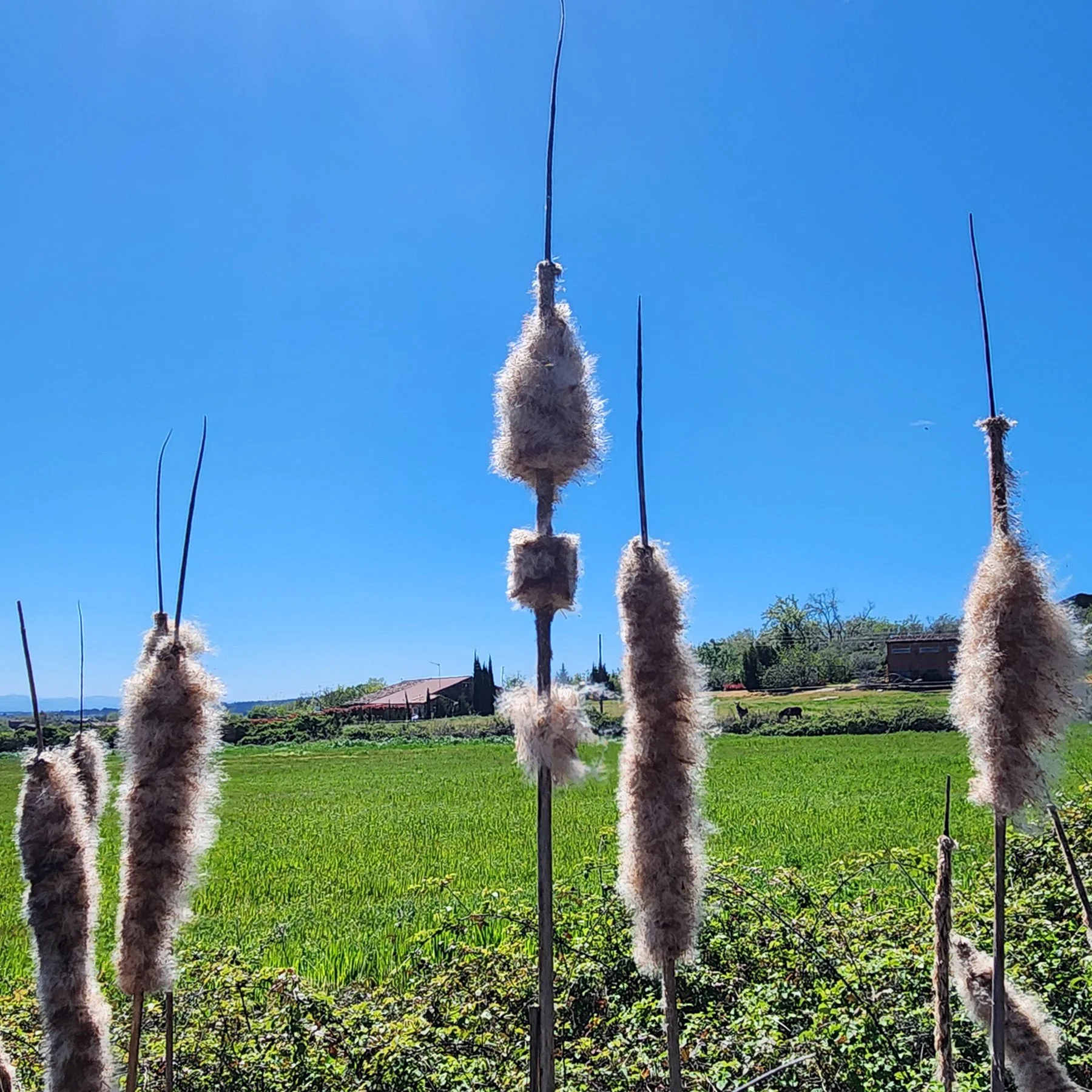
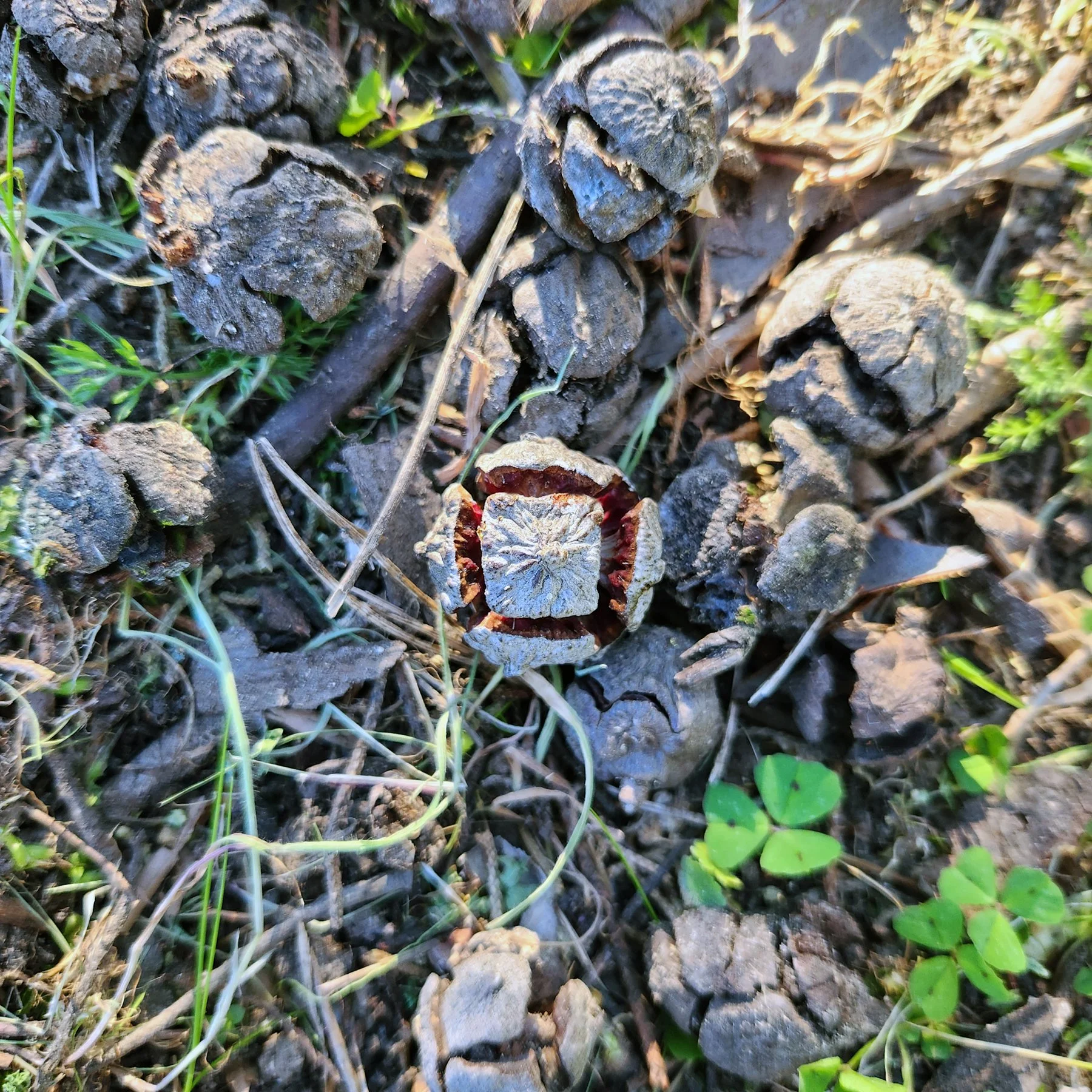
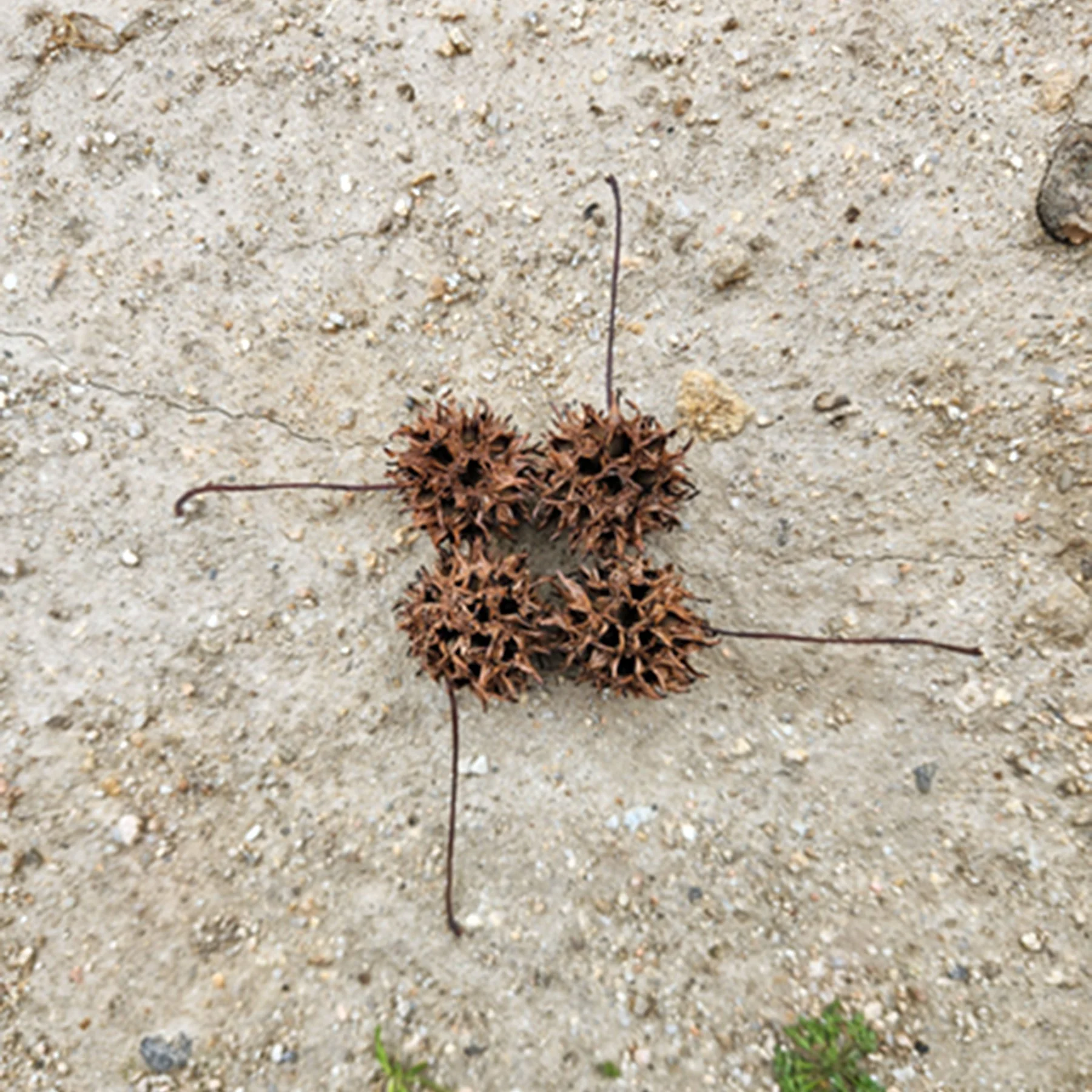
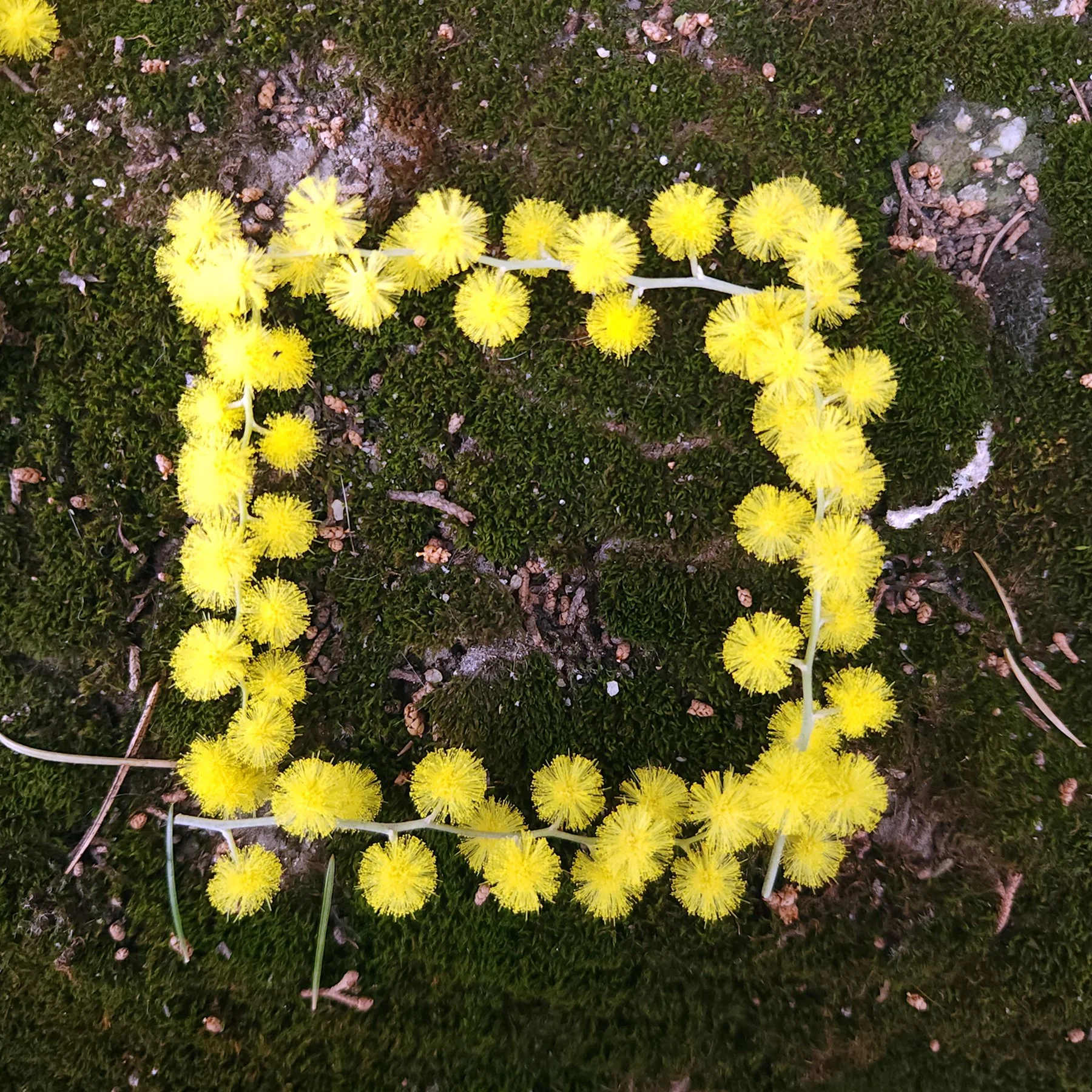
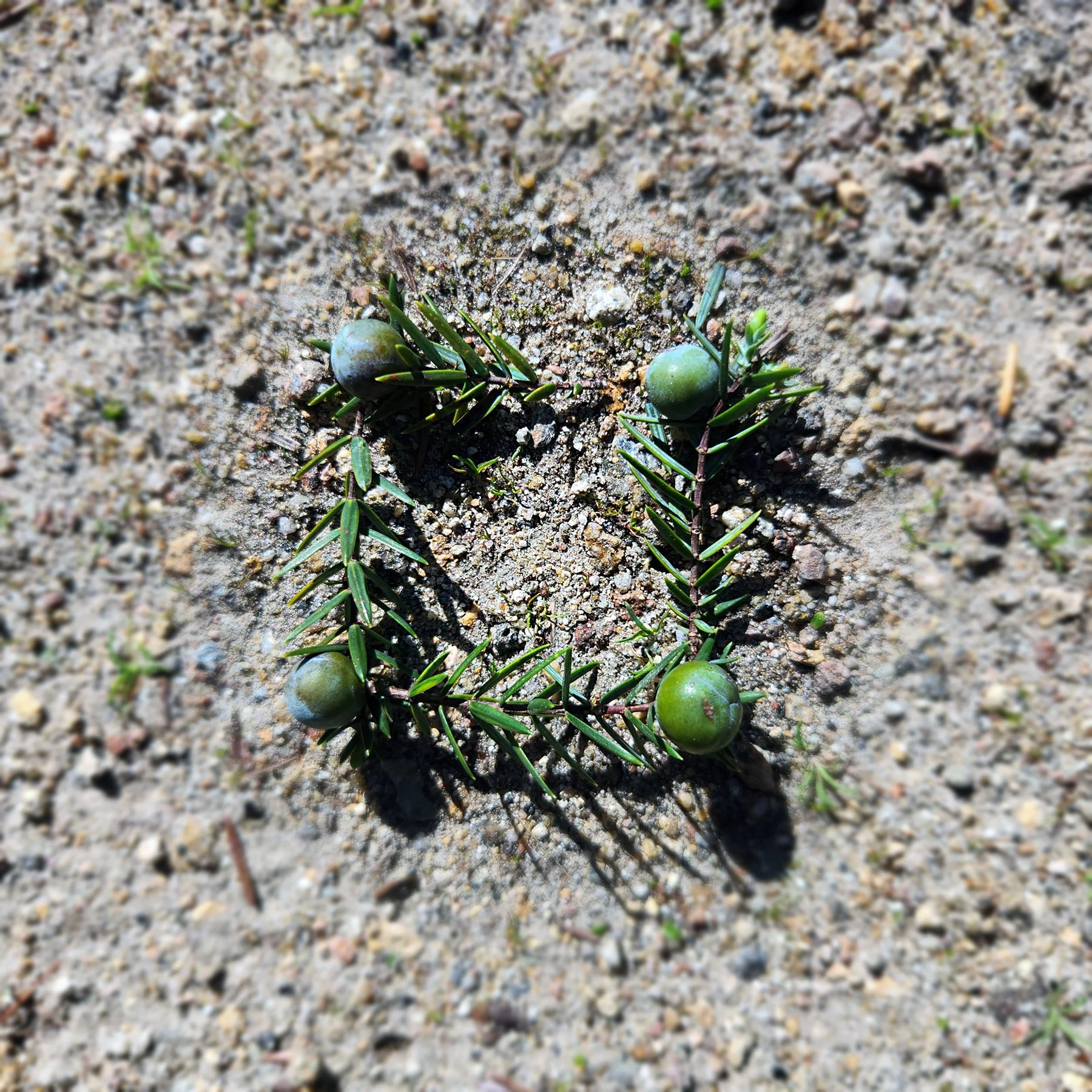
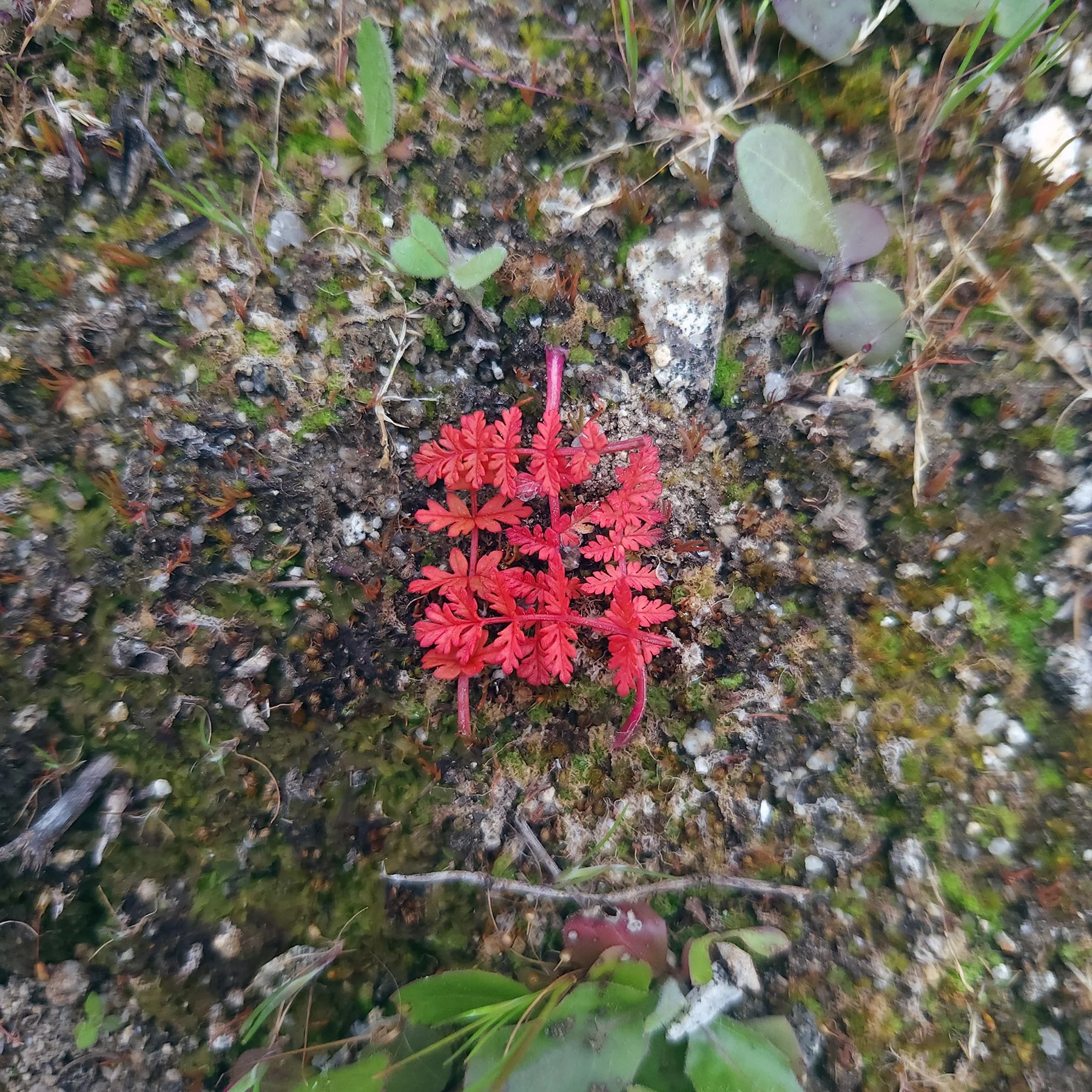
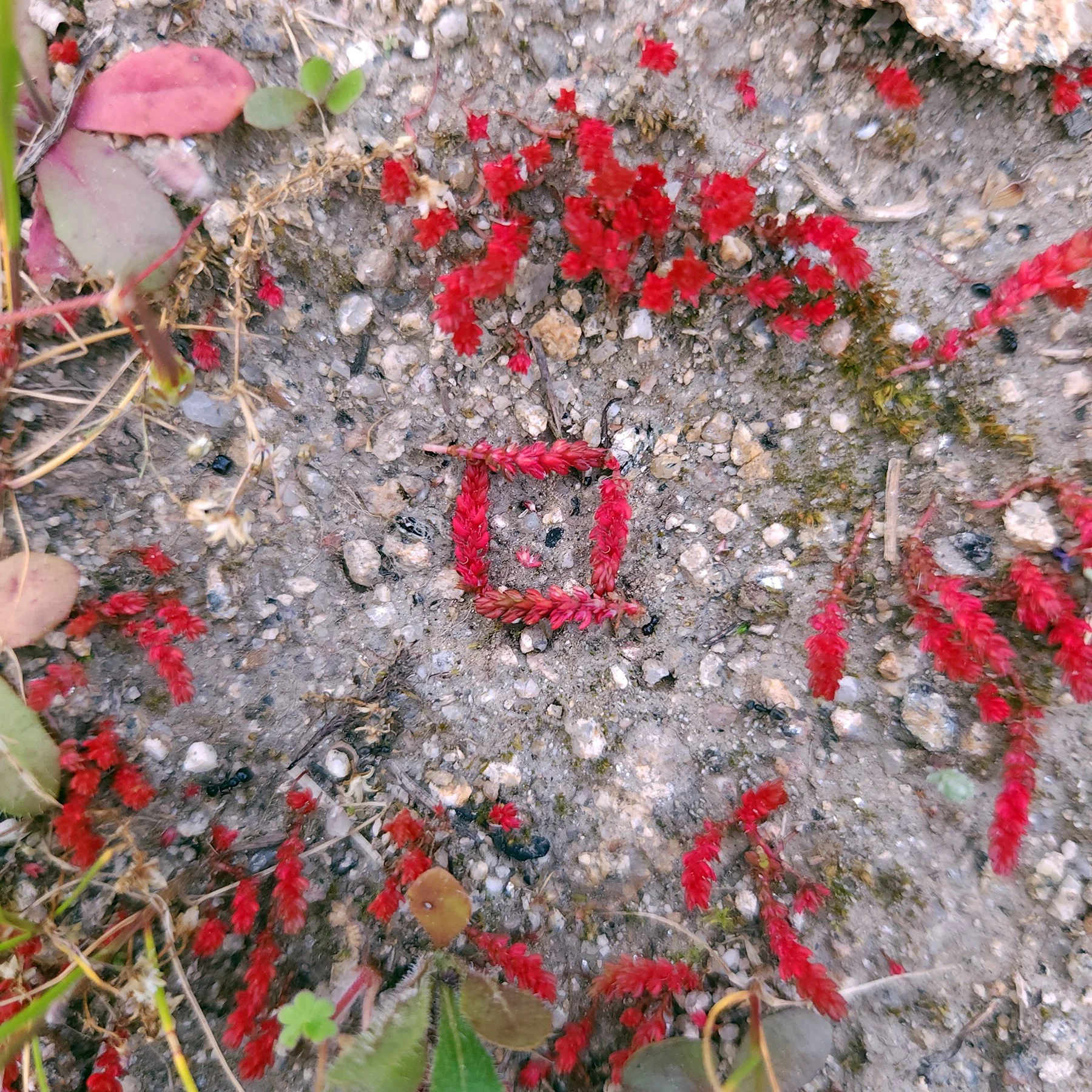
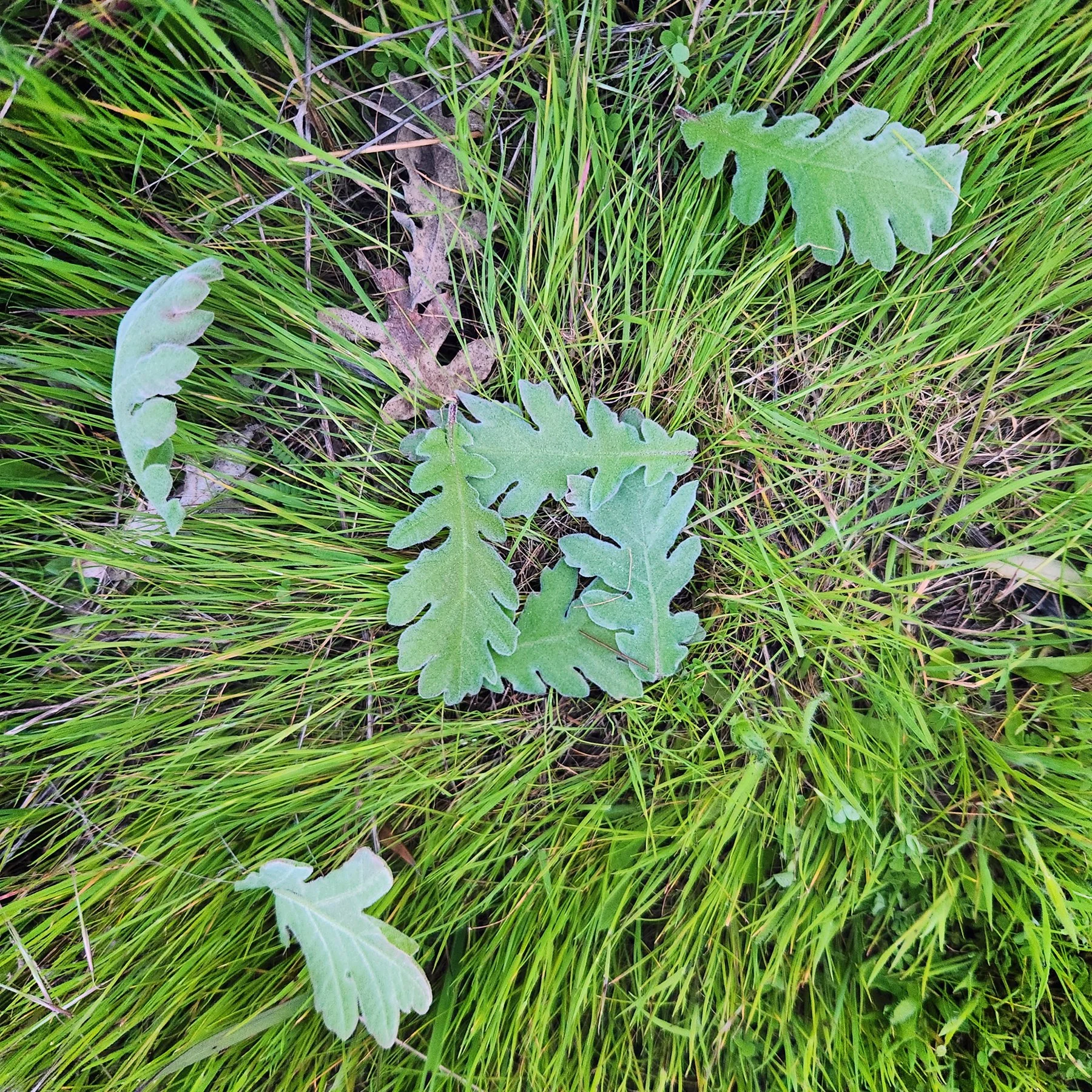
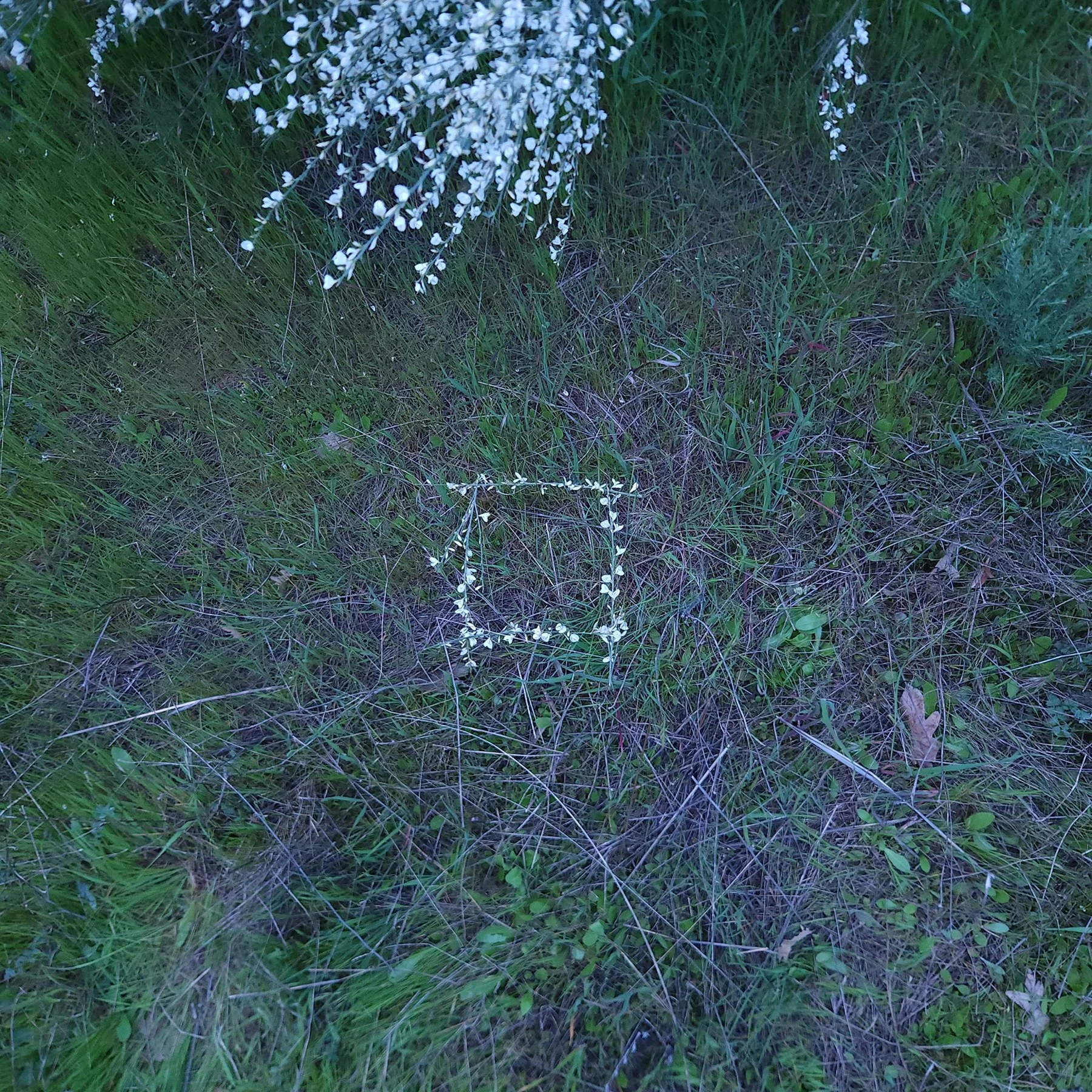
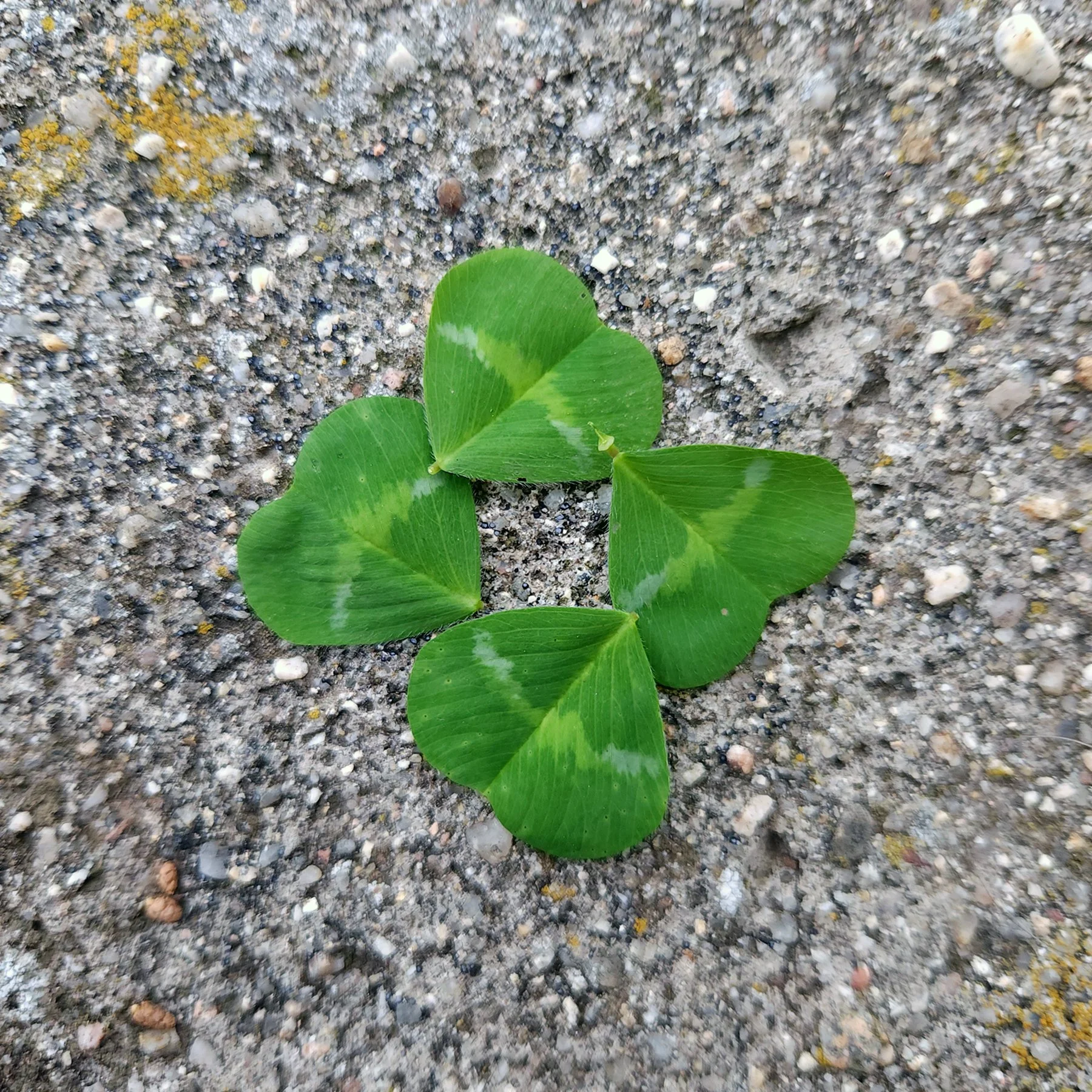
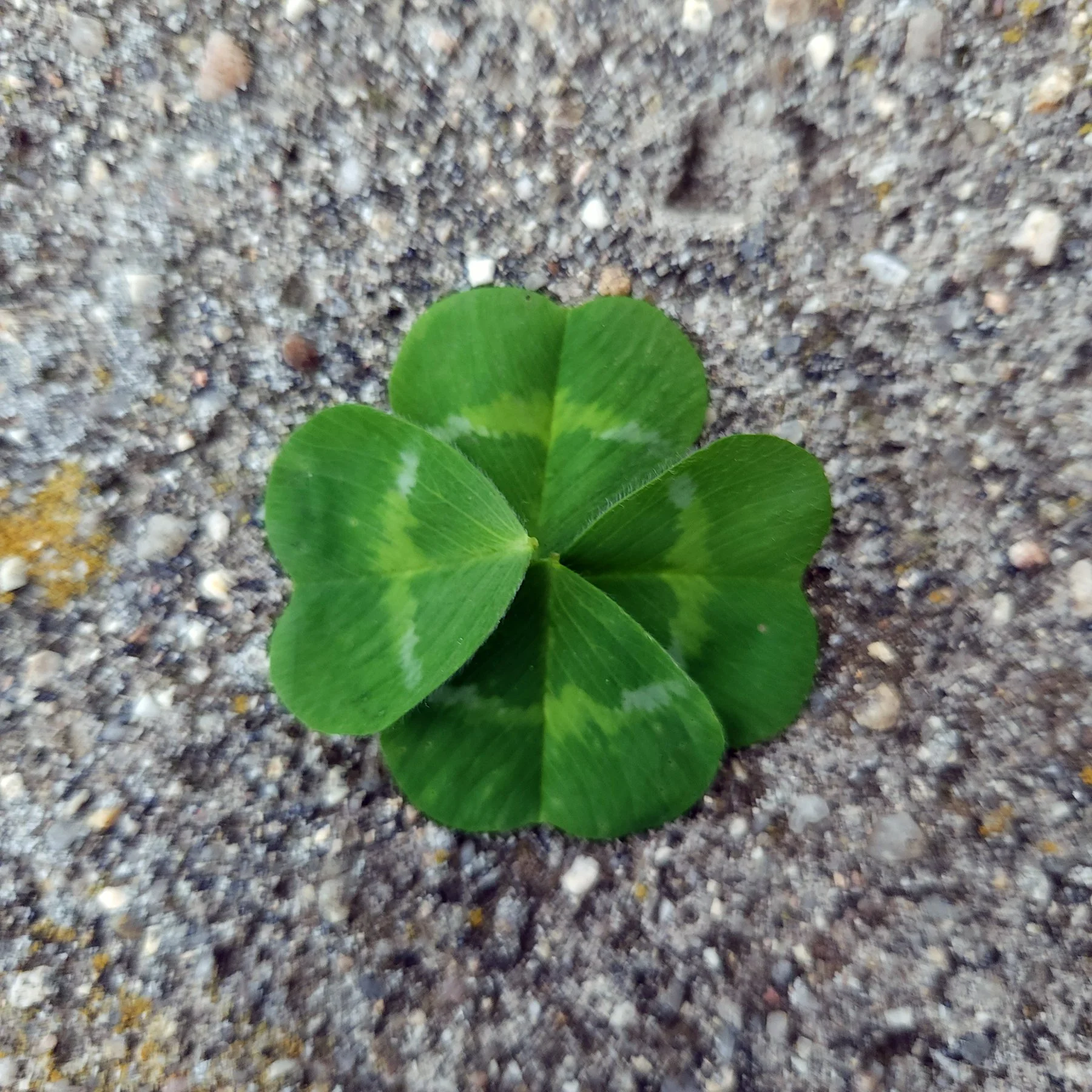
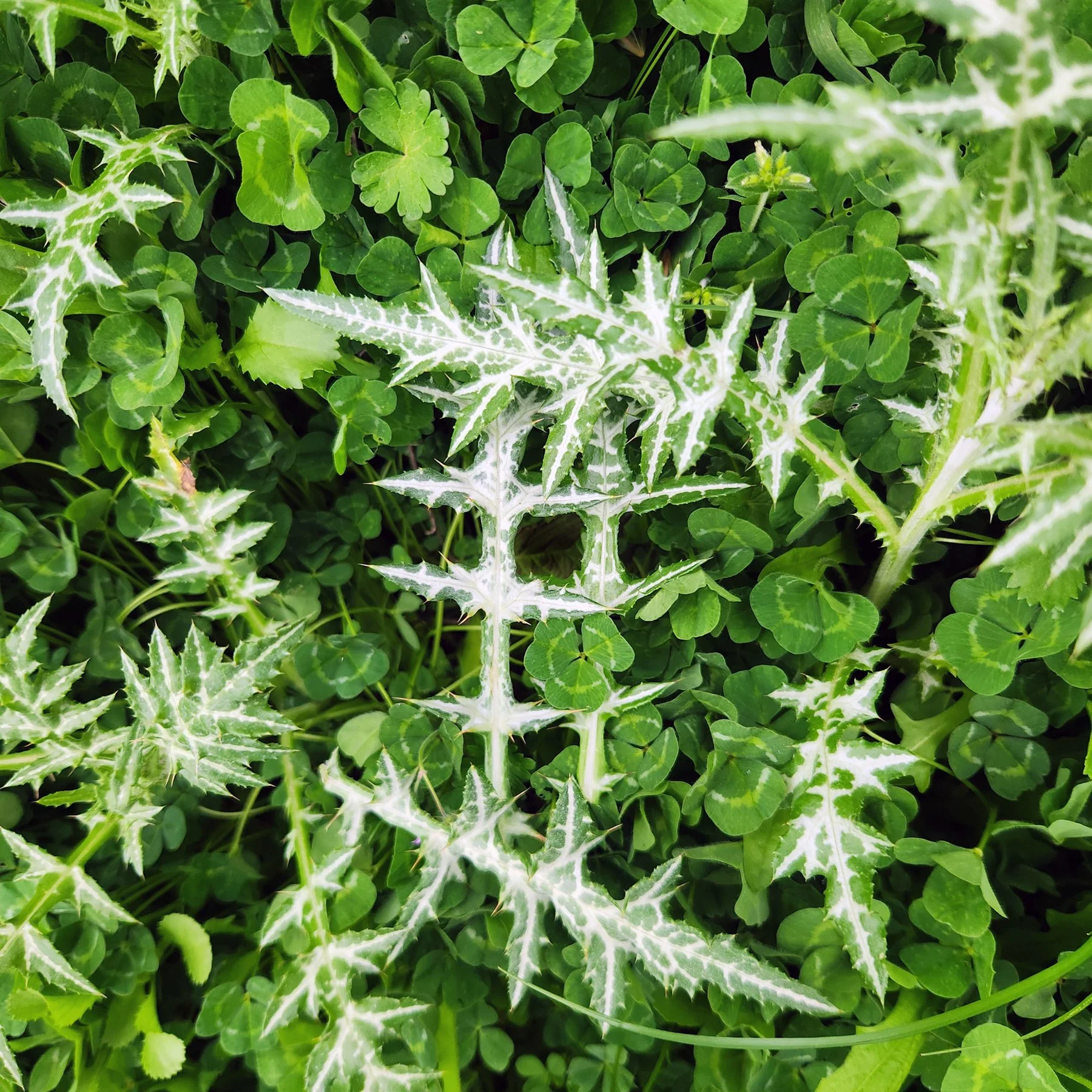
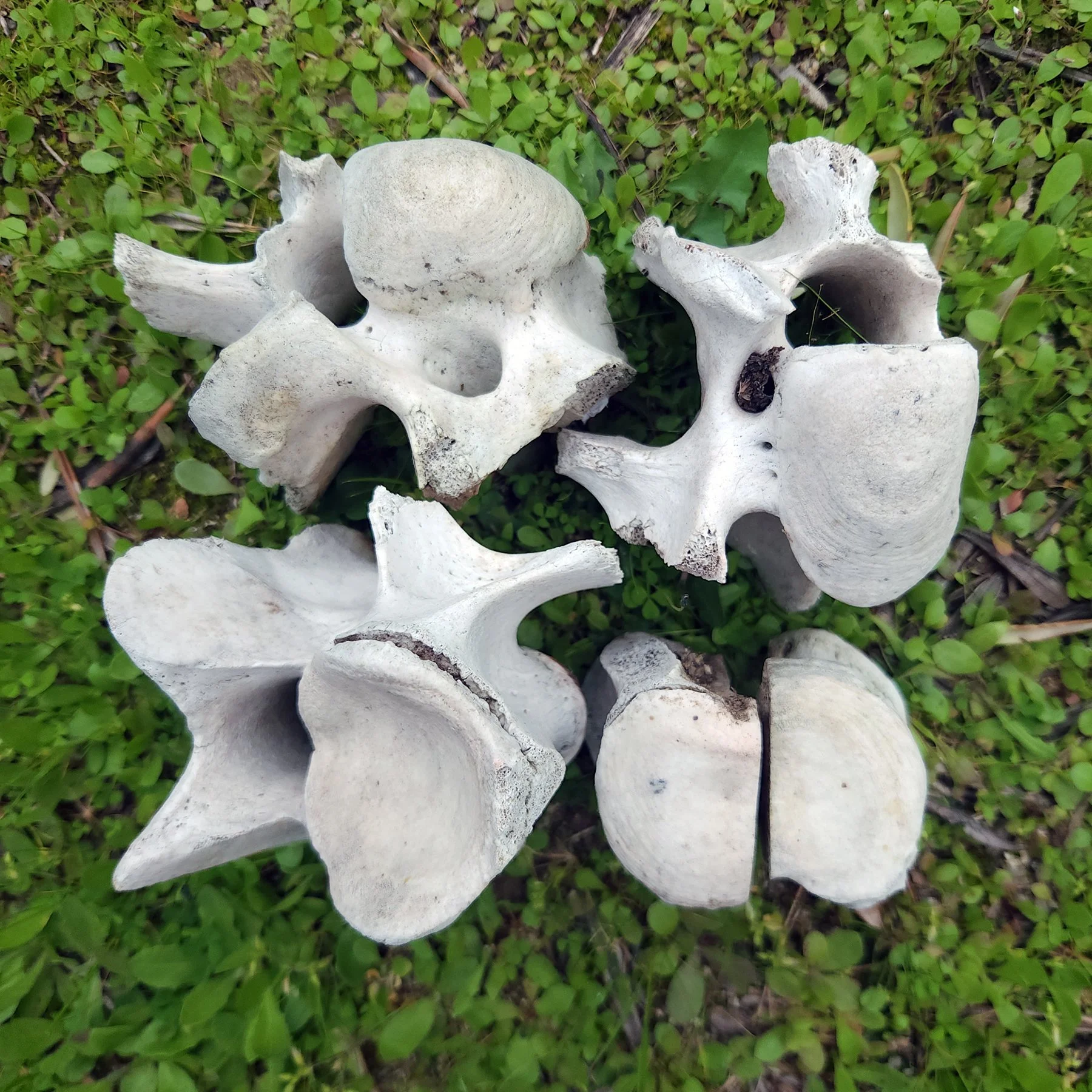
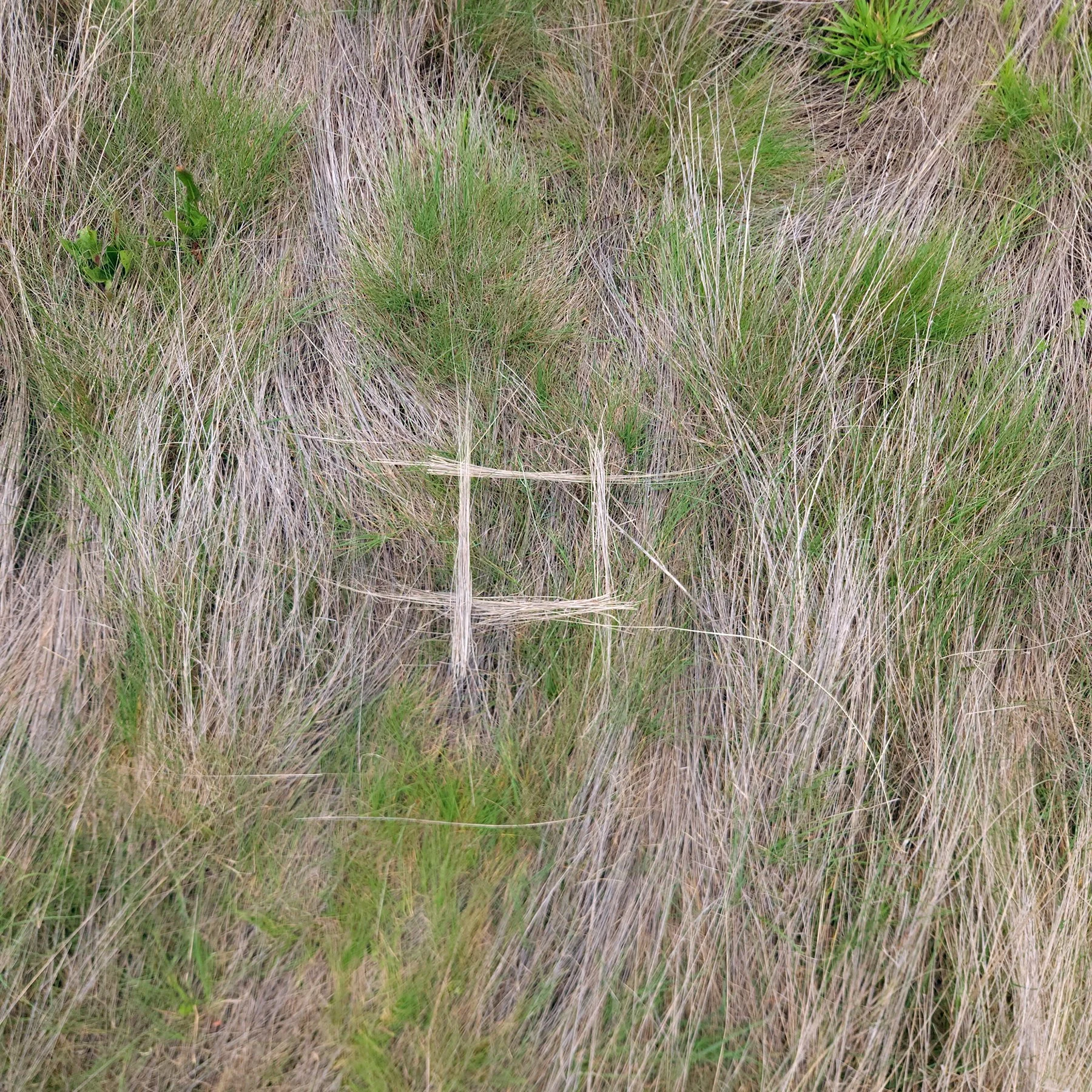
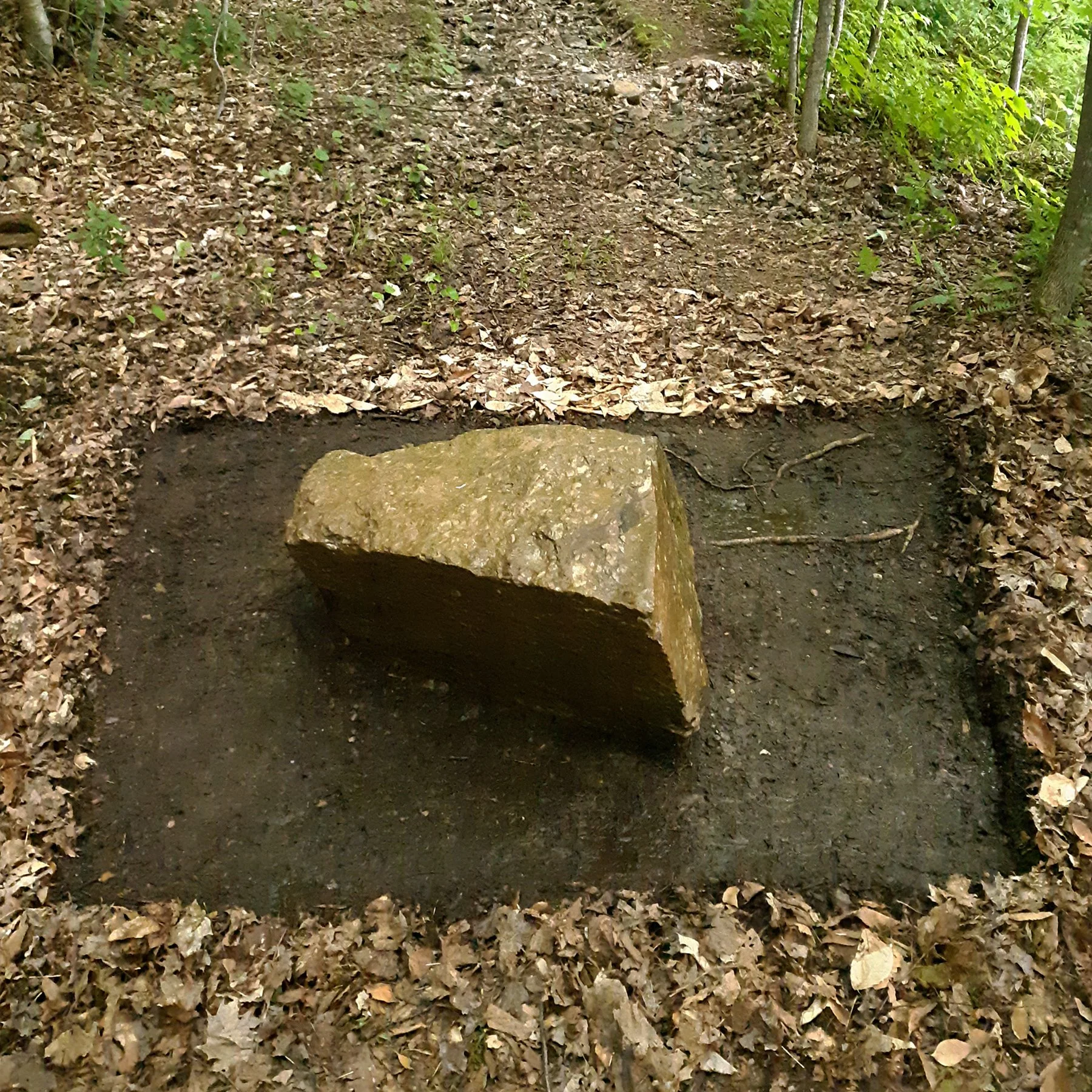
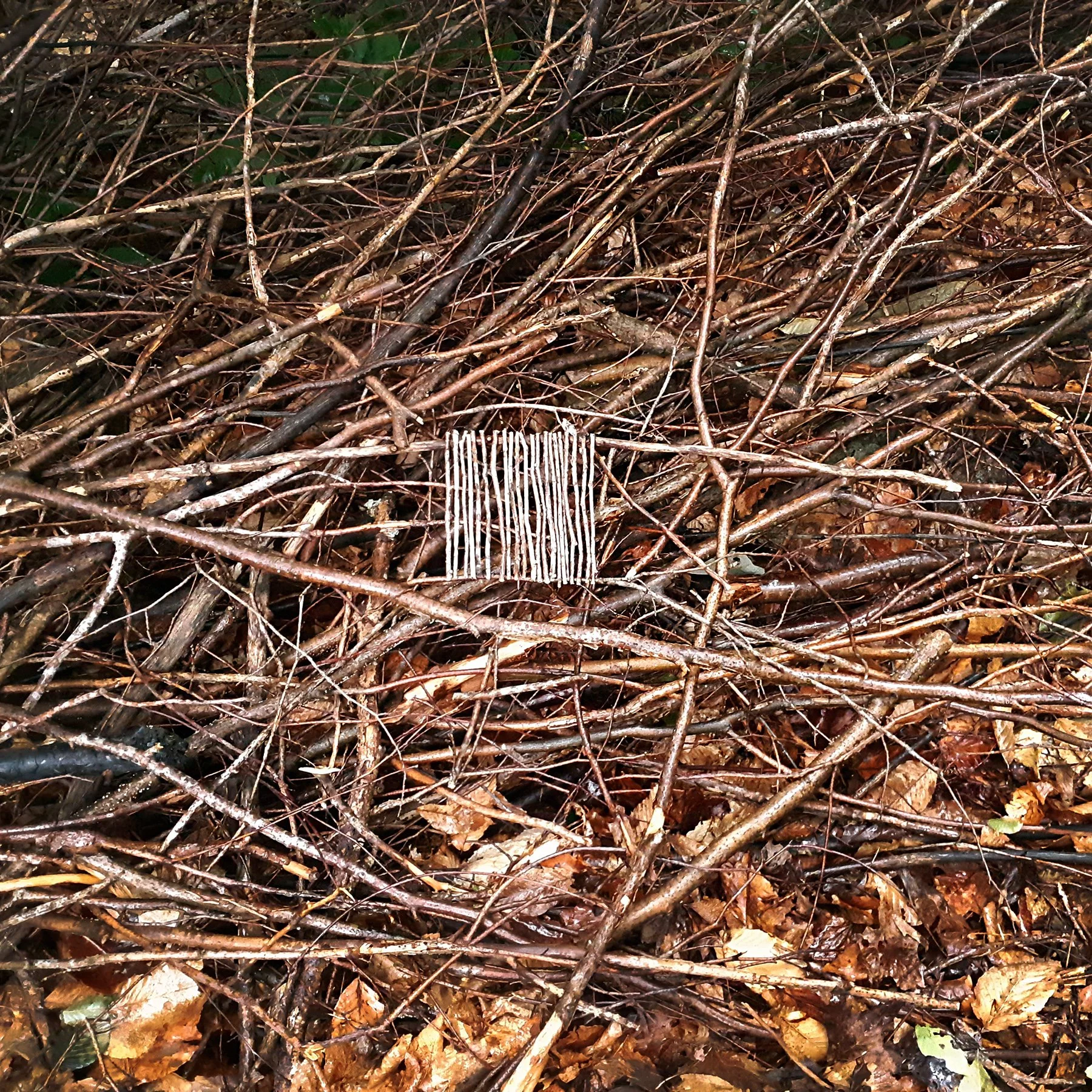
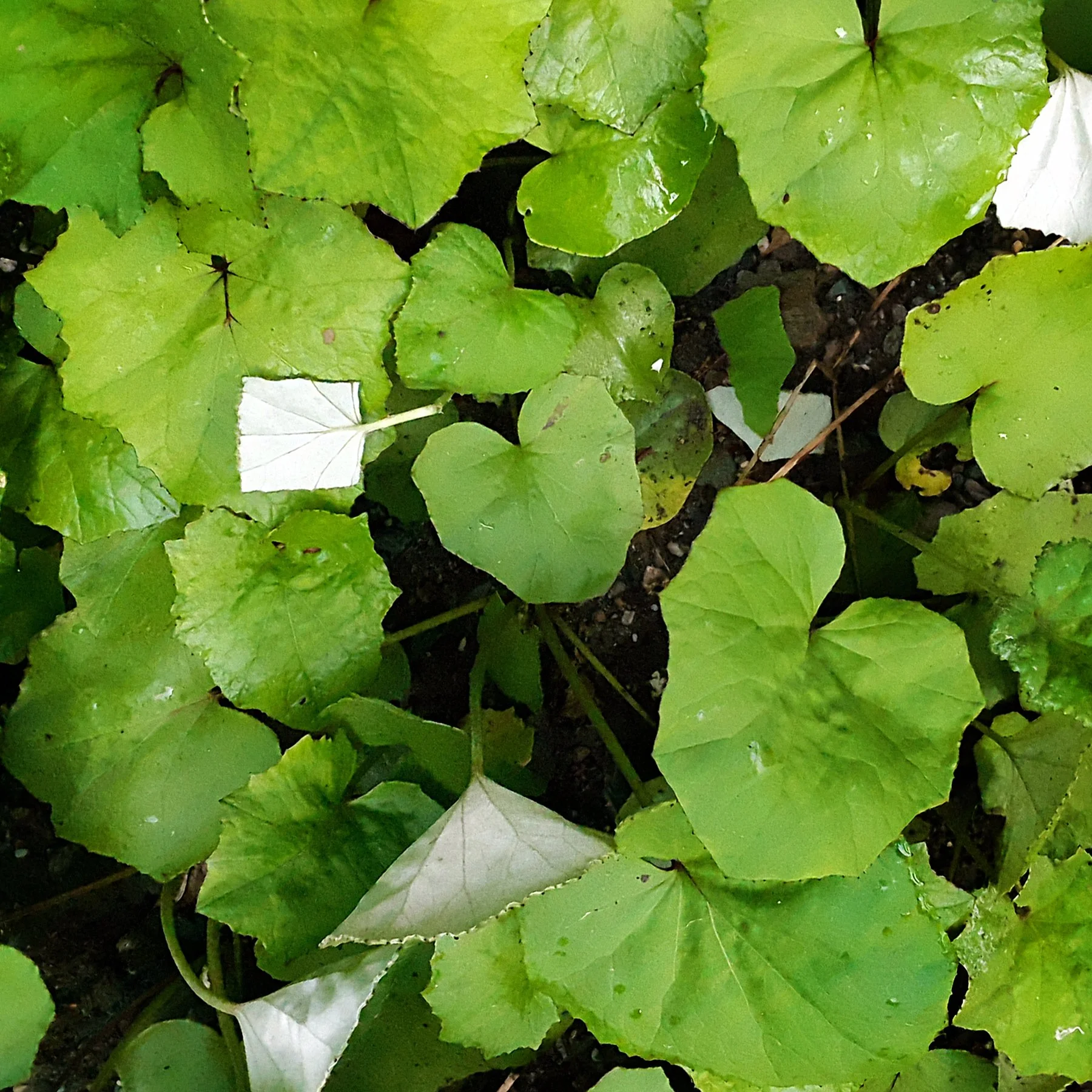
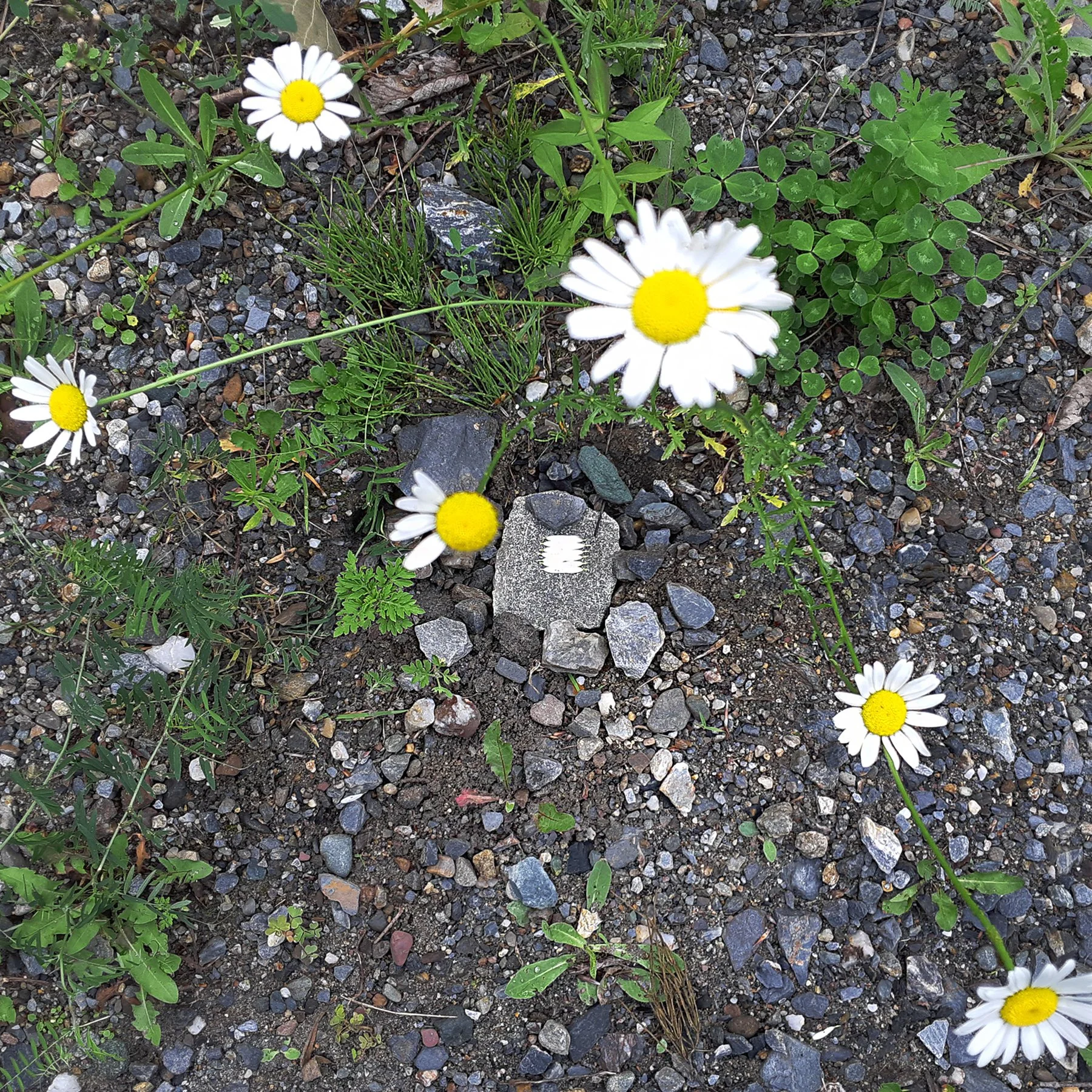
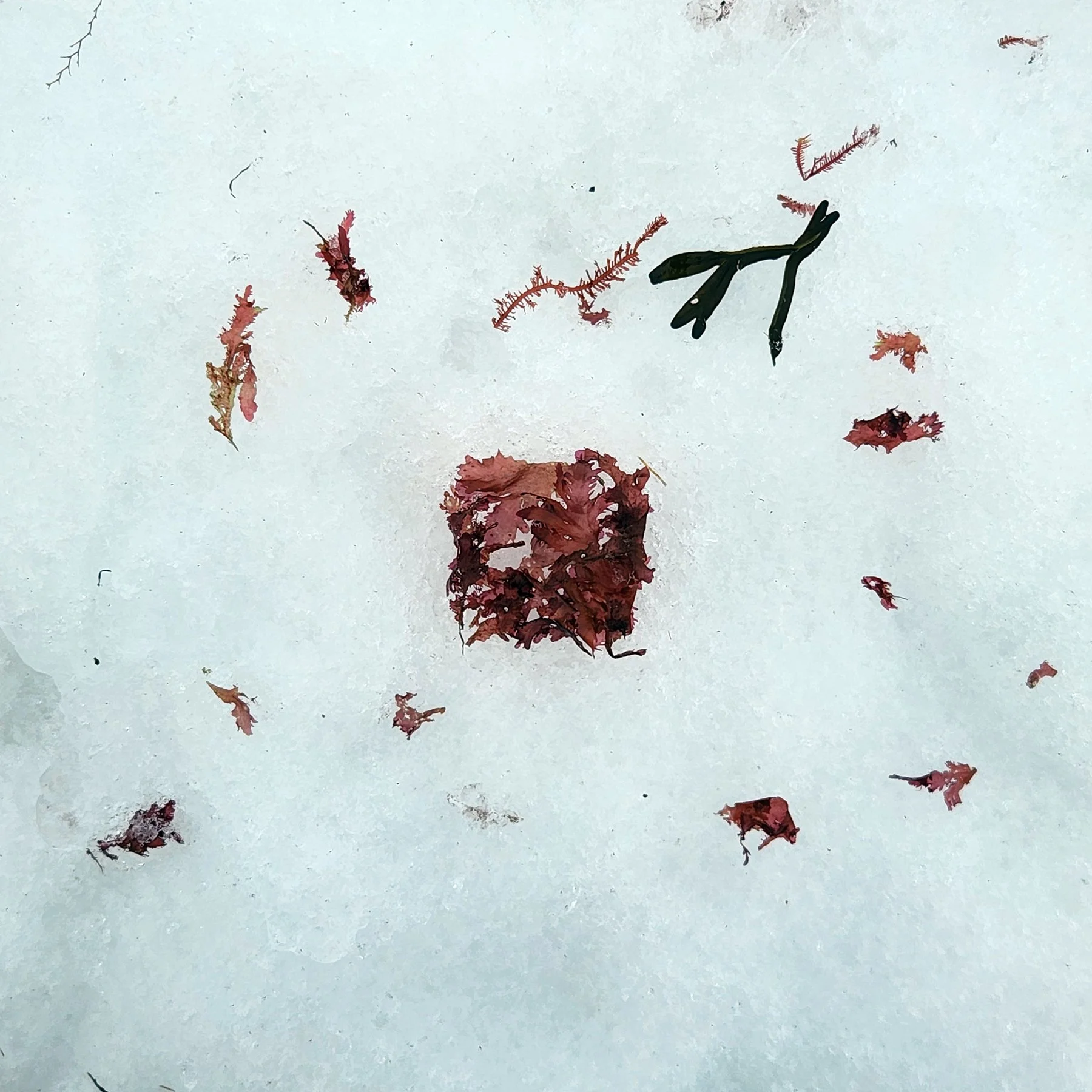
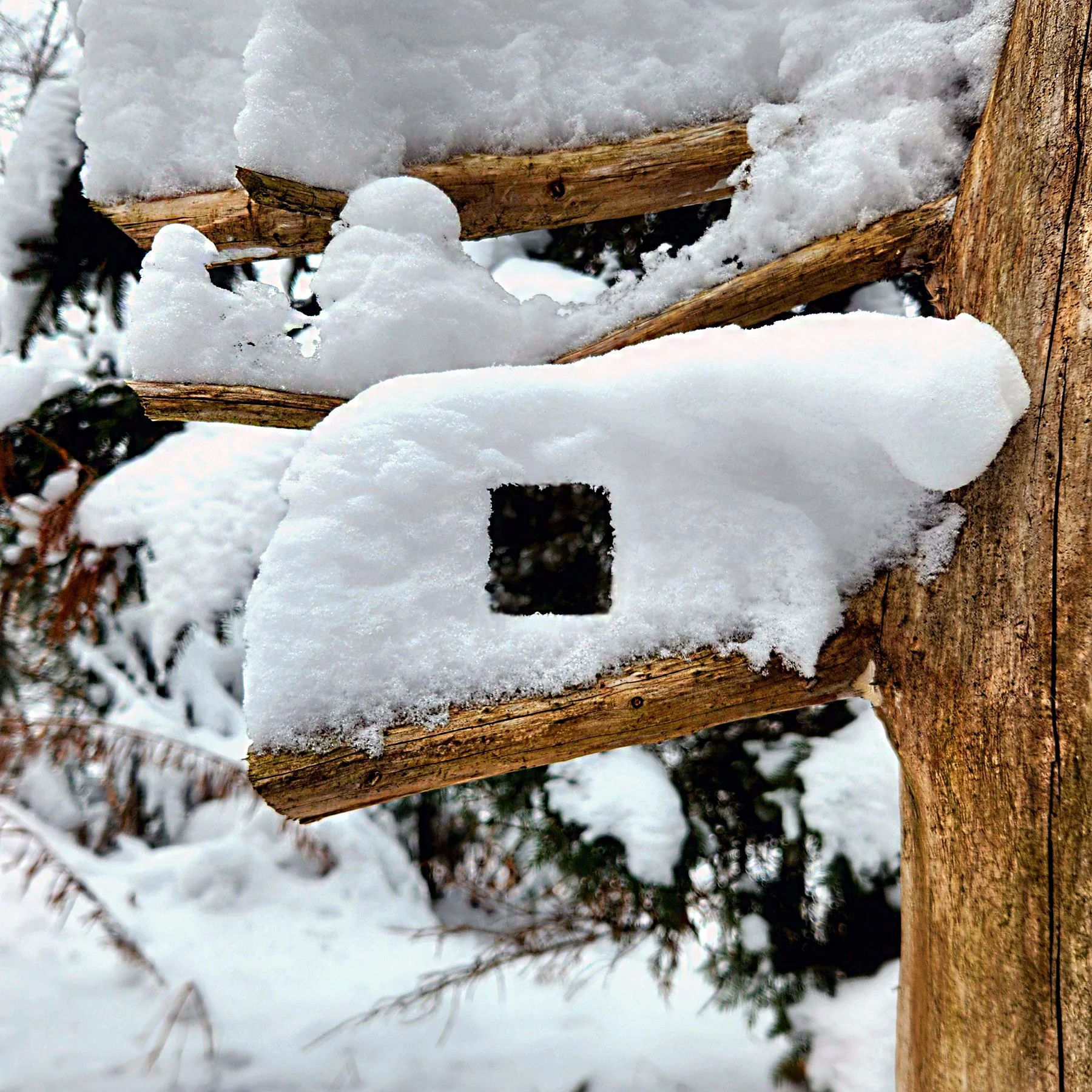
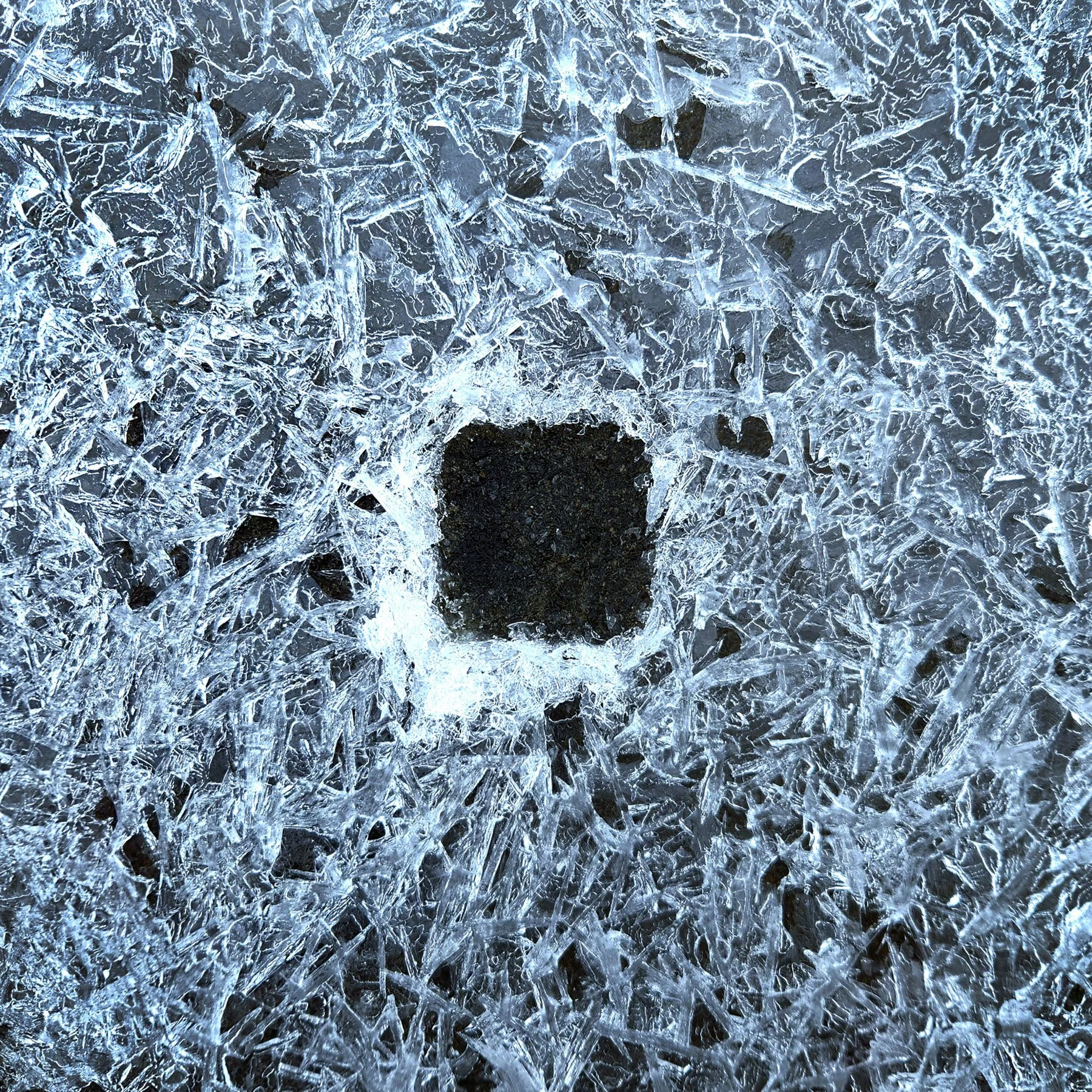
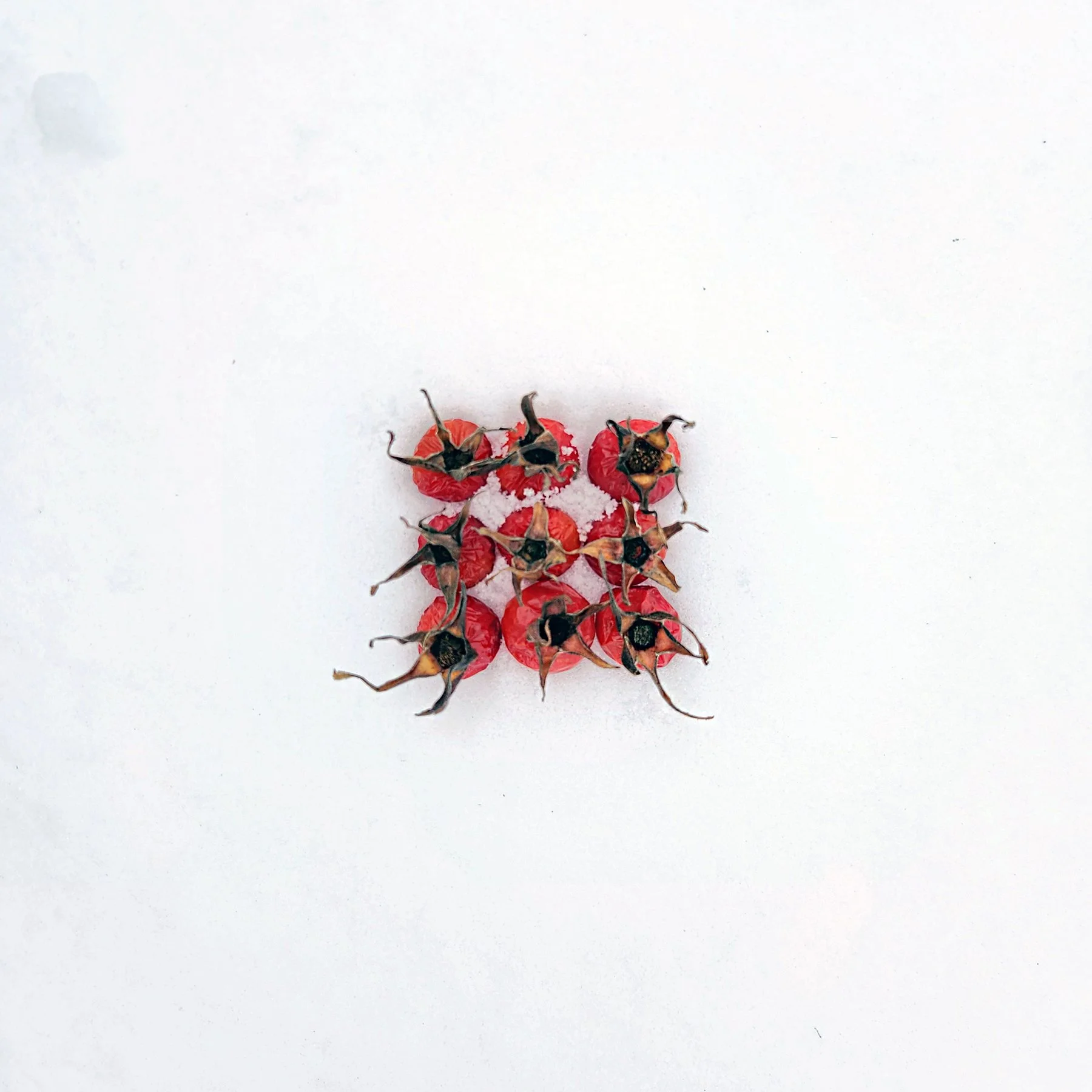
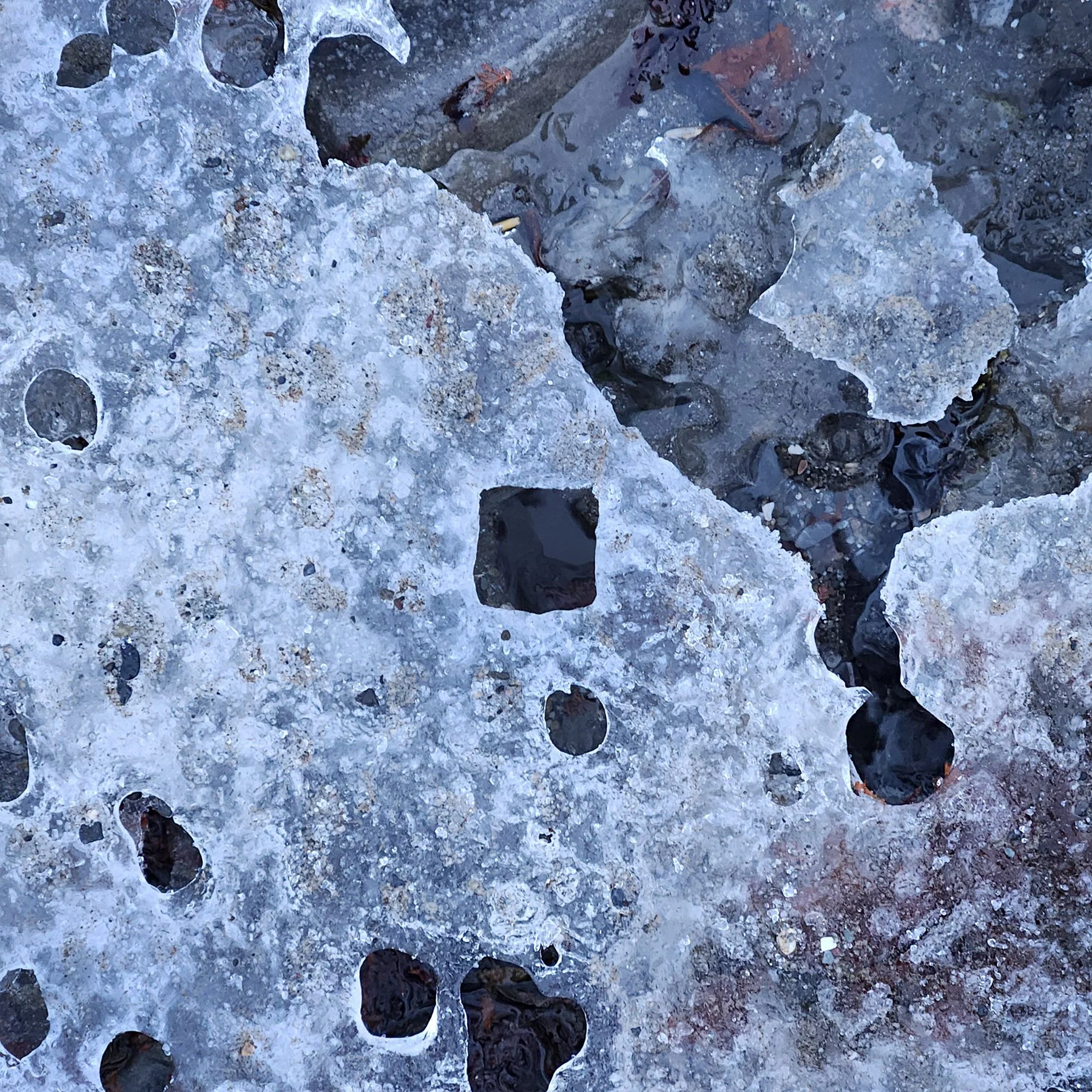
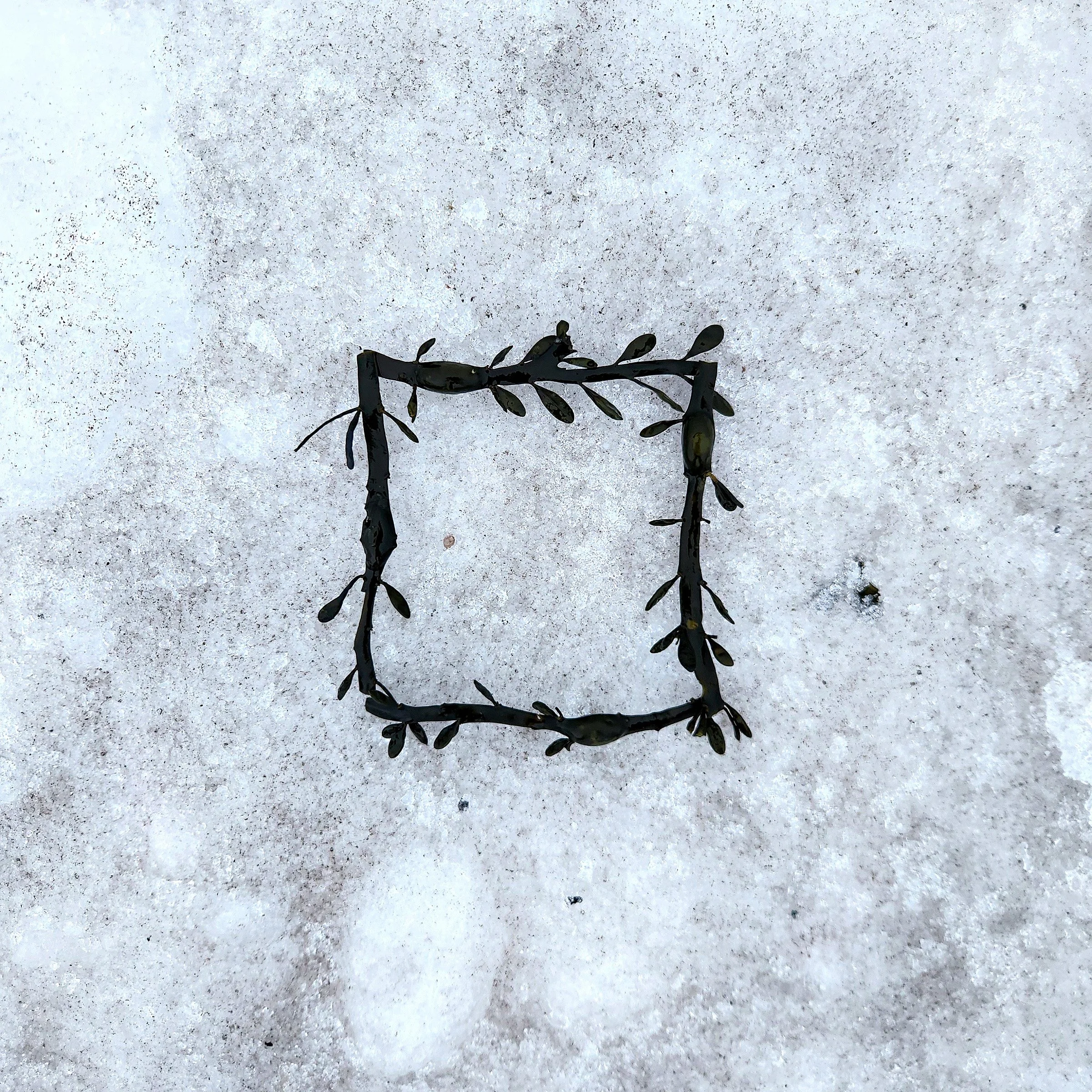
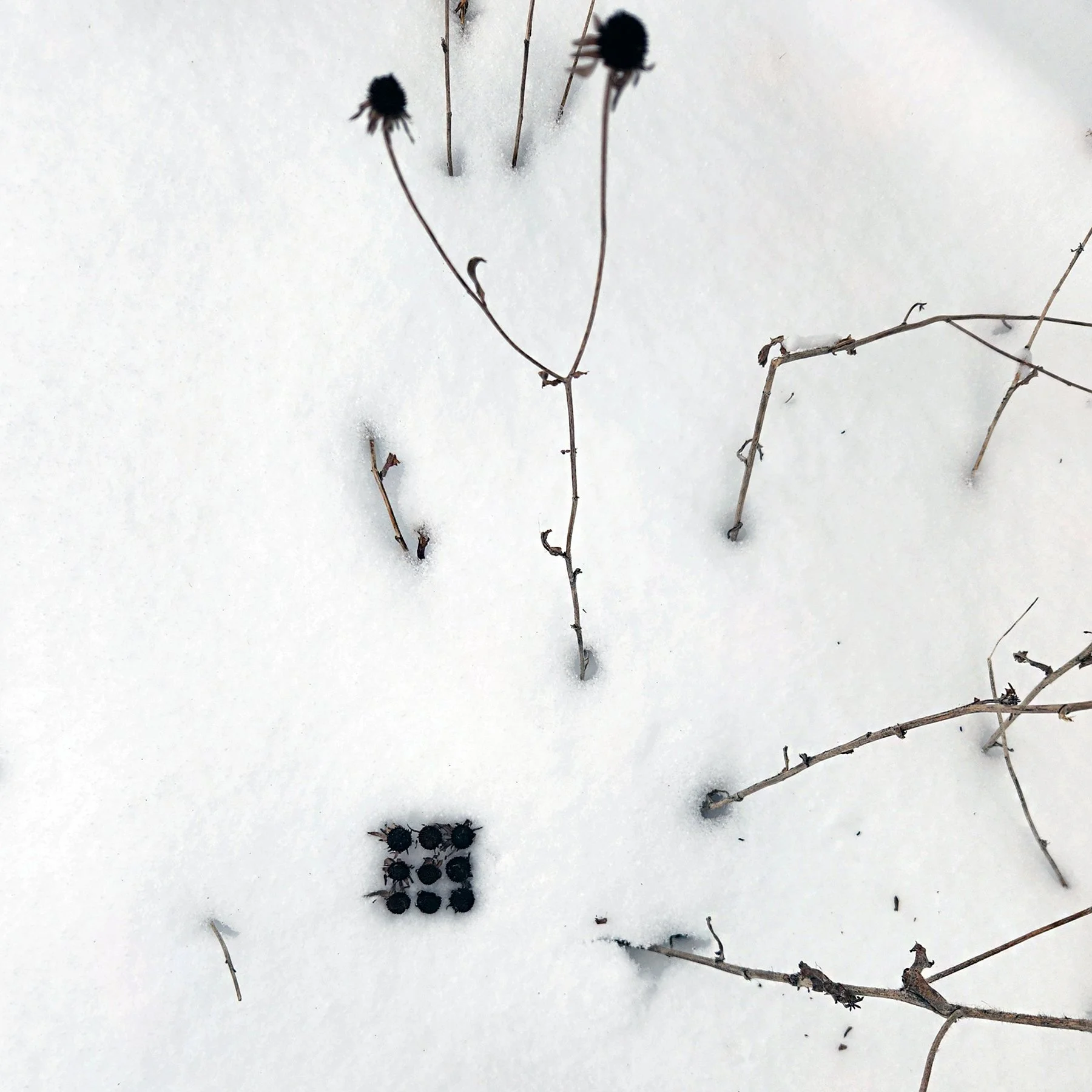
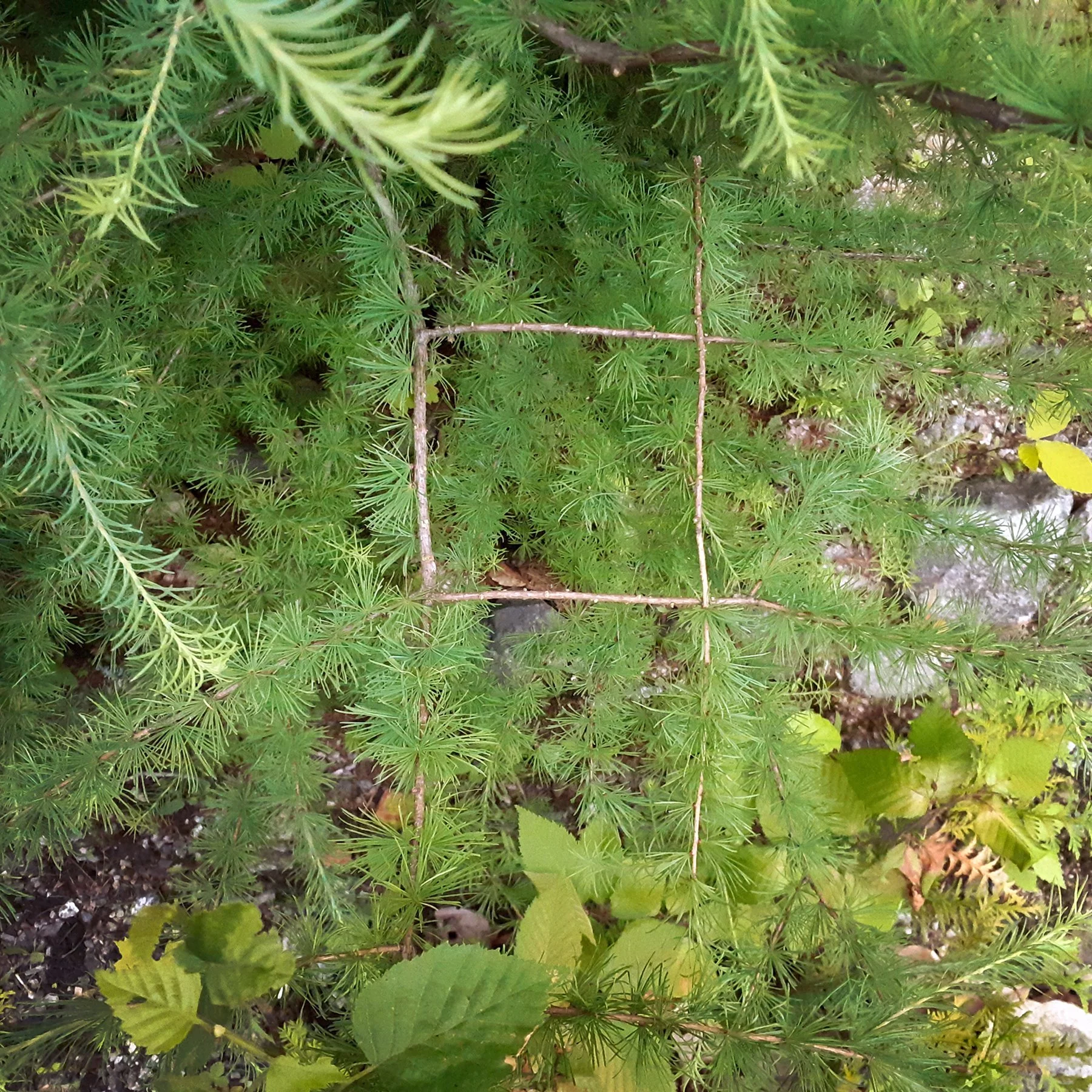
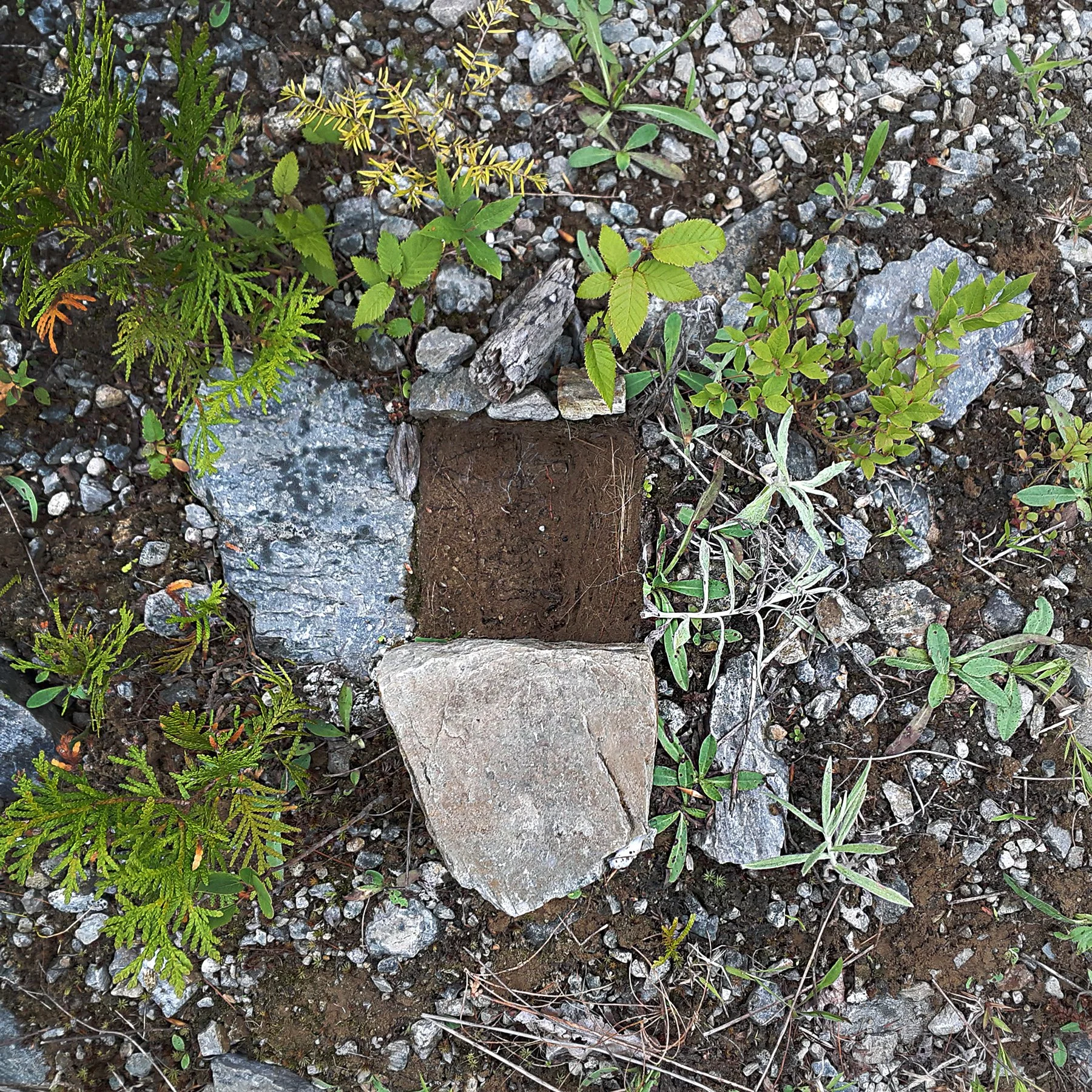
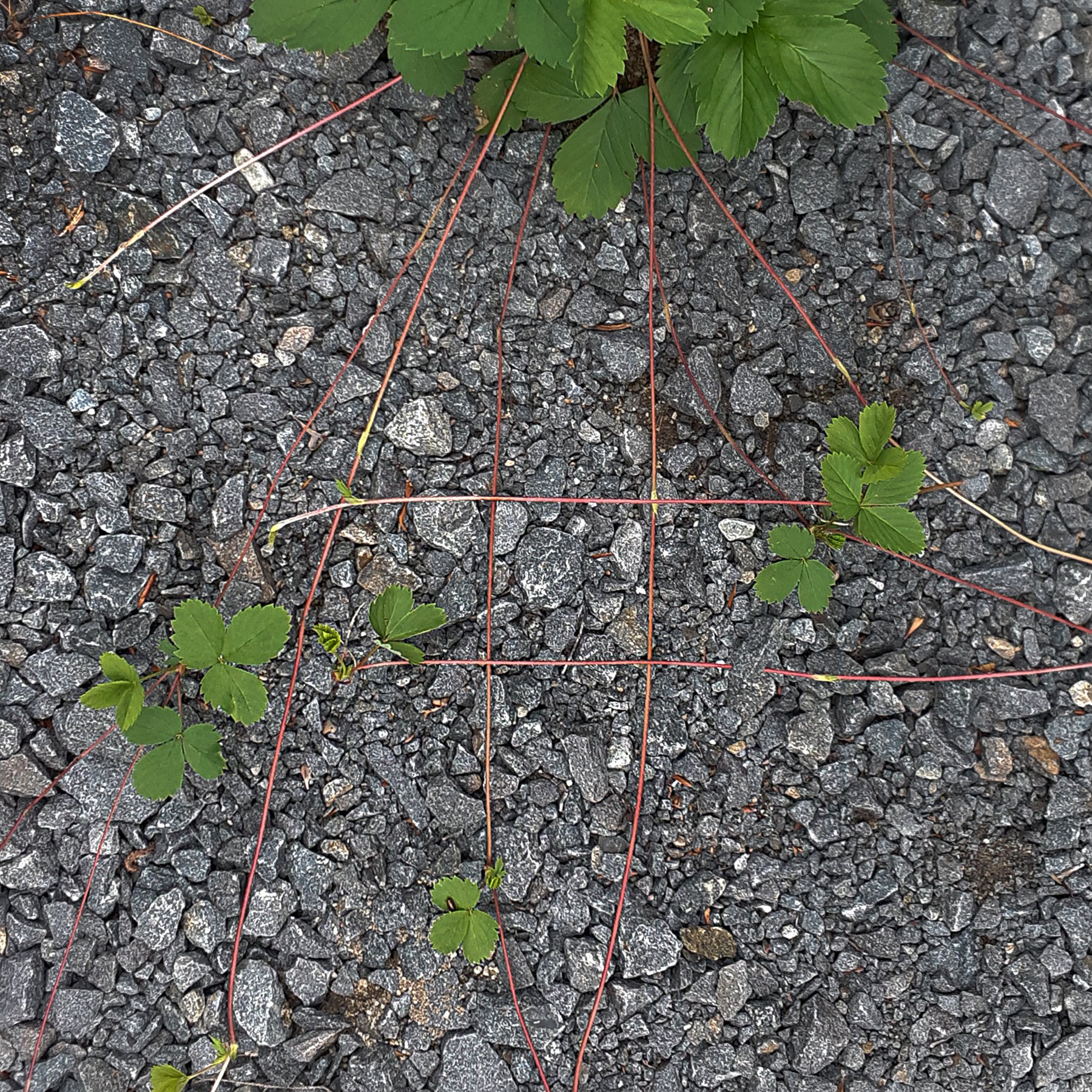
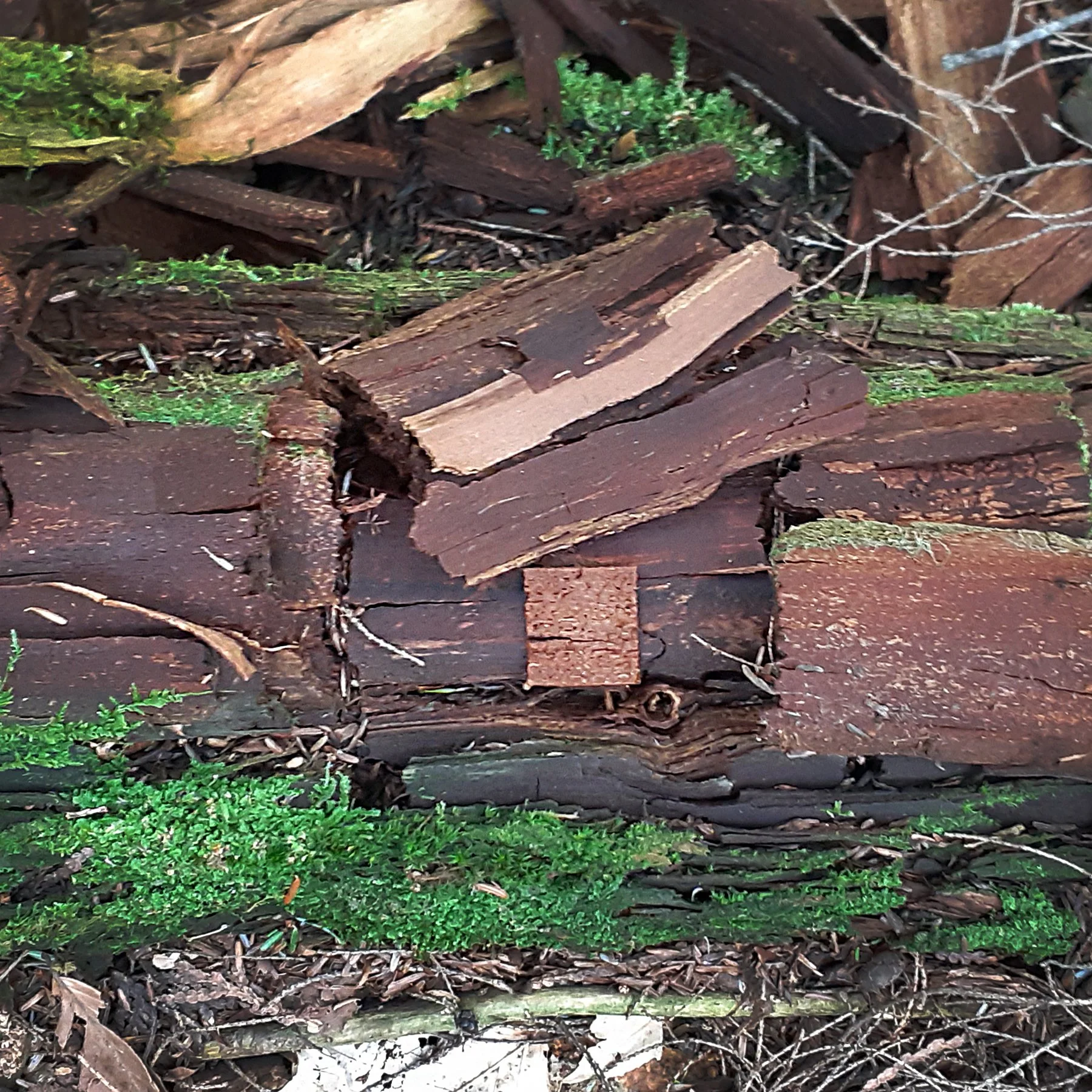
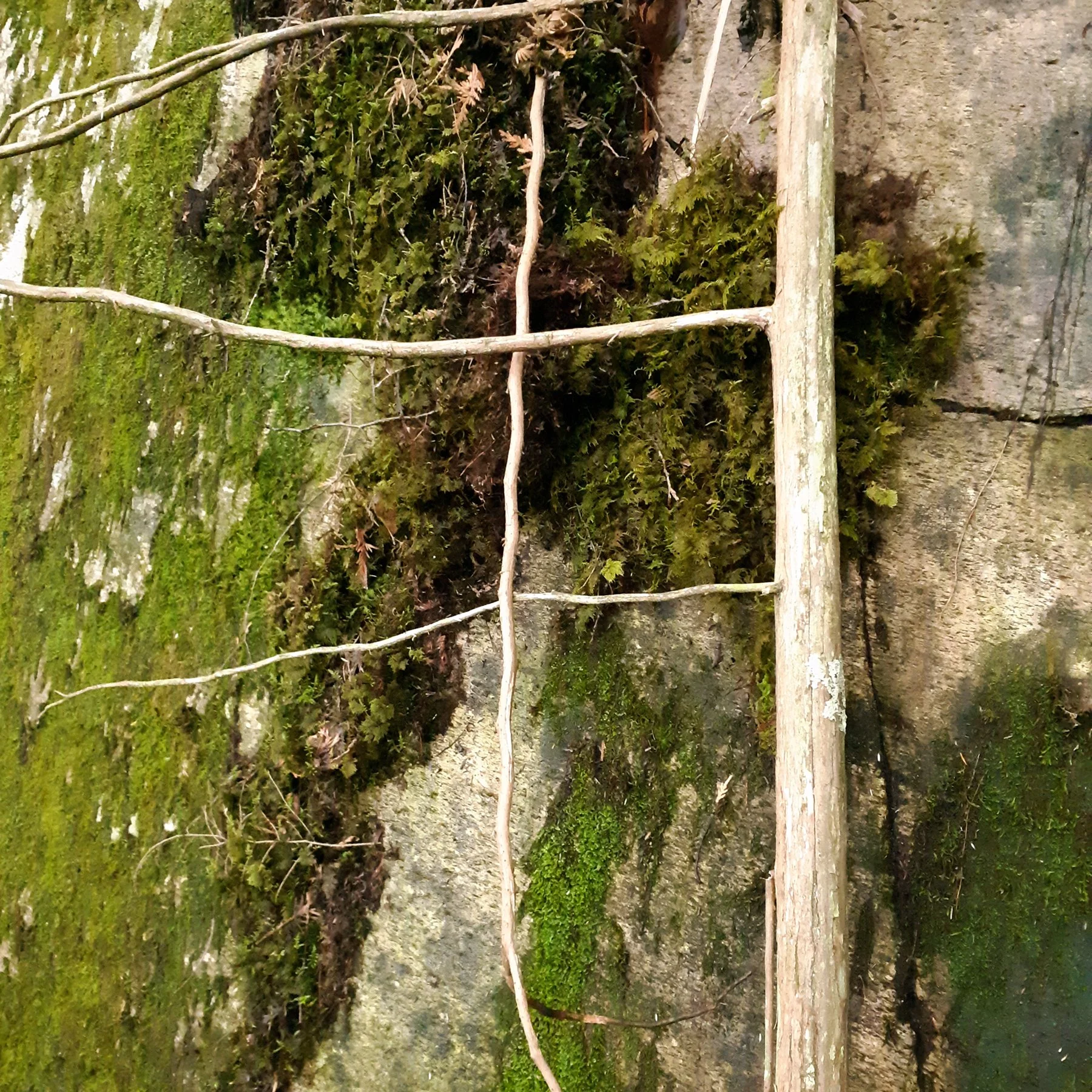
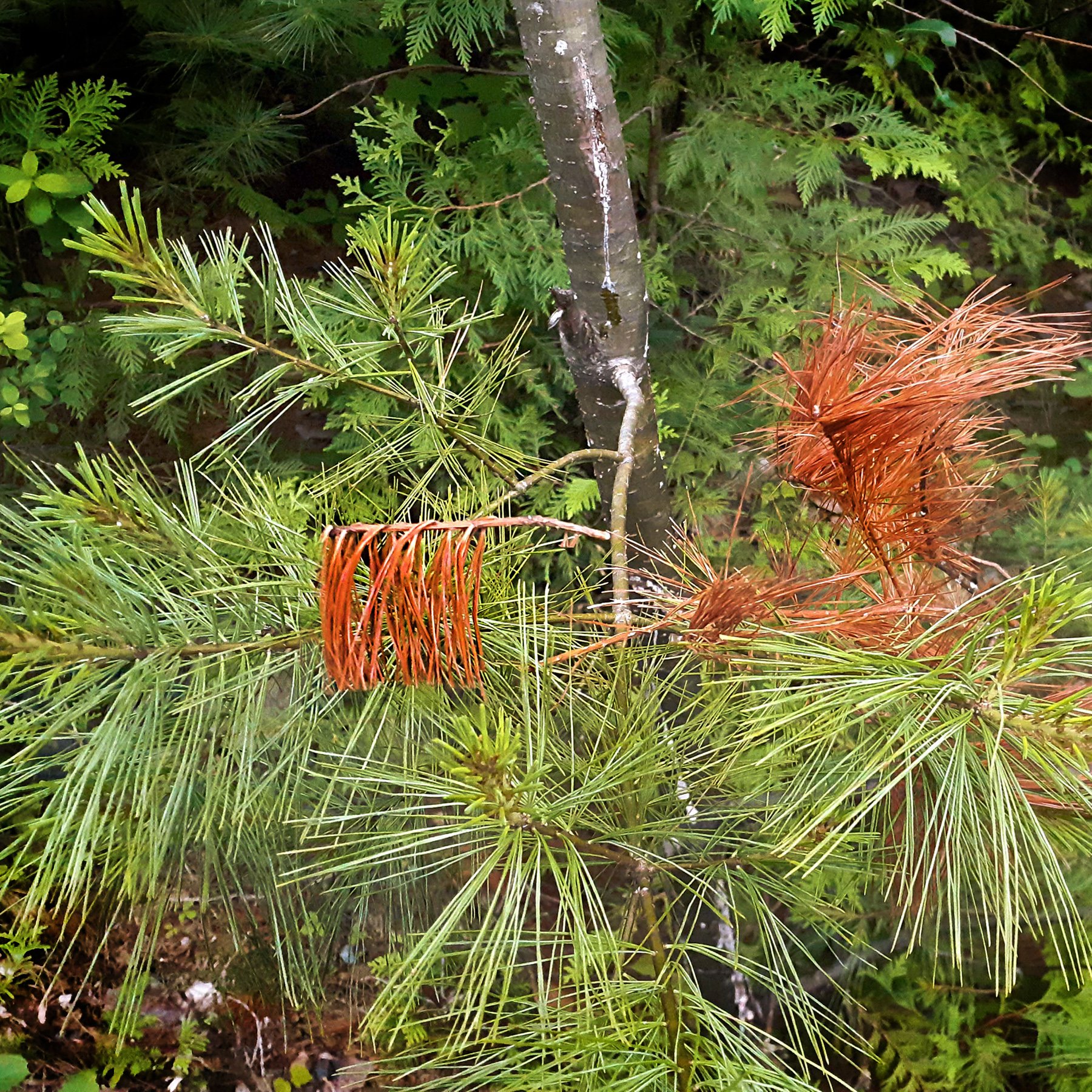
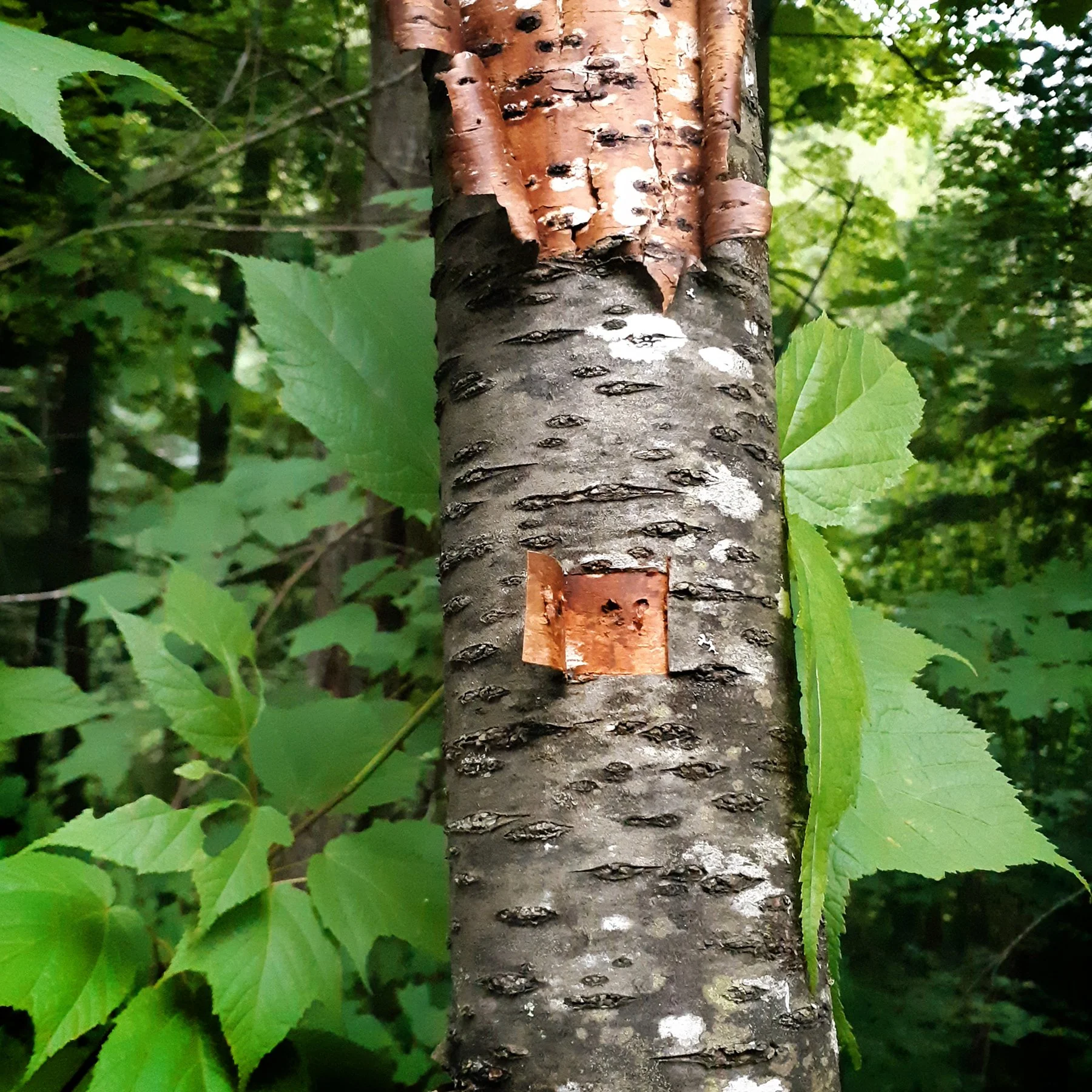
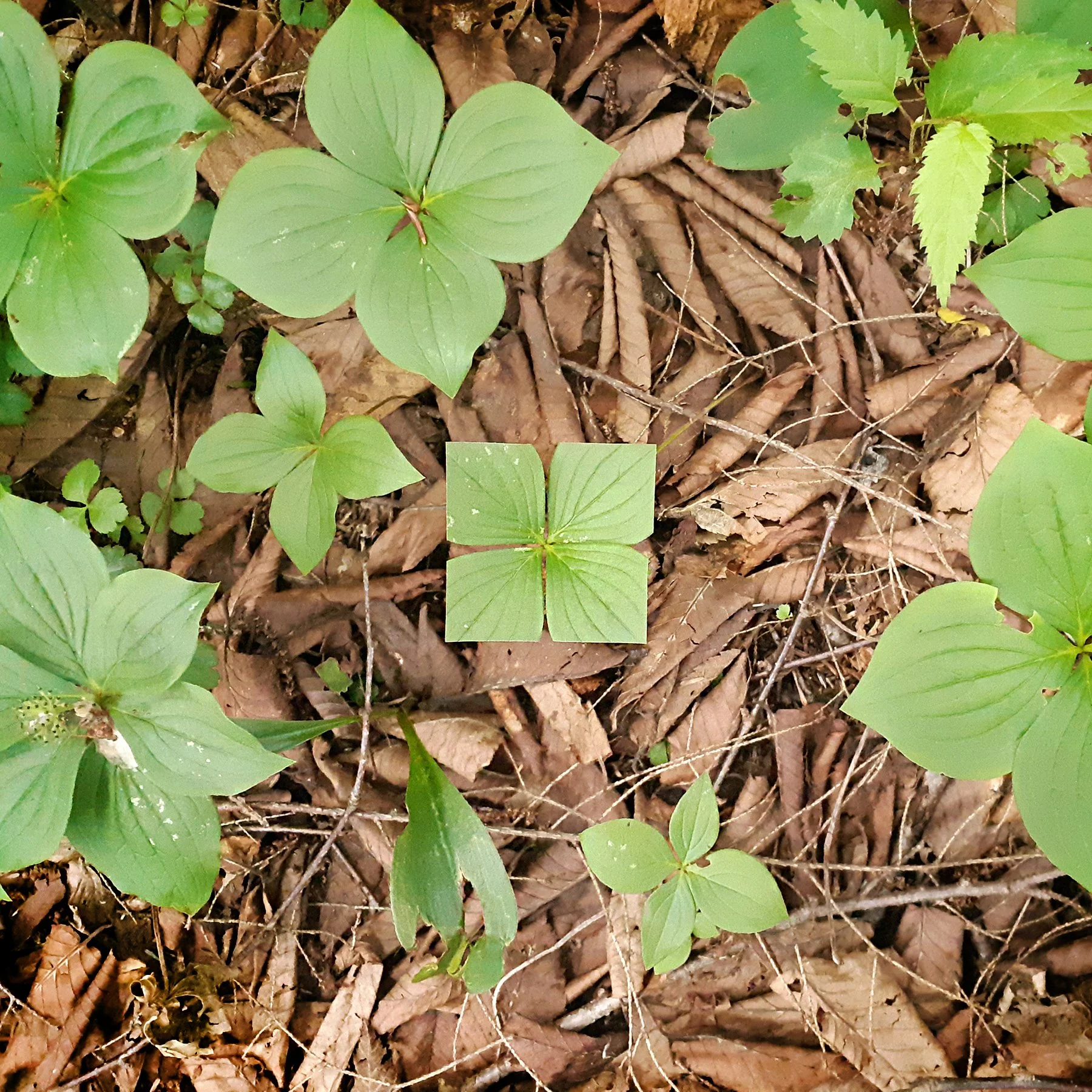
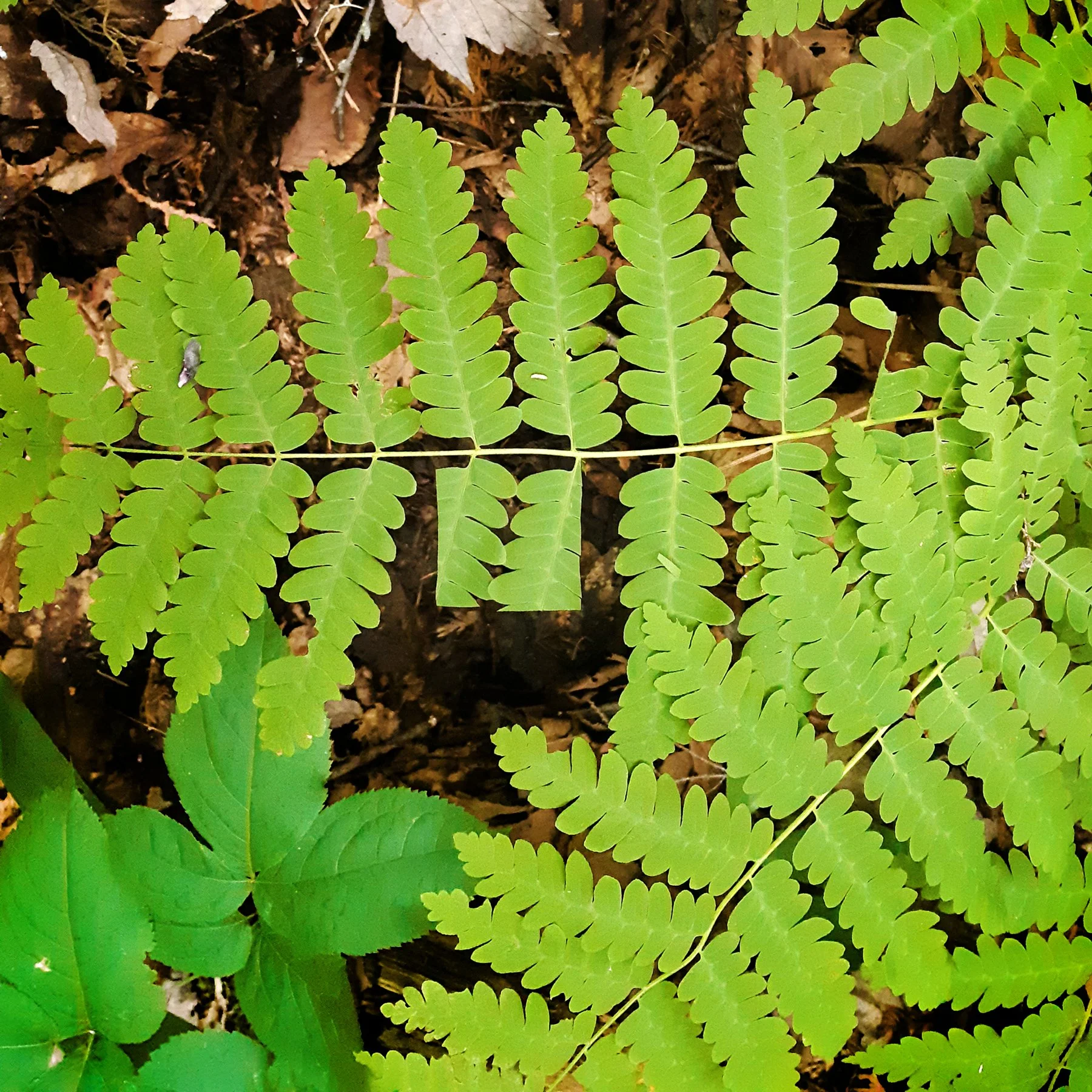
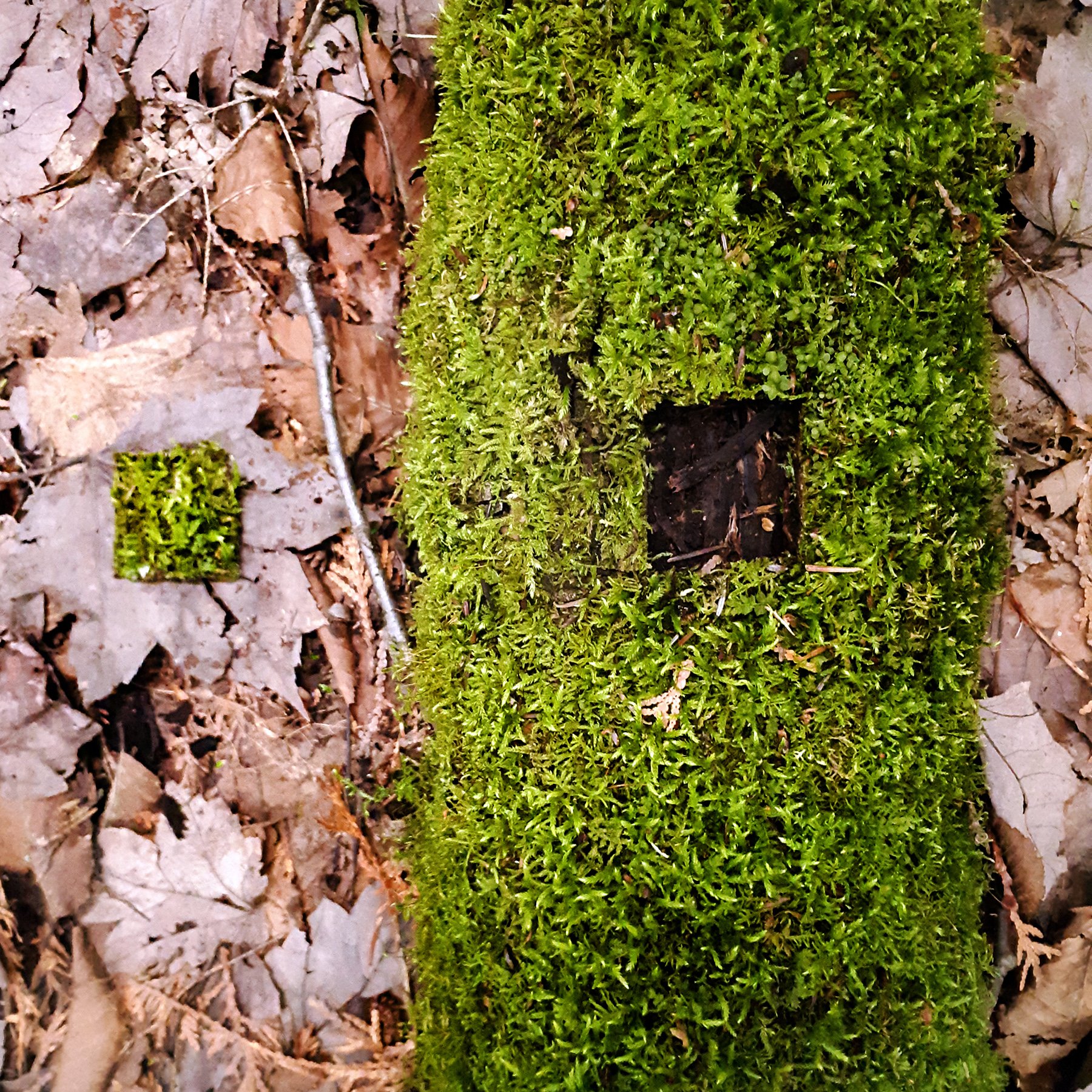
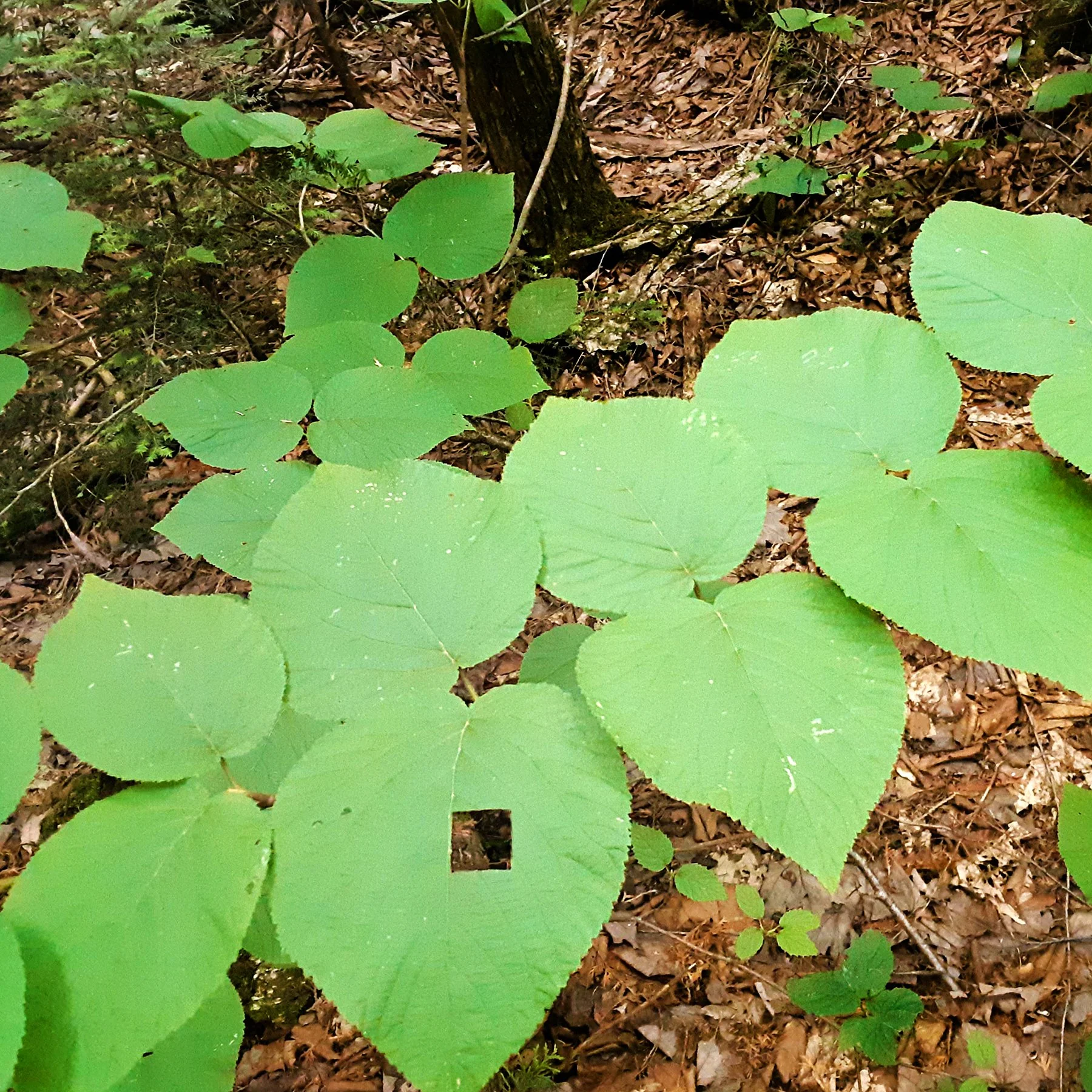
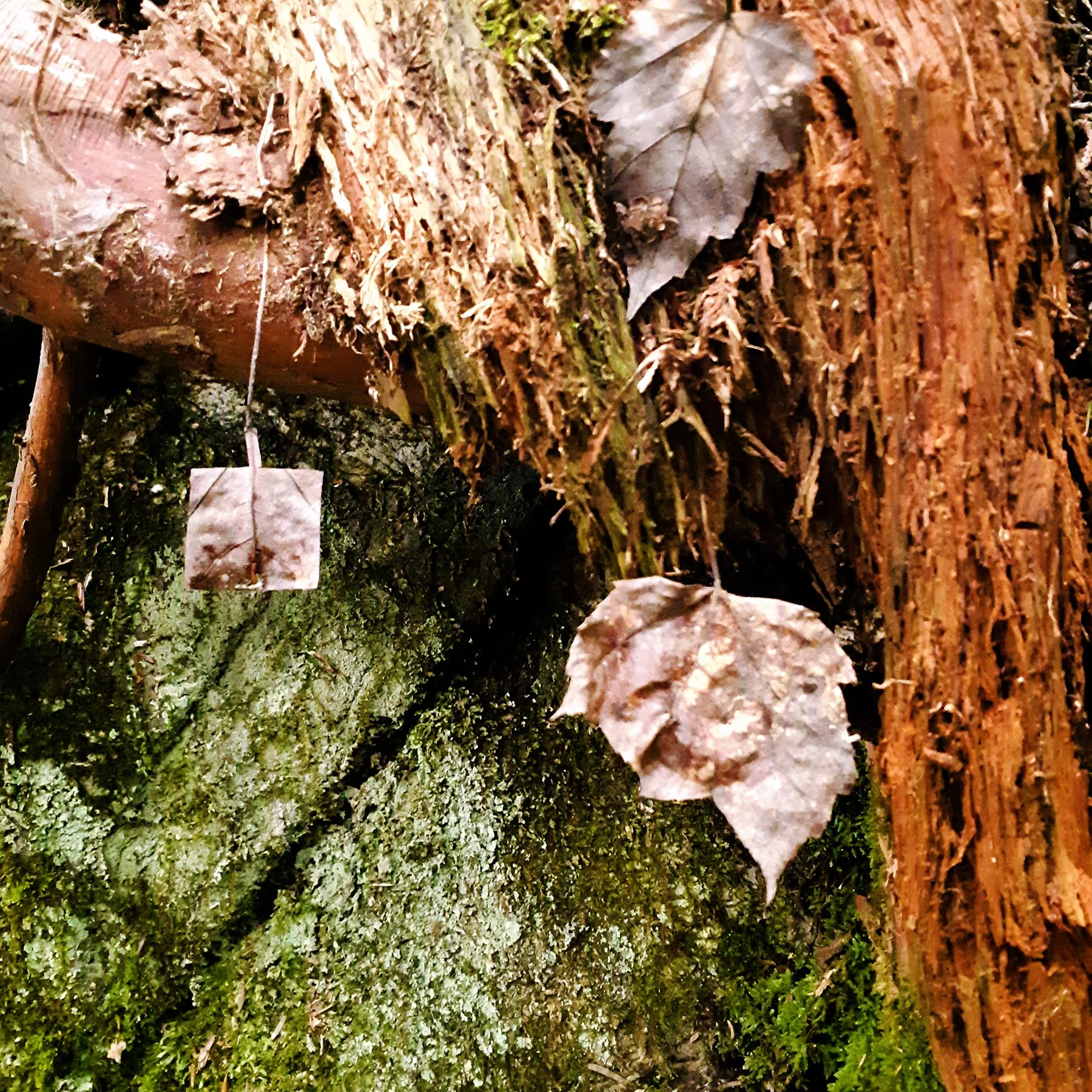
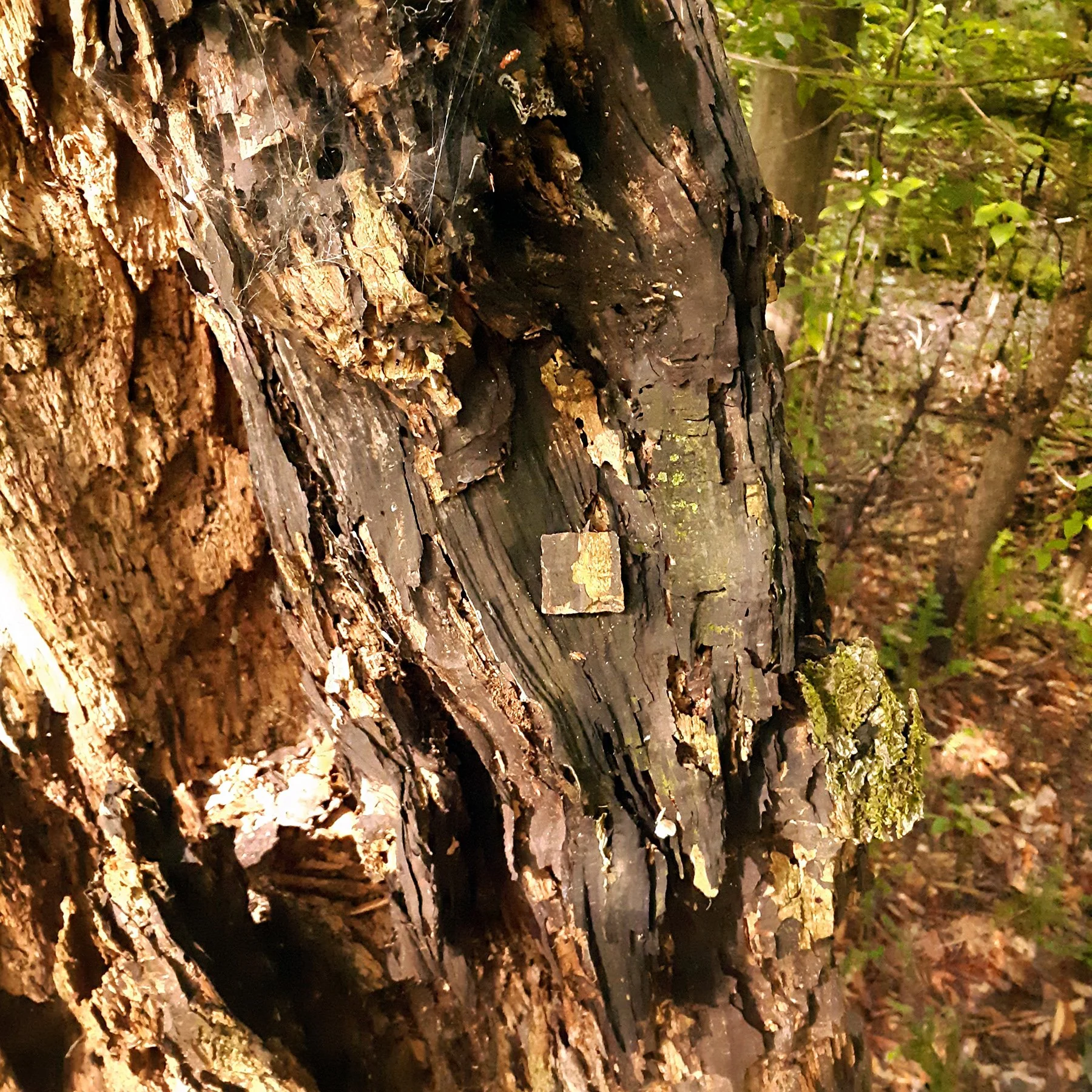
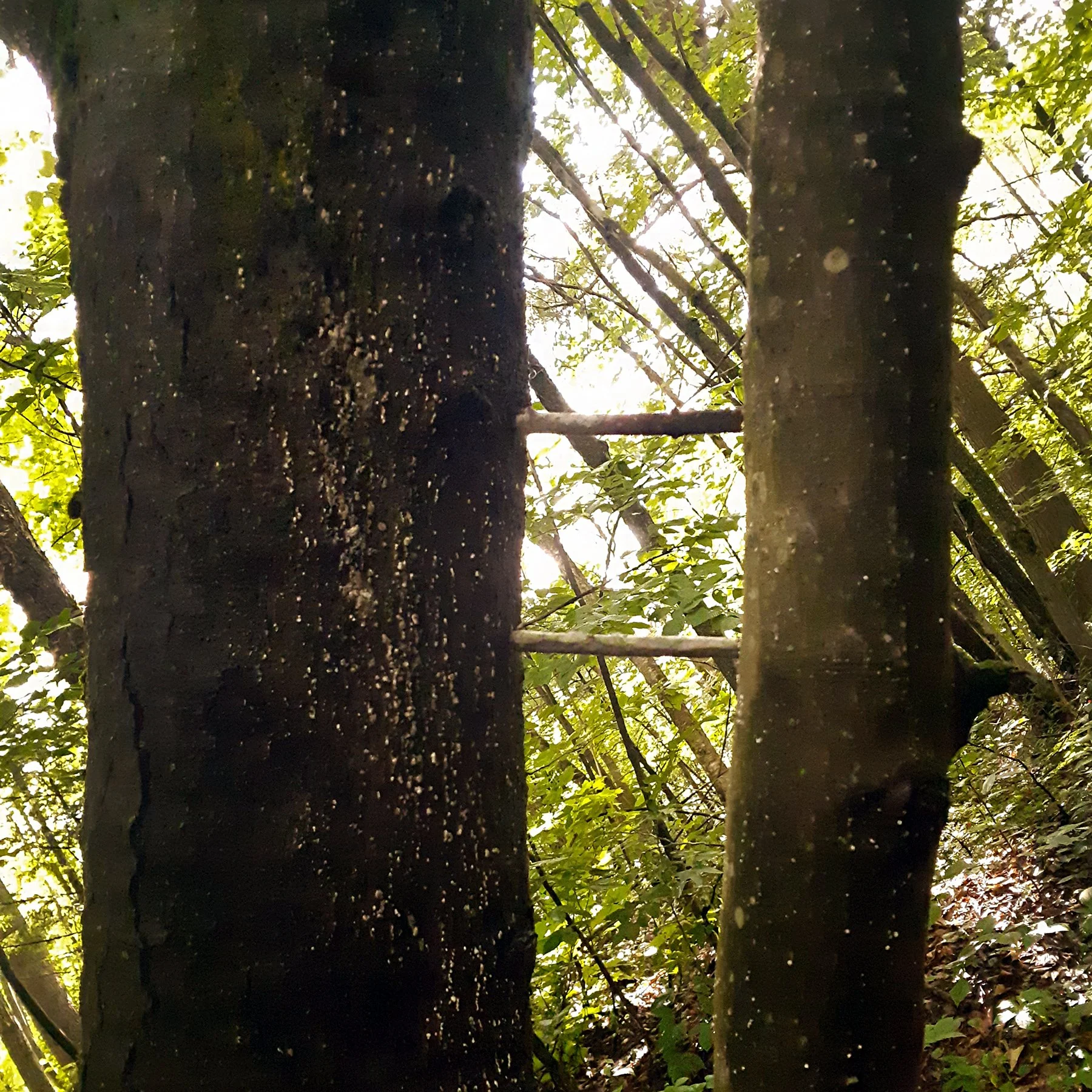
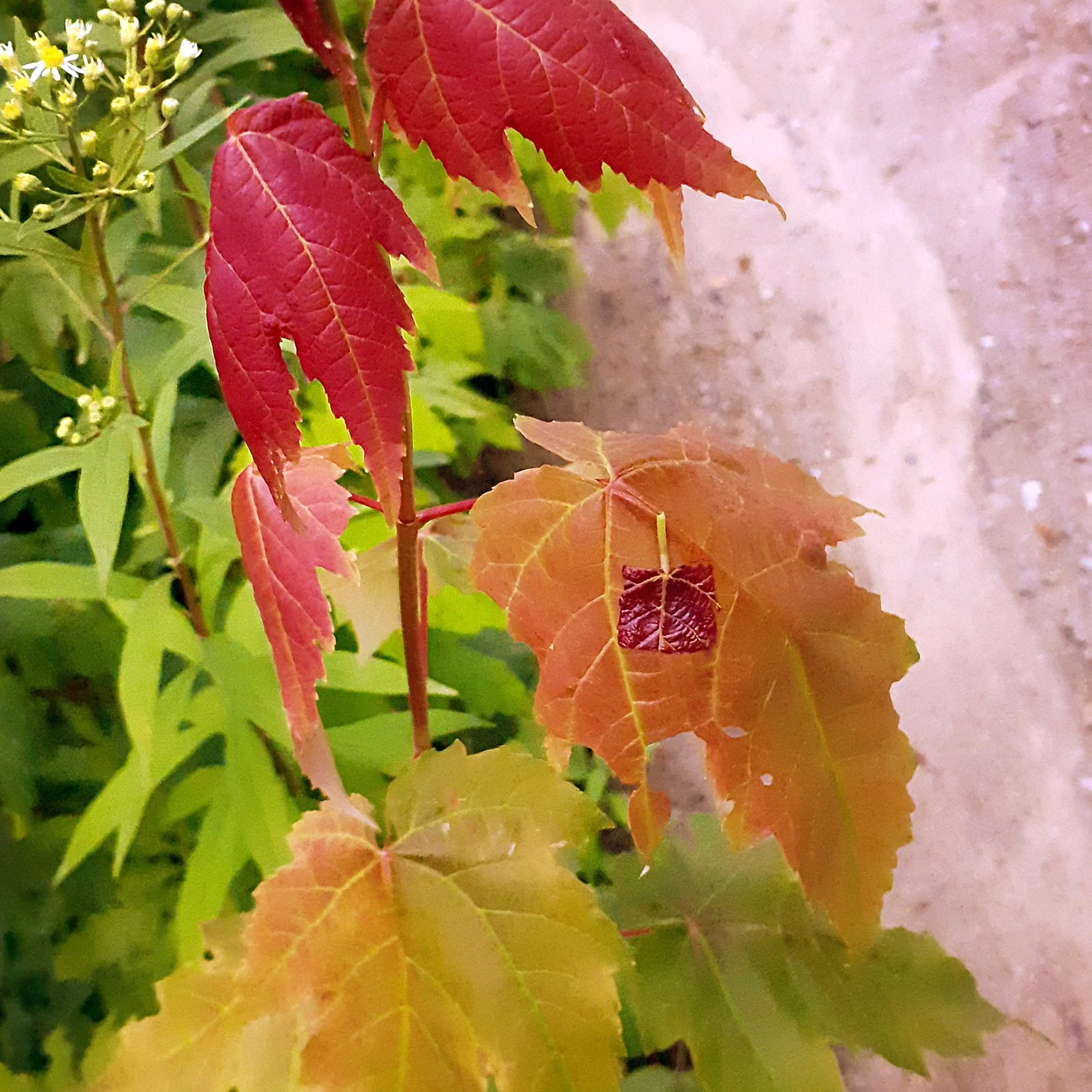
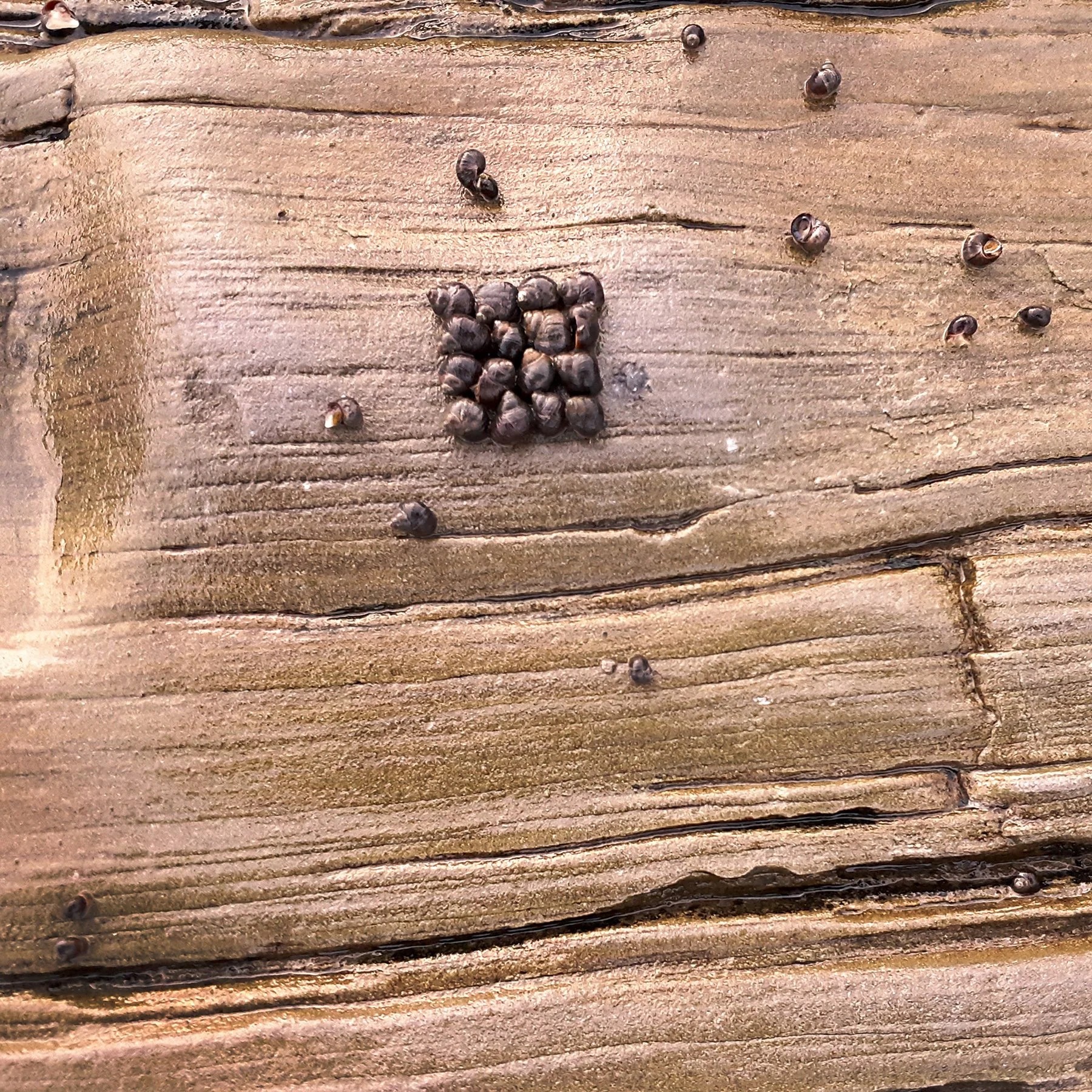
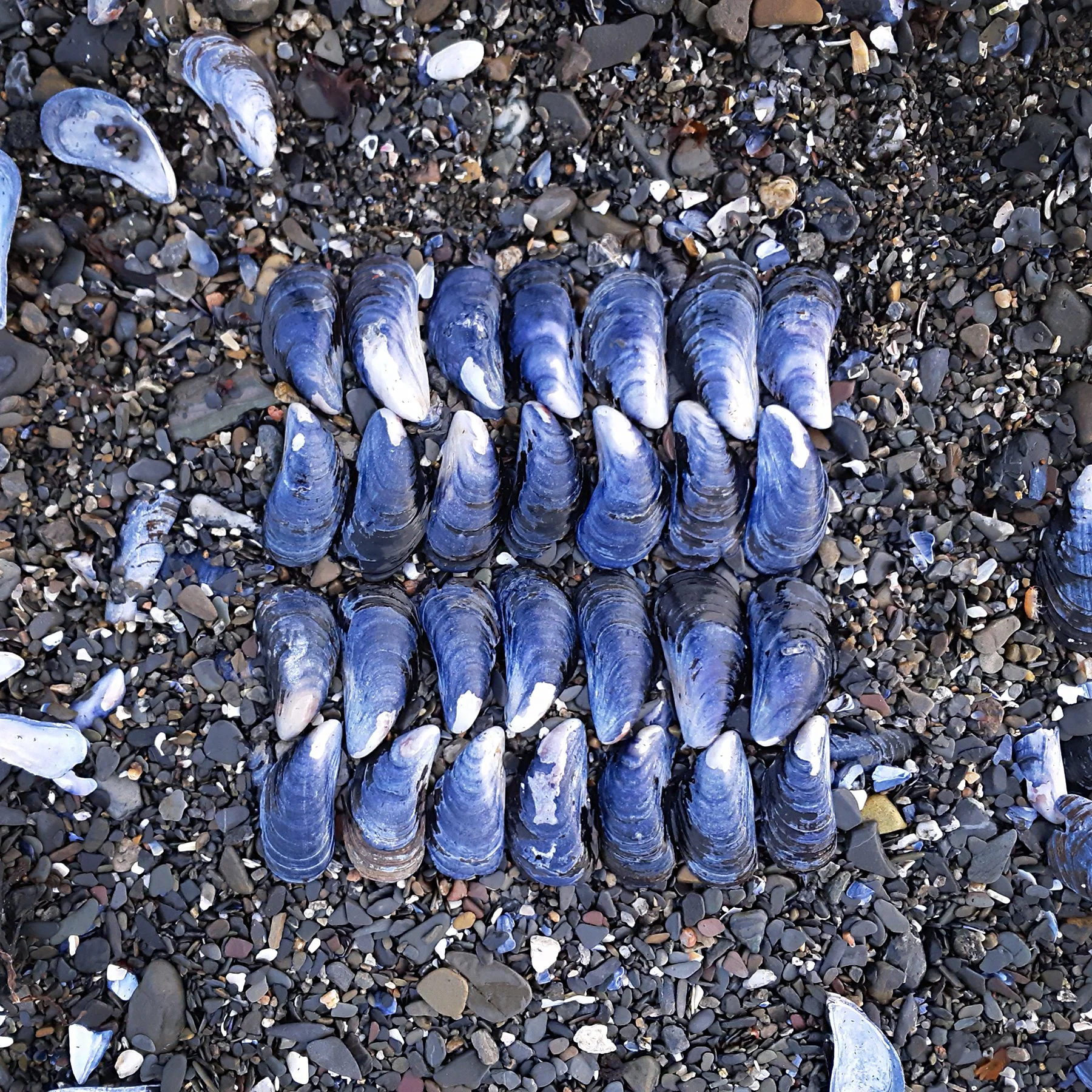
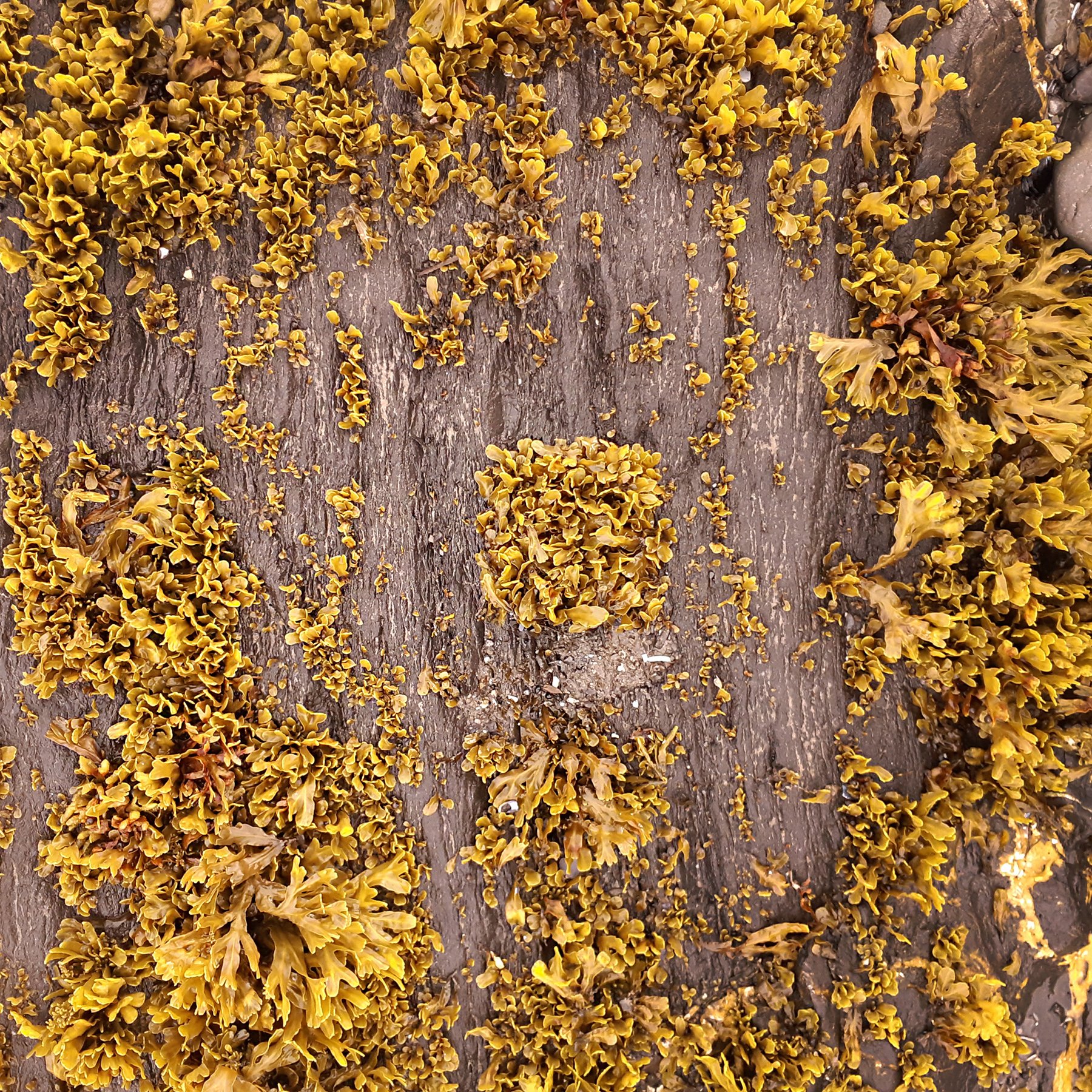
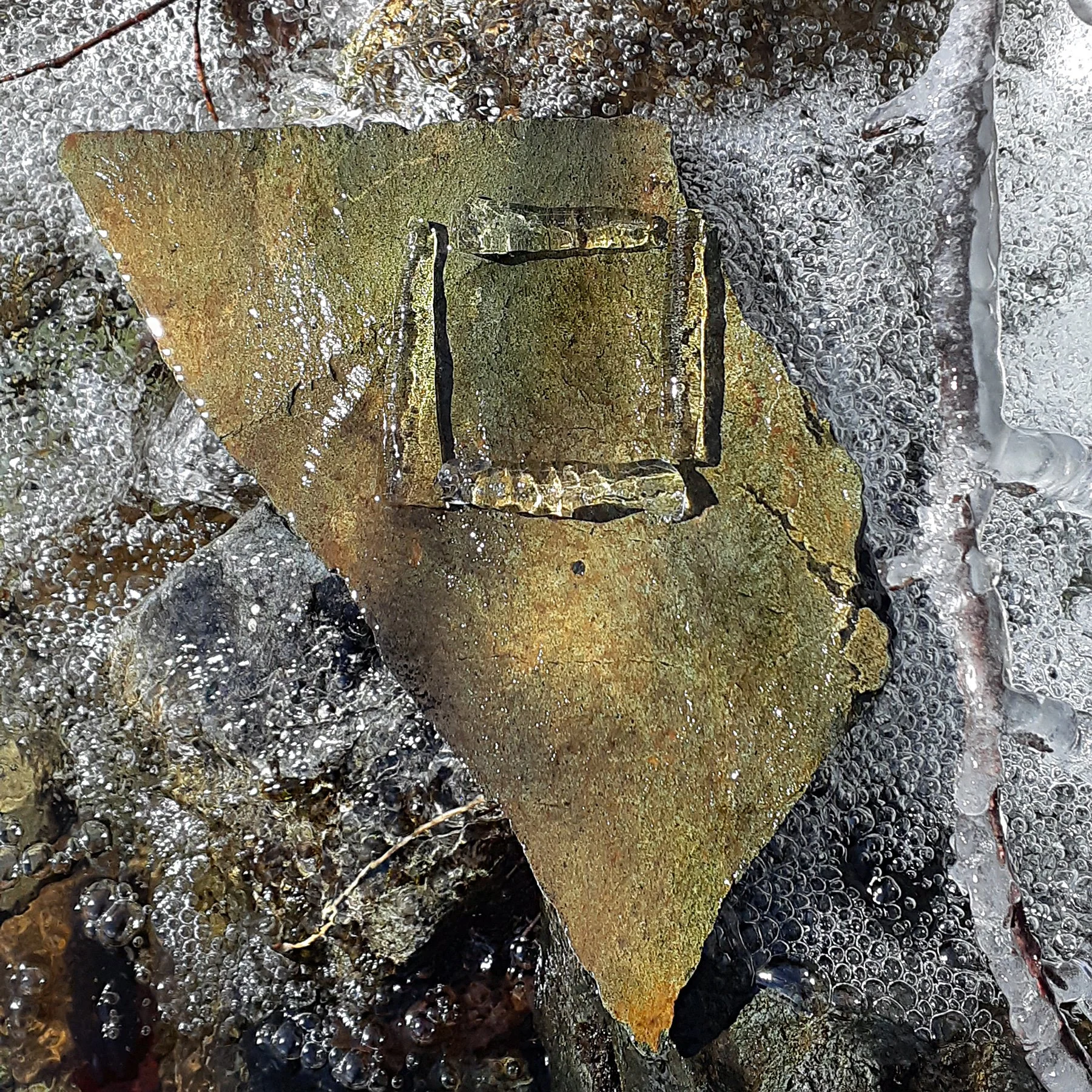
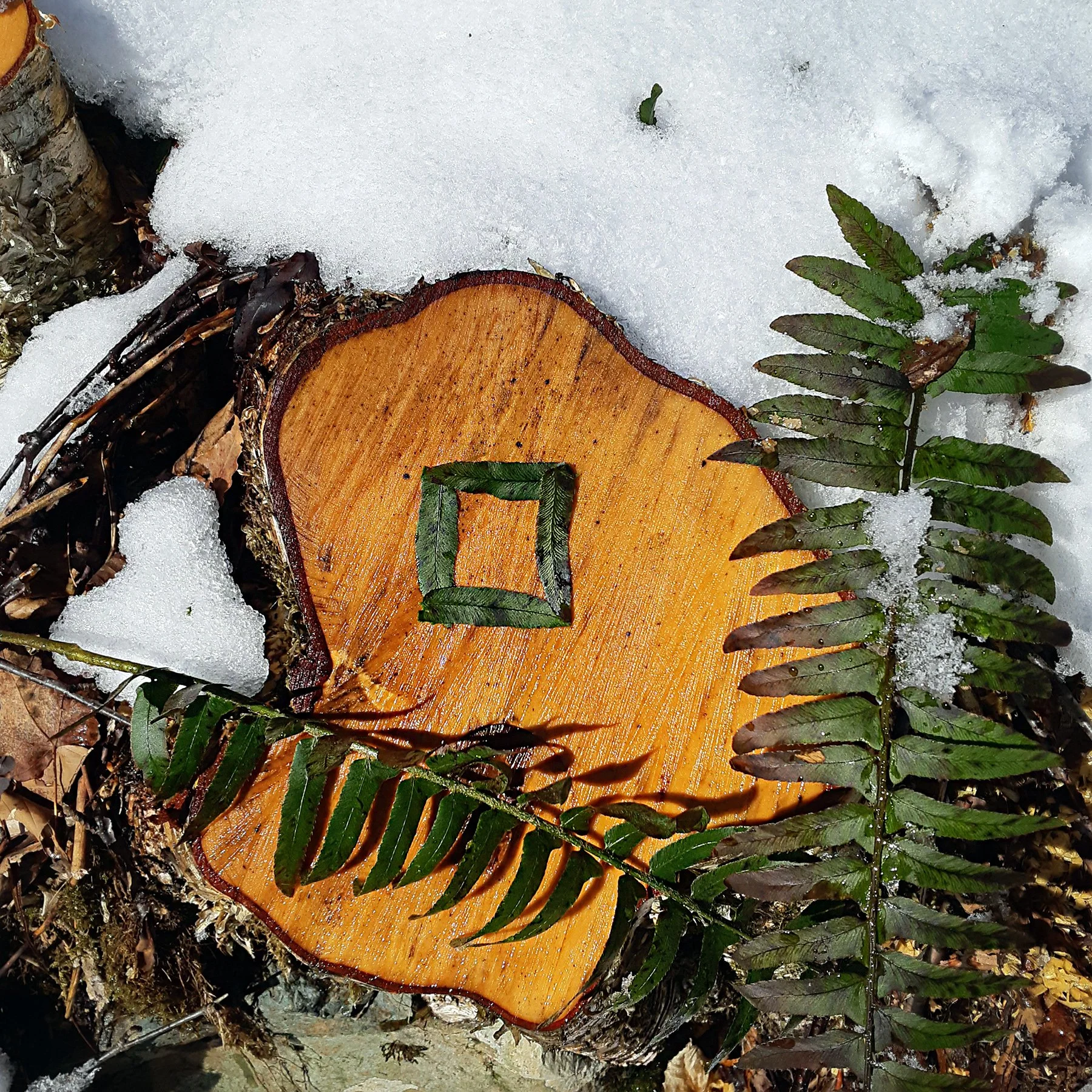
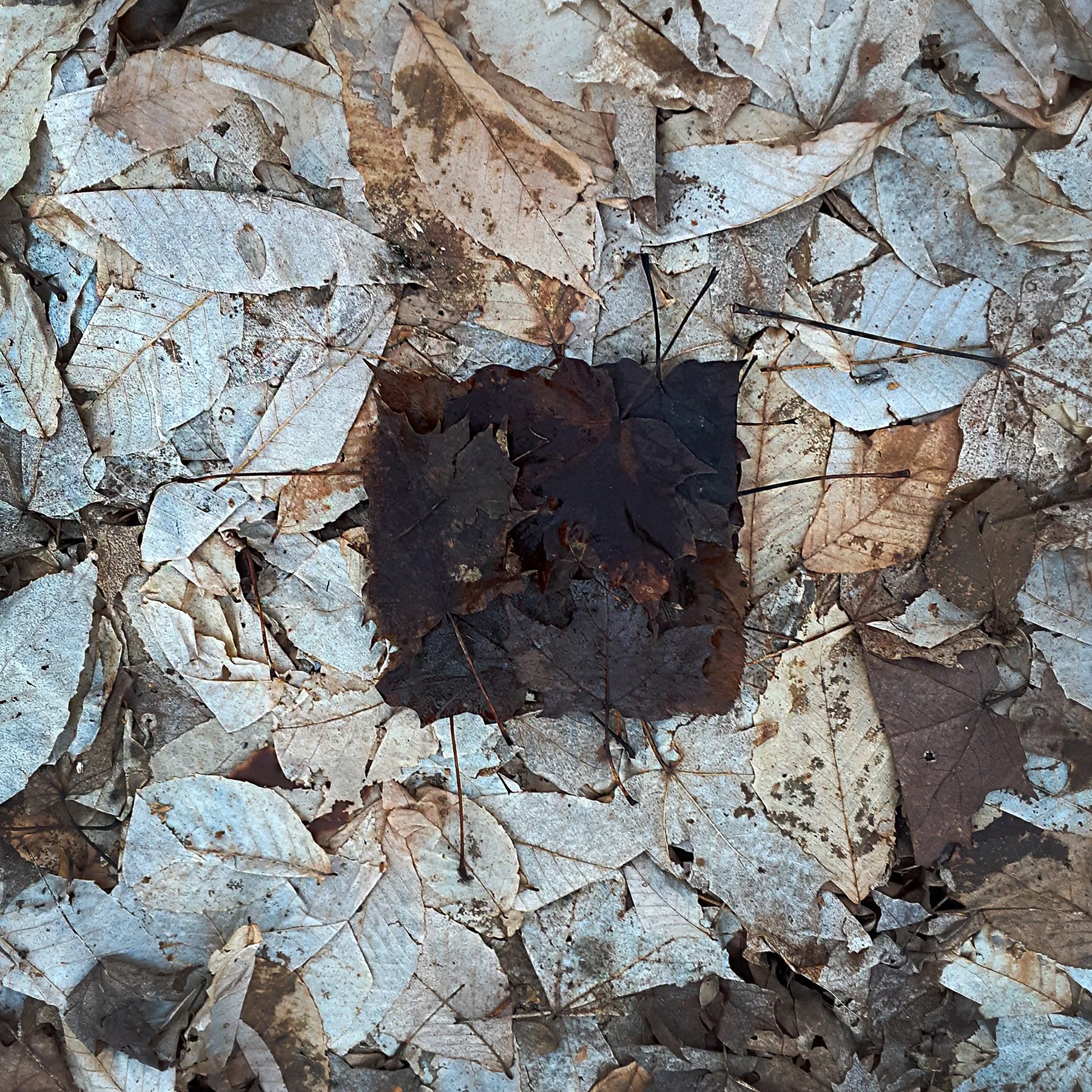
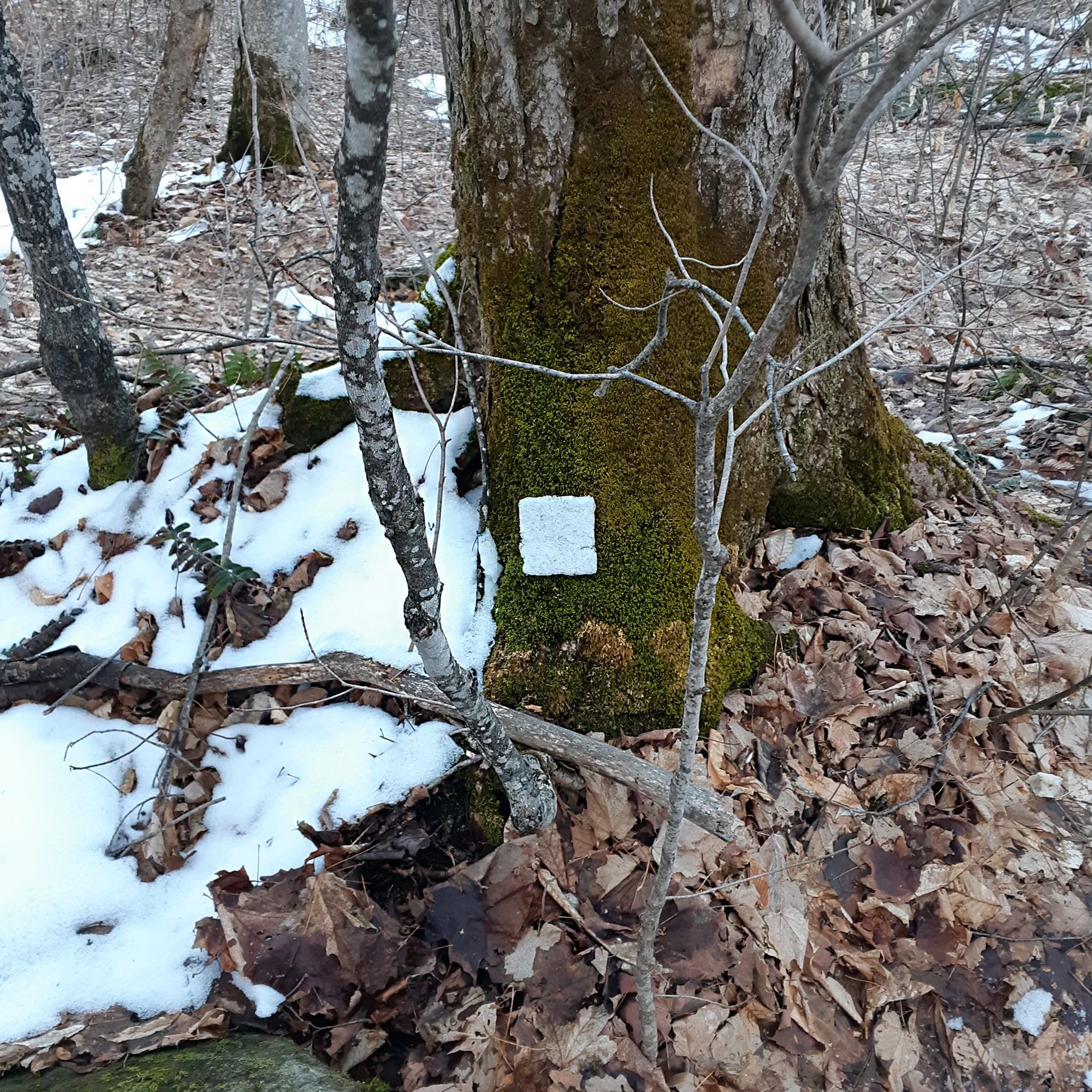
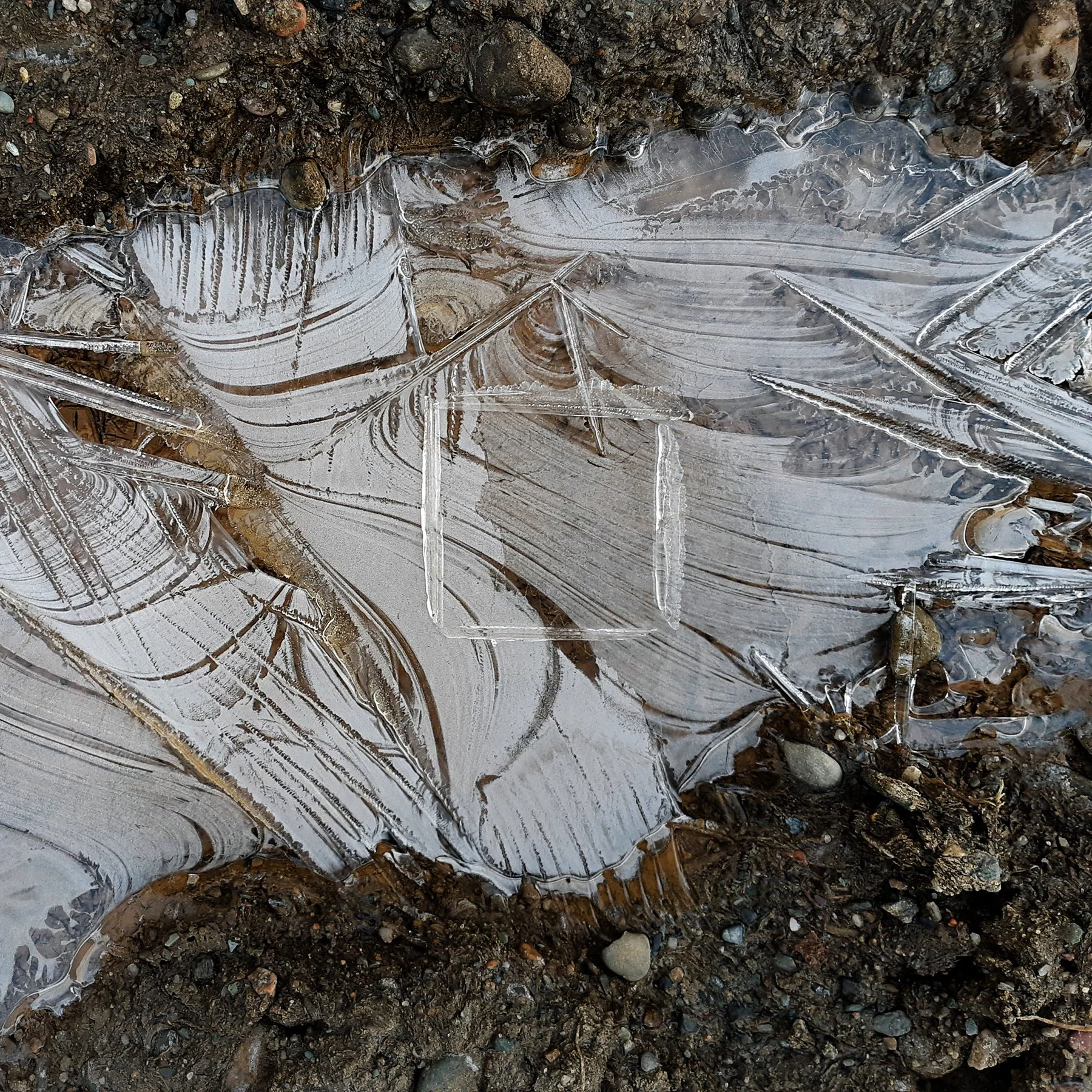
Les interventions relatées dans Mise au carré prennent place dans des sites variés (forêts, plages, montagnes, champs, rivières), chacun offrant un terrain d’expérimentation singulier. Le carré y devient une unité de mesure et un outil d’attention : il cadre un fragment de paysage, révèle des textures et met en lumière des dynamiques souvent invisibles. Réalisé selon un principe d’économie et de respect du milieu et à partir de matériaux trouvés sur place (branches, pierres, feuilles, sable, terre), il agit comme trace, empreinte et cadre perceptif.
Bien que chaque intervention soit photographiée, les images qui en découlent ne relèvent pas d’une simple documentation; elles constituent une seconde mise en forme de l’œuvre. La photographie prolonge la dimension contemplative du projet et fige un moment fragile de cohabitation entre le geste humain et les forces naturelles. Réalisées sur plusieurs années, ces images composent un corpus cohérent, révélant les variations infinies qu’une forme simple peut produire lorsqu’elle est confrontée à la diversité des paysages et des matières. Mise au carré s’inscrit donc dans une poétique du peu et du presque rien. Les interventions, modestes dans leur échelle et leur durée, privilégient la sobriété, la lenteur et la retenue. Ce minimalisme est avant tout éthique : il traduit un rapport au monde fondé sur l’attention et l’écoute.
SQUARING OUT
At the heart of the process lies a fundamental question: how to engage with nature's creative act while simultaneously paying homage to it? The square quickly emerged as the formal, conceptual, and philosophical axis of the project, as well as the structuring principle of the publication. An orthogonal shape almost entirely absent from natural environments, the square acts as a marker of human presence and crystallizes a reflection on the tension between order and disorder, rationality and organicity, control and surrender.
My practice unfolds within the slow temporality of site-specific work: observation of the location, construction, and then the gradual disappearance of the form. Natural conditions—wind, light, humidity, tides, vegetation—contribute to the alteration of the squares, gradually erasing their contours. The ephemeral nature of these interventions reflects a desire for non-appropriation: the artwork inhabits the space for a time, then vanishes.
The interventions described in Mise au carré (Squaring) take place in diverse locations (forests, beaches, mountains, fields, rivers), each offering a unique experimental ground. The square becomes a unit of measurement and a tool for observation: it frames a fragment of landscape, reveals textures, and illuminates often invisible dynamics. Created according to principles of economy and respect for the environment, using locally sourced materials (branches, stones, leaves, sand, earth), it acts as a trace, an imprint, and a perceptual framework.
Although each intervention is photographed, the resulting images are not simply documentation; they constitute a second shaping of the work. Photography extends the contemplative dimension of the project and captures a fragile moment of coexistence between human action and natural forces. Created over several years, these images form a coherent body of work, revealing the infinite variations that a simple form can produce when confronted with the diversity of landscapes and materials. Mise au carré thus falls within a poetics of the minimal and the almost nonexistent. The interventions, modest in scale and duration, prioritize sobriety, slowness, and restraint. This minimalism is above all ethical: it reflects a relationship to the world based on attention and listening.


![20220418_175659[1].jpg](https://images.squarespace-cdn.com/content/v1/5a79d8e72aeba56710b96b06/1775140466866-95QXNY4ITV9QJ2X13EED/20220418_175659%5B1%5D.jpg)
![20220428_192747[1].jpg](https://images.squarespace-cdn.com/content/v1/5a79d8e72aeba56710b96b06/1775140468081-G40K4YQFTW9PYJJ8MAGI/20220428_192747%5B1%5D.jpg)
![20220501_111442[1].jpg](https://images.squarespace-cdn.com/content/v1/5a79d8e72aeba56710b96b06/1775140471504-RHE573ILRK2TQDG0RY84/20220501_111442%5B1%5D.jpg)